 EN
EN

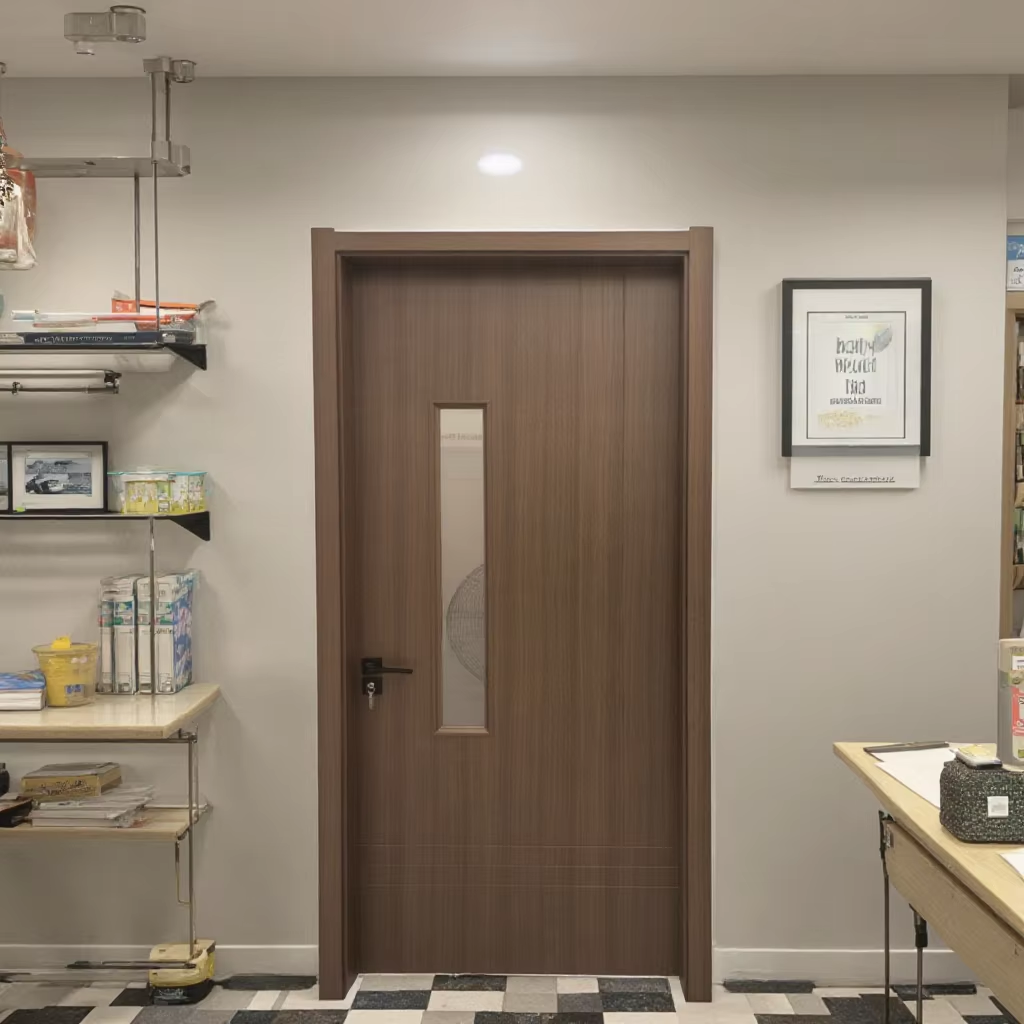
The construction and home improvement industry continues to evolve with innovative materials that offer superior performance and durability. Among these advancements, WPC doors have emerged as a compelling alternative to traditional wood doors, combining the aesthetic appeal of natural wood with the enhanced properties of modern composite materials. Understanding the specific advantages of WPC doors over conventional wooden alternatives becomes crucial for architects, contractors, and homeowners making informed decisions about door selection.
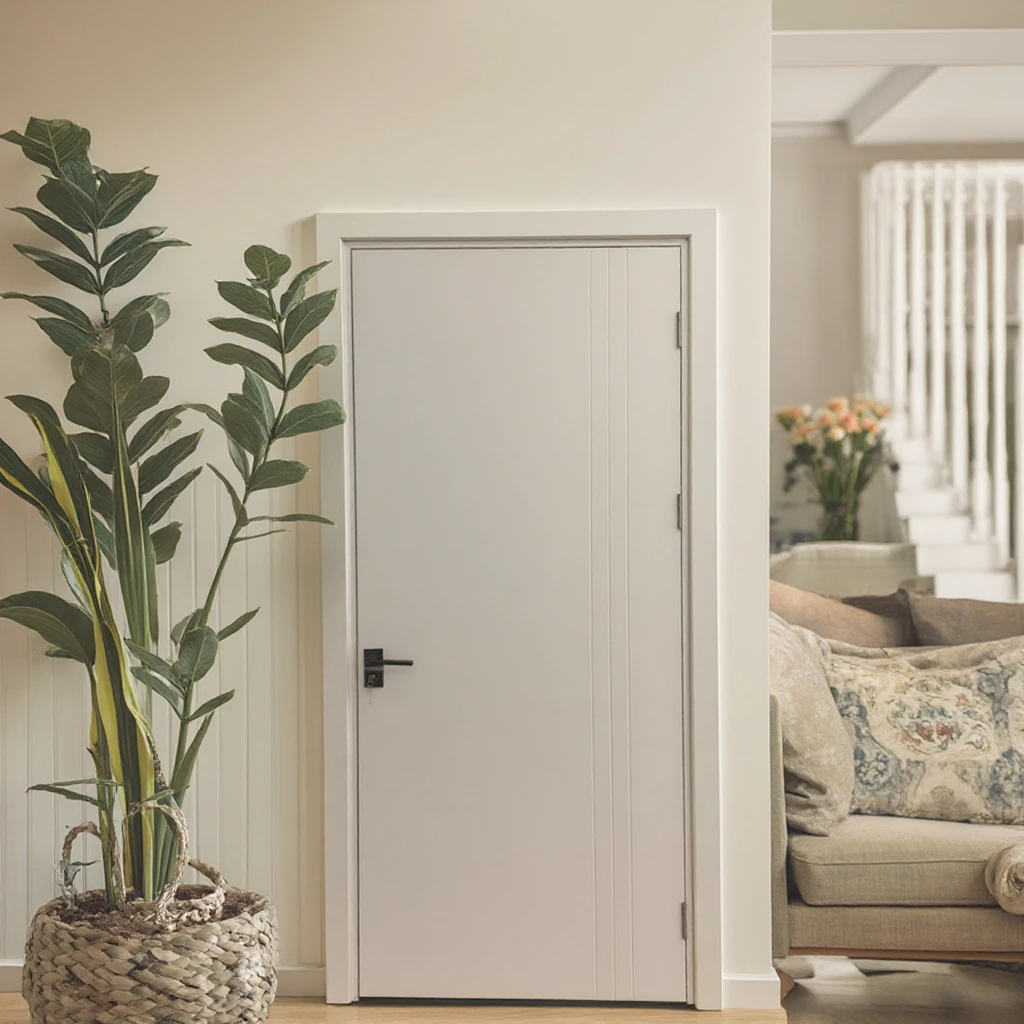
The fundamental differences between WPC doors and traditional wood extend beyond surface-level comparisons, encompassing structural integrity, maintenance requirements, environmental impact, and long-term cost effectiveness. These composite doors represent a technological advancement that addresses many inherent limitations found in solid wood construction while maintaining the visual characteristics that make wooden doors desirable. The comparative analysis of these door types reveals significant performance advantages that influence both immediate installation decisions and long-term property value considerations.
Superior Durability and Structural Performance
Enhanced Moisture and Weather Resistance
WPC doors demonstrate exceptional resistance to moisture absorption compared to traditional wood doors, which naturally expand and contract with humidity changes. The composite structure of WPC doors incorporates wood fibers within a protective plastic matrix, creating a barrier that prevents water penetration and subsequent warping. This moisture resistance translates to dimensional stability that traditional wood cannot match, particularly in environments with fluctuating humidity levels or direct weather exposure.
Traditional wooden doors typically absorb moisture through their porous grain structure, leading to swelling during humid conditions and shrinkage in dry environments. This continuous expansion and contraction cycle eventually causes joint failure, panel cracking, and hardware misalignment. WPC doors eliminate these issues through their engineered composition, maintaining consistent dimensions regardless of environmental moisture levels.
The weather resistance of WPC doors extends to temperature variations, where traditional wood may experience thermal expansion and contraction that affects door operation. The composite material maintains structural integrity across broader temperature ranges, ensuring smooth operation and proper sealing regardless of seasonal changes.
Impact Resistance and Longevity
The composite construction of WPC doors provides superior impact resistance compared to solid wood alternatives, which can dent, chip, or crack under physical stress. The plastic matrix within wpc doors absorbs and distributes impact forces more effectively than wood grain structures, reducing visible damage from everyday use or accidental impacts.
Traditional wooden doors, particularly those made from softer wood species, show wear patterns more readily and may require regular refinishing to maintain their appearance. The surface durability of WPC doors resists scratching, denting, and surface abrasion that commonly affects wooden doors in high-traffic applications.
Long-term structural integrity favors WPC doors due to their resistance to common wood deterioration factors including insect damage, fungal growth, and natural aging processes. Traditional wood doors may experience structural weakening over time as natural fibers break down, while WPC doors maintain their engineered strength characteristics throughout their service life.
Maintenance and Lifecycle Cost Benefits
Reduced Maintenance Requirements
The maintenance demands of WPC doors represent a significant advantage over traditional wood doors, which require regular staining, sealing, or painting to protect against environmental damage. WPC doors maintain their appearance and protective properties without periodic refinishing, eliminating the labor and material costs associated with wooden door maintenance programs.
Traditional wooden doors typically need refinishing every three to five years depending on exposure conditions, involving surface preparation, primer application, and multiple finish coats. This maintenance cycle requires professional expertise or significant homeowner time investment, along with ongoing costs for quality finishing materials.
WPC doors require only basic cleaning with standard household cleaners to maintain their appearance, without the need for specialized wood care products or protective treatments. This simplified maintenance approach reduces both direct costs and the time investment required for door upkeep throughout the building's lifecycle.
Long-Term Economic Advantages
The total cost of ownership analysis consistently favors WPC doors when maintenance costs, replacement frequency, and performance reliability are factored into economic calculations. While initial purchase prices may vary between WPC doors and traditional wood options, the reduced maintenance requirements and extended service life of WPC doors create significant long-term savings.
Traditional wooden doors may require replacement or major refurbishment after fifteen to twenty years due to accumulated wear, weather damage, or structural deterioration. WPC doors typically maintain functional performance and acceptable appearance for significantly longer periods, reducing replacement frequency and associated installation costs.
Energy efficiency considerations also impact long-term costs, as WPC doors often provide better thermal insulation properties than traditional wood doors. The composite construction eliminates thermal bridging through natural wood grain patterns and maintains more consistent insulation values over time, contributing to reduced heating and cooling costs.
Environmental Impact and Sustainability Considerations
Resource Conservation Benefits
WPC doors contribute to forest conservation efforts by utilizing wood waste materials and recycled plastic components rather than requiring harvest of mature trees for solid wood door production. The manufacturing process transforms sawdust, wood chips, and other wood processing byproducts into functional building materials, reducing waste streams while creating valuable products.
Traditional wooden door production requires harvesting mature trees and processing solid lumber, contributing to deforestation pressures and reducing available forest resources. The time required for tree growth to reach harvestable maturity means traditional wood door production has significant environmental timeline implications that WPC doors help address.
The incorporation of recycled plastic materials in WPC doors provides an outlet for post-consumer plastic waste that might otherwise contribute to landfill accumulation or environmental pollution. This dual benefit of utilizing both wood waste and plastic waste streams positions WPC doors as environmentally responsible alternatives to traditional construction materials.
Manufacturing and End-of-Life Impact
The manufacturing process for WPC doors typically requires less energy consumption compared to traditional wood door production, which involves multiple processing steps including kiln drying, machining, and finishing operations. WPC door production consolidates materials processing into more efficient manufacturing workflows that reduce overall energy requirements per unit produced.
End-of-life disposal considerations favor WPC doors due to their recyclable composition, allowing materials to be reprocessed into new products rather than requiring disposal as waste. Traditional wooden doors treated with preservatives, stains, or paint may present disposal challenges due to chemical content that limits recycling options.
The longer service life of WPC doors reduces the frequency of replacement cycles, decreasing the cumulative environmental impact associated with manufacturing, transportation, and installation activities over the building's lifetime. This extended product lifecycle contributes to overall resource conservation and waste reduction goals in construction and building management.
Installation and Performance Characteristics
Installation Advantages and Flexibility
WPC doors offer installation advantages through their consistent dimensions and predictable material properties, eliminating concerns about wood movement that can complicate fitting and hardware installation with traditional wooden doors. The dimensional stability of WPC doors allows for more precise installation tolerances and reduces callback requirements for adjustment or replacement due to seasonal movement.
The weight characteristics of WPC doors often provide better balance between structural strength and installation convenience compared to solid wood alternatives. This weight optimization reduces stress on hinges and frame components while maintaining the substantial feel that users expect from quality door installations.
Hardware compatibility represents another installation advantage, as WPC doors accept standard door hardware without the splitting or pilot hole requirements that some wood species demand. The composite material provides secure hardware attachment while accommodating various hardware styles and finishes without compatibility concerns.
Aesthetic Versatility and Customization
Modern WPC doors achieve remarkable aesthetic similarity to traditional wood through advanced surface texturing and finishing techniques that replicate natural wood grain patterns and color variations. The manufacturing process allows for consistent reproduction of desired wood appearances without the natural variations that can complicate traditional wood door matching in large installations.
Color stability represents a significant performance advantage of WPC doors over traditional wood, which may experience fading, discoloration, or uneven aging that affects appearance over time. WPC doors maintain consistent coloration throughout their service life, ensuring that doors installed at different times continue to match and maintain the intended design aesthetic.
Customization options for WPC doors often exceed those available with traditional wood due to manufacturing flexibility that allows for various panel configurations, surface textures, and integrated design elements. This design freedom enables architectural specifications that might be cost-prohibitive or technically challenging with solid wood construction methods.
FAQ
How do WPC doors compare to traditional wood doors in terms of fire resistance?
WPC doors typically offer better fire resistance than traditional wood doors due to their composite construction that includes flame-retardant materials and reduced organic content. While traditional wood doors are combustible and can contribute to fire spread, WPC doors are engineered to resist ignition and slow flame propagation, making them safer choices for fire-conscious applications. However, specific fire ratings should be verified with manufacturers for applications requiring certified fire performance.
Can WPC doors be painted or stained like traditional wooden doors?
WPC doors can accept paint finishes using appropriate primers designed for composite materials, though their surface characteristics differ from traditional wood that readily absorbs stains and paints. Unlike wooden doors that require regular refinishing for protection, WPC doors are typically manufactured with integral color and finish that eliminates the need for painting or staining. When aesthetic changes are desired, proper surface preparation and compatible coating systems ensure successful finish adhesion and durability.
What is the expected lifespan difference between WPC doors and traditional wood doors?
WPC doors typically provide 25-30 years of service life compared to 15-20 years for traditional wooden doors under similar conditions. The extended lifespan results from WPC doors' resistance to moisture damage, insect attack, and structural deterioration that commonly affect wooden doors over time. Environmental factors, usage patterns, and maintenance practices influence actual lifespan for both door types, but WPC doors consistently demonstrate superior longevity in comparative applications.
Are there any limitations or disadvantages of WPC doors compared to traditional wood?
WPC doors may have higher initial costs compared to basic wooden door options, and some users prefer the authentic feel and natural characteristics of solid wood construction. Traditional wood doors offer easier field modification and repair capabilities, while WPC doors may require factory replacement for significant damage. Additionally, certain architectural styles or historic preservation requirements may specifically call for traditional wooden construction that WPC doors cannot authentically replicate despite their visual similarity.
Table of Contents
- Superior Durability and Structural Performance
- Maintenance and Lifecycle Cost Benefits
- Environmental Impact and Sustainability Considerations
- Installation and Performance Characteristics
-
FAQ
- How do WPC doors compare to traditional wood doors in terms of fire resistance?
- Can WPC doors be painted or stained like traditional wooden doors?
- What is the expected lifespan difference between WPC doors and traditional wood doors?
- Are there any limitations or disadvantages of WPC doors compared to traditional wood?