 EN
EN

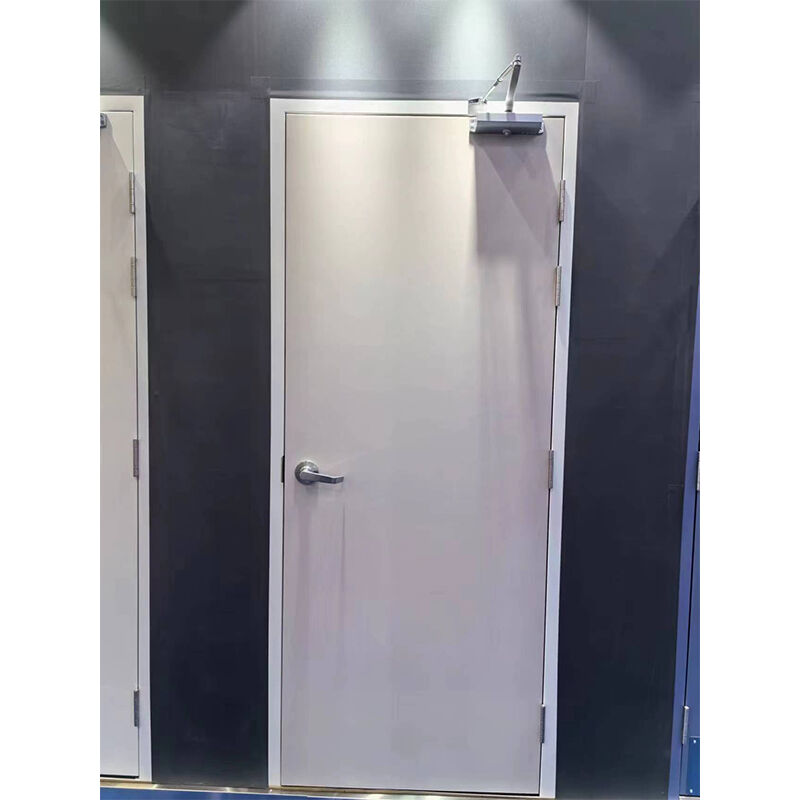
Factory environments present unique fire safety challenges due to the presence of combustible materials, heavy machinery, complex layouts, and high occupancy levels. Installing a comprehensive fire door system represents one of the most effective passive fire protection strategies available to industrial facility managers. These specialized barriers are engineered to compartmentalize fire and smoke, providing critical time for evacuation, protecting valuable assets, and maintaining structural integrity during emergency situations. Understanding the specific advantages of fire door installation helps decision-makers justify investment and prioritize workplace safety improvements.
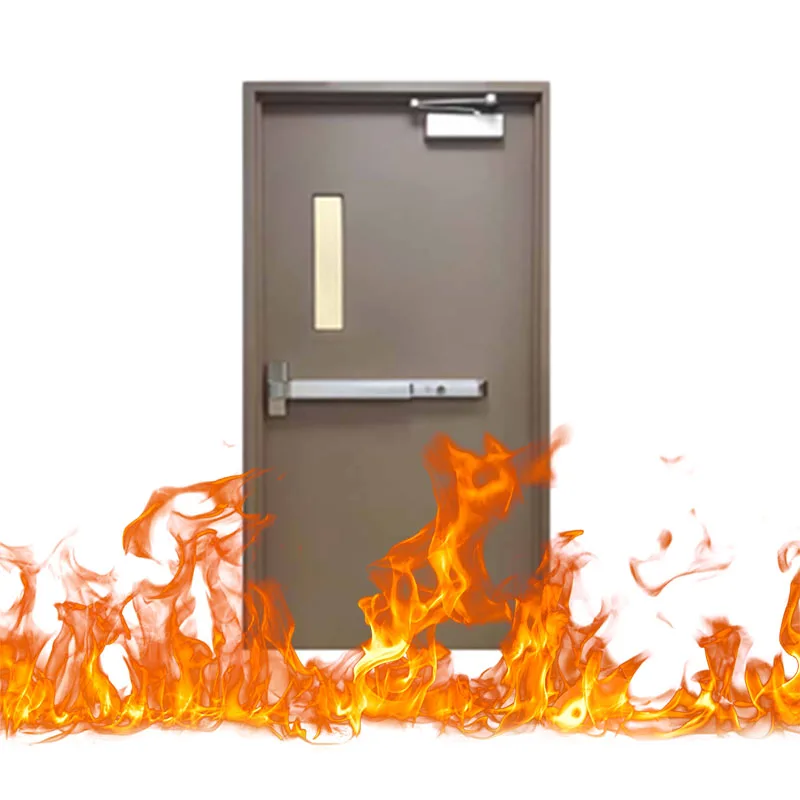
Modern fire door systems deliver multifaceted benefits that extend beyond basic code compliance. From limiting property damage and business interruption to safeguarding human life and reducing insurance premiums, the value proposition of properly specified and maintained fire door installations becomes evident when examining real-world factory fire incidents. This article explores the key advantages that make fire door systems an indispensable component of factory fire safety infrastructure, providing facility managers and safety officers with the insights needed to make informed protection decisions.
Life Safety and Evacuation Protection
Creating Safe Egress Routes
The primary advantage of fire door installation in factory settings is the creation and preservation of safe evacuation pathways during fire emergencies. A properly rated fire door can resist fire penetration for periods ranging from 30 minutes to three hours, depending on its classification. This time buffer is critical in industrial facilities where complex floor plans, heavy equipment, and potentially disoriented workers require extended evacuation periods. Fire doors installed at strategic points throughout the facility maintain clear escape routes even as flames and smoke spread through other areas.
Factory layouts often include long corridors, multiple production zones, and storage areas that can become impassable quickly during a fire event. Fire door systems compartmentalize these spaces, ensuring that workers in unaffected zones have adequate time to reach designated assembly points. The doors function as temporary barriers that hold back flames and toxic smoke, preventing the rapid spread that could trap employees in dangerous situations. This compartmentalization advantage becomes especially valuable in facilities operating multiple shifts or maintaining 24-hour production schedules.
Beyond creating protected pathways, fire doors also support the function of emergency lighting and ventilation systems by maintaining pressure differentials and preventing smoke infiltration into stairwells and exit corridors. This integrated protection approach ensures that evacuation routes remain both visible and breathable, addressing the reality that smoke inhalation causes more fire-related fatalities than direct flame contact. The life safety value of fire door systems cannot be overstated when considering the legal, moral, and financial implications of workplace fire casualties.
Protecting High-Risk Personnel Areas
Factories typically contain specific zones where personnel concentrate during operations, including control rooms, break areas, offices, and maintenance shops. Installing fire doors to isolate these spaces from production areas provides an additional layer of personnel protection. Workers in administrative or quality control functions may have limited awareness of developing fire situations in distant production zones, making passive protection through fire door systems especially important for these populations.
Control room operators and supervisors often bear responsibility for initiating emergency responses and coordinating evacuation procedures. Fire doors protecting these critical command centers ensure that key personnel can maintain communication and execute emergency protocols even as fire conditions develop elsewhere in the facility. This operational continuity during the crucial initial minutes of a fire event can significantly influence overall evacuation success and emergency response effectiveness.
The psychological advantage of fire door protection should not be underestimated. Workers who understand that their facility incorporates comprehensive fire compartmentation demonstrate higher confidence in workplace safety measures, potentially improving morale and retention. This psychological benefit extends to emergency situations, where visible fire door barriers provide reassurance that protection measures are actively functioning, reducing panic and supporting orderly evacuation behavior.
Property and Asset Protection
Limiting Fire Spread and Damage Scope
The financial advantages of fire door installation become immediately apparent when examining property damage limitation. Fire compartmentation through properly installed fire doors can reduce total property loss by containing fire to its area of origin or limiting spread to adjacent zones. In factory environments where equipment values can reach millions of dollars per production line, preventing fire extension from one manufacturing cell to another delivers substantial financial protection.
Industrial facilities often house inventory, raw materials, and finished goods representing significant capital investment. Fire door systems protecting warehouse zones, storage areas, and shipping departments prevent total inventory loss scenarios that could threaten business viability. A fire originating in one section of a factory need not result in complete facility destruction when effective compartmentation limits flame and heat transmission. This damage limitation directly translates to reduced recovery costs, shorter business interruption periods, and improved survival rates for fire-affected companies.
The structural protection value of fire doors extends beyond contents to the building itself. By preventing fire extension into unaffected areas, fire door systems reduce the likelihood of catastrophic structural failure that could necessitate complete facility reconstruction. Building components including steel framing, electrical systems, and HVAC infrastructure suffer progressive damage as fire exposure duration increases. Fire doors that successfully contain incidents to limited zones preserve the structural integrity of unaffected areas, often allowing partial operations to resume more quickly during recovery phases.
Protecting Specialized Equipment and Processes
Modern factories frequently contain specialized machinery, clean rooms, research facilities, or sensitive electronic systems that represent disproportionate value relative to their physical footprint. Strategic fire door placement around these high-value assets provides targeted protection that can preserve critical equipment even during significant fire events. For facilities engaged in precision manufacturing, pharmaceutical production, or electronics assembly, protecting specialized equipment from smoke and heat damage may determine whether business continuity is possible following a fire incident.
Environmental control systems, computer numerical control machinery, testing laboratories, and quality assurance equipment often cannot tolerate smoke contamination or heat exposure even below ignition thresholds. Fire doors with appropriate sealing systems prevent smoke migration that could compromise sensitive instruments or contaminate clean production environments. This protection advantage extends equipment service life and prevents costly decontamination procedures that might otherwise be necessary following fire incidents in adjacent areas.
The time value of equipment protection deserves particular emphasis. Specialized industrial machinery often requires months for procurement and installation, with additional time needed for calibration and production validation. Fire door systems that successfully protect this equipment eliminate replacement timelines that could otherwise extend business interruption periods substantially. For companies operating in competitive markets with tight delivery schedules, the ability to resume production quickly using protected equipment provides competitive advantages that far exceed the initial fire door system investment.
Business Continuity and Operational Resilience
Minimizing Production Downtime
Business interruption costs following factory fires frequently exceed direct property damage expenses. Installing comprehensive fire door systems throughout manufacturing facilities directly addresses this business continuity vulnerability by enabling faster recovery and potential partial operations during reconstruction phases. When fire damage is successfully limited to specific compartments through effective fire door barriers, unaffected production areas may remain structurally sound and operationally viable, allowing phased production resumption that maintains cash flow and customer relationships.
Factory fire door installations support business continuity planning by creating defined protection zones that align with production dependencies and critical path analysis. Facility managers can design compartmentation strategies that prioritize protection for bottleneck processes, specialized capabilities, or customer-critical production lines. This strategic approach to fire door placement ensures that even if fire damage occurs, the most business-critical functions retain the highest probability of survival and rapid restoration.
The reputational protection value of fire door systems contributes to long-term business resilience. Companies that demonstrate minimal service disruption following fire incidents maintain customer confidence and market position more effectively than competitors experiencing extended outages. Fire doors that successfully limit damage scope enable companies to communicate credibly about incident containment and recovery timelines, preserving business relationships that might otherwise deteriorate during prolonged production interruptions.
Regulatory Compliance and Liability Management
Installing properly rated fire doors throughout factory facilities ensures compliance with building codes, fire safety regulations, and occupational safety requirements that govern industrial operations. Compliance advantages extend beyond avoiding citations to include reduced liability exposure in the event of fire-related injuries or fatalities. Facilities that meet or exceed fire protection standards demonstrate due diligence that can significantly influence legal outcomes and insurance settlements following fire incidents.
Regulatory inspections by fire marshals, insurance underwriters, and occupational safety officials routinely assess fire door installations as key indicators of overall facility fire preparedness. Factories with comprehensive, well-maintained fire door systems typically experience smoother inspection processes and fewer corrective action requirements. This compliance efficiency reduces administrative burden and allows safety personnel to focus on continuous improvement rather than remedial corrections.
The documentation and certification requirements associated with fire door installations create valuable records that support facility management accountability. Proper installation documentation, periodic inspection reports, and maintenance logs demonstrate systematic attention to fire safety that can prove invaluable during regulatory reviews, insurance claims processing, or legal proceedings. This documentation advantage transforms fire door systems from simple physical barriers into components of comprehensive safety management systems.
Economic and Insurance Benefits
Reducing Insurance Premiums and Improving Coverage Terms
Insurance carriers recognize fire door systems as effective risk mitigation measures and typically offer premium reductions for facilities with properly rated and maintained compartmentation. The economic advantage of reduced insurance costs can partially or fully offset fire door system investment over the coverage period. Beyond premium reduction, factories with comprehensive fire door installations often qualify for higher coverage limits and more favorable policy terms, as insurers perceive lower probability of catastrophic total loss scenarios.
The claims process following factory fires proceeds more favorably when facilities demonstrate proper fire protection measures including compliant fire door installations. Insurance adjusters view fire door systems as evidence of reasonable risk management, potentially influencing settlement negotiations and reducing disputes over coverage scope. Facilities lacking adequate fire compartmentation may face coverage limitations or denial of certain claim elements based on inadequate protection arguments.
Long-term insurance relationships benefit from fire door system investments through improved loss history and demonstrated commitment to risk reduction. Factories that avoid major fire losses through effective compartmentation build positive underwriting histories that support competitive premium pricing during policy renewals. This cumulative economic advantage compounds over years, delivering return on investment that extends well beyond the physical asset protection value of the fire door systems themselves.
Protecting Supply Chain Relationships and Market Position
Modern manufacturing operates within complex supply chains where production disruptions at a single facility can cascade through multiple downstream customers. Fire door systems that minimize fire damage scope and accelerate recovery protect not only the affected factory but also the broader network of business relationships dependent on its output. Suppliers to industries with just-in-time inventory practices or seasonal production cycles face particularly severe consequences from extended fire-related outages, making fire door investment a supply chain risk management priority.
Customer qualification processes for supplier approval increasingly include facility risk assessments that evaluate fire protection adequacy. Factories seeking to supply major original equipment manufacturers, pharmaceutical companies, or other quality-sensitive industries must demonstrate comprehensive fire protection including properly rated fire door installations. The competitive advantage of qualifying for premium customer relationships often justifies fire door investments based solely on market access considerations.
The brand protection value of fire door systems extends to public perception and community relations. Factories that experience contained fire incidents with minimal community impact maintain better relationships with local authorities, neighboring properties, and public stakeholders than facilities that generate large smoke plumes, hazardous material releases, or evacuation requirements affecting surrounding areas. Fire doors that successfully compartmentalize incidents contribute to this community relations advantage by limiting fire severity and external impacts.
Integration with Comprehensive Fire Protection Systems
Complementing Active Fire Suppression Systems
Fire door installations work synergistically with active suppression systems including sprinklers, gas suppression, and foam systems to create layered protection strategies. While active systems attempt to extinguish fires, fire doors provide backup compartmentation that contains incidents even if suppression systems fail or prove inadequate for the fire type encountered. This redundancy advantage reflects sound safety engineering principles that avoid single points of failure in critical protection systems.
The operational relationship between fire doors and suppression systems includes important functional dependencies. Automatic fire doors that close upon alarm activation help maintain the pressure differentials and compartmentation that optimize sprinkler system effectiveness. By preventing fire spread beyond sprinkler-protected zones, fire doors reduce water demand and help ensure adequate pressure and flow for effective fire control. This integration advantage maximizes the effectiveness of both passive and active protection investments.
Facility fire protection designs that incorporate both fire door compartmentation and suppression systems typically achieve higher overall safety factors than approaches emphasizing either element alone. The combined protection approach addresses different failure scenarios and fire development stages, creating robust safety systems that function effectively across diverse incident types. This comprehensive protection philosophy aligns with best practices in industrial fire safety engineering and reflects mature understanding of fire behavior in complex manufacturing environments.
Supporting Detection and Alarm Systems
Fire door systems enhance the effectiveness of fire detection and alarm systems by creating defined compartments that allow more precise incident location identification and targeted emergency response. Compartmentation through fire doors enables zone-based alarm systems that provide specific location information to emergency responders and facility personnel, accelerating response deployment and improving tactical decision-making during emergency operations.
The interaction between fire doors and smoke detection systems includes important functional benefits. Smoke detectors positioned near fire door openings can trigger automatic door closure mechanisms that immediately compartmentalize developing fires, preventing smoke spread that could trigger false alarms in distant zones or compromise evacuation route visibility. This integration supports both life safety and operational efficiency by containing smoke to fire-affected areas and maintaining clear conditions in protected zones.
Emergency communication systems benefit from fire door compartmentation through improved communication clarity and reduced environmental noise during emergency response. Protected communication equipment rooms, control centers, and emergency operation facilities maintain better environmental conditions when isolated by fire doors, ensuring that critical communication systems remain functional throughout emergency incidents. This communication reliability advantage contributes directly to coordination effectiveness and overall emergency management success.
FAQ
How long do factory fire doors typically maintain their fire rating?
Factory fire doors maintain their fire rating indefinitely when properly maintained, as the rating reflects tested performance under standard conditions rather than a time-limited certification. However, the doors require regular inspection and maintenance to ensure continued compliance, including checking seals, hardware functionality, and closing mechanisms. Most codes require annual inspections by qualified personnel, with documentation maintained for regulatory compliance. Damage from impacts, improper repairs, or component deterioration can compromise fire door performance, necessitating repair or replacement to restore rated protection levels.
What is the typical cost difference between standard industrial doors and rated fire doors?
Fire-rated doors typically cost two to four times more than comparable non-rated industrial doors, depending on size, rating duration, hardware requirements, and aesthetic specifications. A standard 90-minute fire door suitable for factory applications might range from eight hundred to two thousand dollars per opening including frame and hardware, while specialized applications requiring larger sizes or higher ratings can exceed five thousand dollars per opening. However, this initial cost premium should be evaluated against potential property loss prevention, insurance premium reductions, and liability protection benefits that fire doors provide over their service life.
Can existing factory doorways be upgraded to fire-rated assemblies without major construction?
Many existing factory doorways can be upgraded to fire-rated assemblies, though the feasibility and cost depend on current opening construction and surrounding wall fire rating. Successful upgrades require that the wall assembly surrounding the door meets or can be modified to meet required fire resistance ratings, as fire doors only function effectively when installed in appropriately rated walls. Frame replacement is typically necessary, and some openings may require size modifications or reinforcement to accommodate fire door weight and hardware requirements. A qualified fire protection contractor should evaluate specific conditions to determine upgrade feasibility and associated costs.
Do fire doors require special maintenance beyond standard industrial door service?
Fire doors require specific maintenance procedures beyond standard industrial door service, focusing on elements critical to fire performance including seal integrity, hardware functionality, and proper closing operation. Annual inspections must verify that doors close and latch properly from any open position, that seals remain intact without gaps or damage, that no field modifications have compromised fire rating, and that required labels remain legible. Maintenance personnel should never block fire doors in open positions, remove or replace hardware with non-rated components, or make any modifications that could affect fire performance. Proper maintenance records must be maintained for regulatory compliance and insurance documentation purposes.
Table of Contents
- Life Safety and Evacuation Protection
- Property and Asset Protection
- Business Continuity and Operational Resilience
- Economic and Insurance Benefits
- Integration with Comprehensive Fire Protection Systems
-
FAQ
- How long do factory fire doors typically maintain their fire rating?
- What is the typical cost difference between standard industrial doors and rated fire doors?
- Can existing factory doorways be upgraded to fire-rated assemblies without major construction?
- Do fire doors require special maintenance beyond standard industrial door service?