 EN
EN

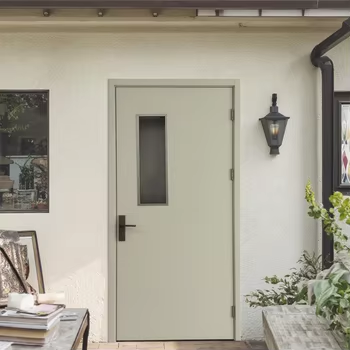
Selecting the right door material for moisture-prone environments represents a critical decision point in modern construction and renovation projects. Wood-Plastic Composite (WPC) doors have emerged as a superior solution for spaces where conventional materials fail due to humidity, water exposure, and dimensional instability. Understanding how to evaluate and choose wpc doors specifically for moisture-resistant applications requires examining composition factors, performance metrics, installation context, and long-term durability characteristics that differentiate high-quality options from inadequate alternatives.
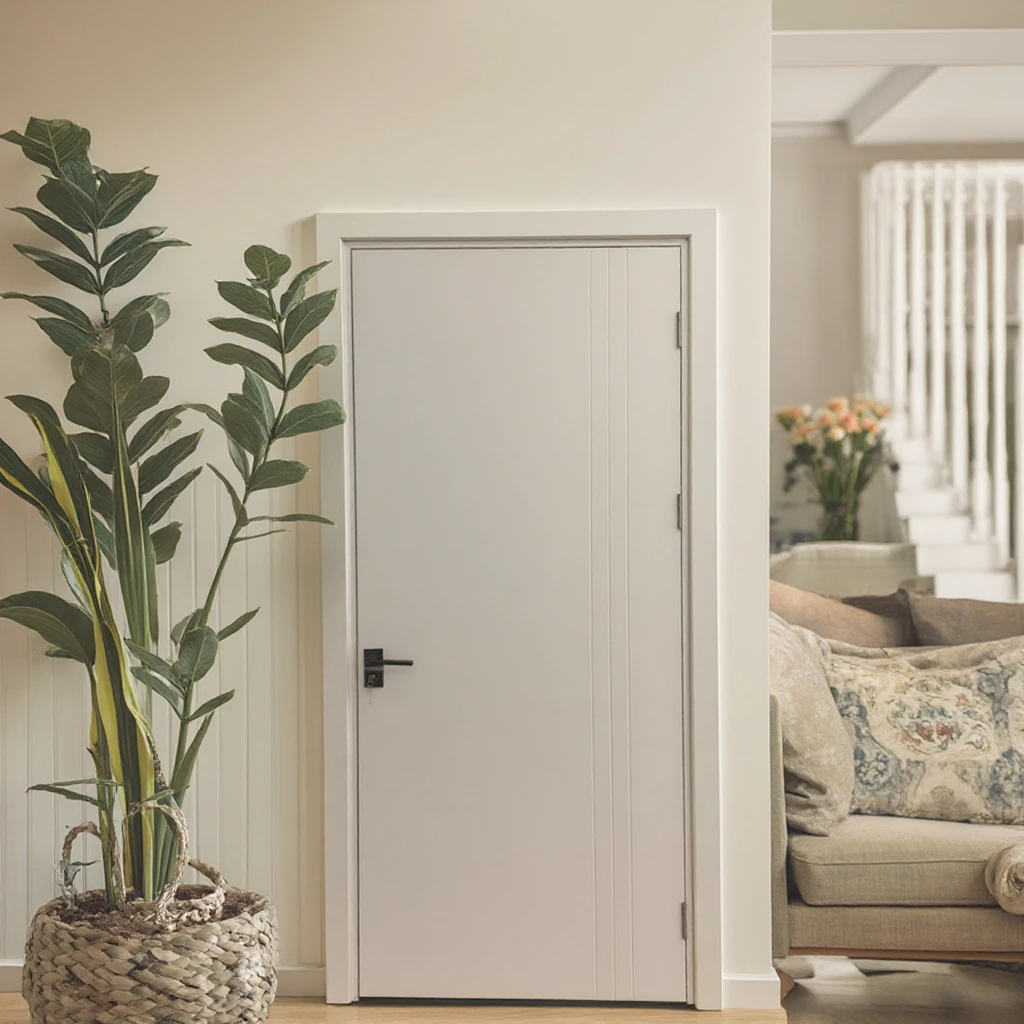
The selection process for moisture-resistant wpc doors extends beyond surface-level specifications and demands a comprehensive understanding of how different manufacturing approaches, material ratios, and structural designs perform under sustained exposure to moisture. Whether you are specifying doors for coastal properties, bathroom installations, basement applications, or commercial kitchens, the decision framework must address both immediate functional requirements and extended service life expectations. This guide provides architectural professionals, contractors, and property developers with a systematic approach to evaluating wpc doors through the lens of moisture resistance, ensuring selections align with environmental conditions, building codes, and performance expectations across diverse application scenarios.
Understanding Material Composition and Moisture Resistance Fundamentals
Core Material Ratio Analysis for Moisture Performance
The foundational characteristic determining moisture resistance in wpc doors lies in the ratio between wood fiber content and polymer matrix. High-quality moisture-resistant formulations typically maintain wood fiber content between 30-50 percent by weight, with the remaining composition consisting of thermoplastic polymers such as polyvinyl chloride (PVC), polypropylene, or polyethylene. This ratio directly influences water absorption rates, with lower wood content generally providing superior moisture resistance. When evaluating wpc doors for wet environments, request technical data sheets specifying the exact material composition and verify that the wood fiber percentage aligns with the anticipated exposure level in your application.
The polymer matrix quality proves equally critical as the ratio itself. Premium wpc doors utilize virgin-grade polymers rather than recycled content, ensuring consistent molecular structure and predictable long-term performance. The encapsulation effectiveness—how completely the polymer surrounds individual wood fibers—determines whether moisture can penetrate the composite structure. Manufacturers employing advanced extrusion processes and coupling agents achieve superior fiber encapsulation, creating a hydrophobic barrier that prevents water infiltration even under sustained exposure conditions found in bathrooms, laundry rooms, and exterior-protected applications.
Density and Structural Integrity Considerations
Density measurements provide quantifiable indicators of moisture resistance potential in wpc doors. Products with densities ranging from 900 to 1100 kg/m³ typically demonstrate optimal performance characteristics, balancing structural strength with moisture impermeability. Lower-density options may contain air pockets or inconsistent material distribution that create pathways for moisture penetration, while excessively high-density products can become brittle and prone to cracking under thermal cycling common in moisture-variable environments. When specifying wpc doors, request density specifications and cross-reference these values against performance testing results for water absorption and dimensional stability.
The internal structure of wpc doors significantly affects moisture resistance beyond simple density measurements. Solid-core constructions offer maximum resistance to moisture penetration compared to hollow-core or foam-core alternatives. Some advanced wpc doors incorporate cellular structures with closed-cell geometries that prevent water migration even if surface damage occurs. Examine cross-sectional samples or detailed technical drawings to understand the internal architecture, particularly for applications where door edges may experience direct water contact or where cutting and fitting during installation might expose internal surfaces to moisture.
Surface Treatment and Protective Coating Systems
Surface finishing technologies applied to wpc doors create the first line of defense against moisture intrusion. Co-extrusion processes that apply a protective polymer cap layer during manufacturing provide superior moisture barriers compared to post-production laminate applications. These cap layers, typically 0.5-1.0mm thick, consist of higher-grade polymers with enhanced UV resistance and lower water absorption rates than the core material. When selecting wpc doors for moisture-prone areas, prioritize co-extruded products over those relying solely on surface films or paint systems, as mechanical damage to surface-applied coatings can compromise moisture resistance across the entire door surface.
Additional protective treatments further enhance the moisture resistance of wpc doors in demanding applications. Hydrophobic coatings, silane treatments, and nanotechnology-based sealants can reduce surface water absorption by 40-60 percent compared to untreated surfaces. For high-exposure scenarios such as shower enclosures or exterior-protected locations, verify that the manufacturer applies specialized moisture-barrier treatments beyond standard finishing. Request independent testing documentation confirming water contact angle measurements above 90 degrees, indicating truly hydrophobic surface characteristics that promote water beading and rapid drainage rather than absorption.
Evaluating Performance Standards and Testing Certifications
Water Absorption Rate Standards and Benchmarks
Quantitative water absorption testing provides the most reliable metric for comparing moisture resistance across different wpc doors options. Industry standards such as ASTM D570 establish testing protocols measuring weight gain after 24-hour water immersion, with high-performance products demonstrating absorption rates below 0.5 percent. For commercial applications in consistently humid environments, target absorption rates below 0.3 percent to ensure long-term dimensional stability and prevent moisture-related degradation. Request certified test reports from independent laboratories rather than relying solely on manufacturer claims, and verify that testing conditions match or exceed the environmental severity anticipated in your specific application.
Extended immersion testing reveals performance characteristics invisible in standard 24-hour protocols. Premium wpc doors maintain absorption rates below 1.5 percent even after seven-day continuous immersion, indicating superior polymer encapsulation and minimal exposed wood fiber. This extended performance proves critical for applications where doors may experience periodic flooding, persistent condensation, or cleaning procedures involving direct water application. When reviewing technical documentation, examine both short-term and extended-duration test results to understand the performance trajectory and identify products that maintain stable absorption characteristics rather than exhibiting progressive moisture uptake over time.
Dimensional Stability and Swelling Resistance Metrics
Moisture-induced dimensional changes represent a primary failure mode in door applications, causing binding, warping, and operational difficulties. High-quality wpc doors demonstrate thickness swelling below 0.5 percent after 24-hour water immersion, with premium products achieving values below 0.3 percent. Linear expansion coefficients should remain below 3 percent across the anticipated humidity range of the installation environment. These metrics directly translate to operational reliability, as doors maintaining dimensional stability require minimal adjustment over their service life and continue functioning properly despite seasonal humidity variations or episodic water exposure events.
Cyclic exposure testing provides more realistic performance indicators than static immersion tests. Protocols simulating repeated wetting and drying cycles reveal how wpc doors respond to the moisture fluctuations characteristic of actual building environments. Products passing 100-cycle testing without significant dimensional change, surface degradation, or structural delamination demonstrate the durability required for long-term moisture-resistant applications. When specifying doors for critical installations, require cyclic testing documentation and verify that performance remains stable across multiple cycles rather than showing progressive degradation that would limit effective service life.
Relevant Building Codes and Regulatory Compliance
Regulatory requirements for moisture-resistant door applications vary by jurisdiction and building type but generally reference fire safety, structural performance, and material emissions standards. Wpc doors intended for commercial applications must typically meet flame spread ratings defined in ASTM E84 or equivalent regional standards, with Class A or Class B ratings required depending on occupancy classification. For moisture-resistant applications in healthcare, educational, or hospitality settings, verify that selected products meet both moisture performance requirements and applicable fire safety codes, as some WPC formulations sacrifice flame resistance to maximize moisture impermeability.
Environmental health standards increasingly influence material selection for interior applications where wpc doors will be installed. Low-emission certifications such as FloorScore, GREENGUARD, or equivalent regional standards confirm that volatile organic compound (VOC) emissions remain below health-based thresholds. For moisture-resistant applications in occupied spaces with limited ventilation—bathrooms, interior storage rooms, or basement areas—prioritize certified low-emission products to prevent indoor air quality issues. Some lower-cost wpc doors utilize recycled materials or lower-grade polymers that may release odors or compounds when exposed to heat and humidity, creating habitability concerns despite meeting basic moisture resistance specifications.
Application-Specific Selection Criteria and Installation Contexts
Bathroom and Wet Room Applications
Bathroom installations represent the most common moisture-resistant application for wpc doors in residential and hospitality contexts. These environments subject doors to direct steam exposure, temperature cycling between 15-40°C, relative humidity levels consistently above 70 percent, and periodic direct water contact during showering or floor cleaning. For standard bathroom applications, select wpc doors with water absorption rates below 0.4 percent, closed-cell core construction, and co-extruded protective surfaces. Edge sealing becomes critical in these installations, as moisture infiltration through exposed edges at floor level can compromise performance despite excellent surface resistance.
Shower enclosure and wet room applications demand even higher performance specifications. Wpc doors intended for direct shower exposure should demonstrate water absorption below 0.2 percent, incorporate stainless steel or polymer-coated hardware to prevent corrosion, and feature continuous edge sealing that prevents water intrusion along the entire perimeter. Consider products specifically engineered for wet area applications rather than standard moisture-resistant grades, as these incorporate enhanced polymer content, thicker protective layers, and reinforced core structures designed to withstand daily water exposure without degradation. Verify that the manufacturer provides specific wet area installation guidelines addressing threshold details, frame integration, and ventilation requirements necessary for optimal performance.
Basement and Below-Grade Installations
Below-grade applications present unique moisture challenges characterized by sustained high humidity, potential groundwater intrusion, and limited ventilation that prevents rapid drying after moisture events. Wpc doors for basement applications must resist not only direct water contact but also vapor-phase moisture transmission that can cause gradual saturation and dimensional instability in conventional materials. Select products with vapor permeability ratings below 5 perms, indicating resistance to moisture migration through the material thickness. Density becomes particularly important in these applications, with values above 1000 kg/m³ providing superior long-term performance in consistently humid environments.
Basement installations often involve contact with concrete floors and masonry walls that transmit moisture through capillary action. Detail the installation to prevent direct contact between wpc doors and moisture-transmitting surfaces by incorporating threshold systems with integrated moisture barriers, maintaining appropriate clearances at the bottom rail, and using vapor-impermeable sealants at frame-to-wall interfaces. While wpc doors themselves resist moisture damage, improper installation allowing continuous wicking from saturated adjacent materials can eventually compromise performance. Verify that the installation approach addresses whole-assembly moisture management rather than relying solely on door material properties.
Commercial Kitchen and Food Service Environments
Commercial kitchen applications combine moisture exposure with elevated temperatures, grease accumulation, frequent cleaning with harsh chemicals, and high-traffic operational demands. Wpc doors for these environments must meet food safety regulations, resist both water and chemical exposure, and maintain dimensional stability across temperature ranges from refrigeration zones to cooking areas. Select products with specialized surface treatments providing chemical resistance, smooth non-porous surfaces preventing bacterial harbor, and color-through construction maintaining appearance despite surface wear. Fire rating becomes mandatory in many kitchen applications, requiring careful selection of formulations meeting both moisture resistance and flame spread requirements.
Impact resistance and durability prove equally important as moisture resistance in food service environments. Wpc doors must withstand cart impacts, door kick operation, and frequent high-pressure washing without surface degradation or structural damage. Specify products with impact-resistant surface layers, reinforced edge profiles, and hardware systems designed for commercial duty cycles exceeding 200 daily operations. Verify that the selected product maintains its moisture resistance properties after surface abrasion or impact damage, as kitchen environments inevitably cause wear that should not compromise core moisture protection capabilities.
Hardware Integration and Installation Details for Moisture Environments
Corrosion-Resistant Hardware Selection
Hardware compatibility significantly influences the long-term performance of wpc doors in moisture-prone applications. Standard steel hinges, locks, and fasteners corrode rapidly in high-humidity environments, staining door surfaces and eventually failing structurally. Specify stainless steel hardware with minimum 304-grade alloy for moderate exposure applications and 316-grade for severe corrosion environments such as coastal locations or chemical exposure areas. Polymer-coated hardware systems offer alternatives for applications where metal visibility or conductivity present concerns, though these require verification of coating durability under the anticipated service conditions.
Hardware attachment methods must account for the unique material properties of wpc doors compared to solid wood or hollow metal alternatives. WPC materials require larger-diameter fasteners with greater thread engagement to achieve pull-out resistance equivalent to traditional materials. Expansion anchors, toggle mechanisms, or through-bolting provide more reliable long-term attachment than simple wood screws, particularly for heavy hardware such as closer mechanisms or panic devices. Consult manufacturer specifications for recommended hardware types and installation procedures specific to WPC material, as improper attachment can create moisture intrusion points or structural failures that compromise door performance.
Edge Sealing and Moisture Barrier Details
Edge conditions represent the most vulnerable moisture intrusion points in wpc doors installations. Cut edges expose the composite core structure, creating pathways for water absorption despite excellent surface resistance. High-performance installations incorporate edge sealing using moisture-curing polyurethane, epoxy-based sealants, or specialized edge banding systems that encapsulate exposed material. For applications involving machining during installation—hinge mortising, lock boring, or height adjustment cutting—field-applied edge sealing becomes mandatory to maintain the moisture resistance characteristics of the original factory-sealed product.
Bottom rail protection requires particular attention, as this area experiences direct water contact in cleaning operations and potential standing water exposure. Specify wpc doors with factory-applied bottom edge sealing or plan for field application of waterproofing treatments extending 150-200mm up from the bottom edge. Threshold design should incorporate drainage features preventing water accumulation against the door bottom, and clearance specifications should balance moisture protection with sound and light control requirements. Some applications benefit from sacrificial kick plates or protective trim extending across the bottom rail to shield the core material from direct water contact while maintaining the moisture-resistant properties of the overall assembly.
Frame Integration and Perimeter Sealing Strategies
Frame selection and installation directly impact the moisture resistance effectiveness of wpc doors systems. Moisture-incompatible frame materials—untreated wood or standard hollow metal—can fail before the door itself, compromising overall assembly performance. Specify frames manufactured from compatible materials such as PVC, aluminum, or factory-finished steel with appropriate moisture protection. Frame depth must accommodate weather stripping and sealing systems without compression that would impair door operation, typically requiring 20-30mm additional depth compared to standard interior applications.
Perimeter sealing prevents moisture migration around wpc doors even when the door material itself successfully resists direct exposure. Install continuous weather stripping on all four sides using compression or magnetic sealing systems rather than simple sweeps that allow air and moisture passage. For critical moisture control applications, consider double-seal systems with primary and secondary barriers providing redundant protection. Verify that the frame-to-wall interface incorporates vapor barriers and properly lapped moisture protection integrated with the building envelope moisture management strategy, as even perfectly moisture-resistant doors fail functionally if moisture bypasses the assembly through adjacent wall penetrations.
Long-Term Performance Evaluation and Maintenance Considerations
Expected Service Life in Moisture Environments
Realistic service life expectations help establish appropriate specifications and budget parameters for wpc doors in moisture-resistant applications. High-quality products properly installed in moderate-exposure environments—residential bathrooms, office restrooms, light commercial applications—typically provide 15-25 years of service without significant performance degradation. Severe-exposure applications such as commercial shower facilities, industrial washdown areas, or coastal environments may reduce effective service life to 10-15 years depending on exposure intensity and maintenance quality. These durations significantly exceed alternatives such as painted wood (3-7 years in similar environments) or standard hollow metal (8-12 years), justifying initial cost premiums through reduced replacement frequency.
Performance degradation modes in wpc doors differ from traditional materials and influence replacement timing decisions. Rather than catastrophic failure, WPC products typically exhibit gradual surface fading, minor dimensional changes, or hardware mounting degradation as end-of-service indicators. Establish inspection protocols monitoring these characteristics through visual examination, operational testing, and dimensional verification at regular intervals. Proactive replacement based on performance metrics prevents emergency failures and allows coordinated scheduling with other building maintenance activities, optimizing life-cycle cost effectiveness.
Cleaning and Maintenance Protocols
Proper maintenance directly influences the moisture resistance longevity of wpc doors installations. Establish cleaning protocols using pH-neutral detergents and soft cloths or mops, avoiding abrasive cleaners or scrubbing tools that damage protective surface layers. High-pressure washing, while effective for soil removal, can force water into edge seals and hardware penetrations, compromising moisture protection. For commercial applications requiring intensive cleaning, specify wpc doors with enhanced surface durability ratings and implement cleaning procedures limiting water pressure below 500 psi with spray nozzles maintaining 300mm minimum distance from door surfaces.
Periodic inspection and resealing extend service life in demanding applications. Annually examine edge seals, hardware penetrations, and frame interfaces for integrity, reapplying sealants where degradation appears. Hardware lubrication using moisture-displacing products prevents corrosion and maintains operational smoothness. Surface treatments using polymer-compatible cleaners and protectants can restore hydrophobic properties to weathered surfaces, particularly in high-UV environments where surface oxidation gradually reduces moisture resistance. Document maintenance activities and performance observations to establish property-specific maintenance intervals optimizing longevity against maintenance resource expenditure.
Performance Monitoring and Replacement Indicators
Systematic performance monitoring identifies emerging issues before they compromise building functionality or occupant comfort. Key monitoring parameters for wpc doors include operational smoothness—binding or sticking indicates moisture-related dimensional changes—surface condition assessment noting discoloration, texture changes, or material degradation, and weather seal effectiveness verified through visual light tests or smoke pencil air leakage detection. Quantitative monitoring using door opening force measurements and dimensional surveys provides objective performance trending unavailable through subjective observation alone.
Establish clear replacement triggers based on performance metrics rather than arbitrary time intervals. Replacement becomes advisable when operational force exceeds 150 percent of installation baseline values, when dimensional changes exceed 3mm in critical locations affecting closure or sealing, when surface degradation creates cleanability or aesthetic concerns inconsistent with facility standards, or when hardware mounting integrity degrades to the point requiring structural reinforcement. These criteria enable data-driven capital planning and prevent premature replacement of serviceable products while avoiding extended service beyond functional performance limits.
FAQ
What water absorption rate should I target when selecting wpc doors for bathroom applications?
For standard residential bathroom applications, target water absorption rates below 0.4 percent measured by ASTM D570 24-hour immersion testing. This threshold provides sufficient moisture resistance for typical bathroom humidity and occasional direct water contact. For shower enclosures or commercial restroom applications with more severe exposure, specify products with absorption rates below 0.2 percent. Always verify that manufacturers provide independent laboratory testing documentation rather than relying on unsubstantiated claims, and ensure testing conditions reflect or exceed your specific application environment.
How does the wood fiber percentage in wpc doors affect moisture resistance performance?
Lower wood fiber content generally improves moisture resistance, as the polymer matrix provides the hydrophobic barrier protecting against water intrusion. Products with 30-40 percent wood fiber content offer optimal balance between moisture resistance and structural properties for most applications, while severe-exposure environments benefit from formulations with wood content below 35 percent. However, the quality of polymer encapsulation and the manufacturing process prove equally important as the raw percentage—well-manufactured products with 45 percent wood content may outperform poorly processed products with 30 percent content. Request both composition specifications and actual water absorption test results to evaluate true performance rather than relying on composition ratios alone.
Can wpc doors be cut or modified during installation without compromising moisture resistance?
Yes, wpc doors can be cut and modified during installation, but exposed edges must be properly sealed to maintain moisture resistance. Factory edges incorporate sealing or protective layers that prevent water intrusion into the composite core structure. When cutting for height adjustment, hinge mortising, or hardware installation, apply moisture-curing polyurethane sealant or epoxy-based edge coating to all newly exposed surfaces before hardware installation or final positioning. Allow sealants to fully cure according to manufacturer specifications before subjecting modified areas to moisture exposure. Failure to seal cut edges creates direct pathways for water absorption that can compromise door performance despite excellent factory-applied protection on original surfaces.
What is the typical cost difference between moisture-resistant wpc doors and traditional materials for wet area applications?
High-quality moisture-resistant wpc doors typically cost 40-70 percent more than standard wood doors but 15-30 percent less than comparable fiberglass or solid-core polymer alternatives. Initial cost premiums are offset by extended service life—15-25 years compared to 3-7 years for painted wood in moisture environments—and reduced maintenance requirements. Life-cycle cost analysis typically shows 30-50 percent total cost of ownership advantage for wpc doors compared to wood alternatives when accounting for replacement frequency, refinishing elimination, and reduced maintenance labor. For commercial applications with high replacement labor costs or operational disruption expenses, the economic advantage becomes even more pronounced. Always evaluate total installed cost including appropriate hardware, sealing systems, and installation labor rather than material cost alone when comparing alternatives.
Table of Contents
- Understanding Material Composition and Moisture Resistance Fundamentals
- Evaluating Performance Standards and Testing Certifications
- Application-Specific Selection Criteria and Installation Contexts
- Hardware Integration and Installation Details for Moisture Environments
- Long-Term Performance Evaluation and Maintenance Considerations
-
FAQ
- What water absorption rate should I target when selecting wpc doors for bathroom applications?
- How does the wood fiber percentage in wpc doors affect moisture resistance performance?
- Can wpc doors be cut or modified during installation without compromising moisture resistance?
- What is the typical cost difference between moisture-resistant wpc doors and traditional materials for wet area applications?