 EN

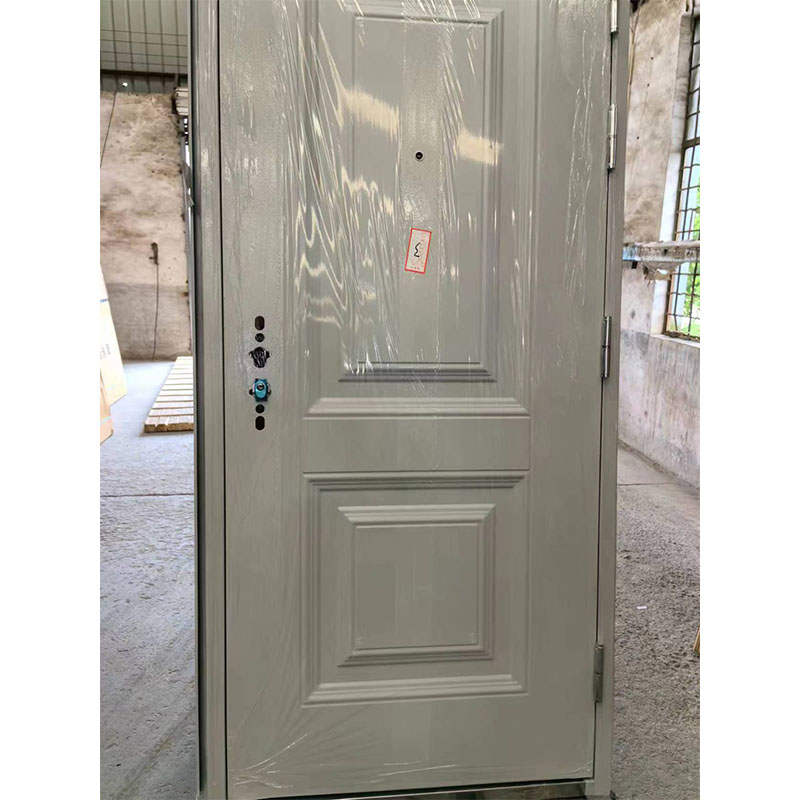
Security is a critical concern for industrial and commercial facilities, and selecting the right protective infrastructure can make a significant difference in safeguarding assets, personnel, and operations. A steel door represents one of the most effective solutions for enhancing security across diverse project types, from manufacturing plants to data centers and government buildings. Understanding the advantages of a steel door in security projects helps facility managers, security directors, and project planners make informed decisions that balance protection, compliance, and operational efficiency. This comprehensive guide explores why a steel door has become the industry standard for high-security applications and how this investment delivers long-term value.
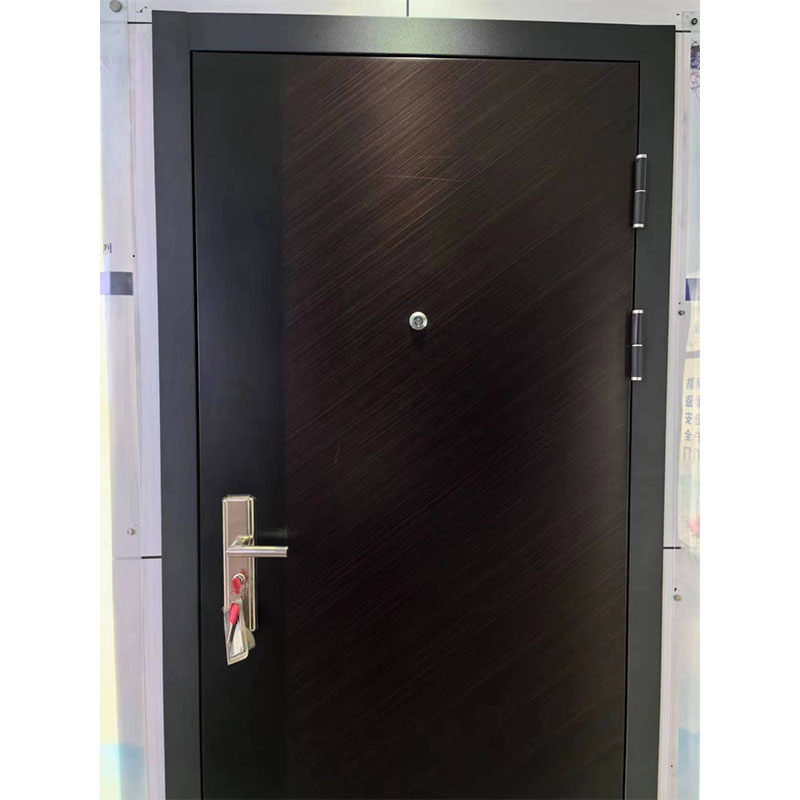
When evaluating security solutions, a steel door outperforms alternative materials in nearly every measurable category: impact resistance, forced-entry protection, fire containment, and long-term durability. The physical properties of steel make it inherently resistant to cutting, prying, and battering, creating a genuine barrier that deters unauthorized access and protects against common attack vectors. Beyond raw security performance, a steel door also simplifies regulatory compliance, reduces maintenance costs, and integrates seamlessly with modern access control systems. For organizations seeking a security investment that provides immediate protection and decades of reliable service, a steel door delivers unmatched value.
Superior Physical Security and Forced-Entry Protection
Resistance Against Impact and Penetration
A steel door provides unparalleled resistance against forced entry, a primary concern in any security project. Unlike wooden or composite doors, a steel door withstands repeated impacts from tools, vehicles, and battering equipment without splintering, buckling, or compromising structural integrity. The material density and hardness of steel make it extremely difficult to cut through using conventional power tools, angle grinders, or cutting torches within practical timeframes. Security professionals consistently specify a steel door for high-threat environments because the material itself acts as a passive deterrent; potential intruders recognize that breaching a steel door requires industrial equipment, professional expertise, and excessive time, making the target unattractive compared to alternative entry points.
Compatibility with Advanced Locking Mechanisms
A steel door frame and solid steel construction accommodate sophisticated locking systems that wooden or lightweight composite doors cannot support. Multi-point locking systems, electromagnetic locks, biometric readers, and card-access mechanisms all require a structural foundation robust enough to resist tampering and provide fail-safe security. A steel door easily integrates these advanced access control technologies, allowing security teams to implement layered authentication, real-time audit trails, and automated lockdown protocols. The weight and rigidity of a steel door also ensure that even when subjected to extreme physical force, the door and frame remain aligned, preventing lock failure or unexpected access during emergency situations.
Fire Containment and Life Safety Compliance
Fire-Rated Performance and Regulatory Standards
Many security projects operate within facilities subject to strict fire codes and life safety regulations, and a steel door satisfies these requirements while maintaining security performance. Fire-rated steel doors are engineered to contain flames, smoke, and toxic gases for specified durations, typically 30, 60, or 120 minutes, depending on the rating and application. This dual functionality means a steel door serves both as a security barrier and a life safety component, eliminating the need to choose between protection and compliance. Building inspectors and insurance underwriters recognize that a properly specified steel door with appropriate fire ratings reduces liability exposure, simplifies certification processes, and ensures occupants have protected evacuation routes during emergencies.
Thermal Stability and Structural Integrity Under Stress
Steel's thermal properties make a steel door exceptionally stable during fire events; the material conducts heat uniformly, preventing localized stress concentrations that might cause catastrophic failure. Unlike doors constructed from materials that warp, melt, or release toxic fumes under extreme temperatures, a steel door maintains dimensional stability and structural integrity, ensuring continued protection for occupants and assets. The ability of a steel door to perform consistently under thermal stress has made it the material of choice for critical infrastructure, hazardous material storage facilities, and emergency response centers where door failure could trigger cascading safety failures.
Durability, Maintenance, and Long-Term Cost Efficiency
Minimal Maintenance Requirements and Corrosion Resistance
A steel door requires significantly less maintenance than wooden alternatives, reducing operational costs and downtime over the security project lifecycle. When properly finished with appropriate coatings or galvanization, a steel door resists corrosion, moisture damage, and environmental degradation across decades of service. Unlike wooden doors that require periodic refinishing, repainting, or replacement due to rot, warping, and pest damage, a steel door maintains its structural performance and aesthetic appearance with minimal intervention. This predictable maintenance profile makes a steel door economically attractive for organizations managing large portfolios of facilities, as budgeting becomes straightforward and unexpected replacement costs diminish substantially.
Extended Serviceable Lifespan and Salvage Value
The expected lifespan of a properly maintained steel door extends far beyond alternative materials, often exceeding 30 to 50 years of continuous service in demanding security applications. This longevity transforms the initial capital investment in a steel door into a long-term asset that appreciates in value relative to its cost per year of service. When security projects require renovation or facility decommissioning, a steel door retains significant salvage and recycled material value, offsetting disposal costs and providing partial recovery of the original investment. Organizations that view security infrastructure as a long-term strategic investment consistently choose a steel door because the total cost of ownership is substantially lower than alternatives when amortized over realistic facility lifecycles.
Customization, Integration, and Operational Flexibility
Design Flexibility and Aesthetic Integration
Modern manufacturing allows a steel door to be customized in dimensions, finishes, and configurations that align with both security requirements and aesthetic facility standards. A steel door can be specified with powder-coated finishes, stainless steel construction for corrosive environments, vision panels for controlled visibility, or integrated pass-through mechanisms for specialized operational workflows. This flexibility means a steel door doesn't require compromise between security performance and architectural integration; facilities can implement protective barriers that blend seamlessly with corporate identity and occupant experience.
Seamless Access Control System Integration
A steel door infrastructure supports modern networked access control systems that enable remote management, automated scheduling, and real-time monitoring of entry points across distributed facilities. The electrical and structural characteristics of a steel door allow installers to integrate card readers, keypads, intercoms, emergency override systems, and audit logging capabilities without compromising the door's protective characteristics. This technological integration transforms a steel door from a passive barrier into an active security intelligence asset, providing facility managers with granular visibility into who accessed which secured areas and when, supporting investigations and compliance audits.
FAQ
Why is a steel door superior to wooden or composite doors in security applications?
A steel door provides superior forced-entry resistance due to its material density, hardness, and structural rigidity, making it extremely difficult to breach using conventional tools or equipment. Wooden and composite doors are vulnerable to splitting, prying, and cutting, offering minimal protection against determined intruders. Additionally, a steel door accommodates advanced locking mechanisms and access control systems that lighter materials cannot reliably support, and it maintains fire-rating performance when properly engineered, providing dual security and life safety benefits that alternative materials struggle to deliver simultaneously.
How does a steel door contribute to regulatory compliance in security projects?
A fire-rated steel door satisfies building codes, life safety regulations, and industry-specific compliance requirements for institutions ranging from healthcare facilities to data centers. A steel door's ability to contain fire and smoke while maintaining structural integrity during emergencies ensures that facilities meet occupancy regulations and insurance requirements. Many jurisdictions specifically mandate steel doors for certain applications, making a steel door compliance investment essential for avoiding violations, liability exposure, and operational shutdowns.
What is the total cost of ownership advantage of a steel door over its lifespan?
A steel door's extended serviceable lifespan, which often reaches 30 to 50 years, combined with minimal maintenance requirements, results in dramatically lower per-year costs compared to wooden or composite alternatives that require frequent repair, refinishing, or replacement. When capital investment is amortized across decades of reliable service, a steel door becomes the most economical security infrastructure choice, delivering consistent protection while reducing both operational and replacement expenses over the long term.