 EN

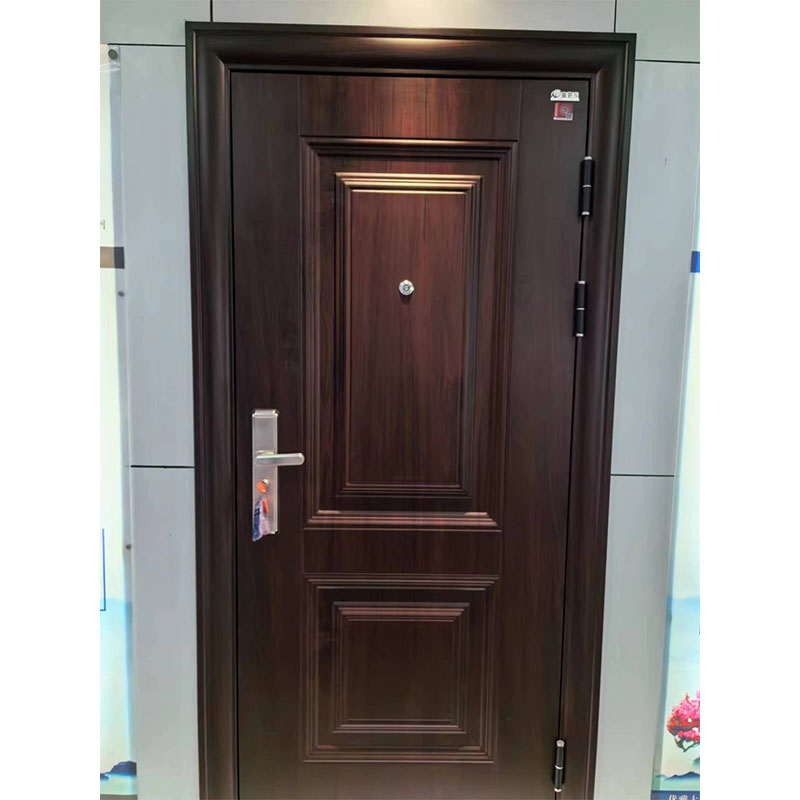
Selecting the right steel door for industrial applications requires a strategic approach that balances security, durability, regulatory compliance, and operational efficiency. Industrial facilities face unique environmental challenges, from heavy foot traffic and mechanical stress to fire hazards and extreme temperatures. The wrong steel door selection can compromise safety, increase maintenance costs, and create productivity bottlenecks. Understanding the essential criteria for evaluating steel door options will help facility managers and procurement professionals make decisions that protect assets, comply with regulations, and deliver long-term value.
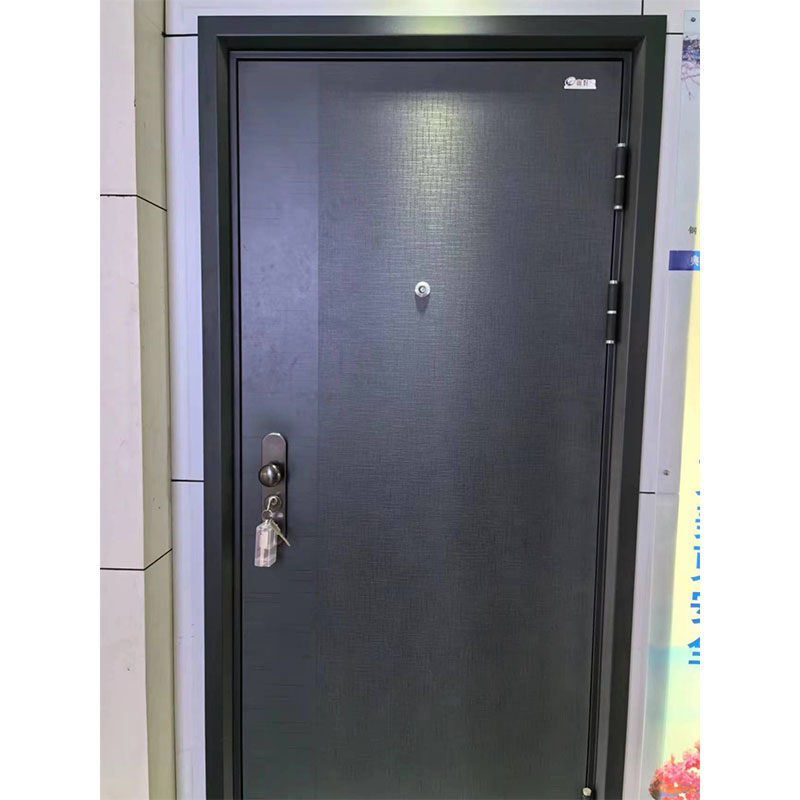
Industrial environments demand steel door solutions that go beyond standard commercial applications. Whether you operate a manufacturing facility, warehouse, laboratory, or processing plant, the steel door you choose must withstand constant use, harsh conditions, and regulatory scrutiny. This guide walks through the key factors that determine whether a steel door is suitable for your specific industrial application, including performance specifications, material standards, safety certifications, and installation considerations.
Understanding Steel Door Performance Requirements
Durability and Material Specifications
A steel door designed for industrial use must meet rigorous durability standards that standard residential or office doors cannot achieve. The gauge of the steel, typically ranging from 18 to 14 gauge for industrial applications, determines the door's resistance to denting, warping, and permanent deformation under repeated impact. Higher-quality steel door products feature reinforced frames, welded construction, and premium hinge systems that support thousands of open-close cycles without degradation. Material composition also matters: industrial-grade steel door construction uses rust-resistant alloys or protective coatings to prevent corrosion in moisture-rich or chemical-intensive environments.
When evaluating a steel door, inspect the thickness of both the face sheet and the frame components. Many industrial applications benefit from a steel door with a minimum thickness of 1.75 inches (44 mm) for the door panel itself. The core material inside the steel door panel—whether polyurethane foam, polystyrene, or mineral wool—affects thermal insulation, sound dampening, and fire resistance. For facilities requiring enhanced insulation or acoustic performance, a steel door with a quality foam core provides superior performance compared to hollow-core alternatives.
Load Capacity and Hardware
Industrial environments often involve moving equipment, hydraulic systems, and mechanical forces that create stress on doorways. A steel door must feature heavy-duty hinges, commercial-grade closers, and locks designed to withstand thousands of cycles without failure. The load capacity of a steel door is typically rated for both static and dynamic stress, with industrial-grade steel door systems supporting weights up to 600 pounds or more. Hardware selection directly impacts the longevity of a steel door installation, so invest in stainless steel or powder-coated hardware that resists corrosion and maintains functionality in demanding environments.
Safety and Regulatory Compliance Factors
Fire Rating and Life Safety Standards
Many industrial facilities must install steel door solutions that meet fire safety ratings mandated by building codes and occupational health regulations. A fire-rated steel door provides a critical barrier that slows the spread of flames and smoke during emergencies, allowing occupants to evacuate safely. Fire ratings for a steel door typically range from 20 minutes to 90 minutes, depending on the specific hazard classification of the area and the jurisdiction's requirements. The fire rating of a steel door is determined by laboratory testing that measures how long the door assembly resists fire penetration and maintains structural integrity under extreme heat.
Industrial facilities in North America must comply with fire codes such as the International Building Code (IBC) and local fire safety regulations. Selecting a steel door that carries third-party certification from recognized testing bodies ensures compliance and protects your facility from liability. The steel door you choose must also include fire-rated hardware, seals, and glazing (if applicable) to maintain the integrity of the entire assembly. Never compromise on fire protection by choosing a non-rated steel door for areas that legally require one.
Security and Access Control Integration
Industrial facilities often require controlled access to sensitive areas, hazardous material storage, or valuable equipment. A steel door provides a robust foundation for security measures including electronic locks, card readers, keypads, and surveillance integration. The strength of a steel door frame and panel makes it resistant to forced entry, which is critical for protecting confidential processes or high-value inventory. When selecting a steel door for security applications, verify that the frame is anchored with security bolts and that the door panel cannot be easily removed or bypassed through conventional attacks.
Application-Specific Considerations
Environmental Resistance and Material Exposure
Different industrial environments create distinct challenges for a steel door. Manufacturing facilities with high humidity, chemical exposure, or temperature fluctuations require a steel door with specialized coatings and core materials. A steel door used in food processing must meet sanitation standards and resist moisture without harboring bacteria or mold. The steel door used in a freezer or cold storage environment must include insulation and specialized seals to prevent condensation and thermal stress on the panel and frame.
Facilities handling corrosive materials need a steel door with epoxy-coated or stainless steel components that resist chemical attack. A steel door in outdoor industrial settings requires weatherproof sealing and protective finishes to prevent rust and deterioration. Laboratory environments may demand a steel door with minimal off-gassing properties or special surface treatments to avoid contamination. Always communicate environmental conditions to the steel door manufacturer to ensure the specified product will perform reliably throughout its intended service life.
Space Constraints and Door Configurations
Industrial facilities often have unique spatial configurations that limit door options. A steel door can be custom-fabricated to fit irregular openings, narrow hallways, or high-traffic corridors where space efficiency is critical. Standard swing configurations may not suit all industrial applications; some facilities benefit from a steel door with sliding mechanisms, pocket door installations, or impact-resistant traffic doors that enable rapid passage. When space is constrained, a steel door with a narrow frame profile and minimal projection into the room maximizes usable floor area while maintaining security and fire safety.
FAQ
What fire rating should a steel door have for an industrial warehouse?
The required fire rating for a steel door in a warehouse depends on the building's classification, occupancy type, and local fire code requirements. Most industrial warehouses require a steel door with at least a 20-minute fire rating at critical exits and between hazardous storage areas and occupied spaces. High-hazard industrial facilities may require a steel door with a 60 or 90-minute fire rating for maximum protection. Consult your local building department and fire marshal to determine the specific fire rating required for a steel door in your facility.
Can a standard steel door be used outdoors in an industrial setting?
A standard indoor steel door is not suitable for outdoor industrial use without protective modifications. Outdoor applications require a steel door with specialized weatherproof seals, corrosion-resistant coatings, stainless steel hardware, and an appropriate frame material that resists rust and degradation. A steel door designed for outdoor industrial use typically includes vinyl gaskets, epoxy powder coating, and elevated drainage systems to manage water intrusion. If your facility requires outdoor steel door access, ensure the specified product is engineered for exterior exposure and carries appropriate warranties.
How often should a steel door be maintained in an industrial facility?
Maintenance frequency for a steel door depends on the environment and usage intensity. Most industrial facilities benefit from quarterly inspections that check the steel door frame for alignment, verify hardware function, and assess the condition of seals and finishes. High-traffic areas may require more frequent checks to ensure proper operation and safety compliance. A steel door in corrosive or humid environments should be inspected monthly and treated with protective coatings as needed. Regular maintenance extends the lifespan of a steel door and prevents costly emergency repairs or safety failures.