 EN

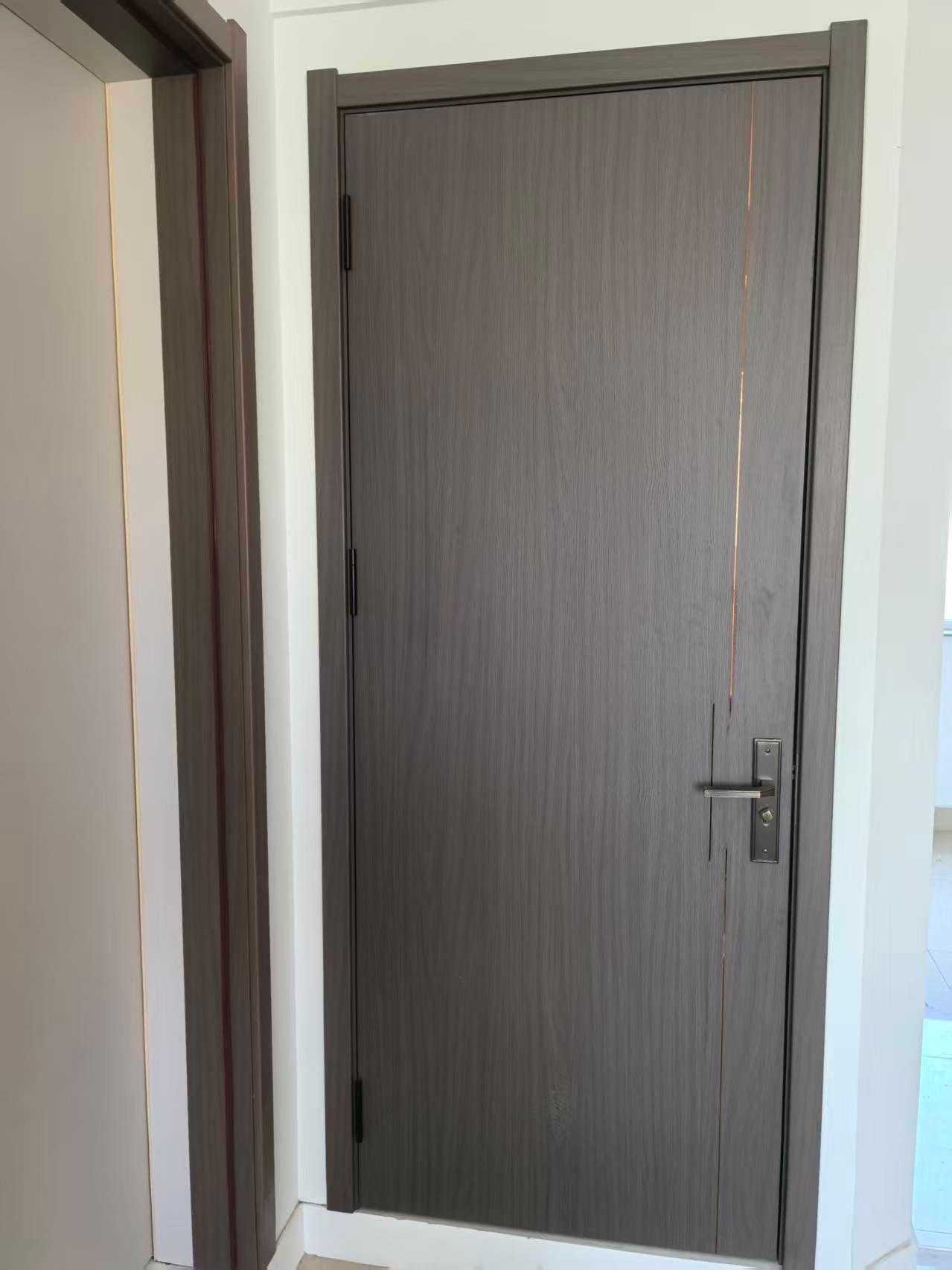
Selecting the right wood door for your space is a critical decision that affects security, aesthetics, energy efficiency, and long-term property value. Whether you are designing a residential home or managing a commercial facility, understanding the different wood door options available helps you make an informed choice that aligns with your functional requirements and design vision. A quality wood door serves as both a protective barrier and a design statement, making it essential to evaluate wood door types carefully before installation.
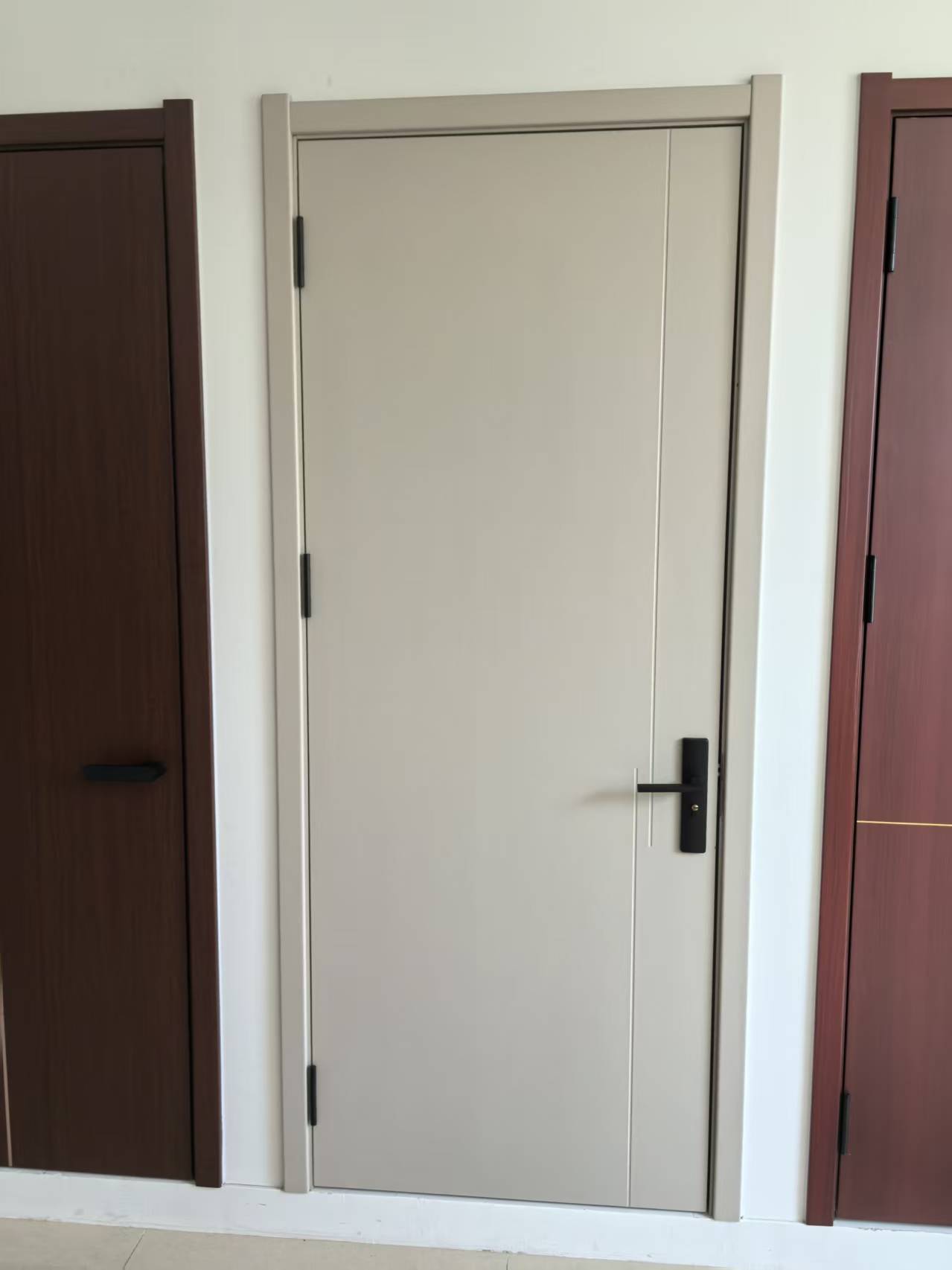
The wood door market offers numerous styles, constructions, and material compositions designed to meet specific performance standards and aesthetic preferences. From solid wood doors to engineered wood door solutions, each wood door type presents distinct advantages and considerations for different applications. Understanding how each wood door category performs in residential versus commercial environments enables property managers, architects, and homeowners to select wood door solutions that deliver durability, functionality, and visual appeal while remaining within budget constraints.
Residential Wood Door Options and Applications
Entry-Level and Interior Wood Door Solutions
Residential properties typically utilize wood door types that balance affordability, aesthetic charm, and moderate security performance. Interior wood door options, including traditional six-panel wood door designs and modern slab-style wood door configurations, focus primarily on space division and visual harmony rather than heavy-duty security demands. These wood door types are engineered to withstand normal household traffic patterns while complementing interior décor schemes. Exterior residential wood door applications require higher performance standards, as an external wood door must resist weather exposure, potential break-in attempts, and seasonal temperature fluctuations. Many homeowners choose solid wood door constructions for main entrances, appreciating the natural warmth and perceived quality that a premium wood door provides to first impressions.
Premium and Custom Residential Wood Door Systems
High-end residential properties often feature custom wood door installations that showcase craftsmanship and architectural distinction. These wood door types frequently incorporate solid hardwoods like oak, mahogany, or walnut, with hand-crafted details that elevate the entire home's aesthetic value. Custom wood door designs can include beveled glass panels, intricate hardware, and specialty finishes that reflect the homeowner's personal style. An entrance wood door in this category transforms from a functional necessity into a design centerpiece. Security-focused residential wood door systems for premium homes may include reinforced frames, multi-point locking mechanisms, and impact-resistant glass to protect high-value properties. These wood door solutions represent an investment in both durability and curb appeal.
Commercial Wood Door Standards and Performance Requirements
Commercial Security and Durability Specifications
Commercial wood door applications demand significantly higher performance standards than residential counterparts. A commercial wood door must endure constant daily use, frequent cycling, and potential security threats while maintaining aesthetic consistency across office complexes, retail environments, and institutional buildings. Commercial wood door types are typically engineered to meet fire safety codes, accessibility standards, and enhanced security specifications that residential wood door products do not require. Many commercial facilities standardize on specific wood door configurations to simplify maintenance, replacement, and emergency protocols. The durability requirements of a commercial wood door mean selection often prioritizes long-term cost-effectiveness and minimal downtime over individual customization options that appeal to homeowners selecting a residential wood door.
Specialized Commercial Wood Door Applications
Certain commercial environments require specialized wood door types designed for specific operational challenges. Hospital facilities, government buildings, and financial institutions demand wood door solutions featuring enhanced security, sound dampening, and controlled access capabilities. A wood door serving a commercial bank entrance operates under entirely different performance criteria than a wood door in a casual office setting. Retail storefronts often showcase wood door designs that balance visual appeal with durability, as these entrance wood door installations directly influence customer perception and brand messaging. Hospitality venues select commercial wood door systems that project quality while withstanding intensive daily use and frequent maintenance cycles. Industrial facilities may require wood door types with specialized protective coatings to resist chemical exposure or extreme temperature variations common in manufacturing environments.
Material Composition and Construction Differences
Solid Wood Door Construction versus Engineered Alternatives
Solid wood door construction involves using substantial hardwood or softwood lumber throughout the door panel, offering superior aesthetics, natural grain patterns, and exceptional durability when properly maintained. A solid wood door typically features better sound insulation properties and develops a rich patina over time that many property owners appreciate. However, solid wood door performance depends significantly on climate control and maintenance; doors crafted from wood require protective finishes and periodic refinishing to combat moisture absorption and UV degradation. Engineered wood door solutions combine wood veneers or hardwood frames with composite or plywood cores, delivering improved dimensional stability and resistance to warping. An engineered wood door often performs better in humid climates than solid wood door alternatives while maintaining visual authenticity. Commercial installations frequently favor engineered wood door systems because they provide consistency and predictable performance across large projects involving multiple units.
Hardware, Glazing, and Finishing Integration
A complete wood door system includes not only the door panel but also hardware components, glazing options, and protective finishes that determine overall performance and appearance. Premium wood door installations integrate high-quality hinges, locks, and handles that complement the wood door's aesthetic while ensuring smooth operation. Glazed wood door designs featuring glass panels allow light transmission while reducing the visual weight of solid wood door construction. The finish applied to a wood door—whether stain, paint, or specialty coating—protects the underlying material while establishing the color palette and style. Contemporary wood door trends emphasize durable finishes that minimize maintenance requirements compared to traditional wood door care protocols. Selecting appropriate hardware and finishes for your residential wood door or commercial wood door investment ensures the system performs reliably while maintaining visual appeal throughout its service life.
FAQ
What factors should I consider when selecting a wood door for a residential entrance?
When choosing a residential wood door, evaluate security features, weather resistance, energy efficiency, aesthetic compatibility with your home's architecture, and maintenance requirements. Consider whether a solid wood door suits your climate, or if an engineered wood door would provide better dimensional stability. Assess the glazing options available, hardware quality, and finish durability. A residential wood door represents a significant investment, so prioritize long-term performance alongside initial cost. Consulting with a door specialist helps ensure your wood door selection meets both functional requirements and design preferences for your specific property.
How do commercial wood door systems differ from residential wood door products?
Commercial wood door systems must meet stricter building codes, fire safety standards, and accessibility requirements that residential wood door products typically do not address. A commercial wood door generally requires heavier-duty construction, reinforced frames, and enhanced security features to withstand intensive daily use. Commercial wood door specifications prioritize consistency, predictable maintenance schedules, and long-term cost-effectiveness across multiple units. Residential wood door selections emphasize customization, aesthetic distinctiveness, and personal style expression. Most commercial wood door installations standardize on engineered wood door construction for reliability, while residential wood door buyers often prefer solid wood door options for their visual warmth and traditional appeal.
What maintenance does a wood door require to ensure longevity?
A wood door requires regular protective finish application to prevent moisture absorption and UV degradation, typically involving refinishing every three to five years depending on climate exposure. Inspect your wood door periodically for signs of warping, finish deterioration, or hardware loosening, addressing issues promptly to prevent compound damage. Solid wood door finishes benefit from periodic sealing and stain reapplication, while engineered wood door systems usually require less intensive maintenance due to improved dimensional stability. Clean your wood door regularly with appropriate wood-safe products and ensure proper drainage around the door frame to prevent water damage. Commercial wood door systems often incorporate low-maintenance finishes designed to withstand high-traffic conditions while requiring minimal refinishing. Consistent wood door maintenance preserves both aesthetic appeal and functional performance throughout the door's operational lifespan.