 EN
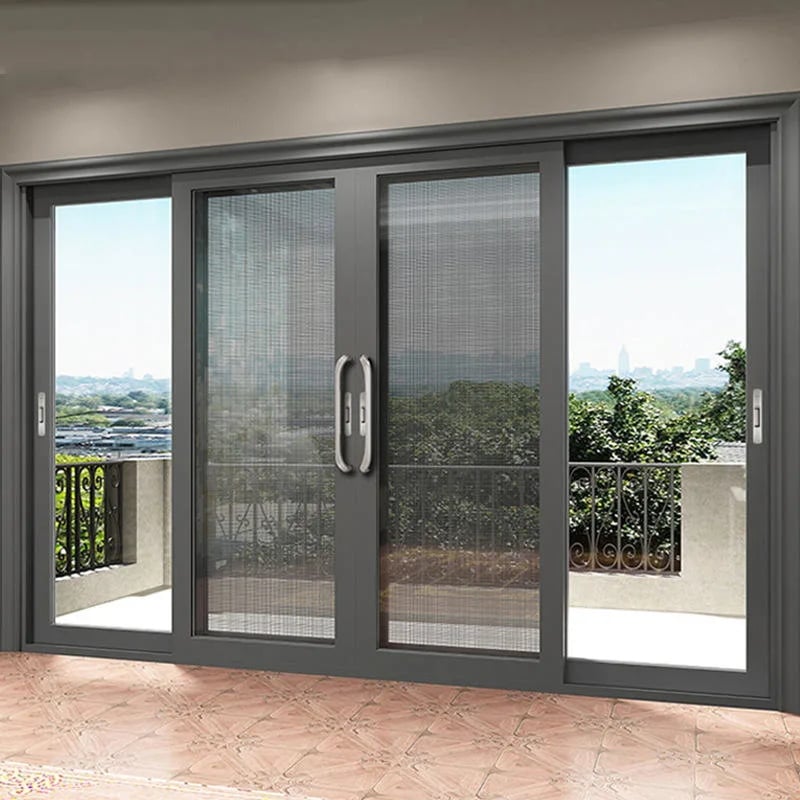
Choosing the right sliding door supplier is a critical decision that directly impacts the quality, durability, and performance of your installation project. Whether you are planning a residential renovation or a large-scale commercial building entrance, the supplier you select will influence material specifications, installation support, warranty coverage, and long-term maintenance costs. Understanding the key evaluation criteria helps you identify suppliers who can deliver consistent quality, meet your technical requirements, and provide reliable ongoing support.

The process of selecting a sliding door supplier requires careful evaluation of multiple dimensions beyond just price. Reputable suppliers bring expertise in material science, manufacturing standards, regulatory compliance, and customer service. By establishing clear selection criteria upfront, you reduce the risk of project delays, quality issues, and cost overruns. This guide walks you through the essential factors that should influence your sliding door supplier decision, ensuring you partner with a provider whose capabilities align with your specific project needs and long-term performance expectations.
Material Quality and Manufacturing Standards
Aluminum Composition and Frame Durability
The material composition of a sliding door directly determines its lifespan, resistance to corrosion, and structural integrity. Quality sliding door suppliers source high-grade aluminum alloys that meet international standards such as ISO 6063 or equivalent certifications. The thickness of the aluminum profile, thermal treatment process, and surface finishing all contribute to how well the sliding door will perform in different climate conditions. A reliable supplier will provide detailed specifications on alloy composition, hardness ratings, and corrosion resistance test results, helping you understand exactly what material quality you are purchasing for your sliding door installation.
Glass and Insulation Performance
Modern sliding door systems incorporate advanced glazing options that impact energy efficiency, sound insulation, and safety. Leading sliding door suppliers offer double-glass or triple-glass configurations with low-emissivity coatings, inert gas fills, and structural glazing techniques. These features reduce heat loss, lower energy consumption, and improve noise reduction compared to basic single-pane designs. When evaluating a sliding door supplier, request specifications on U-values, solar heat gain coefficients, and Sound Transmission Class ratings to confirm the glazing system meets your performance standards and building code requirements.
Certifications, Compliance, and Technical Standards
International and Regional Certifications
Reputable sliding door suppliers maintain certifications from recognized bodies such as CE marking in Europe, NFRC ratings in North America, or equivalent national standards. These certifications verify that the sliding door manufacturer has undergone rigorous testing for air leakage, water tightness, structural strength, and thermal performance. A compliant sliding door supplier demonstrates commitment to consistent quality control, regular factory inspections, and adherence to safety protocols. Requesting certificates before purchasing ensures that your sliding door meets all applicable regulations for your market, reduces liability risks, and provides documentation that supports warranty claims if needed.
Building Code and Performance Testing
Every sliding door supplier should maintain test reports demonstrating compliance with local building codes, fire safety standards, and accessibility requirements such as ADA compliance for commercial applications. The sliding door must be tested for forced entry resistance, emergency egress functionality, and load-bearing capacity to support safety requirements. Professional suppliers provide test documentation upon request and can explain how their sliding door design addresses specific code provisions in your region. This transparency helps you confirm that the selected sliding door product is legally compliant and suitable for your intended application without costly project delays or corrections.
Supplier Reliability and Customer Support
Production Capacity and Lead Times
A dependable sliding door supplier maintains adequate production capacity to meet project timelines without compromising quality. During your evaluation, discuss typical lead times for custom sliding door orders, inventory availability for standard configurations, and procedures for expedited delivery if needed. Experienced sliding door suppliers have transparent communication about production schedules and can provide realistic delivery dates that align with your construction timeline. Understanding their capacity constraints and flexibility helps you plan installation schedules effectively and avoid project delays that could increase costs or disrupt occupancy timelines.
Technical Expertise and Installation Support
Quality sliding door suppliers invest in customer education and on-site support services. This includes providing detailed installation guides, CAD drawings, and specification sheets for your sliding door project, as well as answering technical questions about customization, material options, and performance features. Many professional sliding door suppliers offer training for contractors, field support during installation, and troubleshooting assistance if issues arise. This level of expertise reduces installation errors, ensures your sliding door is properly configured for your specific building design, and builds a long-term partnership that supports future maintenance or expansion needs.
Warranty Coverage and After-Sales Service
Comprehensive Warranty Terms
A strong warranty from a sliding door supplier provides protection against manufacturing defects, material degradation, and hardware failures. Industry-standard sliding door warranties typically cover 10 to 25 years, depending on the component and the supplier's confidence in durability. Examine the specific terms carefully—note what is covered, exclusions, claim procedures, and whether coverage extends to labor costs or only material replacement. Reputable sliding door suppliers clearly document warranty terms in writing and stand behind their product quality with realistic, enforceable guarantees that reflect the expected lifespan of the sliding door system.
Maintenance and Repair Services
Long-term satisfaction with your sliding door depends on available maintenance and repair services after installation. Established sliding door suppliers maintain service networks or partnerships with qualified technicians who can perform periodic maintenance, seal replacements, hardware adjustments, and repairs if needed. Understanding the availability and cost of these services helps you budget for lifecycle management of your sliding door investment. Some sliding door suppliers offer preventive maintenance plans that extend product life and reduce unexpected failures. This after-sales commitment distinguishes suppliers who view relationships as ongoing partnerships rather than one-time transactions.
Pricing Transparency and Value Assessment
Detailed Cost Breakdown
Professional sliding door suppliers provide itemized pricing that separates material costs, customization fees, installation support, and warranty components. This transparency enables you to compare offers fairly across different sliding door suppliers and understand exactly what you are paying for. Avoid suppliers who quote vague lump-sum prices without specification details, as this often masks quality variations or hidden costs that emerge later. A credible sliding door supplier can justify pricing based on material specifications, performance features, certification costs, and service provisions, helping you make an informed financial decision.
Total Cost of Ownership
The lowest initial price for a sliding door does not always represent the best value. Consider the total cost of ownership, including energy efficiency gains, maintenance requirements, warranty coverage, and expected lifespan. A higher-priced sliding door from a reputable supplier might offer superior insulation, lower operating costs, and fewer repairs over 20 years compared to a cheaper option with poor thermal performance and limited support. Evaluating lifecycle costs rather than just purchase price helps you identify the sliding door supplier offering genuine value and the strongest return on investment for your specific application.
FAQ
What are the most common material options for sliding door systems?
Most sliding door suppliers offer aluminum, vinyl, or composite frame options. Aluminum sliding door systems are lightweight, durable, and recyclable, making them popular for both residential and commercial applications. Vinyl sliding door products offer good insulation but less design flexibility, while composite options combine advantages of both materials. The choice depends on your climate zone, aesthetic preferences, performance requirements, and budget. Quality sliding door suppliers can recommend the optimal material based on your specific project conditions and long-term performance goals.
How should I evaluate the energy efficiency of a sliding door product?
Energy efficiency in a sliding door is measured by the U-value, which indicates how well the sliding door resists heat transfer. Lower U-values indicate better insulation performance. Reliable sliding door suppliers provide NFRC ratings or equivalent certifications that specify U-value, solar heat gain coefficient, and visible transmittance. Compare these metrics across sliding door options to identify products that deliver the energy performance your building requires. Additionally, ask whether your sliding door features thermal breaks, low-emissivity glass, and argon gas fills—all contributing factors to superior sliding door insulation.
What warranty and support should I expect from a professional sliding door supplier?
Established sliding door suppliers typically offer 10 to 25-year warranties covering manufacturing defects, material degradation, and hardware function. A comprehensive warranty should specify what components are covered, applicable exclusions, how to file claims, and whether labor is included. Beyond warranty, quality sliding door suppliers provide installation guidance, maintenance recommendations, and access to repair services. Some suppliers offer extended maintenance plans or performance guarantees. Before committing to a sliding door purchase, request warranty documentation and confirm that the supplier has a serviceable network to support your sliding door throughout its operational life.