 EN
EN

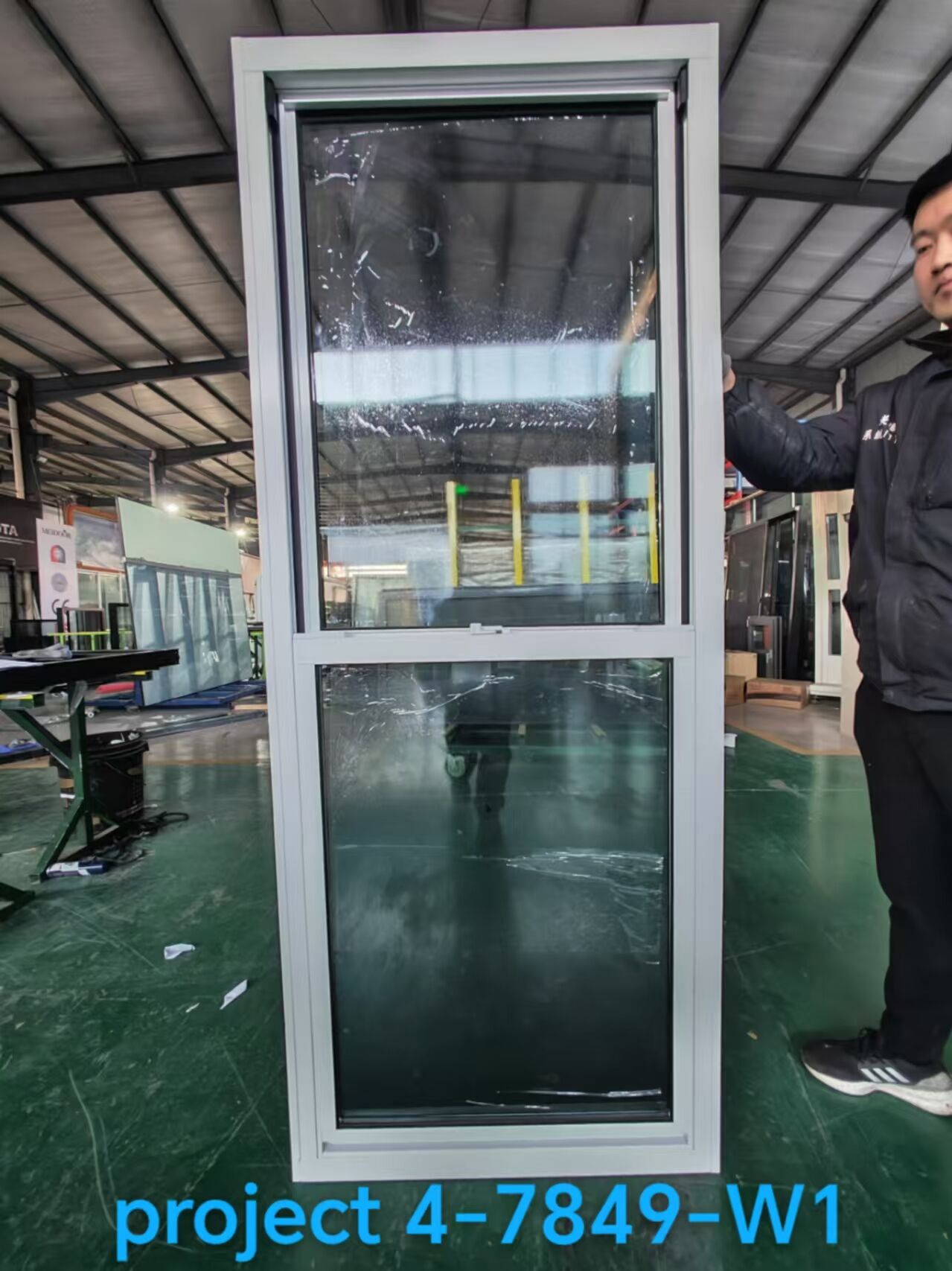
Large commercial buildings, high-rise structures, and institutional facilities face unique architectural and performance challenges that demand window systems capable of balancing structural integrity, energy efficiency, aesthetic flexibility, and long-term durability. Among the various framing materials available in the construction industry, aluminum window frames have emerged as the dominant choice for large-scale building projects. Their combination of strength-to-weight ratio, design versatility, weather resistance, and lifecycle cost advantages makes them particularly suited for applications where performance and reliability cannot be compromised. Understanding the specific benefits of aluminum window systems in large building contexts enables architects, developers, and facility managers to make informed decisions that align with both immediate construction needs and long-term operational goals.
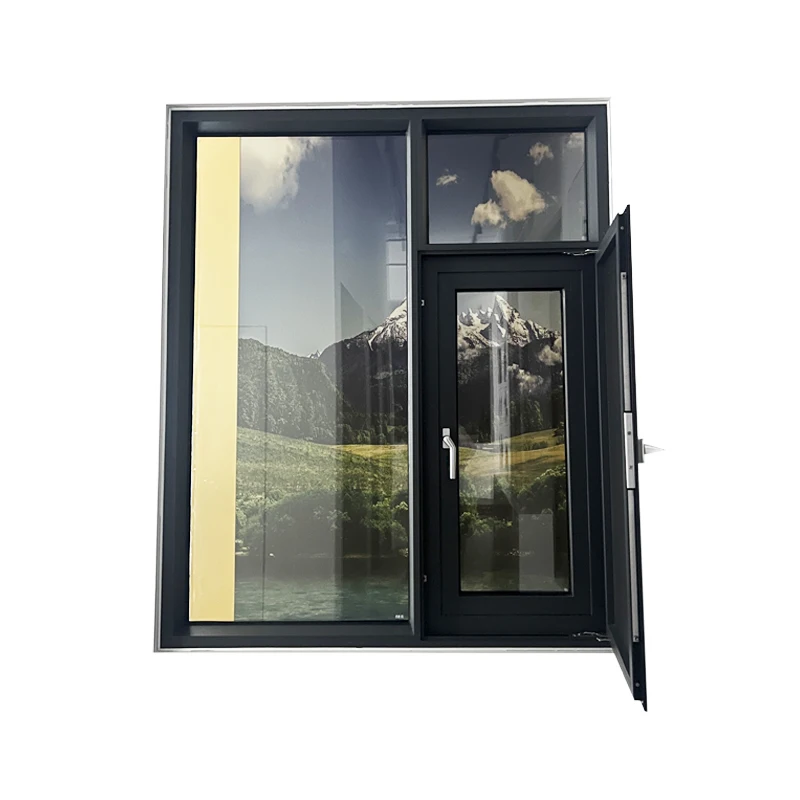
The selection of window framing materials for large buildings involves careful consideration of multiple technical, economic, and environmental factors. Large building envelopes typically feature extensive glazed areas that must withstand significant structural loads, thermal cycling, wind pressures, and environmental exposure while maintaining operational performance over decades. Aluminum window frames offer distinct advantages in these demanding applications, from their exceptional strength characteristics that enable spanning larger openings to their minimal maintenance requirements that reduce lifecycle costs. This comprehensive examination explores the specific benefits that make aluminum the preferred framing material for large building applications, addressing structural performance, thermal management, design flexibility, durability, sustainability, and economic considerations that collectively define their value proposition in contemporary architectural practice.
Structural Performance and Load-Bearing Advantages
Superior Strength-to-Weight Ratio for Large Openings
The structural demands of large buildings require window systems capable of supporting substantial glass areas while minimizing frame profiles that could obstruct views or compromise aesthetic intentions. Aluminum window frames deliver exceptional strength relative to their weight, a property that becomes increasingly valuable as window sizes increase. The material's high tensile strength allows designers to specify slender frame profiles that can still support heavy glazing units, including multi-pane insulated glass assemblies with low-emissivity coatings and gas fills. This strength characteristic enables the creation of floor-to-ceiling glazing, curtain wall systems, and expansive window walls that define modern commercial architecture while maintaining structural integrity under design loads including wind pressure, seismic forces, and thermal expansion.
In high-rise applications where wind loads increase with elevation, the structural capacity of aluminum window systems becomes particularly critical. Engineered aluminum extrusions can be designed with reinforced sections and optimized geometries that resist deflection and maintain weathertight seals even under extreme pressure differentials. The material's predictable mechanical properties allow structural engineers to calculate precise load capacities and safety factors, ensuring code compliance and occupant safety. For large buildings with complex facade geometries or curved surfaces, aluminum's formability combined with its strength enables the fabrication of custom profiles that meet both aesthetic and structural requirements without excessive material thickness or weight that would complicate installation and increase structural loads on the building frame.
Dimensional Stability Across Temperature Variations
Large buildings experience significant temperature variations across their facades, particularly in structures with extensive solar exposure or those located in climates with wide daily or seasonal temperature swings. Aluminum window frames maintain dimensional stability across these thermal cycles, resisting warping, twisting, or permanent deformation that could compromise window operation or weathersealing. While aluminum does have a relatively high coefficient of thermal expansion, proper engineering with expansion joints, thermal breaks, and appropriate glazing clearances accommodates this movement without creating operational problems. This dimensional predictability ensures that operable windows continue to function smoothly throughout the building's lifespan, maintaining proper alignment between sashes and frames that is essential for weathertightness and security.
The material's resistance to moisture-induced dimensional changes provides additional advantages in large building applications where consistent performance is essential. Unlike wood-based materials that can swell, shrink, or warp with humidity variations, or vinyl systems that can exhibit creep under sustained loads, aluminum window profiles maintain their engineered dimensions regardless of moisture exposure. This stability is particularly valuable in buildings with controlled interior environments where consistent window performance supports HVAC efficiency and occupant comfort. The predictable behavior of aluminum frames also simplifies the integration of window systems with other building envelope components, ensuring that interface details between windows and adjacent cladding, waterproofing membranes, and structural elements remain intact and functional throughout seasonal cycles and long-term building movement.
Thermal Performance and Energy Efficiency Benefits
Advanced Thermal Break Technology for Reduced Heat Transfer
Energy efficiency represents a primary concern in large building design, where extensive glazed areas can significantly impact heating and cooling loads. Modern aluminum window systems incorporate sophisticated thermal break technology that dramatically reduces heat transfer through the frame, addressing aluminum's inherent thermal conductivity. These thermal breaks consist of low-conductivity polymer materials inserted between interior and exterior aluminum sections during the extrusion process, creating a thermal barrier that interrupts the conductive path. The resulting thermally improved aluminum window frames can achieve U-factors competitive with other framing materials while retaining aluminum's structural and durability advantages, making them suitable for buildings pursuing high-performance energy standards including LEED, Passive House, or net-zero energy targets.
The effectiveness of thermal break systems in aluminum window frames has improved substantially through materials science advances and manufacturing precision. Contemporary polyamide thermal breaks feature optimized geometries with increased depth and width that maximize thermal resistance while maintaining structural continuity between frame sections. Some advanced systems incorporate aerogel insulation or foam-filled cavities within the thermal break zone to further reduce heat transfer. For large buildings where window area constitutes a significant portion of the building envelope, these thermal performance improvements translate directly into reduced energy consumption, smaller HVAC equipment requirements, and lower operational costs over the building's lifespan. The combination of thermally broken aluminum frames with high-performance glazing creates window assemblies capable of meeting stringent energy codes while supporting architectural transparency and natural daylighting strategies.
Condensation Resistance and Interior Comfort
Condensation on interior window surfaces presents both comfort and building durability concerns in large commercial structures, particularly in spaces with high occupancy or specific humidity requirements. Aluminum window systems with properly engineered thermal breaks significantly reduce condensation risk by elevating interior surface temperatures above the dew point under typical winter conditions. This condensation resistance is quantified through Condensation Resistance Factor ratings, with thermally improved aluminum systems achieving CRF values that meet or exceed performance requirements for most climate zones and building types. The elimination of persistent condensation prevents moisture damage to interior finishes, reduces mold growth risk, and improves occupant comfort by eliminating cold drafts and surface temperatures that can create discomfort even when air temperatures are within acceptable ranges.
In large buildings with sophisticated HVAC systems and building automation controls, the thermal performance consistency of aluminum window frames supports precise environmental management. The predictable thermal characteristics of engineered aluminum systems enable accurate energy modeling during design phases, allowing mechanical engineers to right-size equipment and optimize control strategies. During operation, the stable thermal performance of aluminum windows ensures that actual building energy consumption aligns with modeled predictions, validating design assumptions and supporting commissioning processes. For buildings with specific temperature or humidity requirements such as laboratories, healthcare facilities, or museums, the reliable thermal performance of aluminum window systems contributes to the overall envelope integrity necessary for maintaining critical environmental conditions while minimizing energy expenditure.
Design Flexibility and Aesthetic Advantages
Extensive Color and Finish Options
Architectural expression and brand identity considerations make aesthetic flexibility a significant benefit of aluminum window systems in large building applications. The material accepts a wide range of finishing processes that deliver both protective and decorative functions, from anodizing that produces durable, low-maintenance surfaces in metallic tones to powder coating that enables virtually unlimited color options including custom matches to corporate or design palettes. These finishing systems provide superior UV resistance and color stability compared to factory-applied paints on other materials, ensuring that the building's appearance remains consistent throughout its service life without the fading, chalking, or discoloration that can occur with less durable finishing systems.
The ability to specify different finishes on interior and exterior aluminum surfaces provides additional design flexibility for large buildings with distinct interior and exterior aesthetic intentions. Dual-color aluminum window systems can feature a metallic bronze anodized exterior that complements masonry or stone cladding while presenting a bright white powder-coated interior that integrates with interior finishes and maximizes daylight reflection. Advanced finishing techniques including wood-grain textured coatings allow aluminum windows to replicate the appearance of natural materials while delivering aluminum's performance advantages, satisfying aesthetic preferences without compromising durability or maintenance requirements. For buildings with multiple window types or sizes, the finish consistency achievable with aluminum systems ensures visual coherence across the facade, supporting unified architectural expression even when window configurations vary by floor or building elevation.
Slender Sightlines and Glazing Maximization
Contemporary architectural trends favor transparency, daylight access, and visual connections between interior and exterior environments, driving demand for window systems with minimal frame visibility. The structural efficiency of aluminum window profiles enables remarkably slender sightlines compared to other framing materials that require greater section depths to achieve equivalent strength. This sightline reduction maximizes glazed area within any given opening dimension, increasing daylight transmission, enhancing views, and creating the appearance of greater openness that defines modern commercial interiors. For large buildings where numerous identical windows create significant visual impact, the narrow frame profiles of aluminum systems contribute to a refined, sophisticated facade appearance while supporting daylighting strategies that reduce artificial lighting energy consumption and improve occupant wellbeing.
The sightline advantages of aluminum window systems become particularly apparent in applications requiring large glass panels or complex glazing configurations. Fixed windows with structural glazing techniques can eliminate visible exterior frame members entirely, creating seamless glass surfaces that emphasize transparency and material purity. Operable aluminum window units maintain narrow frame profiles even while incorporating hardware, weathersealing, and operating mechanisms, ensuring visual consistency between fixed and operable elements within a facade composition. This design flexibility allows architects to specify extensive glazing without the visual heaviness that can result from bulkier framing systems, supporting design intentions while meeting performance requirements for structural adequacy, weather resistance, and thermal performance that large building applications demand.
Durability and Lifecycle Cost Advantages
Corrosion Resistance in Harsh Environments
Large buildings often face aggressive environmental exposure including coastal salt spray, urban pollution, industrial emissions, and intense solar radiation that can degrade building materials over time. Aluminum window frames demonstrate exceptional corrosion resistance through the formation of a naturally occurring aluminum oxide layer that protects the underlying material from further oxidation. This passive protection system is enhanced through anodizing processes that artificially thicken the oxide layer, creating a barrier that resists environmental attack while providing decorative color options. For buildings in coastal environments where salt-laden air accelerates corrosion of ferrous metals, or in industrial areas where atmospheric pollutants create acidic conditions, properly finished aluminum window systems maintain structural integrity and appearance for decades without the rust, corrosion, or material degradation that can compromise alternative materials.
The material's inherent corrosion resistance translates directly into reduced maintenance requirements and extended service life, delivering significant lifecycle cost advantages in large building applications where window replacement would involve substantial expense and operational disruption. Unlike steel windows requiring periodic refinishing to prevent rust, or wood systems needing regular painting to prevent moisture damage and decay, aluminum window frames retain their structural and aesthetic properties with minimal intervention beyond routine cleaning. This durability is particularly valuable in high-rise buildings where facade access requires expensive scaffolding or swing-stage equipment, making maintenance operations costly and logistically complex. The long-term performance reliability of aluminum windows reduces the frequency of these interventions while ensuring that the building envelope continues to protect interior spaces and support energy efficiency throughout the structure's intended lifespan.
Minimal Maintenance Requirements
Building operations budgets in large commercial facilities must account for ongoing maintenance costs that can significantly impact overall occupancy expenses over time. Aluminum window systems require substantially less maintenance than alternative materials, as the frames do not need periodic painting, sealing, or protective treatments to maintain functionality and appearance. Routine maintenance consists primarily of cleaning exterior and interior surfaces to remove accumulated dirt and atmospheric deposits, lubricating moving hardware components, and inspecting weathersealing to ensure continued performance. These simple maintenance tasks can typically be performed by general building maintenance staff without specialized skills or expensive materials, reducing both direct maintenance costs and the administrative burden of scheduling and overseeing specialized trades.
The maintenance advantage of aluminum window frames compounds over the multi-decade lifespan typical of large commercial buildings. While initial installation costs for aluminum systems may be comparable to or slightly higher than some alternative materials, the absence of recurring refinishing, repair, or premature replacement expenses creates a favorable total cost of ownership calculation. For building owners and asset managers evaluating long-term investment returns, the predictable low-maintenance performance of aluminum windows reduces uncertainty in lifecycle cost projections and minimizes the risk of unexpected capital expenditures for premature window system replacement. This financial predictability is particularly valuable for institutional buildings, investment properties, and facilities with constrained maintenance budgets where unplanned expenses can create significant operational challenges or defer other necessary building improvements.
Sustainability and Environmental Considerations
Recyclability and Circular Economy Integration
Sustainability considerations increasingly influence material selection decisions in large building projects, with building owners, developers, and design teams evaluating the environmental impacts of construction materials across their entire lifecycle. Aluminum window frames offer exceptional sustainability credentials through the material's infinite recyclability without quality degradation, allowing end-of-life window systems to be reprocessed into new aluminum products rather than contributing to landfill waste. The recycling process for aluminum requires only approximately five percent of the energy needed to produce primary aluminum from bauxite ore, creating significant environmental benefits when post-consumer aluminum is diverted from waste streams and returned to manufacturing supply chains. This recyclability supports circular economy principles increasingly emphasized in green building rating systems and corporate sustainability commitments.
The aluminum industry has developed sophisticated collection and recycling infrastructure that facilitates the recovery of aluminum window frames at building end-of-life or renovation. Unlike composite materials or assemblies with dissimilar components that complicate recycling, aluminum window extrusions can be readily separated from glazing and hardware, then sorted and processed through established recycling channels. For large buildings pursuing LEED certification or other sustainability credentials, the specification of aluminum windows contributes to Materials and Resources credits related to recycled content, regional materials sourcing, and construction waste management. The material's recycling track record and established recovery systems provide assurance that environmental benefits will actually be realized rather than remaining theoretical possibilities dependent on uncertain future recycling infrastructure development.
Operational Energy Savings and Carbon Footprint Reduction
While embodied energy in building materials receives increasing attention in sustainability assessments, operational energy consumption typically represents the dominant portion of a building's lifecycle environmental impact. The energy performance capabilities of thermally improved aluminum window systems directly reduce heating and cooling energy requirements in large buildings, decreasing both operational costs and greenhouse gas emissions associated with fossil fuel combustion for energy generation. For buildings in heating-dominated climates, the high solar heat gain potential of aluminum windows with appropriate glazing selections can provide passive solar heating that reduces winter energy consumption, while in cooling-dominated climates, thermally broken frames combined with low-solar-gain glazing minimize cooling loads and peak demand charges that drive utility costs in commercial buildings.
The durability and longevity of aluminum window systems contribute additional sustainability benefits by avoiding the environmental impacts associated with premature replacement of failed or deteriorated window components. Each avoided replacement cycle eliminates the embodied energy and material extraction impacts of manufacturing new windows, the transportation emissions from delivery logistics, the installation labor and associated energy consumption, and the disposal impacts of removed materials. For large buildings where window replacement involves substantial material quantities and complex logistics, the extended service life of aluminum windows translates into meaningful environmental benefit over multiple decades of building operation. This longevity, combined with operational energy efficiency and end-of-life recyclability, positions aluminum window systems favorably in comprehensive lifecycle environmental assessments that consider all phases of material use from extraction through disposal or recycling.
FAQ
How do aluminum window frames compare to vinyl for large commercial buildings?
Aluminum window frames offer superior structural strength compared to vinyl, making them better suited for the large openings and multi-story heights common in commercial buildings. While vinyl may have slightly better inherent thermal performance, aluminum systems with thermal breaks achieve comparable energy efficiency while providing greater design flexibility through custom colors, narrower sightlines, and the ability to support heavier glazing assemblies. The dimensional stability of aluminum under load and temperature variations makes it the preferred choice for applications requiring long-term operational reliability and minimal maintenance in demanding commercial environments.
Can aluminum window frames meet stringent energy codes for high-performance buildings?
Yes, contemporary thermally broken aluminum window systems can meet and exceed the most stringent energy codes and voluntary performance standards including Passive House requirements when properly engineered. Advanced thermal break designs with deep insulation zones, combined with high-performance glazing specifications, enable aluminum window assemblies to achieve very low U-factors and high thermal resistance. Many manufacturers offer product lines specifically designed for high-performance applications, with third-party testing and certification demonstrating compliance with various international energy standards. The key is selecting appropriately engineered aluminum systems rather than standard products designed for less demanding applications.
What is the typical lifespan of aluminum window frames in large buildings?
Properly specified and installed aluminum window systems typically provide 30 to 50 years or more of service life in large building applications, with the actual lifespan depending on environmental exposure, finish quality, and maintenance practices. The structural aluminum components themselves can last indefinitely when protected from corrosion through appropriate finishing, though operational hardware, weathersealing components, and glazing units may require replacement or refurbishment during this period. This longevity significantly exceeds the service life of many alternative framing materials and contributes to favorable lifecycle cost calculations for building owners evaluating long-term investment returns from window system selections.
How do aluminum windows perform in seismic zones or areas with extreme weather?
Aluminum window frames perform exceptionally well in seismically active regions and extreme weather conditions due to their ductility, strength, and engineered flexibility. The material can accommodate building movement during seismic events without brittle failure, while properly designed frame-to-structure connections allow differential movement between the building structure and window assemblies. For extreme weather applications including hurricane zones or areas with severe wind exposure, aluminum systems can be engineered and tested to meet impact resistance requirements and design pressure ratings that exceed what most other framing materials can achieve. These performance capabilities make aluminum the dominant choice for large buildings in challenging environmental or seismic contexts where window system failure could create safety hazards or significant property damage.
Table of Contents
- Structural Performance and Load-Bearing Advantages
- Thermal Performance and Energy Efficiency Benefits
- Design Flexibility and Aesthetic Advantages
- Durability and Lifecycle Cost Advantages
- Sustainability and Environmental Considerations
-
FAQ
- How do aluminum window frames compare to vinyl for large commercial buildings?
- Can aluminum window frames meet stringent energy codes for high-performance buildings?
- What is the typical lifespan of aluminum window frames in large buildings?
- How do aluminum windows perform in seismic zones or areas with extreme weather?