 EN
EN

Selecting the right aluminum window design involves balancing thermal performance, structural integrity, and long-term resilience against environmental factors. Modern aluminum window systems incorporate advanced engineering strategies that address historical weaknesses in energy retention while maintaining the material's inherent strength advantages. Understanding which design features directly contribute to both energy efficiency and durability enables architects, builders, and property owners to make informed decisions that reduce operational costs and extend service life. The most effective aluminum window configurations combine thermal break technology, optimized framing profiles, and weatherproof construction methods that work synergistically to enhance both performance metrics simultaneously.
The relationship between aluminum window design and performance outcomes depends on specific architectural elements that control heat transfer, resist structural degradation, and maintain operational integrity across decades of use. Rather than treating energy efficiency and durability as separate considerations, leading manufacturers integrate these objectives through unified design philosophies that address material science, assembly precision, and component interaction. This approach recognizes that thermal performance improvements often enhance structural longevity by reducing thermal stress cycles, while durability-focused design choices typically support better energy retention through sustained seal integrity and dimensional stability over time.
Thermal Break Technology and Multi-Chamber Frame Systems
Polyamide Thermal Barrier Integration
The incorporation of polyamide thermal breaks represents the most significant advancement in aluminum window energy performance, fundamentally altering heat transfer characteristics through the frame assembly. These engineered plastic barriers physically separate interior and exterior aluminum components, interrupting the continuous thermal pathway that traditionally made aluminum windows poor insulators. High-quality thermal break systems use polyamide reinforced with glass fiber, achieving structural strength equivalent to aluminum while exhibiting thermal conductivity values approximately one thousand times lower. This dramatic reduction in heat transmission through the frame directly translates to measurable improvements in whole-window U-factor ratings, often improving thermal performance by forty to sixty percent compared to non-thermally-broken aluminum window designs.
The dimensional specifications of thermal break cavities critically influence both energy efficiency and structural durability in aluminum window applications. Standard thermal breaks range from fourteen to thirty-four millimeters in width, with wider configurations providing incrementally better insulation values while requiring more sophisticated structural engineering to maintain frame rigidity. The polyamide material must withstand significant mechanical loads transferred between inner and outer aluminum profiles during window operation and wind loading events, making material quality and installation precision essential factors. Superior aluminum window designs employ continuous poured-and-debridged thermal breaks rather than crimped strip inserts, ensuring uniform thermal interruption without creating weak points where metal-to-metal contact could compromise insulation performance or structural integrity under cyclic loading conditions.
Multi-Chamber Cavity Architecture
Advanced aluminum window frame profiles incorporate multiple isolated air chambers within the thermal break zone, creating successive barriers to convective and conductive heat transfer. These chamber systems function similarly to insulated glass units, trapping stationary air pockets that resist thermal energy movement between conditioned interior spaces and external environments. High-performance aluminum window designs feature three to six distinct chambers within frame cross-sections, each contributing incremental insulation value while maintaining structural depth requirements for hardware accommodation and glazing retention. The geometric arrangement of these chambers influences both thermal performance and condensation resistance, with strategically positioned dividers disrupting air circulation patterns that could transfer heat across the insulated zone.
The durability advantages of multi-chamber aluminum window construction extend beyond thermal performance to include enhanced moisture management and structural reinforcement. Internal chambers create drainage pathways that channel infiltrated water toward weep openings, preventing moisture accumulation that could compromise thermal break adhesion or promote corrosion at vulnerable interfaces. The additional material sections formed by chamber dividers distribute structural loads more evenly across frame cross-sections, reducing localized stress concentrations that accelerate fatigue failure in single-cavity designs. This structural redundancy proves particularly valuable in large-format aluminum window applications where frame spans exceed standard dimensions, maintaining deflection resistance without requiring oversized profile dimensions that increase material costs and visual mass.
Glazing Integration and Seal System Engineering
High-Performance Glass Unit Selection
The glazing component typically represents sixty to seventy percent of total aluminum window surface area, making glass specification decisions paramount to overall energy efficiency outcomes. Modern aluminum window systems accommodate insulated glass units with multiple panes, low-emissivity coatings, and inert gas fills that collectively achieve U-values below 0.30 in optimal configurations. The frame design must provide adequate glazing pocket depth to accept thicker insulated units—typically ranging from eighteen to thirty-two millimeters—while maintaining structural support around the entire glass perimeter. Superior aluminum window designs incorporate continuous structural glazing lips that eliminate point-loaded fastening systems, distributing wind pressure forces uniformly while accommodating differential thermal expansion between glass and metal components.
The relationship between glazing specification and aluminum window durability manifests primarily through thermal stress management and long-term seal integrity. High-performance glass units with substantial temperature differentials between interior and exterior surfaces generate significant thermal gradients within frame assemblies, potentially causing dimensional changes that stress sealant joints and hardware connections. Properly engineered aluminum window systems account for these thermal movements through careful material selection and joint design, using thermally compatible setting blocks and structural silicone adhesives that maintain bond integrity across expected temperature ranges. The durability of edge seal systems in insulated glass units depends heavily on protection from ultraviolet radiation and moisture exposure, conditions directly influenced by aluminum window frame geometry and drainage design.
Weatherseal Configuration and Material Selection
Comprehensive weatherstripping systems constitute the critical interface between operable aluminum window sashes and frame assemblies, controlling air infiltration that accounts for substantial energy losses in poorly sealed installations. High-performance aluminum window designs employ multiple seal lines—typically two to four distinct weatherstrip applications—creating redundant barriers against wind-driven air and moisture penetration. Material selection for these seals balances compression resistance, recovery characteristics, and ultraviolet stability, with thermoplastic elastomers and EPDM rubber formulations demonstrating superior long-term performance compared to generic vinyl or foam alternatives. The geometric profile of weatherstrip elements must complement aluminum window frame contours precisely, maintaining consistent compression across the full seal perimeter without creating excessive operational resistance or premature material fatigue.
The durability dimension of weatherseal engineering extends beyond simple material longevity to encompass sustained compression set resistance and dimensional stability under cyclic loading. Premium aluminum window weatherstripping retains at least seventy percent of initial compression force after ten years of service, maintaining effective air infiltration control throughout the expected window service life. Design features that enhance seal durability include recessed weatherstrip channels that protect elastomeric materials from direct ultraviolet exposure, continuous rather than spliced seal runs that eliminate junction vulnerabilities, and compression geometries that distribute closing forces across broad contact areas rather than concentrated edges. These engineering refinements work collectively to maintain the air tightness performance that defines energy-efficient aluminum window operation while preventing the progressive seal degradation that commonly compromises older installations.
Hardware Systems and Operational Mechanism Design
Multi-Point Locking and Compression Engagement
Advanced locking hardware transforms aluminum window performance by creating uniform compression around the entire sash perimeter, simultaneously improving energy efficiency through enhanced seal engagement and durability through reduced operational wear. Multi-point locking systems engage at three or more locations along sash edges, typically including head, jamb, and sill positions that draw the operable panel tightly against weatherstrip surfaces when secured. This distributed engagement pattern eliminates the localized stress concentrations characteristic of single-point latches, reducing frame distortion that accelerates weatherstrip compression set and hardware misalignment. Superior aluminum window designs integrate locking points with structural reinforcement elements, channeling closure forces through frame sections engineered to resist deflection without adding excessive weight or visual bulk to profile designs.
The relationship between hardware sophistication and aluminum window longevity becomes particularly evident in high-cycle commercial applications where operational frequency magnifies wear mechanisms. Premium multi-point systems incorporate hardened steel components with corrosion-resistant finishes, maintaining smooth operation through hundreds of thousands of cycles while cheaper single-point alternatives develop play and misalignment within months of intensive use. The mechanical advantage ratios designed into quality hardware reduce operational effort required for secure closure, minimizing user tendency to leave aluminum window units improperly secured—a common cause of both energy waste and accelerated weatherstrip degradation. This human factors consideration proves especially important in institutional settings where multiple occupants interact with windows according to varying standards of care and mechanical understanding.
Hinge and Pivot System Engineering
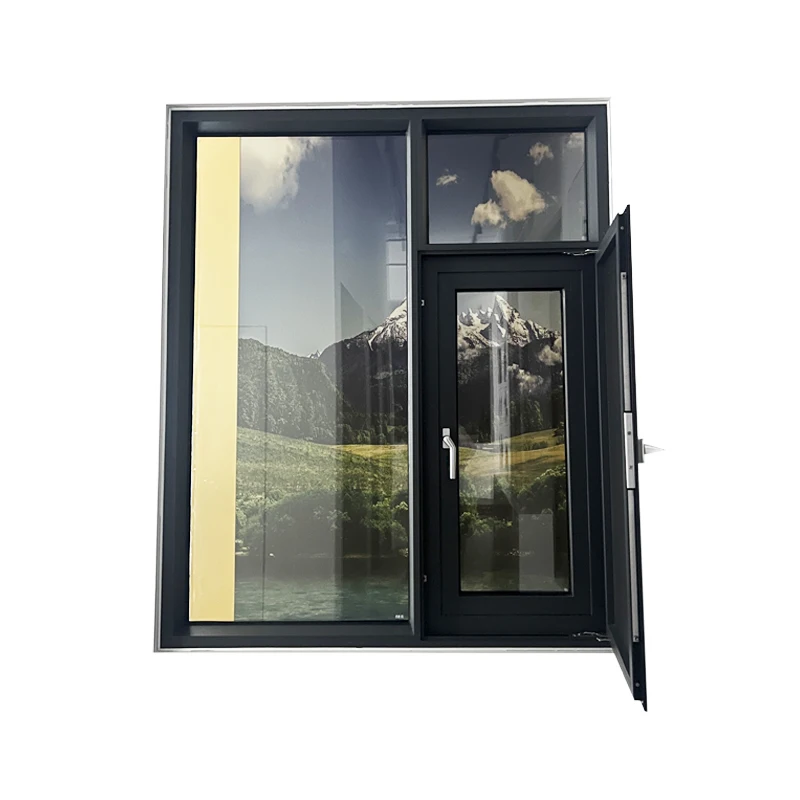
Hinge mechanisms in casement and awning aluminum window configurations directly influence both operational smoothness and long-term structural integrity through load distribution and wear resistance characteristics. High-quality aluminum window hinges employ stainless steel pins rotating within bronze or polymer bushings, creating low-friction interfaces that resist corrosion while accommodating the substantial cantilever loads generated by large glass panels operating in horizontal or angled orientations. The number and positioning of hinge points must account for sash weight, dimension, and expected wind loading, with properly engineered systems typically specifying one hinge per thirty to forty centimeters of sash height. Inadequate hinge capacity leads to progressive sag that misaligns weatherstripping, increases operational effort, and accelerates both hardware wear and seal degradation.
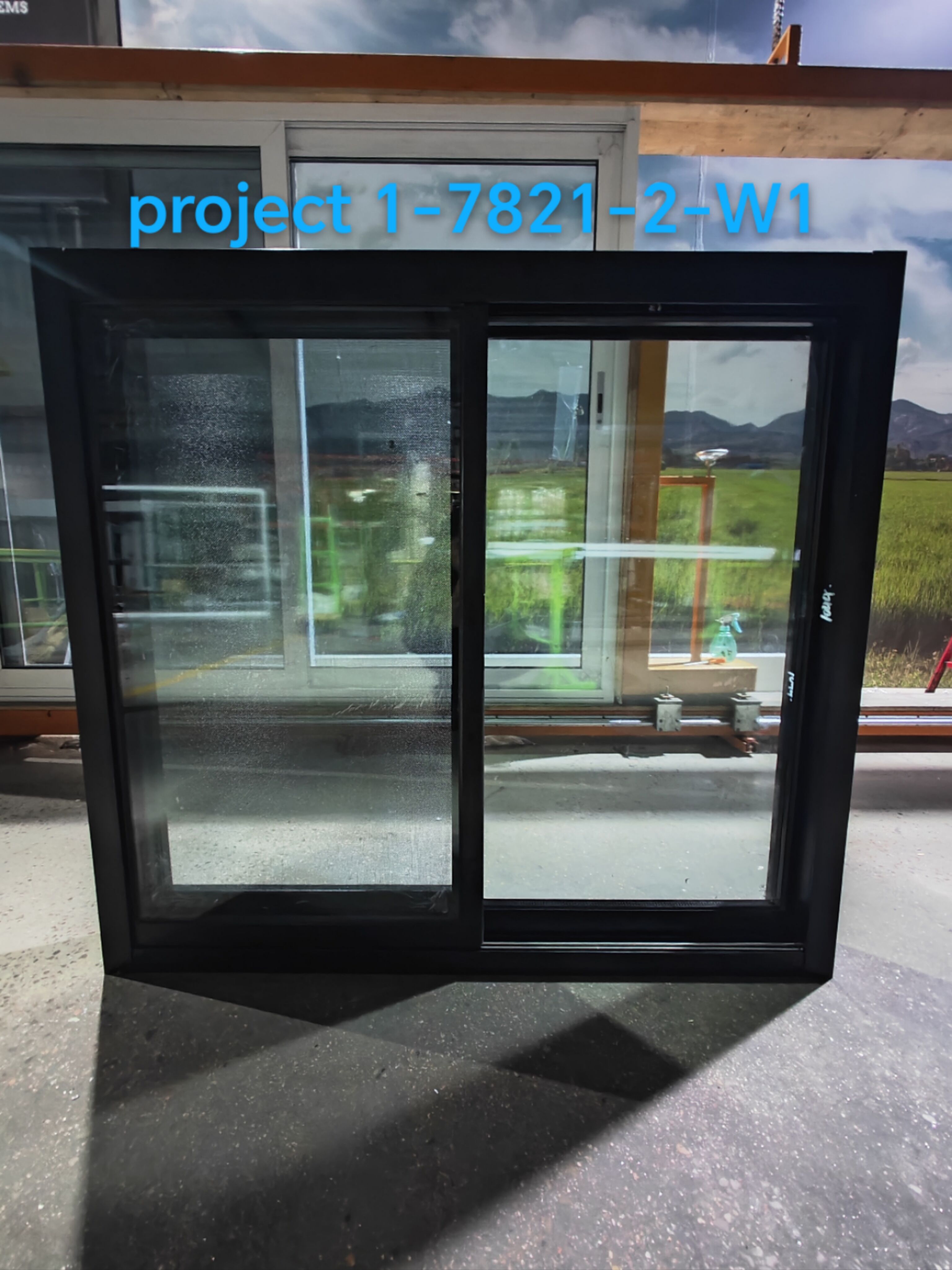
Sliding aluminum window systems substitute linear bearing mechanisms for traditional hinges, presenting distinct engineering challenges related to sustained smooth operation and weatherseal maintenance. Premium sliding hardware employs tandem roller assemblies with stainless steel wheels running on precisely formed aluminum or stainless steel tracks, distributing sash weight across multiple contact points while minimizing rolling resistance. The track geometry must accommodate drainage requirements while maintaining consistent roller engagement, a design challenge that separates performance-oriented aluminum window products from economy alternatives that sacrifice weather resistance for simplified manufacturing. Bearing quality determines operational consistency across temperature extremes, with sealed precision bearings maintaining smooth function despite thermal expansion differentials between aluminum frame components and steel or polymer roller assemblies.
Surface Treatment and Corrosion Protection Strategies
Anodizing Process and Coating Thickness
Anodized finishes represent the gold standard for aluminum window surface protection, creating integrated oxide layers through electrochemical conversion of surface aluminum rather than applied coatings that might delaminate over time. The anodizing process generates aluminum oxide crystalline structures with exceptional hardness and corrosion resistance, particularly important for aluminum window installations in coastal environments or industrial areas with elevated atmospheric contamination. Standard architectural anodizing produces coatings ranging from fifteen to twenty-five microns thick, while premium specifications extend protection to thirty microns or beyond for maximum durability. The anodized layer becomes part of the aluminum substrate rather than a separate coating, eliminating concerns about adhesion failure or progressive degradation that affect painted finishes.
The relationship between anodized finish quality and aluminum window energy performance operates through surface emissivity characteristics and long-term dimensional stability. Anodized aluminum surfaces typically exhibit higher infrared emissivity than bare aluminum, slightly improving radiative heat rejection in cooling-dominated climates while potentially increasing heat loss in heating climates—a nuanced consideration for large-format aluminum window applications. More significantly, the corrosion resistance provided by quality anodizing preserves frame dimensional accuracy across decades of service, maintaining weatherseal compression and operational alignment that directly influence air infiltration rates. The absence of progressive corrosion prevents the material loss and surface roughening that compromises seal contact in unprotected or poorly finished aluminum window installations, particularly at vulnerable locations like weep opening edges and hardware mounting points.
Powder Coating Application and Performance
Thermally cured powder coating systems provide alternative surface protection for aluminum window applications, offering broader color selection and potentially lower processing costs compared to anodizing while delivering comparable corrosion resistance when properly applied. The powder coating process applies electrostatically charged polymer particles to aluminum surfaces before thermal curing creates crosslinked molecular structures with exceptional adhesion and environmental resistance. High-performance aluminum window powder coatings incorporate ultraviolet stabilizers and weathering-resistant pigments that maintain color consistency and gloss retention through decades of solar exposure, avoiding the chalking and fading that compromise aesthetic durability in cheaper formulations. Coating thickness typically ranges from sixty to one hundred twenty microns, substantially exceeding anodized layer dimensions while adding minimal weight to aluminum window assemblies.
The durability advantages of premium powder-coated aluminum window systems extend to impact resistance and damage recovery characteristics that benefit high-traffic installations. The polymer coating layer absorbs minor impacts that would mar anodized finishes, while the inherent flexibility of thermoplastic powder coating formulations resists the micro-cracking that can initiate corrosion in rigid coating systems. Quality powder coating maintains adhesion despite thermal cycling between aluminum substrate and polymer coating layers, a critical performance requirement given the substantial temperature fluctuations experienced by aluminum window surfaces in direct solar exposure. The combination of corrosion protection, impact resistance, and aesthetic durability makes powder coating particularly suitable for aluminum window applications in educational facilities, healthcare institutions, and other environments where robust finish performance outweighs the distinctive appearance characteristics of anodized aluminum.
Assembly Precision and Manufacturing Quality Control
Corner Joint Engineering and Structural Connection
Corner joints represent critical structural and thermal weak points in aluminum window frame assemblies, requiring sophisticated engineering to maintain both mechanical integrity and weatherseal continuity. Premium aluminum window manufacturing employs precision miter cutting with tolerances measured in tenths of millimeters, ensuring flush alignment between frame sections that prevents both air infiltration pathways and stress concentrations at joint interfaces. Mechanical fastening methods vary from driven corner keys and screws to compression-fitted structural angles, with optimal approaches distributing connection forces across substantial aluminum cross-sections rather than concentrating loads at thin material edges. The corner connection must resist both in-plane racking forces that attempt to deform the aluminum window frame into parallelogram configurations and out-of-plane loads that stress the joint in bending.
Thermal continuity through aluminum window corner joints demands careful attention to thermal break alignment and sealant application that maintains insulation performance across the transition between perpendicular frame sections. Sophisticated manufacturing processes ensure thermal break materials align precisely at corners without gaps that create thermal bridges, often employing injection-molded corner keys that simultaneously provide structural connection and thermal isolation. Structural silicone sealants applied at corner interfaces serve dual functions, contributing to joint strength while preventing air infiltration through microscopic gaps between miter surfaces. The quality consistency of corner fabrication directly predicts aluminum window longevity, with precisely engineered joints maintaining weatherseal compression and operational alignment decades longer than roughly assembled alternatives that progressively deform under cyclic loading and thermal stress.
Drainage System Integration and Water Management
Comprehensive drainage engineering constitutes an essential but frequently overlooked dimension of durable aluminum window design, protecting both thermal performance components and structural elements from moisture-related degradation. Properly designed aluminum window frames incorporate sloped sill sections and internal drainage channels that direct infiltrated water toward exterior weep openings, preventing accumulation that could compromise thermal break adhesion, freeze-thaw damage in cold climates, or promote corrosion at vulnerable interfaces. Weep opening design balances drainage capacity against air infiltration concerns, typically employing baffled configurations or insertable closures that permit water egress while blocking wind-driven air penetration. The positioning and sizing of drainage features must account for worst-case water infiltration scenarios including wind-driven rain and ice dam conditions that generate hydrostatic pressure behind weatherseal systems.
The durability implications of effective water management extend throughout aluminum window assemblies, protecting hardware mechanisms, weatherseal materials, and structural connections from premature degradation. Accumulated moisture accelerates corrosion of steel hardware components despite protective finishes, promotes biological growth that degrades elastomeric seals, and creates freeze-thaw stresses that progressively damage sealant joints and corner connections. Premium aluminum window designs incorporate drainage equalization chambers that prevent water from bypassing primary weatherseals during extreme weather events, maintaining the dry interior conditions essential for sustained thermal performance. The long-term energy efficiency of aluminum window installations depends significantly on drainage system effectiveness, as progressive moisture infiltration degrades insulation materials, promotes air leakage through damaged seals, and reduces the thermal resistance of saturated components.
FAQ
What aluminum window frame depth is necessary to achieve optimal energy efficiency?
Optimal energy efficiency in aluminum window applications typically requires frame depths ranging from seventy to ninety millimeters for residential installations and may extend to one hundred twenty millimeters or more for commercial high-performance specifications. These dimensions accommodate thermal break widths of twenty-four to thirty-four millimeters plus multi-chamber cavity systems while providing sufficient glazing pocket depth for high-performance insulated glass units measuring twenty-four to thirty-two millimeters thick. The frame depth directly influences achievable U-factor values, with deeper profiles supporting better insulation performance through enhanced thermal break effectiveness and accommodation of triple-glazed units. However, diminishing returns occur beyond certain thresholds, making coordination between frame thermal performance, glass specification, and installation quality more important than simply maximizing frame dimensions.
How does aluminum window thermal performance compare to vinyl and fiberglass alternatives?
Modern thermally broken aluminum window systems achieve energy performance comparable to quality vinyl and fiberglass products when engineered with appropriate thermal break technology and high-performance glazing. While aluminum's inherent thermal conductivity exceeds that of polymer-based frame materials by substantial margins, sophisticated thermal break design effectively negates this disadvantage for whole-window performance metrics. Premium aluminum window products routinely achieve U-factors below 0.35 and air infiltration rates under 0.15 cubic feet per minute per square foot of frame area, matching or exceeding typical vinyl window performance. The superior structural properties of aluminum enable larger glazing areas with narrower sightlines compared to vinyl alternatives requiring bulkier reinforcement, potentially improving net solar heat gain in passive solar applications despite similar frame U-values.
What maintenance practices extend aluminum window operational lifespan and preserve energy performance?
Preserving aluminum window performance requires periodic cleaning of drainage channels and weep openings to prevent water accumulation, lubrication of hardware mechanisms with appropriate non-petroleum products, and inspection of weatherstrip condition with replacement when compression set exceeds thirty percent of original dimension. Annual cleaning of aluminum window surfaces removes corrosive deposits before they compromise protective finishes, particularly important in coastal or industrial environments with elevated atmospheric contamination. Hardware adjustment to maintain proper weatherseal compression proves critical for sustained air tightness, with multi-point locking systems requiring periodic verification that all engagement points achieve uniform closure force. Glass unit inspection for edge seal failure indicators including interior condensation or fogging warrants immediate attention, as compromised insulated glass units dramatically reduce aluminum window thermal performance regardless of frame quality.
Can aluminum window thermal performance be upgraded in existing installations without complete replacement?
Existing aluminum window installations without thermal breaks cannot be retrofitted to match modern thermally broken product performance due to fundamental frame design limitations, though incremental improvements remain possible through weatherstrip replacement, hardware adjustment, and storm panel addition. Replacing single-glazed units with insulated glass provides substantial energy improvements if existing aluminum window frames include adequate glazing pocket depth and structural capacity for heavier glass units. Adding interior or exterior storm windows creates additional insulation layers while preserving original aluminum window assemblies, achieving U-factor improvements of thirty to forty percent depending on storm panel specifications and air space dimensions. However, these retrofit approaches rarely match the comprehensive performance of purpose-engineered thermally broken aluminum window systems, making full replacement more cost-effective when measured against long-term energy savings and operational improvements in severely compromised existing installations.
Table of Contents
- Thermal Break Technology and Multi-Chamber Frame Systems
- Glazing Integration and Seal System Engineering
- Hardware Systems and Operational Mechanism Design
- Surface Treatment and Corrosion Protection Strategies
- Assembly Precision and Manufacturing Quality Control
-
FAQ
- What aluminum window frame depth is necessary to achieve optimal energy efficiency?
- How does aluminum window thermal performance compare to vinyl and fiberglass alternatives?
- What maintenance practices extend aluminum window operational lifespan and preserve energy performance?
- Can aluminum window thermal performance be upgraded in existing installations without complete replacement?