 EN
EN
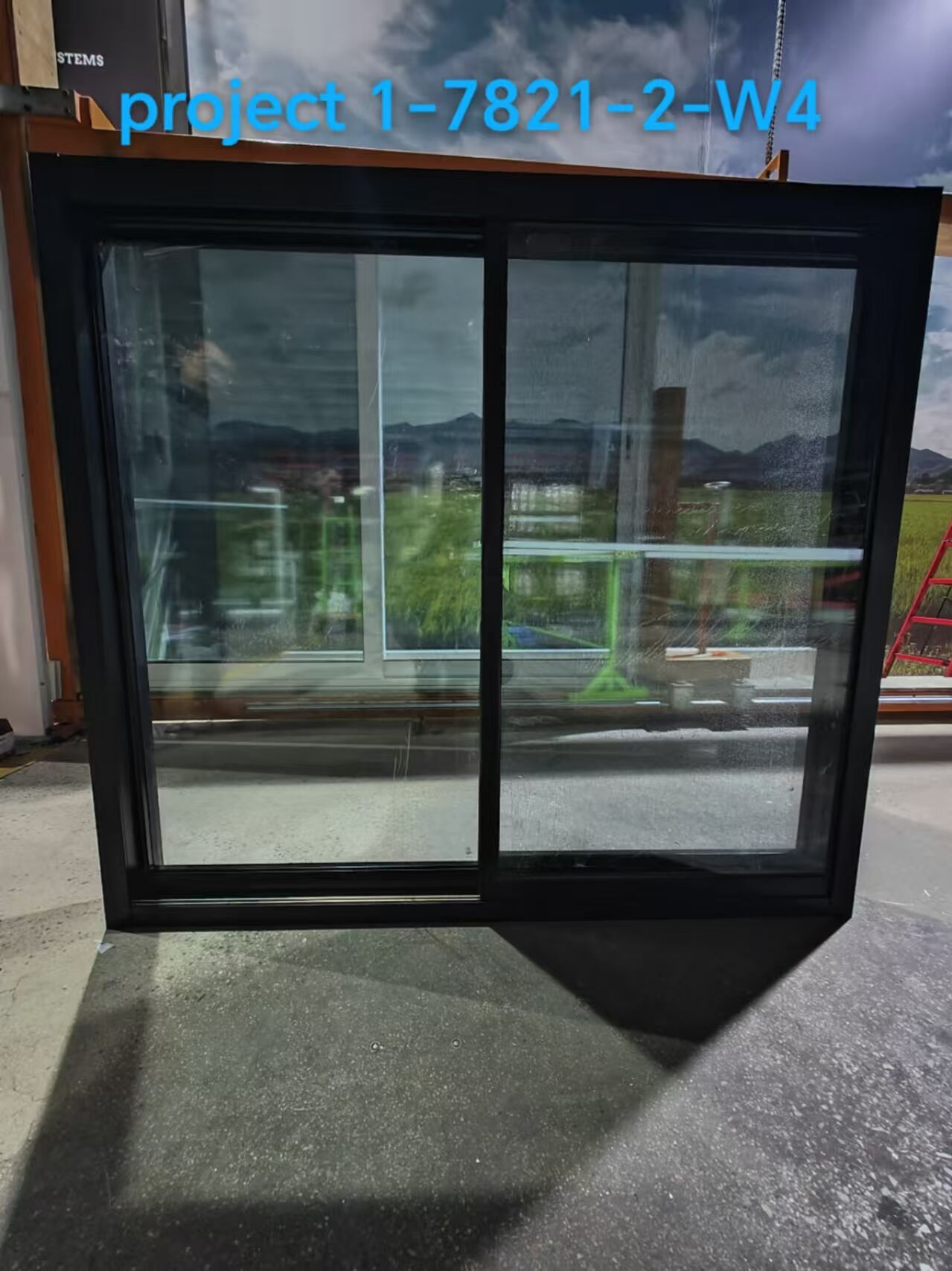
High-rise construction presents unique challenges that demand specialized building components capable of withstanding extreme conditions while maintaining performance, safety, and aesthetic appeal. Among the critical decisions developers face when designing residential or commercial towers is the selection of window systems that can meet stringent structural, environmental, and regulatory requirements. The choice of window materials directly impacts building integrity, energy efficiency, maintenance costs, and long-term value retention. In this context, aluminum window systems have emerged as the predominant choice for high-rise applications, favored by developers, architects, and engineers across global markets for reasons rooted in both technical superiority and practical economics.
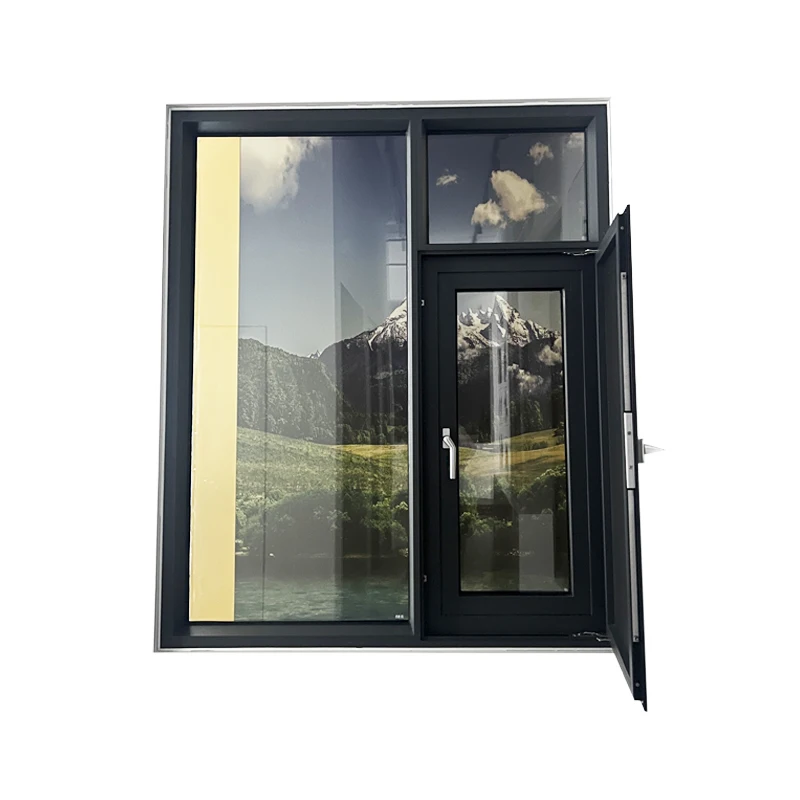
The preference for aluminum window solutions in tall building construction stems from a convergence of performance characteristics that address the specific demands of vertical development. High-rise structures experience significantly greater wind loads, thermal cycling, structural movement, and exposure to environmental stressors compared to low-rise buildings. These conditions create requirements that traditional window materials struggle to satisfy consistently. Developers recognize that window system failure in tall buildings carries disproportionate consequences, including safety risks, operational disruptions, expensive remediation, and potential liability exposure. Understanding why aluminum window technology has become the industry standard for high-rise applications requires examining the material properties, engineering advantages, regulatory factors, and lifecycle considerations that collectively drive this specification preference.
Structural Performance and Wind Load Resistance
Superior Strength-to-Weight Ratio in Vertical Applications
The fundamental reason developers specify aluminum window systems for high-rise construction relates to the material's exceptional strength-to-weight characteristics. Aluminum alloys used in architectural fenestration provide structural capacity comparable to steel while weighing approximately one-third as much. This property becomes critically important in tall buildings where cumulative weight affects foundation design, structural frame requirements, and overall construction costs. An aluminum window frame can support large glazing units and resist substantial wind pressures without requiring the heavy reinforcement that alternative materials demand. For developers, this translates to reduced dead loads on the building structure, potential savings in structural steel or concrete, and greater design flexibility in achieving desired window-to-wall ratios.
Wind loads increase exponentially with building height, and high-rise structures regularly experience sustained pressures and dynamic forces that would compromise weaker fenestration systems. Aluminum window extrusions are engineered with specific geometries and wall thicknesses calculated to resist these forces while maintaining dimensional stability. The material's inherent rigidity prevents deflection that could lead to seal failure, water infiltration, or glass breakage. Testing protocols for high-rise aluminum window assemblies include structural performance evaluations at pressures far exceeding typical ground-level requirements, ensuring systems maintain integrity under extreme conditions. Developers value this engineered certainty, particularly when facing liability considerations and insurance requirements specific to tall building construction.
Thermal Movement Accommodation and Dimensional Stability
High-rise buildings experience significant thermal cycling as exterior facades undergo temperature variations between day and night, summer and winter, and shaded versus sun-exposed orientations. Materials used in window systems must accommodate this expansion and contraction without compromising performance or creating maintenance issues. Aluminum possesses a coefficient of thermal expansion that can be precisely calculated and accommodated in system design through engineered joints, gaskets, and anchorage details. Unlike materials that warp, twist, or degrade under thermal stress, aluminum window frames maintain their geometry and functionality across temperature ranges commonly encountered in high-rise applications. This dimensional stability proves essential for preserving weatherseals, operating hardware function, and glass retention over decades of service.
The predictable behavior of aluminum under thermal stress allows engineers to design window systems with appropriate clearances and tolerances that prevent binding, seal compression failure, or frame distortion. In tall buildings where differential movement occurs between the structural frame and cladding systems, aluminum window assemblies can be detailed with anchoring methods that permit controlled movement while maintaining weather resistance. Developers appreciate that this engineering precision reduces callback risks, warranty claims, and the operational disruptions associated with fenestration failure. The material's consistency also facilitates quality control during manufacturing and installation, as aluminum extrusions maintain specified dimensions and performance characteristics across large production runs required for high-rise projects.
Durability and Lifecycle Cost Advantages
Corrosion Resistance in Harsh Environmental Exposures
High-rise buildings expose window systems to environmental conditions far more severe than those at ground level, including increased UV radiation, higher wind-driven rain impact, greater atmospheric pollutant concentrations in urban settings, and in coastal locations, salt-laden air that accelerates corrosion. The natural oxide layer that forms on aluminum window surfaces provides inherent corrosion protection that becomes enhanced through anodizing or advanced coating technologies. This protective barrier prevents the material degradation, rust staining, and structural weakening that affect other metals in demanding exposures. For developers planning buildings with fifty-year or longer service lives, this durability translates directly to reduced maintenance costs, preserved aesthetic appearance, and sustained property value.
The corrosion resistance of properly finished aluminum window systems eliminates the recurring maintenance cycles required by materials that rust, rot, or degrade when exposed to moisture and atmospheric conditions. In high-rise applications where exterior access requires expensive scaffolding, swing stages, or building maintenance units, the ability to minimize maintenance interventions represents significant lifecycle cost savings. Developers conducting whole-life cost analyses consistently find that the premium paid for quality aluminum window systems is recovered through reduced maintenance expenditures, extended replacement intervals, and avoided operational disruptions. The material's stability also preserves thermal performance and weather resistance over time, preventing the energy cost increases associated with deteriorating fenestration systems.
Minimal Maintenance Requirements and Operational Efficiency
The operational reality of high-rise buildings creates strong preferences for building components that require minimal maintenance intervention. Aluminum window systems meet this requirement through their resistance to common deterioration mechanisms and their compatibility with simple cleaning and inspection protocols. Unlike materials requiring periodic painting, sealing, or component replacement, aluminum frames maintain functionality with only routine cleaning and occasional hardware lubrication. The hard, durable surface finishes applied to aluminum resist scratching, fading, and weathering, preserving appearance without refinishing. For property managers and building owners, this operational simplicity reduces staffing requirements, contractor coordination, and tenant disruption while lowering annual operating costs.
Developers targeting institutional investors or long-term asset holders recognize that maintenance-intensive building systems negatively impact investment returns and property valuations. Aluminum window specifications demonstrate due diligence in lifecycle planning and risk management, factors that influence financing terms, insurance premiums, and ultimate sale prices. The material's proven performance history in high-rise applications worldwide provides empirical validation that reduces perceived risk for lenders and investors. Additionally, the operational efficiency of aluminum window systems contributes to tenant satisfaction and retention, as occupants experience fewer disruptions from maintenance activities and benefit from consistent thermal comfort and weather protection throughout the building's service life.
Design Flexibility and Aesthetic Achievement
Slender Profiles and Maximum Glazing Area
Contemporary high-rise architecture emphasizes transparency, natural light penetration, and visual connectivity between interior and exterior environments. These design objectives require window systems capable of supporting large glass areas while minimizing the visual mass of framing members. The strength characteristics of aluminum allow fabrication of window profiles with slender sightlines that maximize glazing percentage while maintaining structural adequacy. This capability proves particularly valuable in curtain wall applications where continuous glass facades create the signature aesthetic of modern towers. Developers understand that buildings offering superior natural light, expansive views, and architectural distinction command premium rents and attract quality tenants in competitive markets.
The extrusion manufacturing process used for aluminum window components enables precise control over profile geometry, allowing designers to achieve specific aesthetic effects while maintaining performance requirements. Complex shapes, integrated drainage pathways, thermal breaks, and hardware pockets can all be incorporated within profiles that remain visually discrete. This design flexibility permits architects to realize their creative visions without compromising the technical performance developers require. The availability of diverse finish options, including anodized colors, powder coat systems, and specialty treatments, further expands aesthetic possibilities while maintaining the durability and low maintenance characteristics essential for high-rise applications. For developers, this combination of form and function creates differentiation in crowded real estate markets.
Customization Capability and Project-Specific Engineering
Each high-rise project presents unique design challenges related to building geometry, orientation, local climate conditions, and architectural intent. Aluminum window systems accommodate this diversity through extensive customization capabilities that allow tailoring to specific project requirements. Manufacturers can engineer custom extrusion dies to create profiles optimized for particular performance criteria, span requirements, or aesthetic objectives. This flexibility proves essential when developers face unusual conditions such as extreme wind zones, historic district requirements, or signature architectural features requiring non-standard configurations. The ability to engineer project-specific solutions while maintaining the proven performance characteristics of aluminum technology reduces project risk compared to untested alternative approaches.
The aluminum window industry's mature supply chain and manufacturing infrastructure support efficient customization without the cost penalties or schedule delays often associated with specialty products. Extrusion plants can produce custom profiles economically once die tooling is completed, and fabrication facilities equipped with CNC machinery precisely manufacture components to project-specific dimensions and configurations. For developers managing complex high-rise construction schedules, this manufacturing efficiency helps maintain critical path activities and avoid the costly delays that fenestration procurement issues can trigger. The combination of customization capability and production reliability makes aluminum window technology particularly well-suited to the demanding requirements and compressed timelines characteristic of major vertical development projects.
Regulatory Compliance and Performance Certification
Fire Safety and Building Code Requirements
High-rise construction faces stringent building code requirements intended to protect occupant safety during fire events and other emergency conditions. Window systems in tall buildings must often meet specific fire resistance ratings, limit flame spread potential, and in some cases provide emergency egress or rescue access. Aluminum window assemblies readily achieve these requirements through their non-combustible material classification and compatibility with fire-rated glazing systems. The metal frames do not contribute fuel to fires, do not emit toxic combustion products, and maintain structural integrity at temperatures that would cause alternative materials to fail catastrophically. Developers recognize that code compliance represents a non-negotiable baseline requirement, and aluminum window technology provides a proven path to satisfying these mandates.
Beyond basic code compliance, developers of high-rise projects increasingly face requirements for enhanced fire safety measures driven by recent building failures and evolving regulatory standards. Aluminum window systems can be engineered with features such as automatic closing mechanisms, compartmentalization support, and integration with building fire management systems. The material's dimensional stability under heat exposure prevents the gap formation that could compromise compartment boundaries or allow smoke migration between floors. Testing laboratories worldwide have established protocols for evaluating fenestration fire performance, and aluminum window manufacturers maintain extensive certification documentation demonstrating compliance with international standards. This regulatory certainty reduces approval risks and provides legal protection for developers, particularly in jurisdictions with rigorous enforcement regimes.
Energy Performance and Sustainability Standards
Modern building codes and green building certification programs establish increasingly demanding energy performance requirements that directly impact window system specifications. High-rise buildings face particular challenges in this regard due to their large facade areas and exposure to solar heat gain and heat loss. Aluminum window systems incorporate advanced thermal break technology that interrupts conductive heat transfer through the metal frames while maintaining structural continuity. These thermally improved profiles achieve U-factors and Solar Heat Gain Coefficients that satisfy stringent energy codes including IECC, ASHRAE 90.1, and international equivalents. For developers pursuing LEED, BREEAM, or similar certifications, properly specified aluminum window assemblies contribute essential points toward overall project ratings.
The environmental profile of aluminum window products extends beyond operational energy performance to encompass embodied carbon, recyclability, and lifecycle sustainability considerations. Aluminum ranks among the most recycled materials globally, with high recovery rates and minimal quality degradation through recycling processes. Many manufacturers now offer aluminum window products with significant recycled content, reducing embodied carbon while maintaining performance characteristics. At building end-of-life, aluminum components retain substantial scrap value, facilitating deconstruction and material recovery. Developers increasingly recognize that sustainability attributes influence tenant attraction, regulatory compliance, and long-term asset value, making the environmental credentials of aluminum window systems an additional factor driving specification decisions in high-rise projects.
Installation Efficiency and Construction Schedule Benefits
Prefabrication Advantages and Quality Control
The construction schedule pressures inherent in high-rise development create strong preferences for building systems that can be efficiently installed with minimal field labor and weather dependency. Aluminum window assemblies are ideally suited to prefabrication approaches that shift manufacturing activities to controlled factory environments. Complete window units can be fabricated, glazed, and tested prior to delivery, arriving at project sites ready for installation into prepared openings. This approach dramatically reduces field labor requirements, accelerates installation rates, and improves quality consistency compared to field-assembled systems. For developers managing construction budgets and schedule commitments, these efficiencies translate to reduced costs, earlier occupancy, and lower risk of weather-related delays.
Factory fabrication of aluminum window units enables rigorous quality control processes impossible to replicate in field conditions. Manufacturers employ fixture-based assembly methods, precision cutting equipment, and systematic testing protocols that ensure each unit meets specified performance standards before leaving the facility. Weather seal integrity, hardware operation, dimensional accuracy, and finish quality can all be verified under controlled conditions. This quality assurance reduces callback risks, warranty claims, and the reputation damage associated with visible defects or performance failures. Developers benefit from the certainty that aluminum window systems will perform as specified, supporting their ability to meet commitments to investors, lenders, and future building owners.
Compatibility with Modern Construction Methods
High-rise construction increasingly employs advanced methodologies including modular construction, prefabricated facade panels, and just-in-time delivery systems that require building components engineered for these approaches. Aluminum window technology integrates seamlessly with these methods through its precision manufacturing, dimensional consistency, and compatibility with various anchoring and sealing systems. Window units can be factory-installed into precast concrete panels, metal panel assemblies, or modular room units, arriving at the construction site as complete, tested assemblies. This integration capability supports the schedule compression and quality improvements that modern construction methods target, making aluminum the preferred window material for projects employing these techniques.
The relatively light weight of aluminum window assemblies compared to alternatives provides practical advantages during high-rise installation operations. Units can be handled by smaller crews, lifted with less substantial rigging equipment, and positioned with greater precision during installation. These factors become particularly important in congested urban sites where crane availability, street closures, and logistical constraints create bottlenecks. The material's durability also reduces handling damage risks during the multiple transport and staging operations typical of vertical construction. For developers, these practical considerations affect construction costs, schedule reliability, and the coordination complexity that drives general contractor fees and project management expenses.
FAQ
What makes aluminum window systems more suitable for high-rise buildings compared to other materials?
Aluminum window systems excel in high-rise applications due to their superior strength-to-weight ratio, which allows them to support large glass areas and resist extreme wind loads without excessive frame weight. The material's corrosion resistance, dimensional stability under thermal cycling, and minimal maintenance requirements address the harsh environmental exposures and access limitations characteristic of tall buildings. Additionally, aluminum's design flexibility, non-combustible properties, and proven performance history provide the engineering certainty and regulatory compliance that developers require for vertical construction projects.
How do aluminum windows perform in terms of energy efficiency for high-rise applications?
Modern aluminum window systems incorporate advanced thermal break technology that significantly improves their energy performance by interrupting heat transfer through the metal frames. These thermally improved profiles achieve U-factors and Solar Heat Gain Coefficients that meet stringent energy codes and green building standards. When combined with high-performance glazing systems, aluminum windows in high-rise applications can deliver energy efficiency comparable to other materials while maintaining the structural capacity and durability advantages that make them the preferred choice for tall building construction.
What are the long-term cost implications of choosing aluminum windows for high-rise developments?
While aluminum window systems may carry higher initial costs compared to some alternatives, they deliver superior lifecycle value through reduced maintenance requirements, extended service life, and preserved performance characteristics. The material's corrosion resistance eliminates recurring refinishing costs, and its durability minimizes component replacement needs over the building's lifespan. For high-rise applications where exterior access is expensive and disruptive, these maintenance savings become particularly significant. Developers conducting whole-life cost analyses consistently find that quality aluminum window investments are recovered through operational savings, sustained property values, and avoided remediation expenses.
Can aluminum window systems accommodate the specific design requirements of modern high-rise architecture?
Aluminum window technology offers exceptional design flexibility through custom extrusion capabilities, diverse finish options, and compatibility with various glazing systems and architectural configurations. The material's strength allows fabrication of slender profiles that maximize glazing area and create the transparent facades characteristic of contemporary high-rise design. Manufacturers can engineer project-specific solutions addressing unique performance requirements, aesthetic objectives, or site conditions while maintaining the proven durability and regulatory compliance that developers require. This combination of customization capability and performance reliability makes aluminum the material of choice for architecturally distinctive high-rise projects worldwide.
Table of Contents
- Structural Performance and Wind Load Resistance
- Durability and Lifecycle Cost Advantages
- Design Flexibility and Aesthetic Achievement
- Regulatory Compliance and Performance Certification
- Installation Efficiency and Construction Schedule Benefits
-
FAQ
- What makes aluminum window systems more suitable for high-rise buildings compared to other materials?
- How do aluminum windows perform in terms of energy efficiency for high-rise applications?
- What are the long-term cost implications of choosing aluminum windows for high-rise developments?
- Can aluminum window systems accommodate the specific design requirements of modern high-rise architecture?