 EN
EN

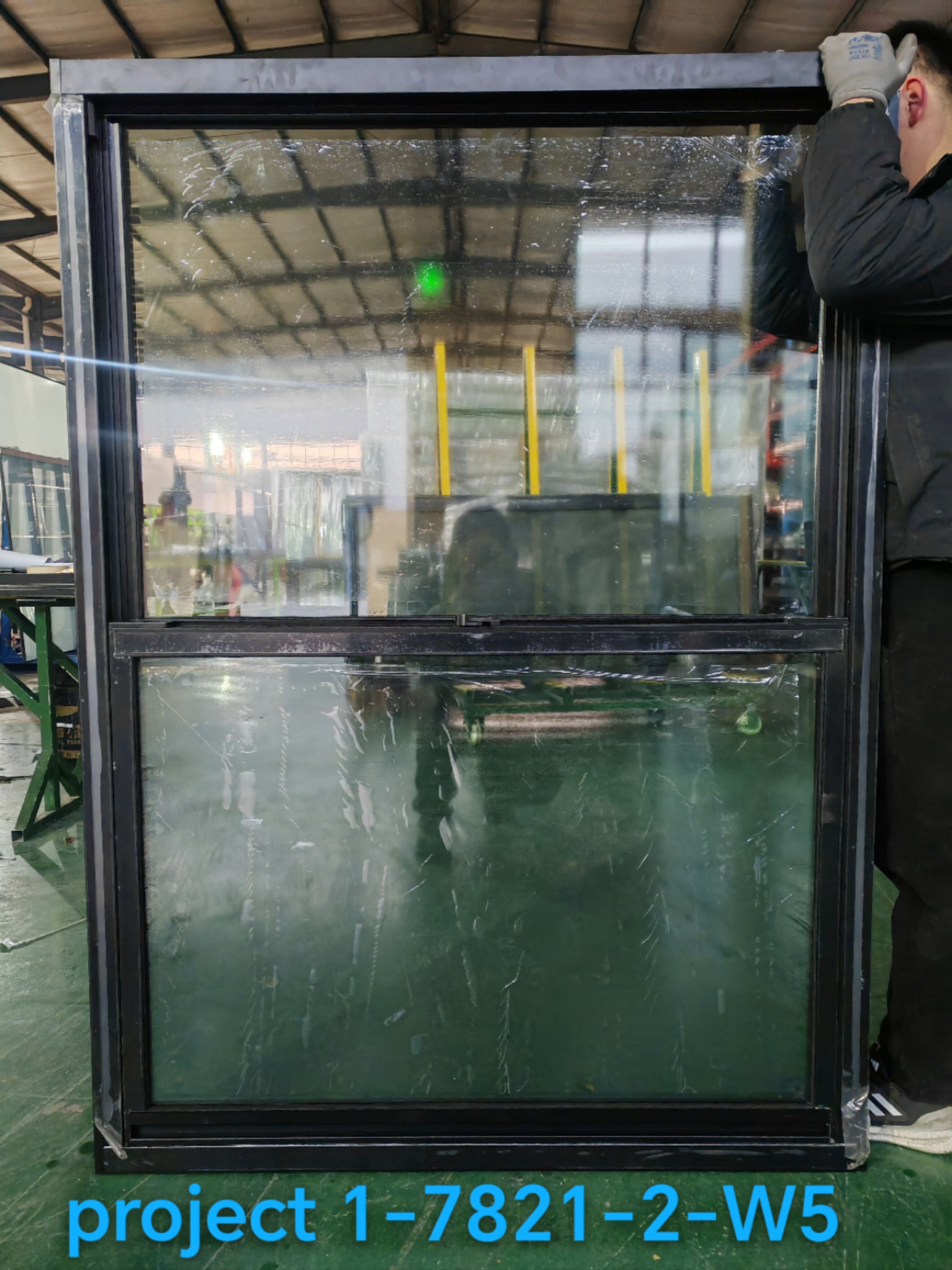
When selecting windows for residential or commercial buildings, the choice between top hung and side-hung casement window designs significantly impacts functionality, aesthetics, and overall performance. Understanding the fundamental differences between these two casement window configurations helps property owners make informed decisions that align with their specific needs and architectural requirements. Both top hung and side-hung casement window options offer unique advantages depending on installation location, climate conditions, and intended usage patterns.
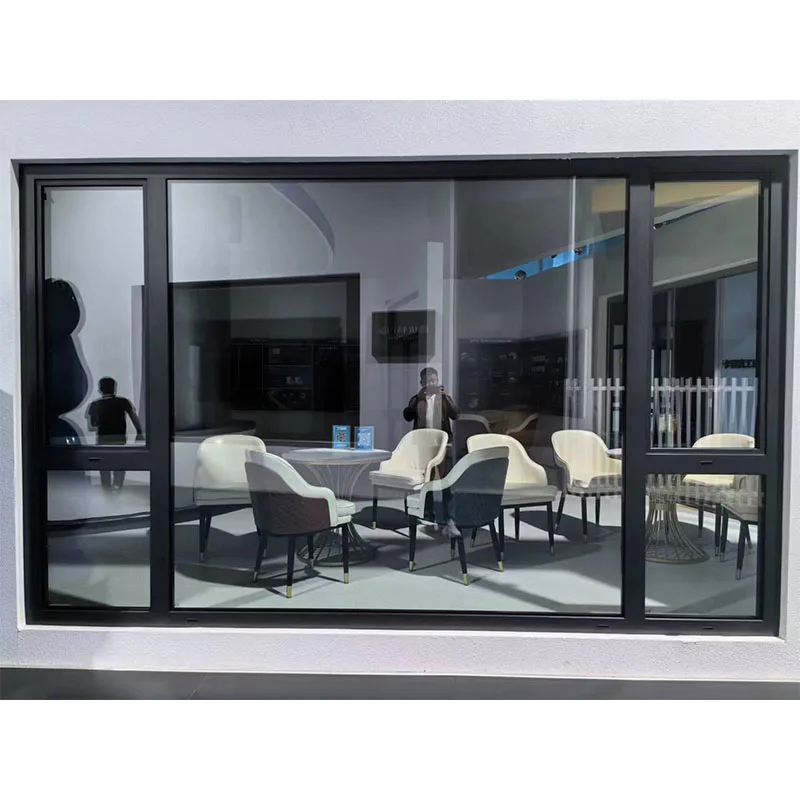
The architectural impact of choosing between top hung and side-hung casement window styles extends beyond mere functionality to encompass energy efficiency, security features, and maintenance requirements. Professional builders and architects consistently evaluate these factors when specifying casement window solutions for diverse building projects. The decision between top hung and side-hung configurations often determines long-term satisfaction with window performance and operational convenience.
Understanding Top Hung Casement Window Mechanics
Operational Characteristics of Top Hung Systems
Top hung casement window designs feature hinges positioned along the upper frame, allowing the window sash to swing outward from the bottom. This configuration creates a unique ventilation pattern where air enters from the lower opening while maintaining weather protection from the overhanging sash. The top hung casement window mechanism provides controlled airflow without compromising security, as the opening remains limited even when fully extended.
Installation requirements for top hung casement window units typically involve reinforced upper frame supports to handle the mechanical stress of the outward-swinging sash. Professional installers must ensure proper alignment and adequate clearance for safe operation. The top hung casement window design naturally sheds rainwater away from the interior space, making it particularly suitable for areas with frequent precipitation or challenging weather conditions.
Ventilation and Weather Performance
The airflow dynamics of top hung casement window installations create natural convection patterns that enhance indoor air quality without creating drafts at occupant level. This ventilation characteristic makes the top hung casement window ideal for bedrooms, bathrooms, and other spaces where gentle air circulation is preferred over direct airflow. Weather sealing performance remains consistent due to the downward pressure created by the sash weight against the frame.
Rain infiltration resistance represents a significant advantage of top hung casement window systems, as the angled sash naturally directs water away from the opening. Wind resistance capabilities exceed those of many alternative window configurations due to the positive pressure created against the frame during closure. These performance characteristics make the top hung casement window particularly valuable in coastal or high-wind environments.
Side-Hung Casement Window Design Benefits
Traditional Functionality and Access
Side-hung casement window configurations utilize hinges positioned along one vertical edge, allowing the sash to swing outward horizontally. This traditional design provides maximum opening area for ventilation, emergency egress, and exterior access for cleaning and maintenance. The side-hung casement window offers superior flexibility in controlling airflow direction and volume compared to top hung alternatives.
Hardware components for side-hung casement window systems include robust hinges, multi-point locking mechanisms, and weather stripping designed to accommodate the lateral opening motion. Professional installation requires careful attention to frame square and proper hinge alignment to ensure smooth operation over the window's service life. The side-hung casement window design accommodates various glazing options and frame materials without compromising structural integrity.
Security and Accessibility Features
Security advantages of side-hung casement window installations include multi-point locking systems that engage at multiple locations along the frame perimeter. This distributed locking mechanism provides superior resistance to forced entry compared to single-point locking systems. The side-hung casement window configuration allows for easy installation of security sensors and automated locking systems for enhanced building security.
Accessibility benefits include full opening capability for cleaning exterior glass surfaces from inside the building, reducing maintenance costs and safety risks. The side-hung casement window design accommodates screen installations more effectively than top hung alternatives, providing insect protection while maintaining ventilation capability. Emergency egress requirements are more easily satisfied with side-hung configurations due to the larger opening dimensions available.
Energy Efficiency and Performance Comparison
Thermal Performance Characteristics
Energy efficiency considerations between top hung and side-hung casement window designs involve multiple factors including frame construction, glazing specifications, and weather sealing effectiveness. Both configurations can achieve excellent thermal performance when properly manufactured and installed with appropriate materials. The casement window design inherently provides superior sealing compared to sliding window alternatives due to compression weather stripping activation during closure.
Thermal bridging characteristics differ between top hung and side-hung casement window configurations based on hinge placement and frame reinforcement requirements. Modern casement window manufacturing incorporates thermal breaks and insulated frame designs to minimize heat transfer regardless of opening configuration. Professional energy modeling can determine optimal casement window specifications for specific climate conditions and building orientations.
Air Leakage and Weather Resistance
Air infiltration performance varies between top hung and side-hung casement window designs based on weather stripping configuration and sash pressure distribution. Laboratory testing demonstrates that properly installed casement window units of both configurations can achieve excellent air leakage ratings when manufactured to appropriate standards. Long-term performance depends on maintenance of hardware adjustments and weather stripping condition.
Water penetration resistance testing shows advantages for top hung casement window designs in high-wind rain conditions due to natural water shedding characteristics. However, side-hung casement window installations can achieve equivalent performance with proper frame design and installation techniques. Both configurations benefit from quality construction materials and professional installation to maximize weather resistance capabilities.
Installation and Maintenance Considerations
Professional Installation Requirements
Installation complexity differs between top hung and side-hung casement window configurations based on structural support requirements and hardware specifications. Top hung units require reinforced header construction to support sash weight and operational stresses. Side-hung casement window installations demand precise frame alignment and adequate clearance for full sash swing without interference from adjacent structures or landscaping.
Professional installers must consider building code requirements, structural loads, and weatherproofing details specific to each casement window configuration. Proper flashing installation, vapor barrier continuity, and thermal insulation placement ensure long-term performance regardless of opening mechanism. Quality control during installation directly impacts operational smoothness and weather resistance throughout the window's service life.
Long-term Maintenance and Service
Maintenance requirements for casement window systems include regular hardware lubrication, weather stripping inspection, and glass cleaning procedures. Top hung configurations may require specialized equipment for exterior glass cleaning due to limited access when opened. Side-hung casement window designs typically allow easier cleaning access but may require periodic hinge adjustment to maintain proper alignment.
Component replacement procedures vary between casement window configurations, with some parts more accessible in certain designs. Professional service technicians can efficiently address hardware issues, weather stripping replacement, and operational adjustments for both top hung and side-hung systems. Preventive maintenance scheduling helps ensure optimal casement window performance and extends service life significantly.
Cost Analysis and Value Considerations
Initial Investment and Installation Costs
Purchase costs for casement window units vary based on size, materials, glazing specifications, and hardware complexity rather than opening configuration alone. Top hung and side-hung designs typically carry similar base prices when comparing equivalent quality levels and performance specifications. Installation labor costs may differ based on structural modifications required for each casement window type and site-specific conditions.
Long-term value considerations include energy savings, maintenance costs, and operational lifespan for each casement window configuration. Professional cost analysis should include lifecycle expenses beyond initial purchase price to determine optimal value for specific applications. Quality construction and proper installation provide better long-term value regardless of opening mechanism selected.
Return on Investment Factors
Energy efficiency improvements from modern casement window installations provide measurable utility bill reductions compared to older window technologies. Both top hung and side-hung configurations contribute to building envelope performance when properly specified and installed. Property value enhancement from quality window upgrades benefits from professional design consultation to optimize aesthetic and functional outcomes.
Maintenance cost projections favor casement window designs that match building usage patterns and environmental conditions. Professional evaluation of site-specific factors helps determine which configuration provides optimal long-term value. Quality casement window installations typically provide decades of reliable service with appropriate maintenance programs.
Application-Specific Selection Guidelines
Residential Applications and Preferences
Residential casement window selection often prioritizes ease of operation, security features, and aesthetic compatibility with architectural styles. Top hung configurations excel in bathroom and bedroom applications where privacy and gentle ventilation are important. Side-hung casement window designs work well in living areas where maximum ventilation and exterior access are desired.
Child safety considerations may influence casement window configuration selection, with top hung designs offering natural limitations on opening size. Building codes and homeowner association requirements can impact allowable window configurations in residential developments. Professional design consultation helps balance functional needs with aesthetic preferences and regulatory compliance.
Commercial and Industrial Considerations
Commercial building applications require casement window configurations that support operational efficiency, security requirements, and maintenance accessibility. Side-hung designs often provide better egress capabilities for office buildings and institutional facilities. Industrial applications may favor top hung casement window designs for controlled ventilation without exterior access requirements.
Building automation integration capabilities vary between casement window configurations based on hardware compatibility and operational requirements. Professional specification development ensures selected window systems support building management system integration when required. Safety and security considerations often drive configuration selection in commercial and industrial applications.
FAQ
What are the main differences between top hung and side-hung casement windows?
The primary difference lies in hinge placement and opening direction. Top hung casement window units have hinges along the top frame and open outward from the bottom, while side-hung versions have hinges on the vertical edge and swing horizontally. Top hung designs provide better rain protection and controlled ventilation, while side-hung configurations offer larger opening areas and easier exterior cleaning access.
Which casement window type is better for high-wind areas?
Top hung casement window designs generally perform better in high-wind conditions because the sash creates positive pressure against the frame when closed, improving weather sealing. The angled position when open also provides better wind resistance compared to side-hung units that may catch wind forces more directly. However, both configurations can achieve excellent wind resistance with proper engineering and installation.
Are there security differences between these casement window configurations?
Side-hung casement window systems typically offer superior security features due to multi-point locking mechanisms that engage along the entire frame perimeter. Top hung designs may have more limited locking points but provide inherent security through restricted opening size. Both configurations can incorporate advanced security hardware and sensors when required for specific applications.
Which type requires more maintenance over time?
Maintenance requirements are generally similar between casement window configurations, focusing on hardware lubrication, weather stripping inspection, and glass cleaning. Side-hung units may require more frequent hinge adjustments due to gravitational stress on the sash, while top hung designs may need specialized cleaning equipment for exterior glass access. Both types benefit from regular professional maintenance to ensure optimal performance.