 EN
EN

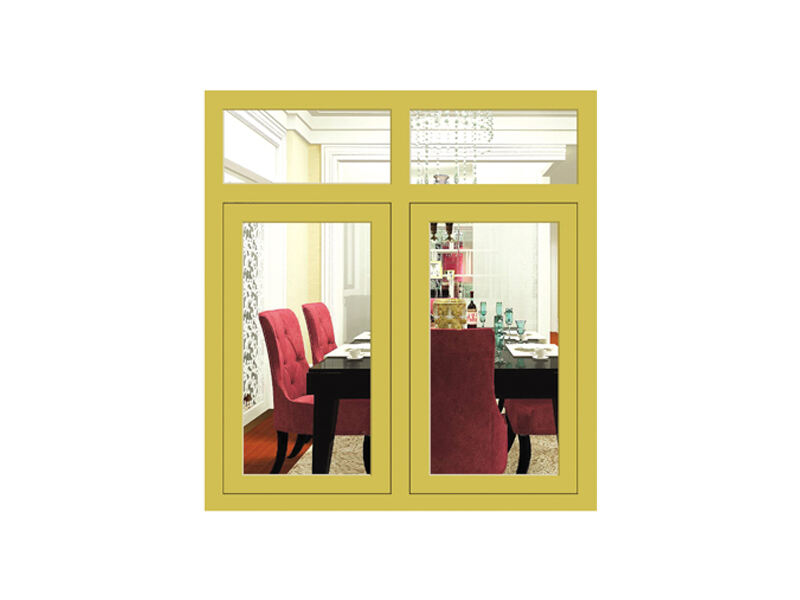
Selecting the right kitchen casement window can transform your culinary space from ordinary to extraordinary. A well-chosen kitchen casement window not only enhances natural light but also improves ventilation, reduces cooking odors, and creates a more pleasant cooking environment. Modern homeowners increasingly recognize that the kitchen casement window serves as both a functional element and an aesthetic focal point that can significantly impact the overall kitchen design.
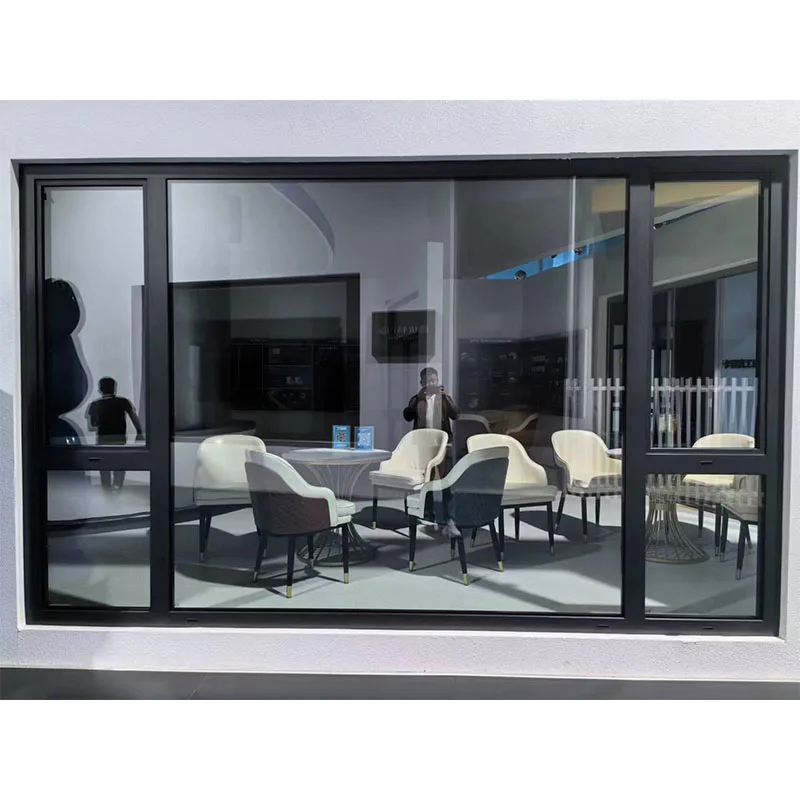
The importance of proper window selection extends beyond mere appearance. Your kitchen casement window choice affects energy efficiency, maintenance requirements, and long-term durability. Understanding the various factors involved in this decision ensures you make an informed choice that meets both your immediate needs and future expectations. From material considerations to operational mechanisms, every aspect deserves careful evaluation before making your final selection.
Understanding Kitchen Casement Window Fundamentals
Basic Operation and Design Principles
A kitchen casement window operates on a hinge system that allows the window sash to swing outward from the frame. This design provides several advantages over traditional sliding or double-hung windows, particularly in kitchen environments where maximum ventilation is often desired. The outward-opening mechanism creates a funnel effect that draws air into the kitchen while simultaneously pushing cooking odors and steam outside.
The design flexibility of a kitchen casement window allows for various configurations to suit different kitchen layouts. Single casement units work well in compact spaces, while multiple casement panels can create dramatic window walls in larger kitchens. The ability to open the entire window area provides unobstructed views and maximum airflow, making the kitchen casement window particularly suitable for spaces that require frequent ventilation during cooking activities.
Material Options and Their Kitchen Applications
Aluminum frames represent a popular choice for kitchen casement window installations due to their resistance to moisture and temperature fluctuations common in cooking environments. These frames maintain their structural integrity even when exposed to steam from cooking and frequent temperature changes. Additionally, aluminum frames require minimal maintenance while providing excellent durability and security features that homeowners value in their kitchen spaces.
Vinyl and wood alternatives each offer distinct advantages for kitchen casement window applications. Vinyl provides excellent insulation properties and comes in various colors to match kitchen décor, while wood frames offer natural beauty but require more maintenance in high-moisture environments. The choice between materials often depends on budget considerations, aesthetic preferences, and the specific environmental conditions present in your kitchen space.
Size and Placement Considerations
Determining Optimal Window Dimensions
Proper sizing of your kitchen casement window directly impacts both functionality and visual appeal. Standard kitchen casement window sizes typically range from 24 to 48 inches in width, with heights varying from 36 to 72 inches depending on ceiling height and design preferences. However, custom sizing may be necessary to accommodate specific kitchen layouts, architectural features, or personal preferences for natural light and ventilation.
The relationship between window size and kitchen dimensions affects both practical use and aesthetic balance. A kitchen casement window that is too small may not provide adequate ventilation for cooking activities, while an oversized window might overwhelm the space or create energy efficiency concerns. Professional measurements ensure proper fit and optimal performance while maintaining the desired visual proportions within your kitchen design scheme.
Strategic Placement for Maximum Benefit
Location selection for your kitchen casement window significantly influences its effectiveness in improving the cooking environment. Positioning the window near cooking surfaces, such as over the sink or adjacent to the stove, maximizes ventilation benefits during food preparation. This strategic placement allows steam, cooking odors, and excess heat to escape efficiently while providing natural light exactly where kitchen tasks require it most.
Consider the relationship between your kitchen casement window placement and outdoor elements such as prevailing winds, privacy concerns, and views. Windows positioned to catch cross-breezes enhance natural ventilation, while placement considerations should also account for neighboring properties and desired levels of privacy. The orientation affects both energy efficiency and the quality of natural light entering your kitchen throughout different times of day.
Energy Efficiency and Performance Features
Glazing Options and Thermal Performance
Modern kitchen casement window units offer various glazing configurations to optimize energy efficiency and performance. Double-pane and triple-pane options provide superior insulation compared to single-pane alternatives, reducing energy costs and improving comfort levels in your kitchen. Low-emissivity coatings and gas fills between panes further enhance thermal performance while maintaining excellent visibility and natural light transmission.
The thermal performance of your kitchen casement window affects both heating and cooling costs throughout the year. High-performance glazing systems maintain comfortable interior temperatures while reducing the workload on heating and cooling systems. This efficiency becomes particularly important in kitchen spaces where temperature variations from cooking activities can strain climate control systems and increase energy consumption significantly.
Weather Resistance and Durability Factors
Kitchen environments present unique challenges for window performance due to moisture, temperature fluctuations, and frequent use. A quality kitchen casement window must withstand these conditions while maintaining smooth operation and weather-tight sealing. Weather stripping and sealing systems prevent air and water infiltration while ensuring long-term performance even under demanding kitchen conditions.
Durability considerations extend beyond basic weather resistance to include factors such as hardware quality, frame stability, and resistance to warping or corrosion. The operating mechanism of a kitchen casement window experiences regular use, making quality hardware essential for reliable long-term performance. Stainless steel or corrosion-resistant hardware components ensure smooth operation even in high-moisture kitchen environments where standard materials might deteriorate rapidly.
Installation and Maintenance Requirements
Professional Installation Considerations
Proper installation of a kitchen casement window requires expertise in both construction techniques and local building codes. Professional installers ensure correct sizing, proper sealing, and adequate structural support for the window unit. They also understand the specific requirements for kitchen environments, including proper flashing installation and moisture management techniques that prevent long-term problems such as water damage or air infiltration.
The installation process for a kitchen casement window typically involves coordination with other kitchen renovation activities if part of a larger remodeling project. Timing considerations ensure that window installation occurs at the appropriate phase of construction or renovation work. Professional installers can also provide valuable advice about optimizing window placement and size based on existing structural elements and kitchen layout requirements.
Long-term Maintenance and Care
Regular maintenance extends the lifespan and performance of your kitchen casement window while ensuring continued smooth operation. Cleaning requirements vary depending on frame materials and environmental exposure, but generally include regular washing of glass surfaces and periodic cleaning of frame components. Kitchen casement window hardware benefits from occasional lubrication to maintain smooth opening and closing action, particularly in high-use applications.
Preventive maintenance for a kitchen casement window includes inspection of weather stripping, hardware adjustment, and monitoring of seal integrity around the frame. Early identification of potential issues prevents minor problems from developing into major repairs or replacements. Seasonal maintenance tasks may include cleaning drainage channels and checking for proper operation before extreme weather seasons when window performance becomes most critical for comfort and energy efficiency.
Style and Design Integration
Architectural Style Compatibility
Selecting a kitchen casement window that complements your home's architectural style creates visual harmony and enhances property value. Traditional home styles often benefit from divided-light casement windows that echo historical design elements, while contemporary homes may favor clean-lined, large-pane kitchen casement window designs. The frame color and finish should coordinate with existing exterior elements such as siding, trim, and other windows throughout the home.
Interior design considerations for your kitchen casement window include how the window treatment options integrate with overall kitchen décor. The window's proportions and placement affect cabinet layout, countertop design, and backsplash selection. A well-chosen kitchen casement window becomes an integral part of the kitchen design rather than simply a functional afterthought, contributing to the overall aesthetic appeal and functionality of the space.
Hardware and Finish Selection
Hardware selection for a kitchen casement window involves both functional and aesthetic considerations. Operating handles, locks, and hinges should provide smooth, reliable operation while complementing the overall design theme of your kitchen. Finish options typically include various metallic tones that can coordinate with cabinet hardware, faucets, and other kitchen fixtures for a cohesive design approach.
The visual impact of hardware extends beyond basic functionality to include security features and ease of operation. Quality hardware ensures that your kitchen casement window remains secure when closed while providing effortless operation when opening or closing. Finish durability becomes particularly important in kitchen environments where exposure to moisture and cleaning products can affect long-term appearance and performance of hardware components.
Budget Planning and Value Considerations
Cost Factors and Budget Planning
Budget planning for a kitchen casement window project involves multiple cost components including the window unit itself, installation labor, and any necessary structural modifications. Premium features such as advanced glazing systems, upgraded hardware, or custom sizing typically increase overall project costs but may provide long-term value through improved energy efficiency and enhanced functionality. Understanding these cost relationships helps in making informed decisions about feature selection and budget allocation.
The total investment in a kitchen casement window should consider both immediate costs and long-term value factors. Energy-efficient models may qualify for tax credits or utility rebates that offset initial purchase prices. Additionally, quality kitchen casement window installations contribute to property value and may provide returns when selling your home. Balancing upfront costs with long-term benefits ensures optimal value from your window investment.
Return on Investment Considerations
A well-selected kitchen casement window provides returns through multiple channels including energy savings, improved functionality, and enhanced property value. Energy-efficient windows reduce heating and cooling costs over their lifespan, while improved natural light and ventilation enhance the daily kitchen experience. These functional improvements often translate into measurable property value increases that benefit homeowners both during occupancy and at resale.
Market research indicates that kitchen improvements, including quality window installations, typically provide strong returns on investment compared to other home renovation projects. A kitchen casement window upgrade that improves both functionality and aesthetic appeal can significantly enhance the overall kitchen value proposition. Professional real estate assessments often recognize quality window installations as premium features that distinguish properties in competitive markets.
FAQ
What size kitchen casement window works best for standard kitchen layouts
Standard kitchen casement window sizes typically range from 30 to 36 inches wide by 48 to 60 inches tall, though the optimal size depends on your specific kitchen dimensions, ceiling height, and placement location. Consider the relationship between window size and surrounding elements such as cabinets, countertops, and appliances to ensure proper proportion and functionality. Professional measurement and consultation help determine the ideal size for your particular kitchen layout and design goals.
How do I maintain proper operation of my kitchen casement window
Regular maintenance for your kitchen casement window includes cleaning the glass and frame surfaces monthly, lubricating hardware components annually, and inspecting weather stripping for wear or damage. Keep drainage channels clear of debris and ensure smooth operation by adjusting hardware as needed. Professional inspection every few years helps identify potential issues before they require major repairs, extending the window's lifespan and maintaining optimal performance.
Can I install a kitchen casement window myself or should I hire professionals
While experienced DIY enthusiasts might handle basic kitchen casement window replacement in existing openings, new installations typically require professional expertise to ensure proper structural support, weatherproofing, and code compliance. Professional installation guarantees proper sizing, sealing, and integration with your kitchen's existing systems. The complexity of kitchen environments, including moisture management and ventilation requirements, makes professional installation the recommended approach for most homeowners.
What energy efficiency features should I look for in a kitchen casement window
Look for kitchen casement window units with double or triple-pane glazing, low-emissivity coatings, and quality weather stripping systems. Energy Star certification indicates tested performance standards for thermal efficiency and air leakage. Consider the window's orientation and your local climate when selecting glazing options, as south-facing windows may benefit from different coatings than north-facing installations. Quality frame materials and proper installation significantly impact overall energy performance regardless of glazing specifications.