 EN
EN

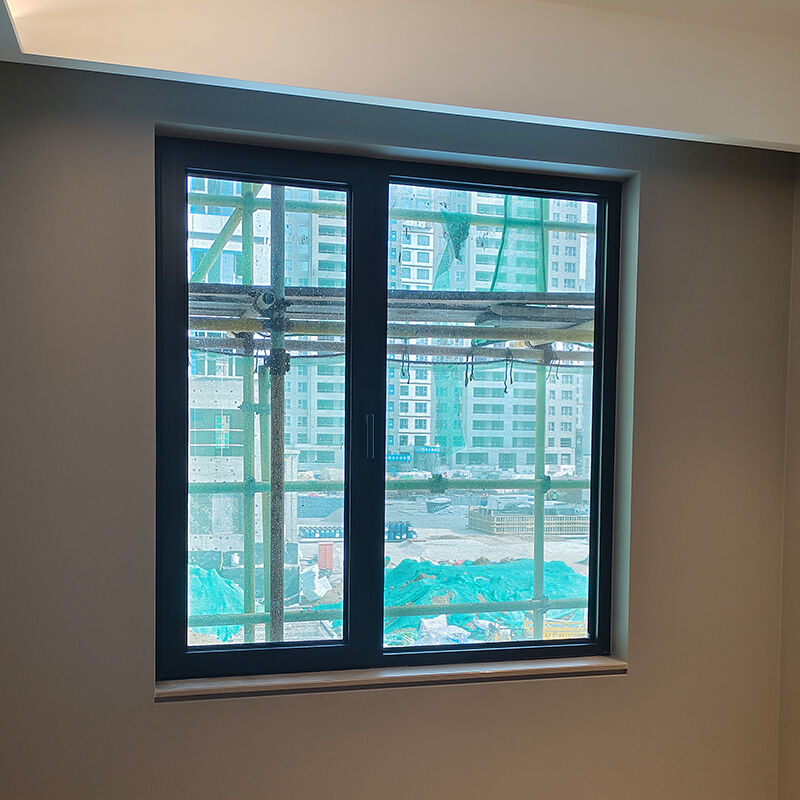
Modern buildings face increasing challenges when it comes to effective ventilation solutions that balance energy efficiency with occupant comfort. Top hung casement windows have emerged as a sophisticated solution for architects and building designers seeking optimal airflow control while maintaining structural integrity and aesthetic appeal. These innovative window systems offer unique advantages over traditional side-hung alternatives, particularly in commercial and residential applications where precise ventilation management is crucial.
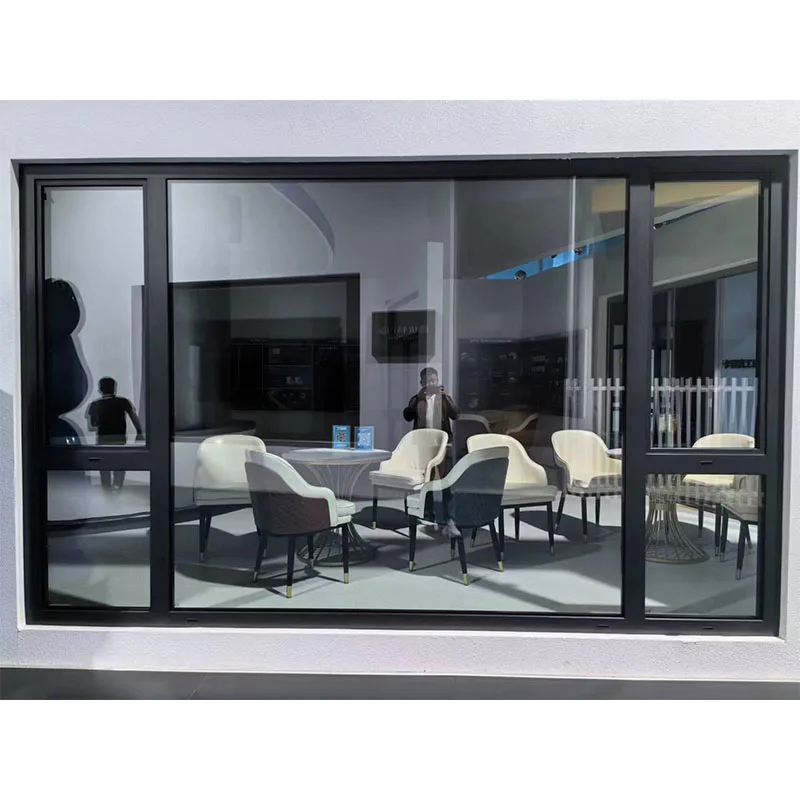
The fundamental design of top hung casement windows creates superior air circulation patterns compared to conventional window configurations. When opened, these windows direct incoming air upward and outward, creating natural convection currents that promote consistent air exchange throughout interior spaces. This characteristic makes them particularly valuable in environments requiring controlled ventilation without compromising security or weather protection.
Engineering Advantages of Top Hung Window Systems
Enhanced Structural Performance
The engineering behind top hung casement windows demonstrates remarkable structural advantages that contribute to their growing popularity in contemporary construction projects. The hinge mechanism positioned at the top of the window frame distributes operational stress more evenly across the entire assembly, reducing wear on individual components and extending the overall service life of the installation.
This structural configuration also provides superior resistance to wind loads and weather infiltration. When subjected to external pressure, top hung casement windows naturally compress against their sealing surfaces, creating tighter weatherproofing compared to bottom-hinged alternatives. This self-sealing characteristic becomes particularly important in high-rise applications where wind pressure variations can compromise traditional window systems.
Operational Efficiency and Control
The operational mechanics of top hung casement windows offer precise control over ventilation rates and air distribution patterns. Building operators can fine-tune opening angles to achieve specific airflow volumes, making these systems ideal for applications requiring variable ventilation rates throughout different operational periods. This controllability extends to automated systems where motorized operators can adjust window positions based on environmental sensors or building management system inputs.
Professional installation of top hung casement windows ensures optimal performance through proper calibration of hardware components and sealing systems. The complexity of these installations requires experienced technicians who understand the relationship between frame alignment, hardware adjustment, and long-term operational reliability.
Applications in Modern Building Design
Commercial and Institutional Buildings
Commercial buildings benefit significantly from the installation of top hung casement windows due to their ability to provide consistent natural ventilation while maintaining security protocols. Office complexes, educational facilities, and healthcare institutions utilize these systems to reduce mechanical ventilation loads while ensuring adequate indoor air quality for occupants.
The fire safety benefits of top hung casement windows make them particularly valuable in institutional applications. These windows can be integrated with fire suppression systems to provide smoke evacuation pathways while maintaining structural fire resistance ratings. The ability to remain partially open during adverse weather conditions also ensures continuous ventilation capability without compromising building envelope integrity.
Residential Integration Strategies
Residential applications of top hung casement windows focus on creating comfortable living environments through natural ventilation strategies. These systems excel in bedrooms and living areas where controlled airflow is essential for occupant comfort throughout varying seasonal conditions.
The aesthetic integration of top hung casement windows into residential designs requires careful consideration of architectural proportions and material selections. Contemporary residential projects increasingly specify these windows for their clean lines and unobstructed glass areas when closed, contributing to modern architectural expressions while providing functional ventilation capabilities.
Material Technologies and Performance Specifications
Advanced Frame Materials
The material composition of top hung casement windows significantly influences their thermal performance, durability, and maintenance requirements. Aluminum frame systems provide excellent strength-to-weight ratios while accommodating thermal breaks to minimize heat transfer. These characteristics make aluminum-framed top hung casement windows suitable for applications requiring high performance thermal characteristics combined with minimal maintenance obligations.
Composite frame materials offer alternative performance characteristics for top hung casement windows in environments where thermal efficiency takes precedence over structural requirements. Advanced polymer composites provide superior insulation properties while maintaining sufficient structural capacity for typical residential and light commercial applications.
Glazing Integration and Performance
The glazing systems integrated with top hung casement windows contribute significantly to overall window performance in terms of energy efficiency, acoustic control, and safety considerations. Double and triple glazing configurations optimize thermal performance while accommodating various glass types including low-emissivity coatings, laminated safety glass, and specialized acoustic glazing materials.
The sealing systems that integrate glazing units with top hung casement windows require sophisticated engineering to accommodate thermal movement while maintaining weather resistance over extended service periods. Professional specification of these sealing systems ensures long-term performance reliability and prevents premature failure of glazing installations.
Installation Considerations and Best Practices
Site Preparation and Framework Requirements
Successful installation of top hung casement windows begins with proper site preparation and accurate measurement of existing or planned openings. The structural requirements for supporting these window systems differ from conventional installations due to the unique loading patterns created by top-hinged operation. Proper reinforcement of header elements and side jambs ensures adequate support for both static and dynamic loads.
The installation process for top hung casement windows requires specialized tools and techniques to achieve proper alignment and hardware adjustment. Professional installers utilize precision measuring equipment and temporary support systems to maintain frame geometry during the installation sequence, preventing distortion that could compromise long-term operational performance.
Hardware Configuration and Adjustment
The hardware systems that enable top hung casement windows to function properly require careful selection and precise adjustment during installation. Friction stays, security locks, and weather sealing components must be coordinated to provide smooth operation while maintaining security and weather resistance standards. The complexity of these hardware systems necessitates professional installation to ensure optimal performance.
Regular maintenance of top hung casement windows focuses primarily on hardware lubrication and adjustment to maintain smooth operation and proper sealing pressure. The accessibility of hardware components in top hung designs facilitates routine maintenance activities, contributing to extended service life and consistent performance over time.
Energy Performance and Sustainability Benefits
Natural Ventilation Optimization
Top hung casement windows contribute significantly to building energy performance through their ability to facilitate natural ventilation strategies that reduce mechanical system loads. The unique airflow patterns created by these windows promote effective air exchange rates while minimizing the energy consumption associated with forced ventilation systems.
The integration of top hung casement windows into passive cooling strategies demonstrates their value in sustainable building design approaches. These systems work synergistically with other natural cooling techniques to maintain comfortable interior environments with minimal reliance on energy-intensive mechanical cooling systems.
Thermal Performance Characteristics
The thermal performance of top hung casement windows depends on multiple factors including frame materials, glazing specifications, and sealing system effectiveness. Advanced frame designs incorporate thermal breaks and insulated glazing systems to achieve superior energy efficiency ratings while maintaining the operational advantages inherent in top-hung configurations.
Professional energy modeling of buildings incorporating top hung casement windows demonstrates measurable reductions in heating and cooling loads compared to buildings utilizing conventional window systems. These performance improvements contribute to both operational cost savings and reduced environmental impact over the building lifecycle.
Maintenance and Longevity Considerations
Preventive Maintenance Protocols
The maintenance requirements for top hung casement windows focus on preserving the functionality of operating hardware and maintaining the integrity of weather sealing systems. Regular inspection schedules should include examination of hinge mechanisms, lock components, and weatherstrip condition to identify potential issues before they affect window performance.
Professional maintenance services for top hung casement windows typically include hardware adjustment, lubrication of moving components, and replacement of worn weatherstrip materials. The accessibility of these components in top-hung designs facilitates efficient maintenance activities, reducing both service time and associated costs.
Longevity Factors and Performance Durability
The service life expectancy of top hung casement windows exceeds that of many alternative window types due to the reduced stress on operating components and superior weather protection characteristics. The design configuration distributes operational loads more effectively, reducing wear on individual components and extending overall system durability.
Environmental factors that influence the longevity of top hung casement windows include exposure to UV radiation, temperature cycling, and moisture infiltration. High-quality materials and professional installation techniques mitigate these environmental stresses, ensuring consistent performance over extended service periods.
FAQ
What are the main advantages of top hung casement windows over side-hung alternatives
Top hung casement windows offer superior ventilation control by directing airflow upward and outward, creating more effective air circulation patterns. They also provide better weather protection when partially open and distribute structural loads more evenly across the frame assembly, resulting in improved durability and reduced maintenance requirements.
How do top hung casement windows perform in high-wind environments
Top hung casement windows demonstrate excellent performance in high-wind conditions due to their self-sealing characteristic under wind pressure. The top-hinged design causes the window to compress against its sealing surfaces when subjected to external pressure, creating tighter weatherproofing compared to other window configurations.
What maintenance is required to keep top hung casement windows operating properly
Regular maintenance for top hung casement windows includes lubricating hinge mechanisms, adjusting hardware components for proper operation, and inspecting weatherstrip condition. Professional maintenance services should be scheduled annually to ensure optimal performance and identify potential issues before they affect window functionality.
Can top hung casement windows be automated for building management systems
Yes, top hung casement windows can be equipped with motorized operators that integrate with building automation systems. These automated systems can adjust window positions based on environmental sensors, time schedules, or manual override commands, providing precise control over natural ventilation rates and indoor air quality management.
Table of Contents
- Engineering Advantages of Top Hung Window Systems
- Applications in Modern Building Design
- Material Technologies and Performance Specifications
- Installation Considerations and Best Practices
- Energy Performance and Sustainability Benefits
- Maintenance and Longevity Considerations
-
FAQ
- What are the main advantages of top hung casement windows over side-hung alternatives
- How do top hung casement windows perform in high-wind environments
- What maintenance is required to keep top hung casement windows operating properly
- Can top hung casement windows be automated for building management systems