 EN
EN

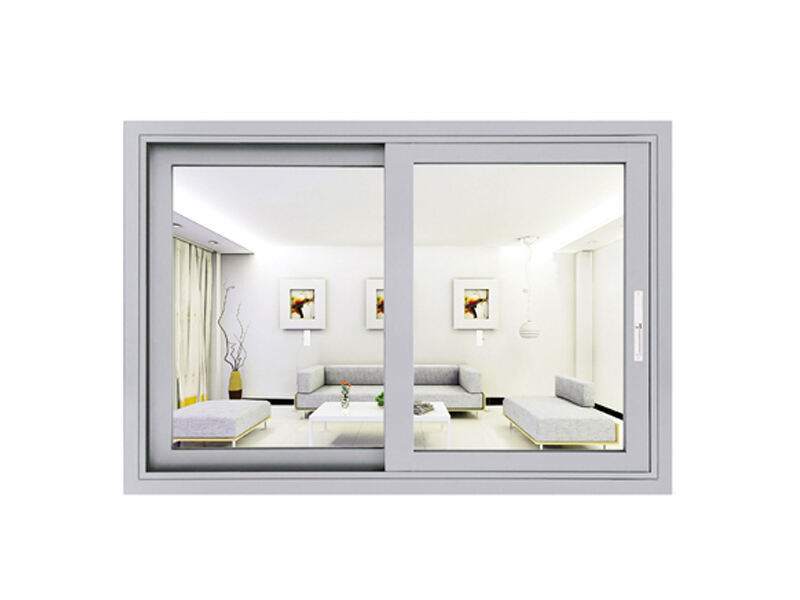
Casement window double glazing represents one of the most effective solutions for modern residential and commercial properties seeking enhanced energy efficiency and thermal performance. This advanced glazing technology combines the operational benefits of casement windows with the superior insulation properties of double-glazed units, creating a comprehensive fenestration system that delivers exceptional value for property owners. Understanding the various options available in casement window double glazing helps architects, contractors, and homeowners make informed decisions that align with their specific performance requirements and aesthetic preferences.
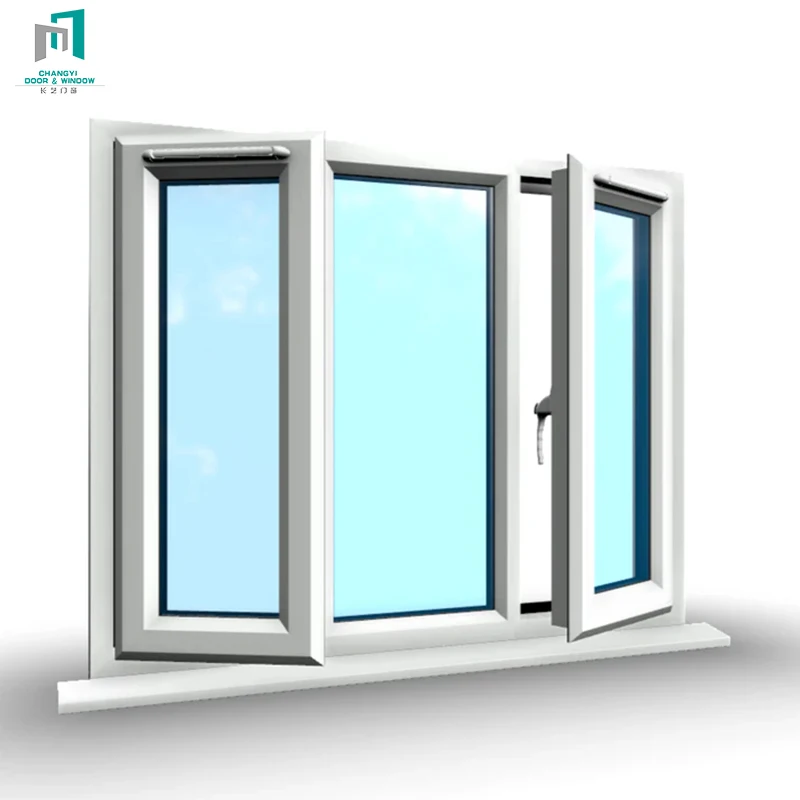
Understanding Casement Window Double Glazing Technology
Core Components and Construction Methods
The foundation of effective casement window double glazing lies in its sophisticated construction methodology, which integrates multiple high-performance components into a unified system. The primary elements include two or more glass panes separated by an insulating spacer bar, creating an enclosed air cavity that significantly reduces heat transfer through conduction and convection. Modern casement window double glazing systems utilize advanced spacer materials such as warm-edge technology, which minimizes thermal bridging at the perimeter seal while maintaining structural integrity throughout varying weather conditions.
Professional installation of casement window double glazing requires precise measurement and fitting protocols to ensure optimal performance characteristics. The glazing units must be properly sealed using high-grade sealants and gaskets that maintain airtightness while allowing for thermal expansion and contraction. Quality casement window double glazing incorporates desiccant materials within the spacer bar to absorb moisture and prevent internal condensation that could compromise visibility and thermal performance over the product's operational lifespan.
Glass Specifications and Performance Ratings
Contemporary casement window double glazing options feature various glass specifications designed to meet specific performance criteria and regulatory standards. Low-emissivity coatings applied to glass surfaces enhance thermal efficiency by reflecting long-wave infrared radiation back into interior spaces while allowing visible light transmission. These specialized coatings can be positioned on different glass surfaces within the casement window double glazing unit to optimize performance for specific climatic conditions and solar orientations.
Energy performance ratings for casement window double glazing systems are typically expressed through U-values, which measure the rate of heat transfer through the complete window assembly. Premium casement window double glazing products achieve U-values as low as 0.8 W/m²K, representing significant improvements over single-glazed alternatives. Solar heat gain coefficients and visible light transmission percentages provide additional performance metrics that influence interior comfort and energy consumption patterns in buildings equipped with advanced glazing technologies.
Frame Material Options for Enhanced Performance
UPVC Frame Systems and Advantages
UPVC frames represent the most popular choice for casement window double glazing applications due to their excellent thermal performance, durability, and cost-effectiveness. Multi-chamber UPVC profiles create additional insulation barriers that complement the thermal properties of double-glazed units, resulting in superior overall system performance. The inherent properties of UPVC materials resist moisture absorption, thermal expansion, and UV degradation, ensuring long-term dimensional stability and aesthetic appearance for casement window double glazing installations.
Modern UPVC casement window double glazing systems incorporate reinforcement elements that enhance structural performance while maintaining thermal efficiency. Steel or aluminum reinforcement bars positioned within hollow UPVC chambers provide the necessary strength for larger glazing units without creating significant thermal bridges. Advanced manufacturing techniques enable UPVC frames to accommodate various hardware configurations and opening mechanisms while preserving the integrity of weather sealing systems essential for optimal casement window double glazing performance.
Aluminum and Composite Frame Technologies
Aluminum frames offer distinct advantages for commercial and high-performance residential casement window double glazing applications, particularly where structural strength and narrow sightlines are prioritized. Thermally broken aluminum systems incorporate polyamide or polyurethane thermal barriers that interrupt heat conduction through the metal frame while maintaining structural integrity. These advanced aluminum frames can support larger glazing areas and heavier double-glazed units compared to alternative frame materials.
Composite frame technologies combine multiple materials to optimize specific performance characteristics for casement window double glazing systems. Wood-aluminum composite frames feature timber interior surfaces that provide natural insulation properties and aesthetic appeal, while aluminum exterior cladding offers weather protection and minimal maintenance requirements. Fiberglass composite frames deliver exceptional thermal stability and can be manufactured with integral thermal breaks that enhance the overall performance of casement window double glazing installations.
Installation Considerations and Best Practices
Preparation and Measurement Protocols
Successful installation of casement window double glazing begins with comprehensive site assessment and precise measurement procedures that account for structural tolerances and thermal movement requirements. Professional installers must evaluate existing opening conditions, including squareness, level, and plumb alignment, to ensure proper fit and long-term performance of the glazing system. Detailed measurements should account for installation clearances, sealant application areas, and potential structural modifications required for optimal casement window double glazing integration.
Site preparation for casement window double glazing installation involves removing existing window systems and preparing opening surfaces to receive new frames and sealing materials. Proper preparation includes cleaning debris, repairing damaged substrates, and applying appropriate primer coatings where necessary to ensure adhesion of sealants and weatherproofing materials. Installation teams must also verify that structural openings can accommodate the dimensional requirements and weight loads associated with high-performance casement window double glazing systems.
Sealing and Weather Protection Methods
Effective sealing protocols are critical for maximizing the performance benefits of casement window double glazing installations while preventing air and water infiltration issues. Primary sealing occurs at the frame-to-structure interface using structural glazing sealants or mechanical fastening systems combined with continuous weatherproofing membranes. Secondary sealing involves gasket systems and compression seals that maintain airtightness between operable sash components and fixed frame elements throughout the operational range of casement window double glazing systems.
Weather protection strategies for casement window double glazing must address both immediate installation requirements and long-term performance maintenance. Proper flashing installation around frame perimeters directs water away from critical sealing interfaces while allowing vapor transmission to prevent moisture accumulation within wall assemblies. Advanced installation techniques incorporate drainage channels and weep systems that manage condensation and incidental water penetration without compromising the thermal performance characteristics of casement window double glazing assemblies.
Energy Efficiency and Thermal Performance Benefits
Heat Transfer Reduction Mechanisms
Casement window double glazing achieves superior energy efficiency through multiple heat transfer reduction mechanisms that work synergistically to minimize thermal losses and gains. The insulating air gap between glass panes creates a thermal barrier that significantly reduces conductive heat transfer compared to single-glazed alternatives. Convective heat transfer within the sealed cavity is minimized through optimal spacing dimensions and the use of inert gas fills such as argon or krypton, which possess lower thermal conductivity than standard air.
Radiant heat transfer control represents another crucial performance aspect of modern casement window double glazing systems. Low-emissivity coatings applied to glass surfaces reflect infrared radiation while maintaining high visible light transmission, effectively reducing both winter heat loss and summer solar heat gain. The positioning and specification of these coatings can be customized based on climate zone requirements and building orientation to optimize year-round energy performance for casement window double glazing installations.
Quantified Performance Improvements
Research studies demonstrate that properly installed casement window double glazing can reduce heat loss through fenestration by 50-70% compared to single-glazed windows, resulting in substantial energy savings for heating and cooling systems. The improved thermal performance translates directly into reduced utility costs and enhanced interior comfort through more stable indoor temperatures and elimination of cold spots near window areas. Additionally, casement window double glazing contributes to reduced HVAC system sizing requirements and associated capital costs for new construction projects.
Acoustic performance benefits complement the thermal advantages of casement window double glazing, with typical sound transmission class improvements ranging from 5-15 decibels depending on glass thickness, cavity dimensions, and frame construction details. These acoustic improvements enhance occupant comfort and productivity while contributing to compliance with building codes and standards that regulate interior noise levels. The combined thermal and acoustic benefits make casement window double glazing an attractive investment for both residential and commercial applications seeking comprehensive performance enhancements.
Maintenance Requirements and Longevity Factors
Routine Maintenance Procedures
Proper maintenance of casement window double glazing systems ensures optimal performance and extends operational lifespan while preserving manufacturer warranty coverage. Regular cleaning protocols should address both interior and exterior glass surfaces using appropriate cleaning solutions and techniques that prevent scratching or damage to specialized coatings. Frame maintenance varies by material type, with UPVC systems requiring periodic cleaning and lubrication of hardware components, while aluminum frames may need inspection and replacement of weatherstripping and drainage components.
Operational maintenance for casement window double glazing includes regular inspection and adjustment of hinges, locks, and handle mechanisms to ensure smooth operation and proper sealing when closed. Weatherstrip replacement typically occurs every 5-10 years depending on exposure conditions and usage patterns, while gasket systems may require periodic inspection for compression loss or cracking that could compromise air and water sealing performance. Professional maintenance services can identify potential issues before they affect the thermal performance of casement window double glazing systems.
Performance Monitoring and Troubleshooting
Long-term performance monitoring of casement window double glazing involves regular inspection for signs of seal failure, condensation between glass panes, or hardware deterioration that could affect operational efficiency. Early detection of performance issues enables cost-effective repairs that preserve the energy efficiency benefits and prevent more extensive damage to surrounding building components. Thermal imaging surveys can identify areas of heat loss or air infiltration that may indicate maintenance needs for casement window double glazing installations.
Troubleshooting common issues with casement window double glazing requires understanding the relationship between component performance and system-wide efficiency. Drafts around closed sash elements typically indicate weatherstrip replacement needs or hardware adjustment requirements, while fogging between glass panes suggests primary seal failure requiring glazing unit replacement. Professional assessment services can determine whether repairs or complete replacement provide the most cost-effective solution for maintaining optimal casement window double glazing performance over extended service periods.
FAQ
What factors determine the optimal glass thickness for casement window double glazing systems
Glass thickness selection for casement window double glazing depends on structural requirements, acoustic performance goals, and thermal efficiency targets. Standard configurations utilize 4mm to 6mm glass thickness for each pane, with asymmetric combinations providing enhanced acoustic dampening. Larger glazing areas may require increased glass thickness to meet structural loading requirements and deflection limits, while specialized applications such as security or impact-resistant installations necessitate laminated or tempered glass options with corresponding thickness adjustments.
How does climate zone affect the specification of casement window double glazing performance characteristics
Climate zone considerations significantly influence the optimal specification of casement window double glazing systems to maximize energy efficiency and occupant comfort. Cold climate applications benefit from low-emissivity coatings positioned on surface 3 (interior surface of outer pane) to maximize heat retention, while warm climate installations may utilize coatings on surface 2 to reflect solar heat gain. Gas fill selections, spacer specifications, and frame thermal break configurations should be matched to local temperature ranges and solar exposure conditions for optimal casement window double glazing performance.
What are the typical warranty periods and coverage limitations for casement window double glazing products
Warranty coverage for casement window double glazing varies by manufacturer and component type, with glazing units typically covered for 10-20 years against seal failure and thermal performance degradation. Frame warranties generally range from 10-25 years depending on material type and manufacturing quality, while hardware components may carry shorter warranty periods of 2-10 years. Coverage limitations often exclude damage from improper installation, inadequate maintenance, or exposure to extreme weather conditions beyond design parameters, emphasizing the importance of professional installation and regular maintenance for casement window double glazing systems.
How do building codes and energy standards influence casement window double glazing selection requirements
Building codes and energy standards establish minimum performance requirements for casement window double glazing that vary by geographic location and building type. Residential energy codes typically specify maximum U-values and minimum energy ratings that glazing systems must achieve, while commercial standards may include additional requirements for daylight transmission and glare control. Compliance verification often requires third-party testing and certification of casement window double glazing performance characteristics, with documentation requirements that must be maintained throughout the building approval and inspection process.
Table of Contents
- Understanding Casement Window Double Glazing Technology
- Frame Material Options for Enhanced Performance
- Installation Considerations and Best Practices
- Energy Efficiency and Thermal Performance Benefits
- Maintenance Requirements and Longevity Factors
-
FAQ
- What factors determine the optimal glass thickness for casement window double glazing systems
- How does climate zone affect the specification of casement window double glazing performance characteristics
- What are the typical warranty periods and coverage limitations for casement window double glazing products
- How do building codes and energy standards influence casement window double glazing selection requirements