 EN
EN

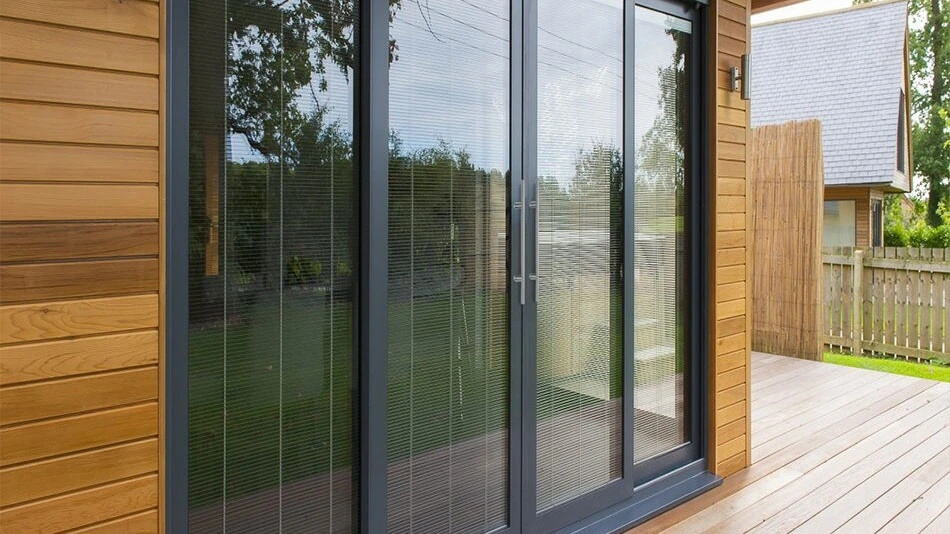
Modern homeowners increasingly prioritize energy efficiency and comfort when selecting window solutions for their properties. Casement window double glazing represents a sophisticated approach to home improvement that delivers exceptional thermal performance while maintaining aesthetic appeal. This window technology combines the traditional hinged design of casement windows with advanced double glazing systems to create superior insulation barriers against external temperature fluctuations.
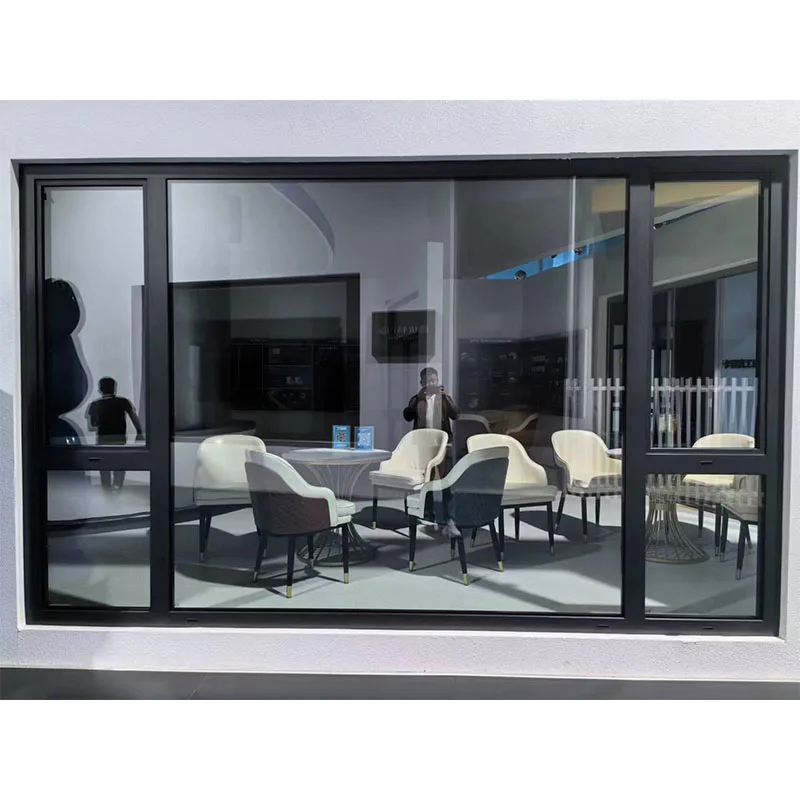
The integration of double glazing technology into casement window designs has revolutionized residential and commercial building standards. Property owners now benefit from reduced energy consumption, enhanced security features, and improved acoustic insulation through these advanced window systems. Understanding the comprehensive advantages of casement window double glazing enables informed decision-making for construction projects and renovation initiatives.
Understanding Casement Window Double Glazing Technology
Construction and Design Principles
Casement window double glazing utilizes two parallel glass panes separated by an insulating air gap or inert gas filling. This configuration creates a thermal barrier that significantly reduces heat transfer between interior and exterior environments. The window frame materials, typically aluminum, uPVC, or composite materials, integrate seamlessly with the double glazing units to form cohesive thermal envelopes.
Manufacturing processes for casement window double glazing involve precision engineering to ensure perfect sealing and alignment. The spacer bars between glass panes contain desiccant materials that prevent moisture accumulation and condensation formation. Advanced manufacturing techniques incorporate low-emissivity coatings on glass surfaces to further enhance thermal performance and energy efficiency ratings.
Thermal Performance Characteristics
The thermal efficiency of casement window double glazing depends on multiple factors including glass thickness, gap width, and gas filling composition. Argon gas filling between panes provides superior insulation compared to standard air gaps, reducing overall heat transfer coefficients. Professional installations ensure optimal performance through proper frame alignment and weatherstripping applications.
Energy efficiency ratings for casement window double glazing systems typically exceed single-pane alternatives by significant margins. These improvements translate directly into reduced heating and cooling costs throughout seasonal temperature variations. Modern double glazing systems achieve U-values as low as 1.2 W/m²K, representing substantial energy savings for residential and commercial applications.
Installation Considerations and Best Practices
Site Assessment and Measurement
Successful casement window double glazing installations begin with comprehensive site assessments and precise measurements. Professional installers evaluate existing window openings, structural considerations, and ventilation requirements to ensure optimal fit and performance. Accurate measurements prevent installation delays and ensure proper thermal sealing around window perimeters.
Building codes and regulations often specify minimum performance standards for casement window double glazing in new construction and renovation projects. Compliance with these requirements ensures safety, efficiency, and long-term durability of installed window systems. Professional contractors maintain current knowledge of local building standards and certification requirements.
Frame Integration and Sealing
Proper frame integration represents a critical component of effective casement window double glazing installations. Thermal bridges between frames and building structures must be eliminated through appropriate insulation materials and sealing techniques. Advanced installation methods incorporate continuous insulation layers that prevent heat loss around window perimeters.
Weatherstripping selection plays a vital role in maintaining long-term performance of casement window double glazing systems. High-quality sealing materials resist deterioration from temperature fluctuations, UV exposure, and mechanical wear from regular operation. Regular maintenance schedules help preserve sealing integrity and prevent energy efficiency degradation over time.
Energy Efficiency Benefits and Cost Savings
Heating and Cooling Load Reduction
Casement window double glazing significantly reduces building heating and cooling loads through improved thermal resistance. The insulating properties of double-pane construction minimize unwanted heat gain during summer months and prevent heat loss during winter periods. These thermal improvements enable HVAC systems to operate more efficiently and maintain consistent indoor temperatures.
Energy consumption analysis demonstrates that casement window double glazing can reduce overall building energy usage by fifteen to thirty percent compared to single-pane alternatives. These savings compound annually, providing substantial return on investment over the operational lifetime of installed window systems. Enhanced thermal performance also reduces peak demand loads on electrical systems during extreme weather conditions.
Long-term Financial Returns
Investment in casement window double glazing generates measurable financial returns through reduced utility costs and increased property values. Energy-efficient window systems contribute to higher building ratings in green certification programs, enhancing marketability for residential and commercial properties. Professional appraisers recognize the value of energy-efficient improvements when determining property valuations.
Maintenance costs for casement window double glazing remain minimal compared to alternative window technologies. Quality construction materials and proper installation techniques ensure decades of reliable performance with routine cleaning and basic hardware maintenance. Warranty coverage from reputable manufacturers provides additional financial protection for property owners investing in premium window systems.
Acoustic Performance and Comfort Enhancement
Sound Transmission Reduction
The dual-pane construction of casement window double glazing provides excellent acoustic insulation against external noise pollution. Air gaps between glass layers effectively dampen sound wave transmission, creating quieter indoor environments for residential and commercial occupants. Different glass thicknesses in laminated configurations further enhance sound reduction capabilities.
Urban environments with high traffic volumes or industrial noise sources particularly benefit from casement window double glazing installations. Sound transmission class ratings for quality double-glazed casement windows typically exceed single-pane alternatives by twenty to thirty decibels. These acoustic improvements contribute significantly to occupant comfort and productivity in noise-sensitive applications.
Indoor Climate Control
Consistent indoor temperatures achieved through casement window double glazing eliminate drafts and cold spots near window areas. Improved thermal uniformity reduces the need for supplemental heating or cooling equipment in perimeter zones of buildings. Occupant comfort levels increase substantially when temperature variations between window areas and interior spaces are minimized.
Humidity control benefits from casement window double glazing include reduced condensation formation on interior glass surfaces. Warmer interior pane temperatures prevent moisture accumulation that can lead to mold growth or structural damage. These humidity control advantages contribute to healthier indoor air quality and reduced maintenance requirements for window systems and surrounding building components.
Security Features and Safety Considerations
Enhanced Physical Security
Modern casement window double glazing incorporates advanced locking mechanisms and security features that exceed conventional window systems. Multi-point locking systems secure windows at multiple positions along the frame perimeter, preventing unauthorized entry attempts. Reinforced frame construction and security glazing options provide additional protection against forced entry scenarios.
Laminated glass options in casement window double glazing configurations resist impact damage and maintain barrier integrity even when damaged. These security glazing systems comply with building codes for ground-level installations and vulnerable building areas. Professional security assessments can determine appropriate glazing specifications for specific risk environments and security requirements.
Safety Glass Applications
Safety considerations for casement window double glazing include tempered glass specifications in areas where human contact risks exist. Building codes specify safety glazing requirements for windows below certain heights or in high-traffic areas. Compliance with safety standards prevents injury risks while maintaining thermal performance and aesthetic appeal of window installations.
Emergency egress requirements influence casement window double glazing design in residential applications, particularly for bedroom windows. Proper sizing and hardware selection ensure windows meet emergency exit requirements while providing optimal energy efficiency. Professional installations verify compliance with local fire safety codes and accessibility standards.
Maintenance Requirements and Longevity
Routine Maintenance Procedures
Casement window double glazing requires minimal maintenance to preserve optimal performance throughout its operational lifetime. Regular cleaning of glass surfaces and frame components maintains aesthetic appearance and prevents accumulation of debris that could affect hardware operation. Lubrication of hinges and locking mechanisms according to manufacturer specifications ensures smooth operation and prevents premature wear.
Weatherstripping inspection and replacement represents the primary maintenance requirement for casement window double glazing systems. Visual inspection of sealing materials identifies areas where replacement may be necessary to maintain energy efficiency. Professional maintenance services can provide comprehensive inspections and preventive maintenance programs for commercial installations.
Service Life Expectations
Quality casement window double glazing systems typically provide twenty-five to thirty years of reliable service with proper installation and maintenance. Sealed glazing units carry warranties against seal failure and thermal performance degradation for specific time periods. Frame materials and hardware components often exceed glazing unit service life, allowing for cost-effective glazing replacement when necessary.
Technological advances in casement window double glazing continue to extend service life expectations and improve performance characteristics. Modern spacer technologies and sealant materials resist degradation from thermal cycling and environmental exposure. Investment in premium window systems provides enhanced durability and longer replacement intervals compared to economy alternatives.
FAQ
How much energy can casement window double glazing save compared to single-pane windows
Casement window double glazing typically reduces energy consumption by fifteen to thirty percent compared to single-pane alternatives. Actual savings depend on climate conditions, building orientation, and HVAC system efficiency. Professional energy audits can provide specific savings estimates for individual properties and installations.
What maintenance is required for casement window double glazing systems
Routine maintenance includes regular cleaning of glass and frames, periodic lubrication of hardware components, and inspection of weatherstripping seals. Professional maintenance every few years helps identify potential issues before they affect performance. Most maintenance tasks can be performed by property owners with basic tools and materials.
How long do casement window double glazing systems typically last
Quality casement window double glazing systems provide twenty-five to thirty years of reliable service with proper maintenance. Sealed glazing units may require replacement after fifteen to twenty years, while frame components often last longer. Premium materials and professional installation extend overall system longevity and performance retention.
Can casement window double glazing be retrofit into existing window openings
Retrofit installation of casement window double glazing is possible in most existing window openings with proper assessment and modification. Structural considerations, opening dimensions, and local building codes influence retrofit feasibility. Professional consultation determines the most cost-effective approach for specific renovation projects and building conditions.
Table of Contents
- Understanding Casement Window Double Glazing Technology
- Installation Considerations and Best Practices
- Energy Efficiency Benefits and Cost Savings
- Acoustic Performance and Comfort Enhancement
- Security Features and Safety Considerations
- Maintenance Requirements and Longevity
-
FAQ
- How much energy can casement window double glazing save compared to single-pane windows
- What maintenance is required for casement window double glazing systems
- How long do casement window double glazing systems typically last
- Can casement window double glazing be retrofit into existing window openings