 EN
EN

Casement windows have emerged as one of the most popular and versatile window styles in modern construction, offering exceptional functionality, energy efficiency, and aesthetic appeal. These hinged windows open outward from the side, providing unobstructed views and superior ventilation control. As homeowners and builders increasingly prioritize energy efficiency and design flexibility, casement windows continue to gain prominence across residential and commercial applications. Understanding the various types, materials, and performance characteristics of casement windows is essential for making informed decisions that will enhance both comfort and property value.
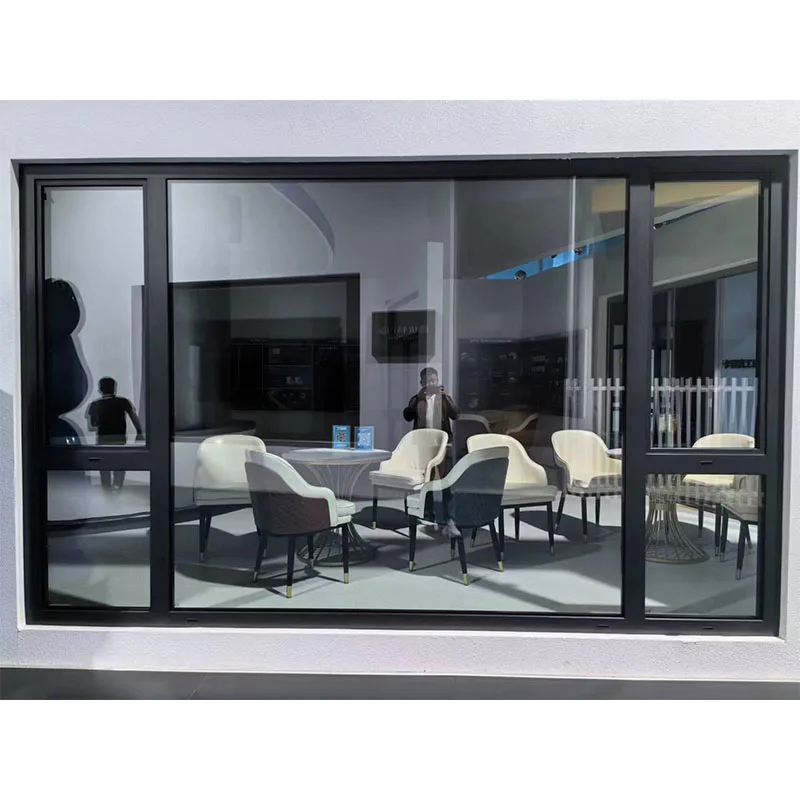
Understanding Casement Window Construction and Design
Frame Materials and Their Impact on Performance
The frame material significantly influences the performance, durability, and maintenance requirements of casement windows. Aluminum frames offer exceptional strength-to-weight ratios and resistance to corrosion, making them ideal for coastal environments and high-rise applications. Modern aluminum casement windows incorporate thermal breaks to minimize heat transfer and improve energy efficiency. Vinyl frames provide excellent insulation properties and require minimal maintenance, though they may have limitations in extreme temperature environments.
Wood frames deliver superior insulation and aesthetic appeal but require regular maintenance to prevent moisture damage and decay. Composite materials combine the benefits of different materials, offering durability and energy efficiency while reducing maintenance requirements. The choice of frame material should align with climate conditions, architectural style, and long-term maintenance preferences to ensure optimal performance throughout the window's lifespan.
Operating Mechanisms and Hardware Components
The operating mechanism of casement windows involves precision-engineered hardware components that ensure smooth operation and reliable sealing. Crank handles provide mechanical advantage for easy opening and closing, while multi-point locking systems distribute closing pressure evenly around the frame perimeter. Quality hardware includes stainless steel or brass components that resist corrosion and maintain smooth operation over thousands of cycles.
Modern casement windows feature adjustable hinges that allow for fine-tuning of the sash alignment and operation. Weather sealing systems typically include multiple sealing points with compression seals that create airtight and watertight barriers when closed. The integration of these components requires precise manufacturing tolerances and quality control to ensure long-term reliability and weather resistance.
Energy Efficiency and Performance Characteristics
Thermal Performance and Insulation Values
Energy efficiency represents a critical consideration when selecting casement windows, as these units significantly impact heating and cooling costs throughout their service life. High-performance casement windows achieve superior insulation values through advanced glazing systems, insulated frames, and precision weather sealing. Double and triple-pane glazing systems with low-emissivity coatings and inert gas fills dramatically reduce heat transfer while maintaining optical clarity.
The U-factor measurement indicates the overall heat transfer rate through the window assembly, with lower values representing better insulation performance. Premium casement windows can achieve U-factors below 0.25, representing exceptional thermal performance that meets or exceeds energy code requirements in most climates. Solar heat gain coefficients help determine the balance between solar heating benefits and cooling load impacts, allowing for climate-optimized window selection.
Air Infiltration and Weather Resistance
The compression sealing system inherent in casement window design provides superior air infiltration resistance compared to sliding window types. When properly installed and maintained, quality casement windows achieve air infiltration rates well below industry standards, contributing to improved comfort and energy efficiency. Multi-point locking systems ensure consistent sealing pressure around the entire window perimeter, eliminating potential leak paths.
Water infiltration resistance depends on proper drainage design, quality sealing systems, and appropriate installation techniques. Modern casement windows incorporate sloped sills, integrated drainage channels, and pressure-equalized designs that effectively manage water runoff and prevent infiltration. Structural performance ratings indicate the window's ability to withstand wind loads and maintain integrity during severe weather events.
Installation Considerations and Best Practices
Rough Opening Preparation and Sizing
Proper rough opening preparation forms the foundation for successful casement window installation and long-term performance. Accurate measurements ensure appropriate clearances for thermal expansion, settling, and installation adjustments while maintaining structural integrity. The rough opening should provide adequate support for the window's weight and operational loads while accommodating insulation and air sealing materials.
Structural considerations include header sizing, jack stud placement, and sill construction that can support the window's weight and operational stresses. Moisture management begins with proper flashing installation and drainage plane coordination to prevent water infiltration behind the window frame. Pre-installation planning should address utility line routing, interior finish details, and exterior cladding interfaces to ensure seamless integration.
Flashing and Weather Barrier Integration
Comprehensive water management systems protect the building structure and ensure long-term window performance through properly integrated flashing and weather barriers. Head flashing must extend beyond the window frame and integrate with the building's water-resistive barrier to direct water away from the opening. Sill flashing creates a continuous barrier that channels water to the exterior while preventing upward moisture migration.
Jamb flashing details require careful attention to ensure continuity with adjacent wall systems and proper lap sequences. Modern installation practices emphasize the use of self-adhering membranes, liquid-applied flashings, and pre-formed flashing systems that provide reliable long-term performance. Quality control during installation includes inspection of all flashing laps, sealant applications, and drainage continuity before proceeding with interior and exterior finishes.
Maintenance Requirements and Longevity
Routine Maintenance Procedures
Regular maintenance ensures optimal performance and extends the service life of casement windows while preventing minor issues from developing into costly problems. Cleaning schedules should address both glass surfaces and frame components, with particular attention to hardware lubrication and weather seal inspection. Operating mechanisms require periodic lubrication with appropriate lubricants that maintain performance across temperature ranges.
Weather seal inspection should identify signs of wear, cracking, or compression set that could compromise air and water infiltration resistance. Hardware adjustments may be necessary to maintain proper sash alignment and closing pressure as building settling occurs or components experience normal wear. Drainage system maintenance includes clearing weep holes and drainage channels of debris that could impede water management performance.
Troubleshooting Common Issues
Understanding common casement window problems enables proactive maintenance and timely repairs that prevent performance degradation. Operating difficulties often result from hardware misalignment, insufficient lubrication, or frame distortion that affects sash operation. Systematic diagnosis begins with visual inspection of hardware components, sash alignment, and frame condition to identify the root cause of operational issues.
Air infiltration problems typically originate from weather seal degradation, hardware misalignment, or installation deficiencies that create gap formations. Water infiltration issues require careful investigation of drainage systems, flashing integrity, and sealant condition to determine appropriate remedial actions. Professional evaluation may be necessary for complex problems that involve structural issues or extensive component replacement requirements.
Comparing Top Casement Window Manufacturers
Premium Brand Performance Analysis
Leading casement window manufacturers distinguish themselves through superior materials, advanced engineering, and comprehensive testing programs that validate performance claims. Premium brands typically offer extensive warranty coverage, technical support, and replacement parts availability that provide long-term value beyond initial purchase price considerations. Performance certifications from independent testing organizations verify energy efficiency, structural performance, and durability claims.
Manufacturing quality control processes ensure consistent performance across production runs and minimize field problems that could compromise installation schedules or long-term satisfaction. Advanced manufacturing techniques, including precision machining, automated assembly, and quality testing protocols, contribute to superior fit and finish that enhances both performance and aesthetic appeal. Brand reputation in the professional building community often reflects real-world performance experience across diverse applications and climate conditions.
Value-Oriented Options and Performance Trade-offs
Budget-conscious buyers can find quality casement windows that deliver reliable performance while managing initial cost considerations through careful feature selection and specification optimization. Value-oriented products may utilize standard hardware components, conventional glazing systems, or simplified frame designs that reduce manufacturing costs without compromising basic functionality and durability requirements.
Performance trade-offs in value-oriented casement windows typically involve reduced energy efficiency ratings, simplified hardware systems, or limited finish options rather than fundamental design deficiencies. Understanding these trade-offs enables informed decision-making that balances initial cost constraints with long-term performance expectations and maintenance requirements. Professional consultation can help identify the optimal balance between features, performance, and budget constraints for specific applications.
Selection Criteria for Different Applications
Residential Applications and Style Considerations
Residential casement window selection involves balancing performance requirements with architectural compatibility and aesthetic preferences that complement the home's design character. Traditional architectural styles may favor divided-lite patterns, specific proportions, or frame materials that maintain historical authenticity while incorporating modern performance features. Contemporary designs often emphasize clean lines, minimal visual interruption, and maximum glass area to optimize views and natural light.
Climate considerations significantly influence residential casement window specifications, with cold climates requiring enhanced thermal performance and hot climates emphasizing solar heat gain control and ventilation capability. Regional building codes and energy efficiency programs may mandate specific performance levels that influence product selection and installation requirements. Local installation contractor experience with specific products can affect long-term satisfaction and warranty service availability.
Commercial and Institutional Requirements
Commercial applications for casement windows often involve more stringent performance requirements, including enhanced security features, specialized glazing systems, and compliance with accessibility regulations. Building codes may mandate specific egress requirements, fall protection measures, or fire ratings that influence product selection and installation details. Life cycle cost analysis becomes particularly important in commercial applications where energy efficiency, maintenance costs, and replacement scheduling affect operational budgets.
Institutional buildings such as schools, hospitals, and government facilities may require specialized features including restricted opening limits, tamper-resistant hardware, or enhanced security glazing systems. Specification processes in commercial applications typically involve architectural review, performance testing verification, and comprehensive warranty terms that ensure long-term performance and minimize operational disruptions. Bulk purchasing opportunities and standardization benefits often influence product selection in large commercial projects.
FAQ
What are the main advantages of casement windows over other window types
Casement windows offer superior ventilation control since they can open fully to capture breezes from any direction, unlike sliding windows that provide only partial opening area. Their compression sealing system creates excellent air and water infiltration resistance, contributing to improved energy efficiency and comfort. The unobstructed glass area provides maximum views and natural light transmission, while the outward opening operation makes interior cleaning of both glass surfaces easily accessible. Additionally, casement windows offer enhanced security through multi-point locking systems that distribute locking points around the frame perimeter.
How do I determine the right size casement windows for my home
Proper casement window sizing requires accurate measurement of existing rough openings or coordination with architectural plans for new construction applications. Standard industry sizing typically follows width and height increments, though custom sizing is available for non-standard openings. Consider the window's proportional relationship to the wall and adjacent architectural features to ensure aesthetic balance. Structural requirements may limit maximum sizes, particularly in areas subject to high wind loads or seismic activity. Professional consultation ensures compliance with local building codes and optimization of performance characteristics for your specific application.
What maintenance is required to keep casement windows operating properly
Regular maintenance for casement windows includes cleaning glass surfaces and frames, lubricating operating hardware annually, and inspecting weather seals for signs of wear or damage. Hardware components such as hinges, operators, and locking mechanisms should be lubricated with appropriate products to ensure smooth operation across temperature ranges. Weather seals may require replacement every five to ten years depending on climate exposure and usage frequency. Drainage systems should be kept clear of debris, and any operational issues should be addressed promptly to prevent accelerated wear or damage to components.
How much do quality casement windows typically cost including installation
Casement window costs vary significantly based on size, materials, performance features, and installation complexity, with quality units typically ranging from moderate to premium price points depending on specifications. Premium aluminum or composite frame casement windows with high-performance glazing systems represent higher initial investments but often provide better long-term value through energy savings and reduced maintenance requirements. Installation costs depend on existing conditions, accessibility, and local labor rates, with proper installation being critical for achieving expected performance and warranty coverage. Professional estimates should include all associated costs such as permits, disposal of existing windows, interior and exterior finish work, and any necessary structural modifications.