 EN
EN

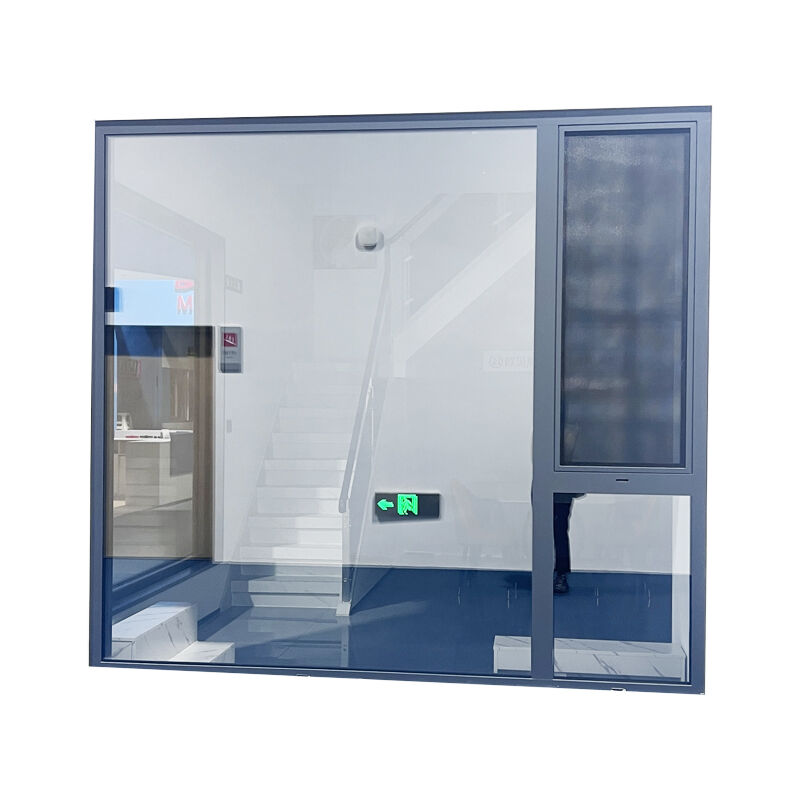
White flush casement windows have become increasingly popular among homeowners seeking a perfect blend of modern aesthetics and traditional functionality. These elegant window solutions offer a sleek, contemporary appearance while maintaining the classic appeal of casement-style operation. The flush design creates a smooth, uninterrupted surface when closed, providing superior weather sealing and enhanced security compared to traditional protruding casement windows. Understanding the benefits and considerations of white flush casement windows can help you make an informed decision for your home improvement project.
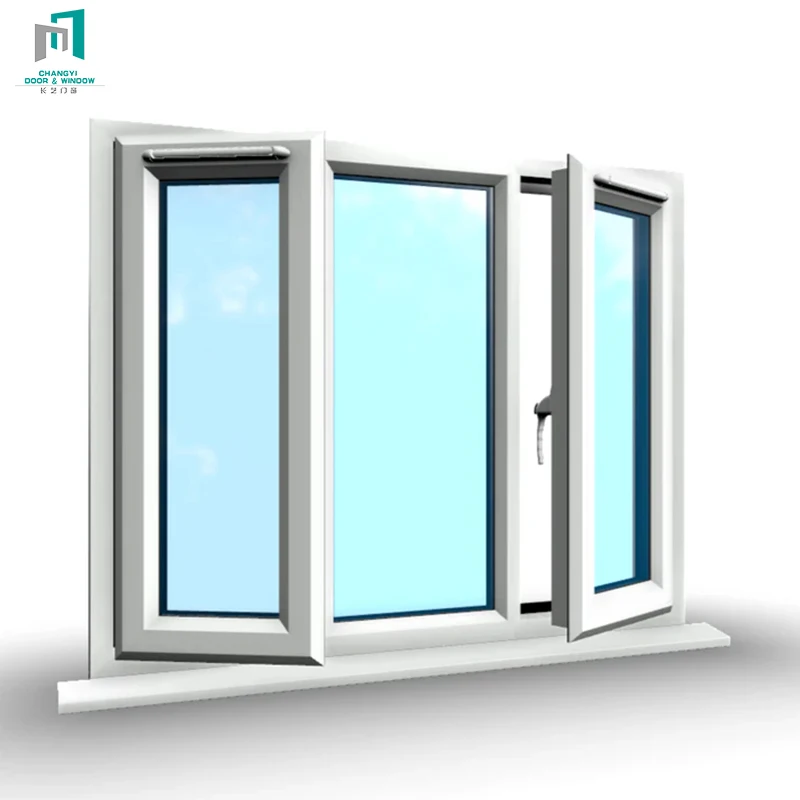
Design Features and Aesthetic Appeal
Contemporary Visual Impact
The defining characteristic of white flush casement windows lies in their streamlined appearance when closed. Unlike traditional casement windows that feature protruding hardware and visible frame elements, flush casement designs sit completely level with the window frame. This creates a clean, minimalist look that complements both modern and traditional architectural styles. The white finish provides timeless elegance while reflecting heat and maintaining energy efficiency throughout different seasons.
Property owners often choose these windows for their ability to enhance curb appeal without overwhelming existing design elements. The flush profile allows natural light to enter more effectively while maintaining privacy and security. Professional installers frequently recommend white flush casement windows for customers seeking versatile solutions that adapt to various interior design schemes and exterior color palettes.
Hardware Integration and Functionality
Advanced hardware systems in white flush casement windows ensure smooth operation while maintaining the sleek aesthetic appeal. Multi-point locking mechanisms distribute security points along the window frame, creating superior protection compared to single-point locking systems. The flush design accommodates concealed hinges and operating mechanisms that remain hidden when the window is closed, preserving the clean visual lines.
Quality manufacturers integrate weather stripping and sealing systems directly into the flush frame design. This approach eliminates potential weak points where air and moisture might penetrate, resulting in improved energy efficiency and reduced maintenance requirements. The hardware components typically feature corrosion-resistant finishes that maintain their appearance and functionality over extended periods.
Energy Efficiency and Performance Benefits
Thermal Performance Characteristics
Energy-conscious homeowners increasingly select white flush casement windows for their superior thermal performance capabilities. The flush design eliminates thermal bridging points that commonly occur in traditional window systems, reducing heat transfer and improving overall insulation values. Multi-chambered frame profiles work in conjunction with advanced glazing systems to create effective thermal barriers.
Professional energy auditors consistently measure improved heating and cooling efficiency in homes equipped with quality flush casement windows. The white exterior finish reflects solar heat during summer months, reducing cooling costs, while the enhanced sealing properties minimize heat loss during winter periods. These performance characteristics often qualify homeowners for energy efficiency rebates and tax incentives in many regions.
Weather Resistance and Durability
The flush design of these windows provides exceptional weather resistance through improved sealing technology and reduced exposure to harsh environmental conditions. When properly installed, white flush casement windows create virtually airtight seals that prevent water infiltration and air leakage. The smooth exterior surface minimizes areas where debris and moisture can accumulate, reducing long-term maintenance requirements.
High-quality materials and manufacturing processes ensure these windows withstand extreme weather conditions while maintaining their appearance and functionality. UV-resistant finishes prevent color fading and material degradation, while reinforced frame construction provides structural integrity during high winds and temperature fluctuations. Many manufacturers offer extensive warranties covering both materials and installation, reflecting confidence in long-term performance.
Installation Considerations and Requirements
Professional Installation Standards
Successful installation of white flush casement windows requires specialized knowledge and precision techniques to achieve optimal performance. Professional installers must ensure proper frame alignment and sealing to maintain the flush appearance while maximizing energy efficiency. The installation process typically involves careful measurement, frame preparation, and precise positioning to achieve the seamless integration that defines these window systems.
Experienced contractors understand the importance of proper flashing and weatherproofing techniques specific to flush casement window installations. These specialized requirements differ from traditional window installation methods and require updated skills and tools. Homeowners should verify that their chosen installer has specific experience with flush casement window systems to ensure optimal results and warranty compliance.
Structural and Building Code Compliance
Building codes and structural requirements significantly impact the installation of white flush casement windows in both new construction and renovation projects. Local regulations may specify minimum energy efficiency ratings, structural load requirements, and safety glass specifications that affect product selection and installation methods. Professional contractors stay current with these requirements to ensure compliance and avoid costly modifications during or after installation.
Structural considerations include adequate support for larger window openings and proper integration with existing building envelope systems. The flush design may require modifications to existing trim and siding configurations, particularly in renovation projects. Planning these modifications in advance helps prevent delays and ensures seamless integration with existing architectural elements.
Maintenance and Long-term Care
Routine Maintenance Protocols
White flush casement windows require minimal maintenance when properly cared for, making them attractive options for busy homeowners. Regular cleaning of glass surfaces and frame components maintains appearance and prevents buildup of dirt and debris that could affect operation. The smooth flush surfaces facilitate easy cleaning compared to traditional windows with protruding hardware and complex frame geometries.
Periodic inspection of weather stripping, hardware operation, and frame integrity helps identify potential issues before they become costly problems. Professional maintenance services often recommend annual inspections to verify proper operation and address any minor adjustments needed to maintain optimal performance. The white finish typically requires occasional cleaning with appropriate materials to maintain its appearance and reflective properties.
Longevity and Replacement Considerations
Quality white flush casement windows typically provide decades of reliable service when properly maintained and operated. The durable materials and advanced manufacturing processes used in premium products resist common failure modes that affect lower-quality alternatives. Understanding the expected lifespan helps homeowners plan for future maintenance and replacement costs as part of their long-term home ownership strategy.
Technological advances continue to improve the performance and durability of white flush casement windows, with newer models offering enhanced energy efficiency and security features. Homeowners considering replacement should evaluate current window performance against available upgrades to determine optimal timing for window replacement projects. Professional assessments can help identify when replacement provides better value than continued maintenance of existing windows.
Cost Analysis and Value Proposition
Initial Investment Considerations
The upfront cost of white flush casement windows typically exceeds that of standard casement or double-hung window options due to their specialized design and manufacturing requirements. However, the investment often provides excellent value through improved energy efficiency, enhanced security, and increased property value. Homeowners should consider total cost of ownership, including energy savings and maintenance costs, when evaluating different window options.
Premium white flush casement windows may qualify for energy efficiency incentives and tax credits that offset initial purchase costs. These programs vary by location and change periodically, so homeowners should research available incentives before making their final selection. Professional contractors often assist with incentive applications and can recommend products that maximize available benefits.
Return on Investment Analysis
Real estate professionals consistently report that quality window upgrades, including white flush casement windows, provide strong returns on investment through increased property values and enhanced marketability. The modern appearance and energy efficiency benefits appeal to prospective buyers and can accelerate home sales in competitive markets. Energy savings accumulate over time, further improving the overall return on investment.
Comparative studies demonstrate that homes equipped with quality white flush casement windows often command premium prices compared to similar properties with standard window systems. The enhanced curb appeal and documented energy performance create tangible value that appraisers and buyers recognize. Long-term owners benefit from reduced utility costs and maintenance requirements throughout their ownership period.
FAQ
How do white flush casement windows differ from traditional casement windows
White flush casement windows feature a completely flat exterior surface when closed, with all hardware and frame elements sitting flush with the window opening. Traditional casement windows have protruding hinges, handles, and frame components that create an uneven exterior surface. The flush design provides better weather sealing, enhanced security through multi-point locking, and a more contemporary aesthetic appeal that complements both modern and traditional architecture.
What energy efficiency benefits can I expect from white flush casement windows
These windows typically provide superior energy efficiency through enhanced sealing technology, elimination of thermal bridging points, and reflective white finishes that reduce solar heat gain. The flush design creates tighter seals that minimize air leakage, while advanced frame materials and glazing systems improve insulation values. Many homeowners report 15-25% reductions in heating and cooling costs after installing quality white flush casement windows, with actual savings depending on climate conditions and existing window performance.
Are white flush casement windows suitable for all architectural styles
White flush casement windows offer remarkable versatility and complement virtually all architectural styles when properly selected and installed. Their clean lines work particularly well with contemporary and minimalist designs, while the white finish provides timeless appeal for traditional and colonial-style homes. The flush profile allows these windows to integrate seamlessly with existing trim and siding configurations, making them excellent choices for both new construction and renovation projects across diverse architectural preferences.
What maintenance is required to keep white flush casement windows in optimal condition
White flush casement windows require minimal maintenance due to their smooth surfaces and quality construction materials. Regular cleaning with appropriate window cleaning products maintains their appearance, while periodic inspection of weather stripping and hardware ensures continued optimal performance. Annual professional inspections help identify any adjustments needed to maintain proper operation and energy efficiency. The flush design actually simplifies maintenance compared to traditional windows by eliminating hard-to-reach areas where dirt and debris typically accumulate.
Table of Contents
- Design Features and Aesthetic Appeal
- Energy Efficiency and Performance Benefits
- Installation Considerations and Requirements
- Maintenance and Long-term Care
- Cost Analysis and Value Proposition
-
FAQ
- How do white flush casement windows differ from traditional casement windows
- What energy efficiency benefits can I expect from white flush casement windows
- Are white flush casement windows suitable for all architectural styles
- What maintenance is required to keep white flush casement windows in optimal condition