 EN
EN

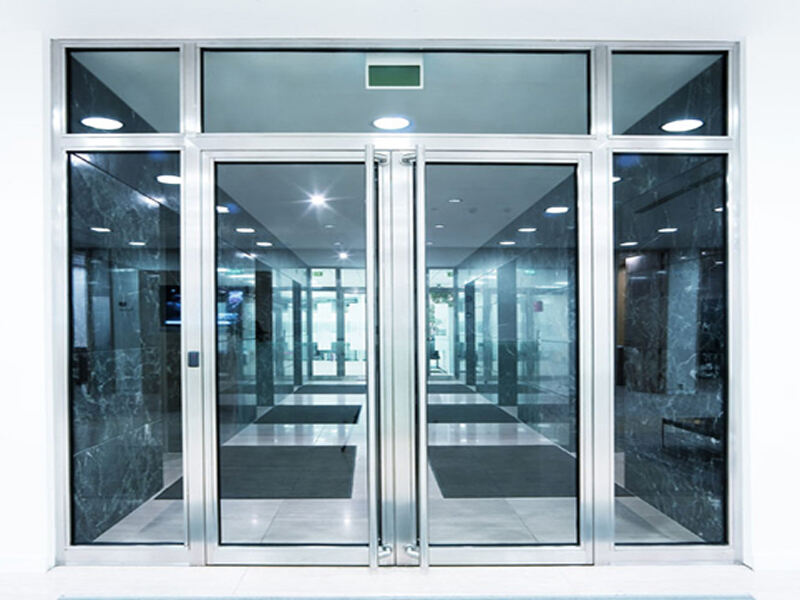
The modern architectural landscape continues to embrace minimalist design principles, where clean lines and uncluttered aesthetics define contemporary living spaces. White flush casement windows have emerged as a cornerstone of this design philosophy, offering homeowners and architects an elegant solution that seamlessly blends functionality with visual appeal. These sophisticated window systems provide the perfect balance between natural light maximization and streamlined architectural expression, making them an increasingly popular choice for both residential and commercial applications.
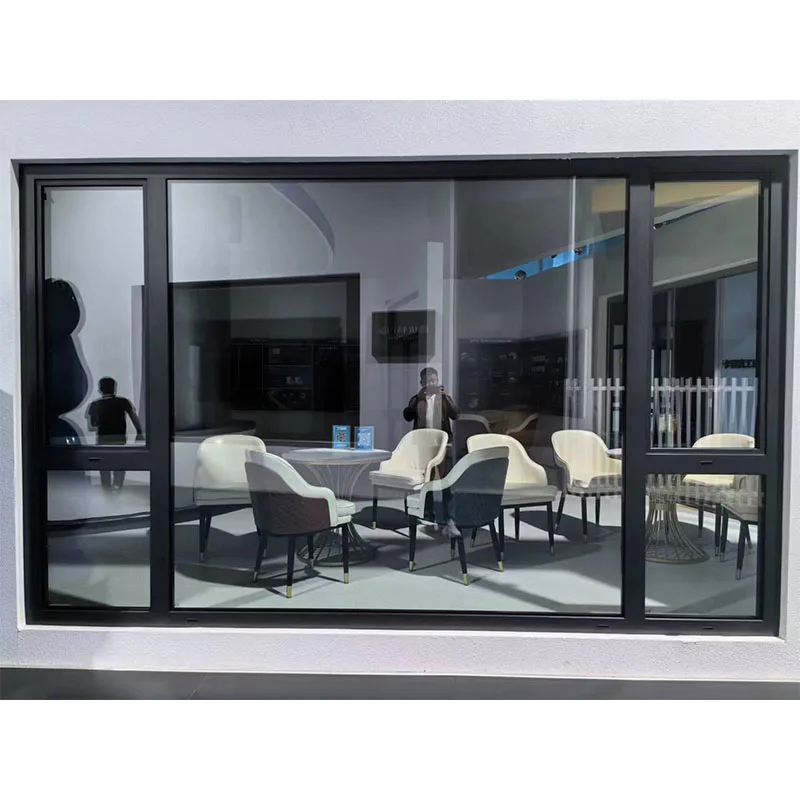
The appeal of white flush casement windows extends beyond their aesthetic contribution to encompass practical benefits that align with contemporary building standards. Their flush-mounted design creates uninterrupted sightlines while maintaining superior weather resistance and energy efficiency. As building regulations become increasingly stringent regarding thermal performance, these window systems offer architects and builders a reliable solution that meets both regulatory requirements and design aspirations.
Understanding the Minimalist Design Philosophy
Core Principles of Minimalist Architecture
Minimalist architecture revolves around the concept of reducing elements to their essential functions while maintaining visual harmony. This design philosophy emphasizes the importance of negative space, clean geometric forms, and the strategic use of natural materials. White flush casement windows align perfectly with these principles by eliminating unnecessary visual clutter through their streamlined profiles and seamless integration with wall surfaces.
The minimalist approach prioritizes quality over quantity, focusing on fewer but more impactful design elements. In this context, window selection becomes crucial as these features significantly influence both interior and exterior aesthetics. The clean, unadorned surfaces of flush casement windows contribute to the overall sense of calm and order that defines minimalist spaces.
Color Psychology and White in Design
White serves as more than just a neutral backdrop in minimalist design; it actively contributes to the psychological impact of living spaces. The color white reflects light effectively, creating an impression of spaciousness and airiness that enhances the minimalist aesthetic. When applied to window frames, white provides a crisp contrast against various wall colors while maintaining visual continuity.
Research in environmental psychology demonstrates that white environments can promote feelings of cleanliness, simplicity, and mental clarity. White flush casement windows capitalize on these psychological benefits while serving as transitional elements between interior and exterior spaces. This color choice also offers practical advantages, as white surfaces tend to reflect heat rather than absorb it, contributing to improved energy efficiency.
Technical Specifications and Performance Features
Flush Mounting Technology
The flush mounting system represents a significant advancement in window technology, allowing the sash to sit perfectly aligned with the frame when closed. This design eliminates the traditional stepped appearance of conventional casement windows, creating a smooth, uninterrupted surface that enhances the minimalist aesthetic. The precision engineering required for flush mounting ensures consistent gaps and alignments that contribute to both visual appeal and functional performance.
Modern flush casement systems utilize advanced hardware mechanisms that maintain the tight tolerances necessary for proper sealing while allowing smooth operation. The integration of multi-point locking systems within the flush design provides enhanced security without compromising the clean lines that define these white flush casement windows. This technological sophistication ensures that aesthetic considerations do not sacrifice practical functionality.
Energy Efficiency and Thermal Performance
Contemporary white flush casement windows incorporate advanced glazing technologies and thermal break systems to achieve superior energy performance ratings. Double or triple glazing configurations with low-emissivity coatings minimize heat transfer while maintaining optimal light transmission. The flush design contributes to improved thermal performance by reducing air infiltration points that commonly occur in traditional window profiles.
Thermal bridging, a significant concern in aluminum window systems, is addressed through sophisticated insulation techniques integrated into the frame design. These thermal barriers prevent heat conduction between interior and exterior frame components, maintaining consistent indoor temperatures while reducing energy consumption. The result is a window system that supports sustainable building practices without compromising the desired aesthetic outcomes.
Installation Considerations and Best Practices
Structural Requirements and Planning
Successful installation of white flush casement windows requires careful consideration of structural elements and building envelope integration. The flush mounting system demands precise rough opening dimensions and proper structural support to ensure optimal performance. Planning phases should include detailed measurements and coordination with other building systems to avoid conflicts during installation.
Load-bearing calculations become particularly important when installing larger casement windows, as the flush design may require additional structural reinforcement compared to traditional mounting methods. Professional assessment of existing wall systems ensures that the installation process does not compromise building integrity while achieving the desired aesthetic goals. Proper planning also addresses waterproofing and air sealing requirements specific to flush-mounted systems.
Weather Sealing and Moisture Management
The flush design of these casement windows requires specialized sealing techniques to prevent water infiltration and air leakage. Multi-stage weather sealing systems create redundant barriers against moisture penetration while maintaining the clean appearance that defines flush mounting. These sealing systems must accommodate building movement and thermal expansion without compromising performance or aesthetics.
Proper drainage channel design within the window frame ensures that any moisture that penetrates the primary seal is effectively removed before it can cause damage. This drainage system integration is particularly critical in flush-mounted applications where traditional weep hole locations may compromise the desired appearance. Advanced materials and installation techniques address these challenges while maintaining the minimalist aesthetic that makes white flush casement windows so appealing.
Maintenance and Long-term Performance
Cleaning and Care Protocols
The smooth surfaces and minimal detailing of white flush casement windows simplify maintenance requirements compared to more ornate window designs. Regular cleaning protocols focus on maintaining the pristine white finish while preserving the hardware mechanisms that enable smooth operation. Non-abrasive cleaning solutions and proper technique prevent surface damage that could compromise both appearance and performance.
Hardware lubrication schedules ensure continued smooth operation of the casement mechanisms while preventing premature wear that could affect the flush alignment. The accessibility of hardware components in quality flush casement systems facilitates routine maintenance without requiring specialized tools or professional service for basic upkeep tasks.
Durability and Lifecycle Considerations
High-quality white flush casement windows are engineered for extended service life with minimal performance degradation over time. The materials and finishes used in premium systems resist fading, chalking, and other weathering effects that could compromise the clean white appearance essential to minimalist design schemes. Proper material selection during the specification phase ensures long-term color stability and structural integrity.
Replacement part availability and system upgradeability become important considerations when selecting flush casement systems for long-term building applications. Manufacturers that provide comprehensive warranty coverage and ongoing technical support help ensure that the investment in white flush casement windows continues to deliver value throughout the building's lifecycle. This long-term perspective aligns with sustainable building practices and lifecycle cost analysis.
Design Integration Strategies
Interior Space Enhancement
The installation of white flush casement windows creates opportunities for enhanced interior design integration that supports minimalist principles throughout the living space. The clean window profiles serve as neutral elements that allow other design features to take prominence while contributing to overall visual coherence. Strategic placement of these windows can frame exterior views while maintaining the uncluttered aesthetic essential to minimalist interiors.
Light management becomes a crucial consideration when integrating white flush casement windows into minimalist spaces. The clean white frames maximize light reflection and distribution, creating brighter interior environments that require less artificial lighting during daylight hours. This natural illumination enhancement supports the minimalist preference for reducing unnecessary elements while improving the overall quality of interior spaces.
Exterior Facade Coordination
The external appearance of white flush casement windows must coordinate with overall facade design to achieve cohesive architectural expression. The flush mounting technique allows these windows to integrate seamlessly with various exterior cladding systems while maintaining the clean lines that define contemporary minimalist architecture. Proper coordination between window installation and cladding work ensures optimal aesthetic outcomes.
Color coordination between window frames and exterior elements requires careful consideration of undertones and finish characteristics to avoid visual conflicts. White flush casement windows provide flexibility in facade design while establishing a consistent visual theme that unifies diverse exterior materials. This coordination supports the minimalist principle of visual harmony while accommodating practical building requirements.
Cost Considerations and Value Analysis
Initial Investment and Budget Planning
The premium nature of white flush casement windows reflects the sophisticated engineering and manufacturing precision required to achieve their distinctive appearance and performance characteristics. Budget planning must account for both the window units themselves and the specialized installation requirements that ensure optimal results. This initial investment often proves cost-effective when considering long-term performance and maintenance benefits.
Comparative analysis with alternative window systems should include lifecycle cost considerations rather than focusing solely on initial purchase price. The energy efficiency benefits and reduced maintenance requirements of quality flush casement systems often offset higher upfront costs through operational savings over the building's service life. This holistic approach to cost analysis supports informed decision-making that aligns with minimalist design goals.
Return on Investment Factors
Property value enhancement represents a significant factor in the return on investment calculation for white flush casement windows. The contemporary appeal and energy efficiency of these systems contribute to increased property marketability and potential sale value. Real estate market analysis consistently shows preference for homes featuring modern window systems that align with current design trends.
Energy cost savings provide ongoing returns through reduced heating and cooling expenses enabled by the superior thermal performance of modern flush casement systems. These operational savings accumulate over time while contributing to reduced environmental impact through decreased energy consumption. The combination of aesthetic enhancement and practical benefits supports strong return on investment for quality white flush casement windows.
FAQ
What makes flush casement windows different from traditional casement designs
Flush casement windows feature a sash that closes perfectly aligned with the frame face, creating a smooth, uninterrupted surface when closed. Traditional casement windows have a stepped appearance where the sash overlaps the frame. This flush design eliminates visual breaks and shadow lines, contributing to the clean aesthetic preferred in minimalist architecture while often improving weather sealing and thermal performance.
How do white flush casement windows contribute to energy efficiency
White flush casement windows enhance energy efficiency through multiple mechanisms. The flush design reduces air infiltration points compared to traditional overlapping systems. White frame colors reflect rather than absorb solar heat, reducing cooling loads. Advanced glazing systems and thermal break technology minimize heat transfer, while the precision engineering of flush systems ensures consistent sealing that prevents energy losses through gaps or misalignments.
Are white flush casement windows suitable for all architectural styles
While white flush casement windows are particularly well-suited to contemporary and minimalist architectural styles, they can complement various design approaches when properly specified. Their clean lines work well in modern, transitional, and even some traditional applications where updated window systems are desired. The key is ensuring that the flush design and white color coordinate with the overall architectural character and material palette of the building.
What maintenance is required to keep white flush casement windows looking pristine
Maintaining white flush casement windows requires regular cleaning with non-abrasive solutions to preserve the white finish and prevent dirt accumulation in the flush joints. Annual lubrication of hardware components ensures smooth operation and prevents wear that could affect the flush alignment. Periodic inspection of weather sealing and drainage systems helps maintain optimal performance. The smooth surfaces and minimal detailing of flush designs actually simplify maintenance compared to more complex window profiles.