 EN
EN

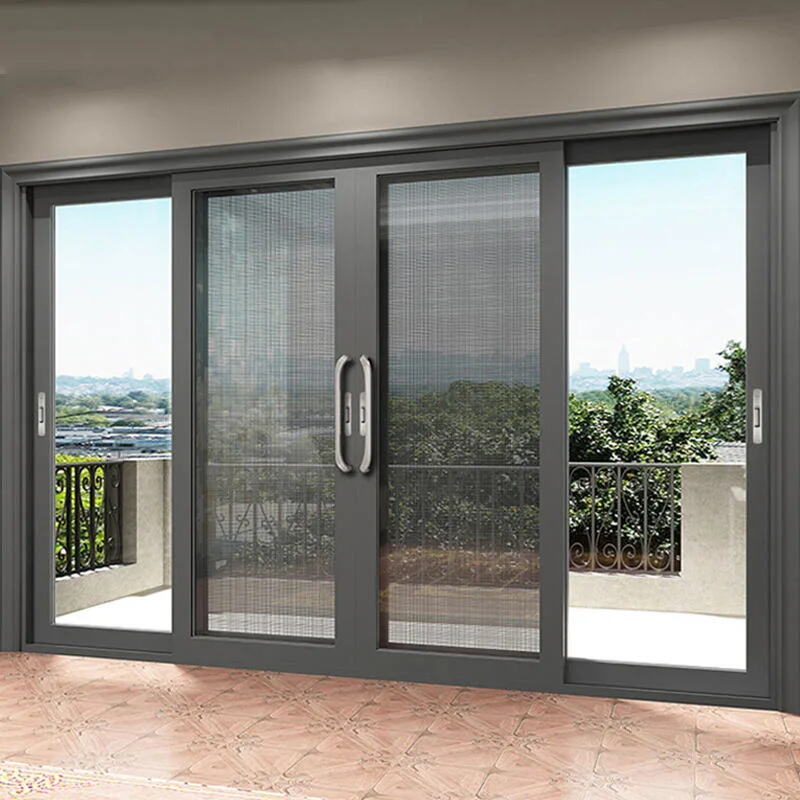
A top hung casement window represents one of the most versatile and functional window designs available for modern residential and commercial applications. These windows operate by hinging at the top and opening outward from the bottom, creating an awning-like effect that provides excellent ventilation while maintaining weather protection. Understanding proper maintenance and care techniques for your top hung casement window ensures optimal performance, longevity, and energy efficiency throughout its operational lifespan.
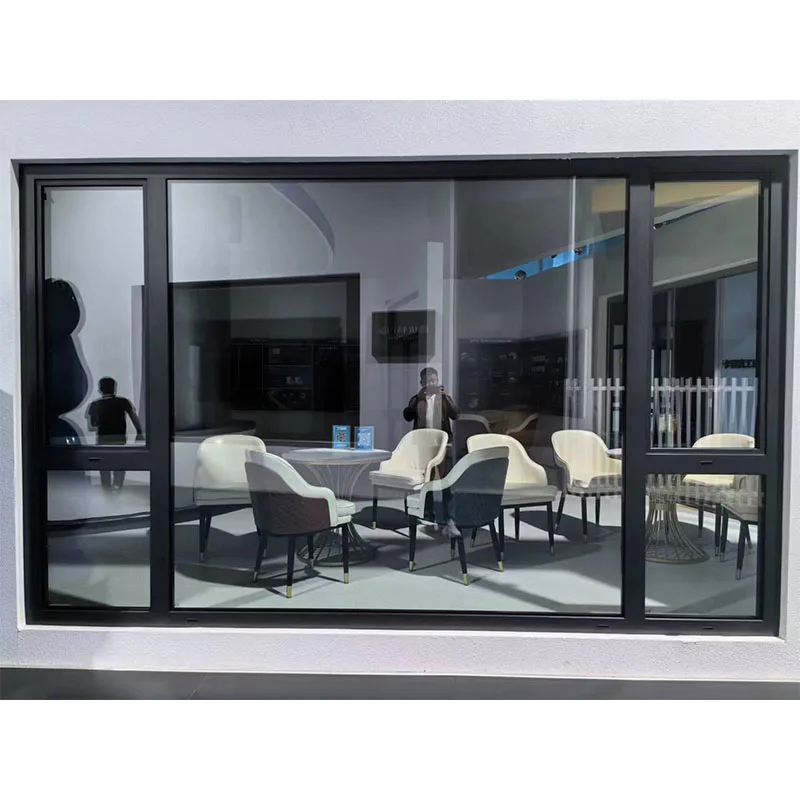
Modern top hung casement window systems incorporate advanced materials and engineering principles that require specific maintenance approaches. The unique operating mechanism of these windows, combined with their exposure to varying weather conditions, creates particular maintenance requirements that differ from traditional sliding or double-hung window systems. Regular care and attention to these specialized needs will preserve the window's functionality and aesthetic appeal for decades.
Understanding Top Hung Casement Window Components
Hardware and Operating Mechanisms
The hardware system of a top hung casement window includes several critical components that require regular inspection and maintenance. The primary hinge mechanism at the top of the window frame supports the entire weight of the sash while allowing smooth opening and closing operations. These hinges typically feature ball bearings or bushings that may require periodic lubrication to maintain smooth operation.
Window operators, whether manual crank handles or automated systems, control the opening angle and secure the window in various positions. The worm gear mechanism within manual operators can accumulate dirt and debris over time, potentially causing binding or irregular operation. Regular cleaning and lubrication of these components prevents premature wear and ensures consistent performance.
Weatherstripping and sealing components around the window frame create the essential barrier against air infiltration and water penetration. These rubber or vinyl seals compress when the top hung casement window closes, creating an airtight seal. Over time, these materials can become compressed, cracked, or degraded, requiring replacement to maintain energy efficiency.
Frame and Sash Construction
The frame and sash construction of a top hung casement window typically utilizes aluminum, vinyl, wood, or composite materials, each requiring specific maintenance approaches. Aluminum frames offer excellent durability but may develop oxidation or corrosion in coastal environments. Regular cleaning with appropriate cleaners and protective treatments helps maintain the aluminum's appearance and integrity.
Vinyl frames require minimal maintenance but can accumulate dirt and grime in textured surfaces or color variations. Wood frames demand the most attention, requiring periodic refinishing, sealing, and treatment to prevent moisture damage, rot, or insect infestation. Composite materials combine various maintenance requirements depending on their specific composition and manufacturing process.
Glass panels within the top hung casement window system may include single, double, or triple glazing configurations with various coatings and gas fills. Understanding the specific glass type and treatments helps determine appropriate cleaning methods and identifies potential issues such as seal failure or coating degradation that may affect performance.
Routine Cleaning and Inspection Procedures
Daily and Weekly Maintenance Tasks
Daily maintenance of your top hung casement window involves simple visual inspections and basic cleaning tasks that prevent minor issues from developing into major problems. Check the window operation by opening and closing it fully, noting any resistance, unusual sounds, or irregular movement patterns. These early warning signs often indicate developing hardware issues that can be addressed before causing significant damage.
Weekly cleaning of glass surfaces maintains visibility and prevents the accumulation of dirt, pollen, or environmental contaminants that can become more difficult to remove over time. Use appropriate glass cleaners and lint-free cloths to avoid streaking or scratching the glass surface. Pay particular attention to corners and edges where debris tends to accumulate.
Inspect the weatherstripping and sealing materials weekly for signs of wear, compression, or damage. Look for gaps, tears, or areas where the seal has pulled away from the frame. Early detection of seal problems allows for prompt repairs that prevent air infiltration and water penetration issues.
Monthly Deep Cleaning Protocols
Monthly deep cleaning of your top hung casement window involves more thorough attention to all components and surfaces. Remove accumulated dirt and debris from the window tracks, sill areas, and drainage channels. Use a vacuum cleaner with appropriate attachments to remove loose debris, followed by damp cleaning with mild detergent solutions.
Clean and inspect all hardware components, including hinges, operators, and locking mechanisms. Apply appropriate lubricants to moving parts according to manufacturer specifications. Avoid over-lubrication, which can attract dirt and debris, creating operational problems over time.
Examine the frame and sash materials for signs of damage, wear, or deterioration. Look for cracks, chips, scratches, or discoloration that may indicate material degradation or environmental damage. Address minor issues promptly to prevent more extensive damage that may require professional repair or replacement.
Seasonal Maintenance Requirements
Spring Preparation and Inspection
Spring maintenance of your top hung casement window focuses on preparing the window system for increased usage during warmer months and addressing any damage that may have occurred during winter weather conditions. Thoroughly inspect all weatherstripping and sealing materials for winter damage, including cracking, shrinkage, or loss of elasticity due to temperature fluctuations.
Check drainage systems and weep holes to ensure proper water management during spring rains. Clear any blockages caused by debris, ice, or biological growth that may have accumulated during the dormant season. Test the window operation after winter storage or minimal use to identify any hardware issues that require attention.
Spring cleaning should include thorough washing of both interior and exterior surfaces, paying particular attention to accumulated salt, dirt, or environmental contaminants from winter weather. This comprehensive cleaning reveals any damage or wear that may not have been visible under winter conditions.
Winter Protection and Preparation
Winter preparation for your top hung casement window involves specific steps to protect the window system from harsh weather conditions and ensure continued operation throughout the cold season. Apply weatherstripping treatments or replacements as needed to maintain optimal sealing performance when heating costs are highest.
Lubricate all moving parts with cold-weather appropriate lubricants that maintain their properties at low temperatures. Standard lubricants may become thick or ineffective in cold conditions, causing hardware binding or operational difficulties.
Consider installing storm window protection or temporary weatherization measures for top hung casement window installations in harsh climate zones. These additional protective measures reduce energy loss and protect the primary window system from extreme weather conditions.
Troubleshooting Common Issues
Operational Problems and Solutions
Common operational issues with top hung casement window systems include difficulty opening or closing, irregular movement, or failure to maintain desired positions. These problems often stem from hardware wear, debris accumulation, or improper lubrication. Systematic troubleshooting begins with visual inspection of all moving components and identification of specific problem areas.
Binding or sticking during operation typically indicates debris in the tracks, worn hardware components, or inadequate lubrication. Clean all contact surfaces thoroughly and apply appropriate lubricants to moving parts. If problems persist, inspect hardware components for wear or damage that may require professional repair or replacement.
Windows that fail to maintain their position when opened often have worn or damaged operator mechanisms or insufficient friction in the hinge system. These issues may require hardware adjustment, component replacement, or professional service to restore proper functionality.
Weather-Related Damage Assessment
Weather-related damage to top hung casement window systems can manifest in various forms, from obvious physical damage to subtle performance degradation. High winds can stress the hinge mechanisms and cause frame distortion, while hail or debris impact may damage glass or frame surfaces.
Water infiltration issues often develop gradually and may not be immediately apparent. Look for signs of moisture damage around the window frame, including discoloration, warping, or mold growth. These indicators suggest compromised sealing systems that require prompt attention to prevent structural damage.
Temperature extremes can cause expansion and contraction of window components, potentially affecting fit and operation. Monitor your top hung casement window performance during extreme temperature conditions and adjust hardware settings as needed to maintain proper operation.
Professional Maintenance and Service
When to Contact Service Professionals
While many maintenance tasks for your top hung casement window can be performed by property owners, certain situations require professional expertise and specialized tools. Structural damage to the frame or sash, major hardware failures, or glass replacement typically exceed the scope of routine maintenance and require professional service.
Complex operational issues that persist despite routine maintenance efforts may indicate underlying problems that require diagnostic expertise and specialized repair techniques. Professional technicians have access to manufacturer-specific parts, tools, and technical information that enable comprehensive repairs and adjustments.
Annual professional inspections provide objective assessment of your top hung casement window condition and performance. These comprehensive evaluations identify potential issues before they become major problems and ensure compliance with manufacturer warranty requirements.
Warranty and Service Documentation
Maintaining detailed records of your top hung casement window maintenance activities, repairs, and professional services supports warranty claims and helps track performance trends over time. Document all cleaning schedules, lubrication activities, component replacements, and observed performance changes.
Manufacturer warranty requirements often specify maintenance schedules and approved service procedures that must be followed to maintain warranty coverage. Understanding these requirements and maintaining compliance protects your investment and ensures access to warranty repairs or replacements when needed.
Keep copies of all service receipts, parts replacement records, and professional inspection reports in a dedicated file for each window system. This documentation proves valuable for warranty claims, insurance purposes, and future service requirements.
FAQ
How often should I lubricate the hardware on my top hung casement window
Hardware lubrication for your top hung casement window should be performed every six months under normal conditions, with more frequent attention in harsh environments or high-usage applications. Use manufacturer-recommended lubricants applied sparingly to all moving parts including hinges, operators, and locking mechanisms. Avoid over-lubrication which can attract dirt and debris, creating operational problems over time.
What are the signs that weatherstripping needs replacement on a top hung casement window
Weatherstripping replacement becomes necessary when you notice visible cracking, permanent compression, loss of elasticity, or gaps when the window is closed. Other indicators include increased air infiltration, higher energy bills, condensation issues, or water penetration during rain. Quality weatherstripping materials typically last 5-10 years depending on environmental conditions and usage patterns, but should be inspected annually for early detection of deterioration.
Can I adjust the operation of my top hung casement window myself
Basic operational adjustments such as lubrication, cleaning, and minor hardware tightening can be performed by most property owners using standard tools and following manufacturer instructions. However, major adjustments involving frame alignment, hardware replacement, or complex operational issues should be handled by qualified professionals to avoid damage and maintain warranty coverage. Always consult your owner's manual and consider professional service for significant problems.
What cleaning products are safe to use on different top hung casement window materials
Cleaning product selection depends on your specific window materials, with mild dish soap solutions being safe for most applications. Aluminum frames tolerate stronger cleaners but avoid abrasive materials that can scratch surfaces. Vinyl frames require gentle cleaners without harsh chemicals that can cause discoloration. Wood frames need specialized wood cleaners and treatments, while glass surfaces work best with commercial glass cleaners or vinegar solutions. Always test cleaning products on inconspicuous areas before general application.
Table of Contents
- Understanding Top Hung Casement Window Components
- Routine Cleaning and Inspection Procedures
- Seasonal Maintenance Requirements
- Troubleshooting Common Issues
- Professional Maintenance and Service
-
FAQ
- How often should I lubricate the hardware on my top hung casement window
- What are the signs that weatherstripping needs replacement on a top hung casement window
- Can I adjust the operation of my top hung casement window myself
- What cleaning products are safe to use on different top hung casement window materials