 EN
EN

Casement style windows represent one of the most versatile and efficient window designs available in modern construction and renovation projects. These hinged windows, which open outward from the side, have gained significant popularity among architects, builders, and homeowners due to their superior functionality and aesthetic appeal. Unlike traditional sliding or double-hung windows, casement style windows provide unobstructed views and exceptional ventilation control, making them an ideal choice for various architectural applications.
The engineering behind casement style windows involves sophisticated mechanisms that ensure smooth operation while maintaining excellent weather sealing properties. These windows feature a crank handle mechanism that allows precise control over the opening angle, enabling users to direct airflow exactly where needed. The unique design characteristics of casement style windows make them particularly effective in areas where maximum ventilation and unimpeded sightlines are priorities.
Understanding the various types and mechanisms of casement style windows is crucial for making informed decisions about window selection for residential, commercial, and industrial applications. From traditional manual operation to modern automated systems, these windows offer diverse solutions that can accommodate different architectural requirements and user preferences while providing long-term durability and performance.
Fundamental Design Principles of Casement Style Windows
Structural Components and Engineering
The structural integrity of casement style windows relies on carefully engineered components that work together to create a reliable and durable window system. The frame construction typically utilizes materials such as aluminum, vinyl, wood, or composite materials, each offering distinct advantages in terms of strength, thermal performance, and maintenance requirements. The sash, which contains the glass panel, is precisely fitted with weatherstripping and sealing materials to prevent air and water infiltration.
Hinge systems in casement style windows are designed to support the full weight of the sash while allowing smooth operation over thousands of opening and closing cycles. These hinges are typically constructed from corrosion-resistant materials and feature adjustable mechanisms that can compensate for settling or thermal expansion. The hardware components, including handles, locks, and operators, are engineered to withstand regular use while maintaining consistent performance throughout the window's lifespan.
Operating Mechanisms and Control Systems
The operation of casement style windows centers around the crank mechanism, which converts rotational motion into linear force to push the sash outward. This mechanical advantage allows users to easily open and close windows even in challenging conditions such as high wind or when the window is located at difficult-to-reach heights. The gear ratio in the operating mechanism is carefully calibrated to provide smooth operation while preventing sudden or uncontrolled movement.
Modern casement style windows incorporate advanced locking systems that engage at multiple points along the sash perimeter, providing superior security and weather sealing. These multi-point locking mechanisms distribute the closing force evenly, ensuring consistent compression of weatherstripping and creating an effective barrier against air infiltration. Some systems feature automatic locking that engages when the window is fully closed, enhancing both security and energy efficiency.
Types and Variations of Casement Style Windows
Single and Multiple Panel Configurations
Single panel casement style windows represent the most straightforward configuration, featuring one operable sash that opens to provide full access to the window opening. These windows are ideal for applications where maximum ventilation and easy cleaning access are priorities. The single panel design also offers the advantage of fewer moving parts, which can translate to reduced maintenance requirements and improved long-term reliability.
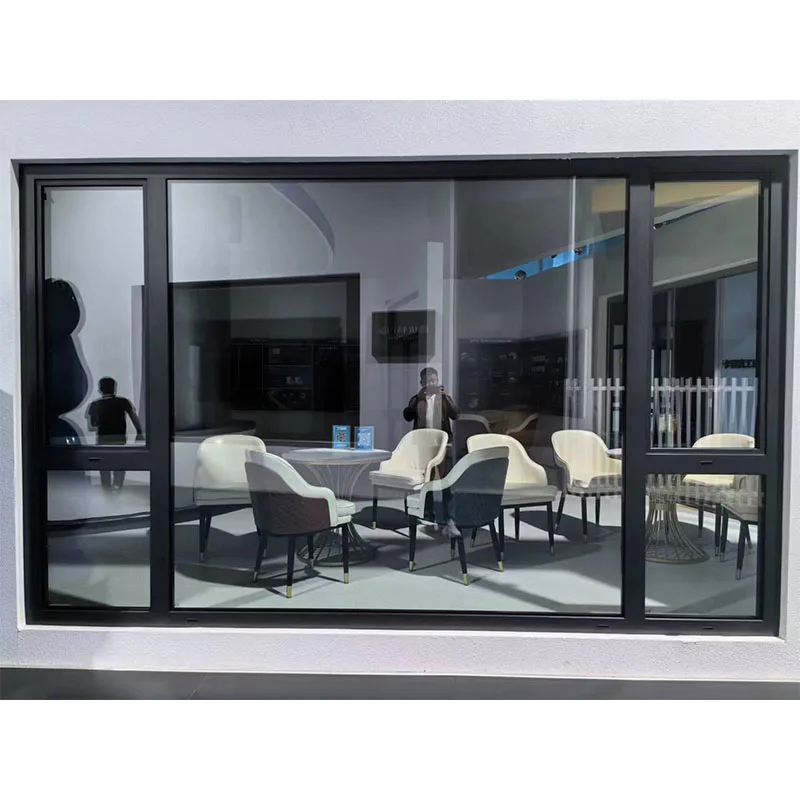
Multiple panel configurations combine operable casement style windows with fixed panels or additional casement units to create larger window assemblies. These configurations can include combinations of left-hand and right-hand opening casements, or casement windows paired with fixed picture windows. The versatility of these arrangements allows architects and designers to create custom window solutions that meet specific aesthetic and functional requirements while maintaining the operational benefits of casement design.
Specialty Applications and Custom Designs
Fire-resistant casement style windows incorporate specialized materials and construction techniques to meet building code requirements for fire-rated assemblies. These windows feature fire-resistant glazing, steel reinforcement, and specialized sealing systems that maintain their integrity during fire conditions. The aluminum construction with blind mechanisms provides additional safety features while maintaining the operational convenience of traditional casement style windows.
Specialized casement style windows can be customized for unique architectural requirements, including curved or angled installations, oversized openings, or integration with building automation systems. These custom applications often require specialized hardware and reinforcement to maintain operational performance while meeting specific design criteria. The flexibility of casement design makes it possible to create solutions for challenging applications where other window types might not be suitable.
Material Selection and Performance Characteristics
Aluminum Frame Systems
Aluminum frames in casement style windows offer exceptional strength-to-weight ratios, making them suitable for larger window sizes and commercial applications. The natural corrosion resistance of aluminum, particularly when enhanced with protective coatings, ensures long-term durability in various environmental conditions. Thermal break technology in aluminum casement style windows addresses thermal conductivity concerns by incorporating insulating materials within the frame structure.
The precision manufacturing capabilities associated with aluminum extrusion allow for tight tolerances and consistent quality in casement style windows. This precision contributes to better weathersealing and smoother operation over the life of the window. Aluminum frames can also accommodate various glazing thicknesses and configurations, including high-performance insulated glass units that enhance energy efficiency.
Composite and Advanced Materials
Advanced composite materials in casement style windows combine the benefits of different materials to optimize performance characteristics. These composites often feature wood fiber cores with polymer exteriors, providing the aesthetic appeal of wood with improved moisture resistance and reduced maintenance requirements. The dimensional stability of composite materials helps maintain proper window operation even in extreme temperature variations.
Fiberglass reinforced frames in casement style windows offer exceptional durability and low thermal conductivity, making them ideal for energy-efficient applications. The material's resistance to expansion and contraction helps maintain weatherseal integrity over extended periods. These advanced materials also allow for factory-applied finishes that maintain their appearance with minimal maintenance, reducing long-term ownership costs.
Installation and Integration Considerations
Proper Sizing and Frame Preparation
Accurate measurement and frame preparation are critical for successful installation of casement style windows. The rough opening must be properly sized to accommodate the window frame while allowing for necessary adjustments and insulation. Proper flashing and weatherproofing during installation ensure that the window assembly performs as designed, preventing water infiltration and air leakage that could compromise building performance.
The installation process for casement style windows requires careful attention to square and plumb alignment to ensure proper operation of the opening mechanism. Misalignment can result in binding, difficulty in opening and closing, or premature wear of hardware components. Professional installation techniques include shimming, leveling, and adjustment procedures that optimize window performance from the initial installation.
Integration with Building Systems
Modern casement style windows can be integrated with building automation systems to provide remote operation and monitoring capabilities. These systems can include sensors that automatically close windows in response to rain or high wind conditions, or open them for natural ventilation when indoor air quality sensors detect the need for fresh air exchange. The integration capabilities make casement style windows valuable components in smart building systems.
Energy management systems can utilize the ventilation capabilities of casement style windows as part of overall HVAC strategies, reducing mechanical ventilation requirements when outdoor conditions are favorable. This integration requires careful coordination between window controls and building management systems to optimize energy performance while maintaining occupant comfort and safety.
Maintenance and Longevity Factors
Routine Maintenance Procedures
Regular maintenance of casement style windows focuses primarily on the operating mechanism, weatherstripping, and hardware components. The crank mechanism should be lubricated periodically with appropriate lubricants to ensure smooth operation and prevent premature wear. Weatherstripping inspection and replacement when necessary maintains the energy efficiency and weather resistance of the window assembly.
Hardware adjustment and alignment checks help maintain proper operation of casement style windows over their service life. These maintenance procedures can often be performed by building maintenance personnel with basic tools and training. Regular cleaning of tracks, hinges, and locking mechanisms prevents the accumulation of dirt and debris that could interfere with proper operation.
Long-term Performance Optimization
The longevity of casement style windows depends significantly on the quality of initial installation and ongoing maintenance practices. High-quality hardware and materials can provide decades of reliable service when properly maintained. Periodic professional inspections can identify potential issues before they become major problems, extending the service life of the window assembly.
Component replacement strategies for casement style windows focus on hardware elements that experience the most wear, such as operators, handles, and weatherstripping. The availability of replacement parts and the ease of component access affect long-term maintenance costs and window performance. Quality manufacturers provide ongoing parts support and technical assistance to ensure optimal performance throughout the window's service life.
FAQ
What are the main advantages of casement style windows compared to other window types
Casement style windows offer several key advantages including superior ventilation control, unobstructed views, excellent weathersealing, and easy cleaning access from inside the building. The outward opening design allows the entire window area to be opened for maximum airflow, while the crank mechanism provides precise control over the opening angle. The compression sealing system creates better weatherproofing compared to sliding window designs.
How do I determine the right size and configuration for casement style windows
Proper sizing for casement style windows depends on the structural opening, desired ventilation area, and architectural requirements. Single panels work well for smaller openings, while multiple panel configurations suit larger spaces. Consider factors such as furniture placement, exterior clearance requirements, and integration with other building elements. Professional measurement and consultation ensure optimal selection and performance.
What maintenance is required to keep casement style windows operating properly
Routine maintenance for casement style windows includes periodic lubrication of the crank mechanism, inspection and replacement of weatherstripping, cleaning of tracks and hardware, and adjustment of hinges and locks as needed. Most maintenance can be performed by building occupants with basic tools, though annual professional inspection is recommended for commercial installations to ensure optimal performance and identify potential issues early.
Can casement style windows be automated or integrated with smart building systems
Yes, modern casement style windows can be equipped with electric operators and integrated with building automation systems. These systems can provide remote operation, automatic closing in response to weather conditions, and coordination with HVAC systems for natural ventilation strategies. Integration capabilities make these windows valuable components in energy-efficient and smart building designs, though proper system design and installation are essential for reliable operation.
Table of Contents
- Fundamental Design Principles of Casement Style Windows
- Types and Variations of Casement Style Windows
- Material Selection and Performance Characteristics
- Installation and Integration Considerations
- Maintenance and Longevity Factors
-
FAQ
- What are the main advantages of casement style windows compared to other window types
- How do I determine the right size and configuration for casement style windows
- What maintenance is required to keep casement style windows operating properly
- Can casement style windows be automated or integrated with smart building systems