 EN
EN

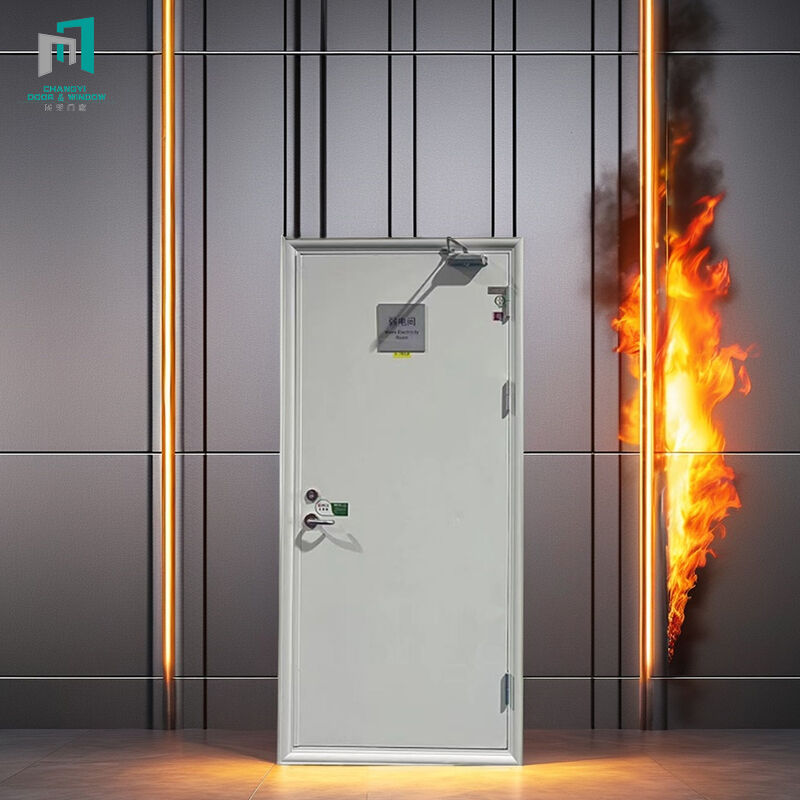
Modern construction demands building components that deliver exceptional performance across multiple criteria, and steel external doors represent a critical element in achieving optimal building envelope efficiency. The integration of thermal break technology has revolutionized how steel external doors perform in contemporary architectural applications, addressing longstanding challenges related to energy efficiency and structural integrity. This advancement has positioned steel external doors as preferred solutions for commercial, industrial, and high-performance residential projects where durability meets sophisticated thermal management requirements.
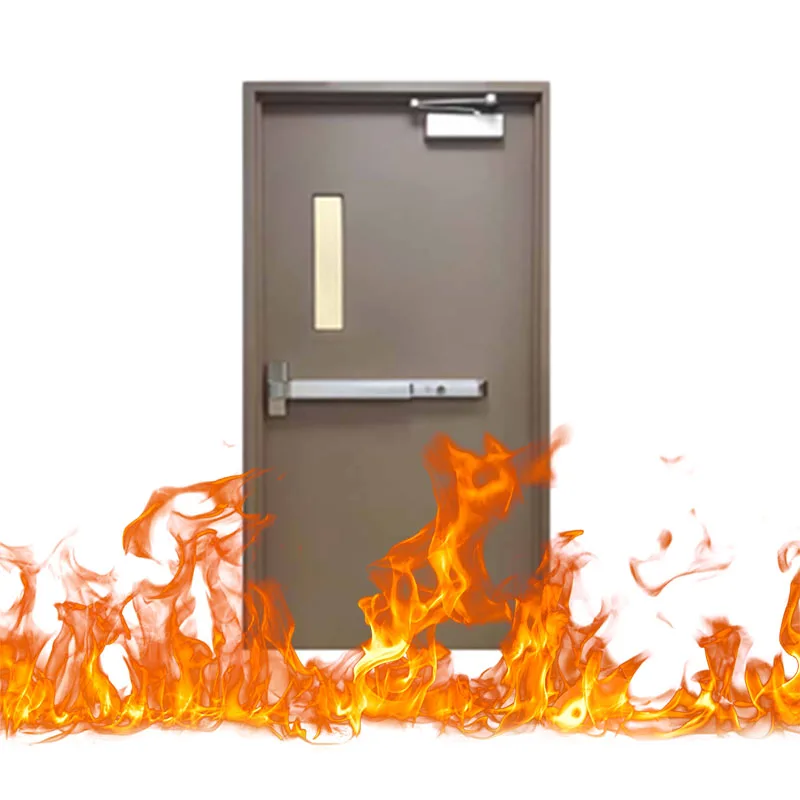
Understanding Thermal Break Technology in Steel Door Systems
Fundamental Principles of Thermal Bridging
Thermal bridging occurs when conductive materials create pathways for heat transfer through building assemblies, significantly impacting energy performance in steel external doors. Traditional steel door construction often suffered from continuous metal paths that allowed thermal energy to bypass insulation systems, resulting in condensation issues and reduced energy efficiency. Understanding these thermal pathways becomes essential for specifying appropriate steel external doors that meet modern building performance standards.
The physics behind thermal bridging involves heat conduction through materials with high thermal conductivity, such as steel frames and hardware components. When exterior temperatures differ significantly from interior conditions, these metal components can become conduits for unwanted heat transfer, potentially creating cold spots and moisture problems. Advanced steel external doors now incorporate sophisticated design strategies to minimize these thermal bridges while maintaining structural performance requirements.
Thermal Break Design Implementation
Contemporary thermal break technology in steel external doors utilizes strategically placed insulating materials to interrupt continuous metal pathways. These systems typically employ polyamide strips, polyurethane barriers, or specialized gasket systems that maintain structural continuity while reducing thermal conductivity. The precise engineering required for effective thermal breaks demands careful consideration of material properties, dimensional stability, and long-term performance characteristics.
Manufacturing processes for thermally broken steel external doors involve precision assembly techniques that ensure proper alignment and compression of thermal break components. Quality control measures verify that thermal break materials maintain their insulating properties throughout the door's operational life, preventing thermal bridging that could compromise building energy performance. These manufacturing standards have elevated the performance expectations for modern steel external doors across various climate conditions.
Performance Benefits and Energy Efficiency Advantages
Enhanced Insulation Performance Metrics
Thermally broken steel external doors demonstrate measurably improved U-values compared to conventional steel door systems, directly impacting building energy consumption patterns. Independent testing protocols verify that properly designed thermal break systems can reduce heat transfer coefficients by 40-60% compared to non-thermally broken alternatives. These performance improvements translate into tangible energy cost savings and enhanced occupant comfort in buildings utilizing advanced steel external doors.
Laboratory testing results consistently show that thermal break technology enables steel external doors to achieve U-values comparable to high-performance aluminum and composite door systems. This performance parity allows architects and specifiers to select steel external doors based on aesthetic and security preferences without compromising energy efficiency requirements. The documented thermal performance of these systems supports LEED certification and other green building standard compliance initiatives.
Condensation Control and Moisture Management
Effective thermal break design significantly reduces condensation potential on steel external doors by maintaining interior surface temperatures above dew point conditions. This moisture control capability prevents the formation of water droplets that could lead to corrosion, finish degradation, and indoor air quality issues. Professional installation of thermally broken steel external doors includes proper vapor barrier integration and drainage system coordination to ensure long-term moisture management effectiveness.
The relationship between thermal performance and moisture control extends beyond condensation prevention to include freeze-thaw cycle resistance and dimensional stability. Quality steel external doors with integrated thermal break technology maintain consistent performance characteristics across seasonal temperature variations, reducing maintenance requirements and extending service life. This durability advantage makes thermally broken steel external doors particularly suitable for harsh climate applications.
Material Selection and Construction Considerations
Steel Grade and Thickness Optimization
The selection of appropriate steel grades for thermally broken steel external doors involves balancing structural requirements with thermal performance objectives. Higher strength steel alloys enable reduced material thickness while maintaining required load-bearing capacity, creating opportunities for enhanced insulation integration. Modern steel external doors utilize advanced metallurgy that provides corrosion resistance and dimensional stability essential for long-term thermal break system integrity.
Thickness optimization in steel external doors directly affects thermal bridge mitigation strategies and overall door weight considerations. Thinner steel sections reduce thermal mass and conduction pathways while maintaining structural adequacy for wind load and security requirements. Engineering analysis of steel external doors must consider these material optimization factors to achieve optimal thermal and structural performance balance.
Insulation Integration Strategies
Advanced insulation materials in thermally broken steel external doors include polyurethane foam, mineral wool, and aerogel composites that provide superior thermal resistance within space-constrained assemblies. The integration of these materials requires careful consideration of thermal expansion characteristics and long-term stability to prevent thermal bridge formation over time. Quality steel external doors utilize insulation systems that maintain their thermal properties throughout expected service life under various environmental conditions.
Installation techniques for insulation in steel external doors involve precision fitting and adhesive bonding systems that prevent air gaps and thermal bypassing. Professional installation protocols ensure that insulation materials achieve their rated R-values and contribute effectively to overall door thermal performance. These installation standards are critical for realizing the full energy efficiency potential of thermally broken steel external doors in building applications.
Applications and Market Trends
Commercial and Industrial Applications
Commercial buildings increasingly specify thermally broken steel external doors for main entrances, service doors, and emergency egress applications where energy efficiency and security requirements converge. The robust construction of steel external doors provides excellent resistance to forced entry while thermal break technology ensures compliance with energy codes and sustainability objectives. These dual performance characteristics make steel external doors particularly suitable for healthcare facilities, educational institutions, and government buildings.
Industrial applications benefit from the durability and low maintenance characteristics of steel external doors while achieving improved energy performance through thermal break integration. Manufacturing facilities, warehouses, and distribution centers utilize these door systems to maintain controlled environments while accommodating high-frequency use and material handling equipment. The longevity of properly designed steel external doors provides favorable life-cycle cost analysis results in demanding industrial environments.
Residential Market Adoption
High-performance residential construction increasingly incorporates thermally broken steel external doors as homeowners prioritize energy efficiency and security features. The aesthetic appeal of steel external doors complements contemporary architectural styles while providing superior protection against weather infiltration and security threats. Custom fabrication capabilities enable steel external doors to meet specific design requirements while maintaining thermal break system integrity.
Market trends indicate growing consumer awareness of the long-term value proposition offered by quality steel external doors with integrated thermal break technology. Energy cost savings, reduced maintenance requirements, and enhanced security features justify premium pricing for these advanced door systems. The residential market for steel external doors continues expanding as building codes evolve to require higher thermal performance standards.
Installation and Maintenance Best Practices
Professional Installation Requirements
Proper installation of thermally broken steel external doors requires specialized knowledge of thermal break system requirements and building envelope integration principles. Certified installers understand the critical importance of maintaining thermal break continuity during installation and ensuring proper alignment of all system components. Installation protocols include verification of frame squareness, weatherseal compression, and thermal break material integrity throughout the installation process.
Quality assurance during steel external doors installation involves comprehensive testing of thermal performance, air infiltration, and water penetration resistance. These performance verification procedures ensure that installed door systems achieve their specified thermal and weather resistance characteristics. Professional installation teams utilize specialized tools and techniques to verify that steel external doors meet or exceed manufacturer specifications and building code requirements.
Long-term Maintenance Protocols
Maintenance requirements for thermally broken steel external doors focus on preserving thermal break system integrity and ensuring continued optimal performance. Regular inspection schedules include verification of weatherseal condition, hardware operation, and thermal break material stability. Preventive maintenance protocols help identify potential issues before they compromise the thermal performance of steel external doors.
Proper maintenance extends the service life of steel external doors while preserving their energy efficiency benefits throughout their operational life. Maintenance procedures include lubrication of moving components, inspection of thermal break materials, and verification of proper door operation. These maintenance practices ensure that steel external doors continue providing optimal thermal performance and security protection over extended service periods.
FAQ
What makes thermal break technology essential for modern steel external doors
Thermal break technology addresses the inherent thermal conductivity of steel by interrupting heat transfer pathways through the door assembly. This technology enables steel external doors to achieve energy efficiency performance comparable to other high-performance door materials while maintaining the security and durability advantages of steel construction. Without thermal break systems, steel external doors would experience significant heat loss and condensation issues that compromise building energy performance.
How do thermally broken steel external doors compare to aluminum or composite alternatives
Thermally broken steel external doors offer superior security characteristics and structural strength compared to aluminum or composite door systems while achieving comparable thermal performance through advanced thermal break design. Steel external doors provide enhanced resistance to forced entry and extreme weather conditions, making them preferable for applications requiring maximum security and durability. The thermal break technology enables steel external doors to meet stringent energy codes without compromising their inherent strength advantages.
What maintenance is required to preserve thermal break system effectiveness
Thermal break systems in steel external doors require minimal maintenance beyond standard door system care, including periodic inspection of thermal break material condition and weatherseal integrity. Regular cleaning and lubrication of hardware components helps ensure proper door operation while preserving thermal break system alignment. Annual professional inspections verify that thermal break materials maintain their insulating properties and structural integrity throughout the door's service life.
Can existing steel external doors be retrofitted with thermal break technology
Retrofitting existing steel external doors with thermal break technology is generally not feasible due to the integrated nature of thermal break design requirements and manufacturing processes. Thermal break systems must be incorporated during the initial door fabrication to ensure proper material integration and structural continuity. Upgrading to thermally broken steel external doors typically requires complete door replacement to achieve the desired thermal performance improvements and energy efficiency benefits.
Table of Contents
- Understanding Thermal Break Technology in Steel Door Systems
- Performance Benefits and Energy Efficiency Advantages
- Material Selection and Construction Considerations
- Applications and Market Trends
- Installation and Maintenance Best Practices
-
FAQ
- What makes thermal break technology essential for modern steel external doors
- How do thermally broken steel external doors compare to aluminum or composite alternatives
- What maintenance is required to preserve thermal break system effectiveness
- Can existing steel external doors be retrofitted with thermal break technology