 EN
EN

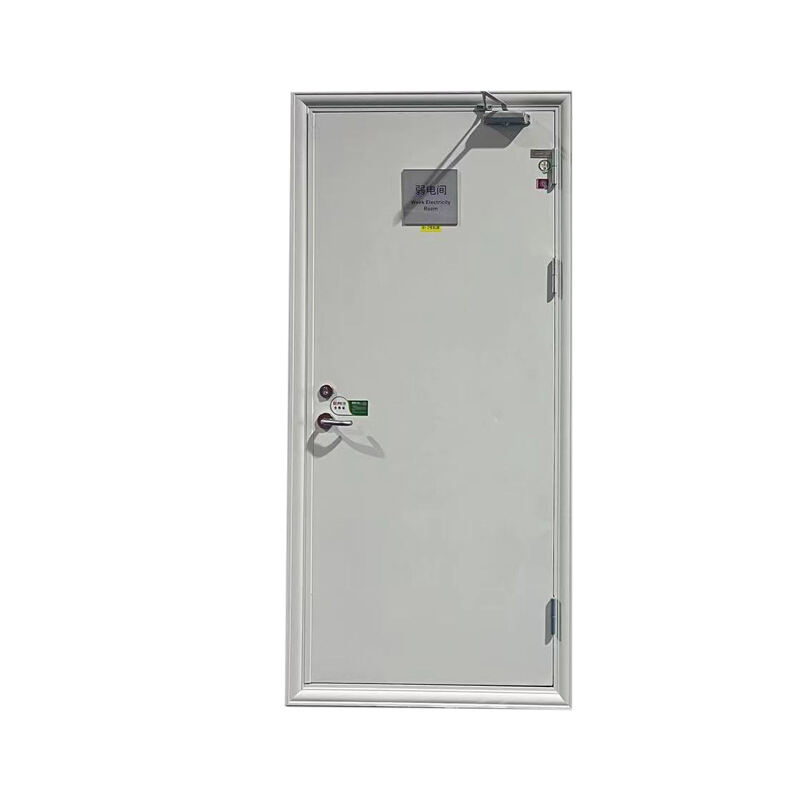
Steel external doors have become increasingly popular among homeowners seeking the perfect combination of security, durability, and energy efficiency. These robust entrance solutions offer unparalleled protection while maintaining aesthetic appeal that complements various architectural styles. When considering steel external doors for your property, understanding their construction, benefits, and performance characteristics becomes essential for making an informed decision that will serve your home for decades to come.
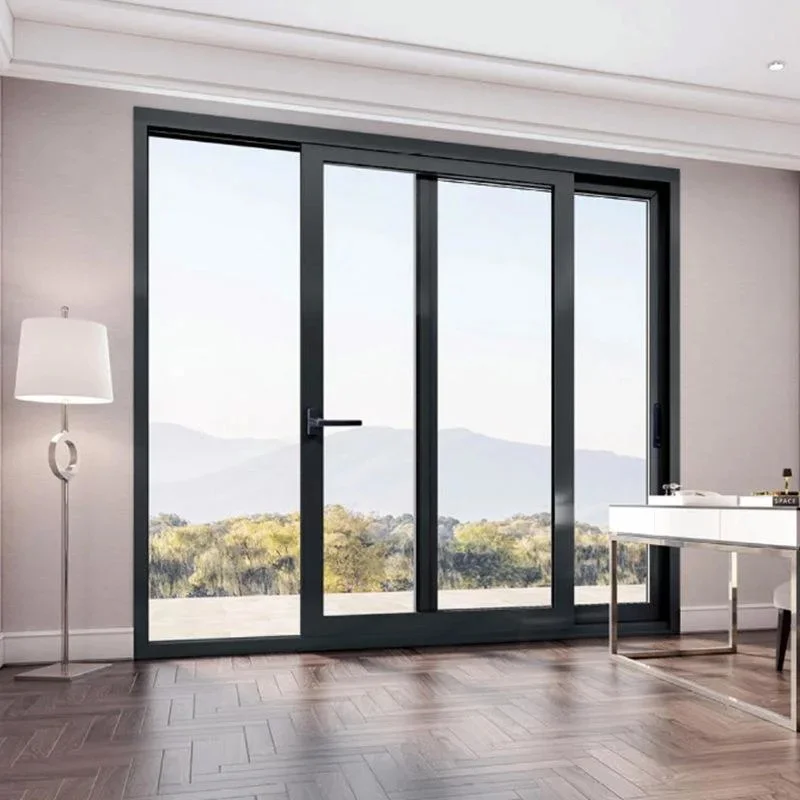
The evolution of steel external doors has transformed them from basic security barriers into sophisticated architectural elements that enhance both protection and curb appeal. Modern manufacturing techniques allow for intricate designs, varied finishes, and improved insulation properties that rival traditional materials while surpassing them in strength and longevity. These doors represent a significant investment in your property's security infrastructure and overall value proposition.
Security Features and Protection Levels
Multi-Point Locking Systems
Contemporary steel external doors incorporate advanced multi-point locking mechanisms that engage at multiple points along the door frame, creating an exceptionally secure barrier against forced entry attempts. These sophisticated systems typically feature three to five locking points that simultaneously engage when the key is turned, distributing the locking force across the entire door perimeter rather than concentrating it at a single point like traditional deadbolts.
The locking mechanisms in quality steel external doors often include hook bolts, roller bolts, and shoot bolts that extend into reinforced strike plates embedded deep within the door frame. This comprehensive approach to security makes it extremely difficult for intruders to compromise the door through common breaking and entering techniques such as crowbar attacks or shoulder charges.
Reinforced Frame Construction
The frame system supporting steel external doors plays a crucial role in overall security performance, with manufacturers utilizing heavy-gauge steel construction and strategic reinforcement points to create an impenetrable barrier. These frames typically feature adjustable hinges that can support the substantial weight of steel doors while maintaining smooth operation over extended periods of use.
Professional installation ensures that steel external doors integrate seamlessly with existing structural elements, utilizing appropriate anchoring systems and weatherproofing measures that maintain both security and environmental protection. The frame-to-wall connection points receive special attention during installation to prevent weak spots that could compromise the entire security system.
Energy Efficiency and Thermal Performance
Insulation Core Technology
Modern steel external doors incorporate advanced insulation technologies that significantly improve thermal performance compared to older steel door designs. High-density polyurethane foam cores provide excellent insulating properties while maintaining structural integrity, creating an effective thermal barrier that helps reduce energy costs throughout the year.
The insulation systems in contemporary steel external doors often achieve impressive U-values that meet or exceed current building code requirements for energy efficiency. This thermal performance translates into reduced heating and cooling costs, improved indoor comfort levels, and enhanced environmental sustainability for homeowners who prioritize energy conservation.
Weather Sealing and Draft Prevention
Comprehensive weatherstripping systems integrated into steel external doors create multiple barriers against air infiltration, moisture penetration, and temperature transfer. These sealing systems typically include compression seals along the door perimeter, threshold seals at the bottom, and specialized gaskets around glass inserts or decorative elements.
Quality steel external doors feature adjustable threshold systems that accommodate settling and seasonal movement while maintaining consistent sealing performance. The weatherstripping materials are selected for durability and longevity, ensuring that the door's energy efficiency remains optimal throughout its service life without requiring frequent maintenance or replacement.
Design Options and Aesthetic Considerations
Surface Finishes and Textures
The versatility of steel external doors extends to their aesthetic possibilities, with manufacturers offering numerous finish options that can simulate wood grain patterns, smooth contemporary surfaces, or textured designs that complement various architectural styles. Advanced coating technologies provide durable finishes that resist fading, chipping, and weathering while maintaining their appearance for many years.
Powder coating applications on steel external doors create exceptionally durable surface finishes that withstand harsh weather conditions while providing consistent color and texture. These finishes are available in virtually unlimited color options, allowing homeowners to match existing trim work or create striking contrast elements that enhance their property's curb appeal.
Glass Integration and Decorative Elements
Contemporary steel external doors can incorporate decorative glass panels, sidelights, and transom windows that add natural light and visual interest while maintaining security integrity. The glass systems used in these applications typically feature laminated or tempered safety glass with optional decorative patterns, frosting, or energy-efficient low-E coatings.
Decorative hardware options for steel external doors include various handle styles, lockset finishes, and accent elements that can be coordinated with other exterior features such as lighting fixtures, mailboxes, and house numbers. These details contribute significantly to the overall aesthetic impact and perceived quality of the entrance system.
Installation and Maintenance Requirements
Professional Installation Considerations
Proper installation of steel external doors requires specialized knowledge and equipment due to their substantial weight and precise fitting requirements. Professional installers must ensure proper alignment, adequate support, and correct integration with existing structural elements to achieve optimal performance and longevity from these entrance systems.
The installation process for steel external doors typically involves careful measurement, frame preparation, and structural modifications to accommodate the door's weight and security features. Proper installation ensures that all mechanical components function smoothly and that the door's security and energy efficiency benefits are fully realized throughout its service life.
Long-term Maintenance Protocols
Steel external doors require minimal maintenance compared to wood or composite alternatives, but periodic attention to specific components ensures optimal performance and longevity. Regular inspection of weatherstripping, lubrication of hinges and locking mechanisms, and cleaning of surface finishes help maintain both functionality and appearance over time.
The maintenance schedule for steel external doors should include annual inspection of all moving parts, weatherstripping integrity, and finish condition. Any issues identified during these inspections should be addressed promptly to prevent minor problems from developing into more significant concerns that could compromise the door's performance or security features.
Performance Standards and Certifications
Industry Testing and Compliance
Reputable manufacturers of steel external doors subject their products to rigorous testing protocols that evaluate security performance, energy efficiency, weather resistance, and structural integrity. These tests often exceed minimum code requirements and provide objective performance data that helps consumers make informed decisions based on measurable criteria.
Certification programs for steel external doors typically include evaluation by independent testing laboratories that verify compliance with relevant industry standards for forced entry resistance, thermal performance, and weather sealing effectiveness. These certifications provide confidence that the doors will perform as expected under real-world conditions.
Warranty Coverage and Support
Quality steel external doors typically come with comprehensive warranty coverage that protects against manufacturing defects, finish degradation, and structural failures for extended periods. These warranties often include specific provisions for different components such as hardware, weatherstripping, and surface finishes, with varying coverage periods based on the expected service life of each element.
Manufacturer support for steel external doors should include technical assistance, replacement parts availability, and repair guidance throughout the warranty period and beyond. This ongoing support ensures that homeowners can maintain their investment and address any issues that may arise during the door's service life.
Cost Considerations and Value Proposition
Initial Investment Analysis
The upfront cost of steel external doors reflects their superior construction quality, security features, and long-term durability compared to alternative materials. While the initial investment may be higher than basic door options, the combination of security benefits, energy savings, and maintenance reduction often provides favorable long-term economics for homeowners.
When evaluating the cost of steel external doors, homeowners should consider the total cost of ownership including energy savings, reduced maintenance requirements, and potential insurance premium reductions for enhanced security features. This comprehensive analysis often reveals that steel external doors provide excellent value despite their higher initial purchase price.
Return on Investment Factors
Steel external doors contribute to property value through improved security, energy efficiency, and aesthetic appeal that potential buyers recognize and value. Real estate professionals often cite quality entrance systems as important factors in buyer decision-making and overall property marketability in competitive housing markets.
The energy efficiency improvements provided by modern steel external doors can generate measurable utility cost savings that accumulate over time, contributing to the overall return on investment. Additionally, the reduced maintenance requirements and extended service life of steel doors minimize ongoing ownership costs compared to doors that require frequent refinishing or replacement.
FAQ
How long do steel external doors typically last
Steel external doors can provide reliable service for 20 to 30 years or more with proper maintenance, significantly outlasting wood or composite alternatives. The durability of steel construction, combined with advanced coating technologies and quality hardware, ensures that these doors maintain their performance and appearance throughout their extended service life. Regular maintenance and prompt attention to any issues can extend the functional life even further, making steel external doors an excellent long-term investment for homeowners seeking reliable entrance solutions.
Can steel external doors be painted or refinished
Modern steel external doors can be refinished when necessary, though their durable factory finishes typically last many years without requiring attention. If refinishing becomes necessary due to damage or color preference changes, proper surface preparation and compatible coating systems ensure excellent adhesion and durability. Professional refinishing services can restore the appearance of steel external doors to like-new condition, extending their aesthetic appeal and protective properties for additional years of service.
Do steel external doors require special hinges or hardware
Steel external doors do require heavy-duty hinges and hardware designed to support their substantial weight and security requirements. Standard residential door hardware is typically inadequate for the demands of steel construction and may fail prematurely if used inappropriately. Quality steel external doors come equipped with appropriate hardware systems that are engineered specifically for their weight and security features, ensuring smooth operation and reliable performance throughout their service life.
Are steel external doors suitable for all climates
Steel external doors perform excellently in virtually all climate conditions when properly manufactured and installed with appropriate weatherproofing measures. Modern steel door construction includes thermal breaks and insulation systems that prevent condensation issues while maintaining structural integrity in extreme temperatures. The corrosion-resistant coatings and galvanized steel components used in quality doors provide excellent protection against moisture, salt air, and other environmental factors that could affect performance in challenging climates.