 EN
EN

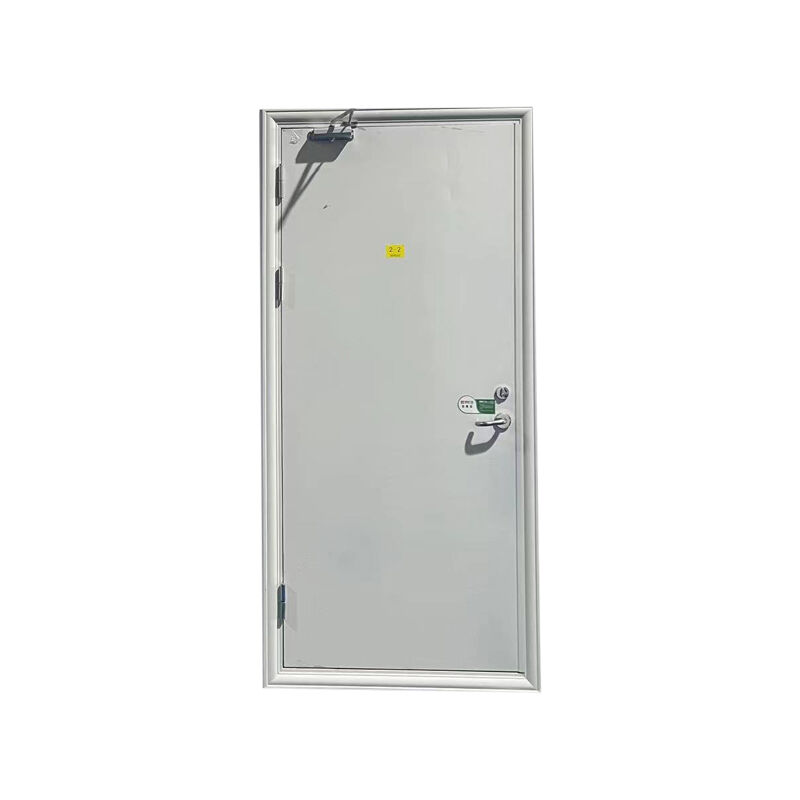
Steel doors have become the gold standard for homeowners seeking the perfect balance of security, durability, and aesthetic appeal. These robust barriers offer unparalleled protection against intrusions while maintaining energy efficiency and weather resistance that far exceeds traditional wooden alternatives. Modern steel doors incorporate advanced manufacturing techniques and innovative design elements that transform them from purely functional components into attractive architectural features that enhance curb appeal and property value.
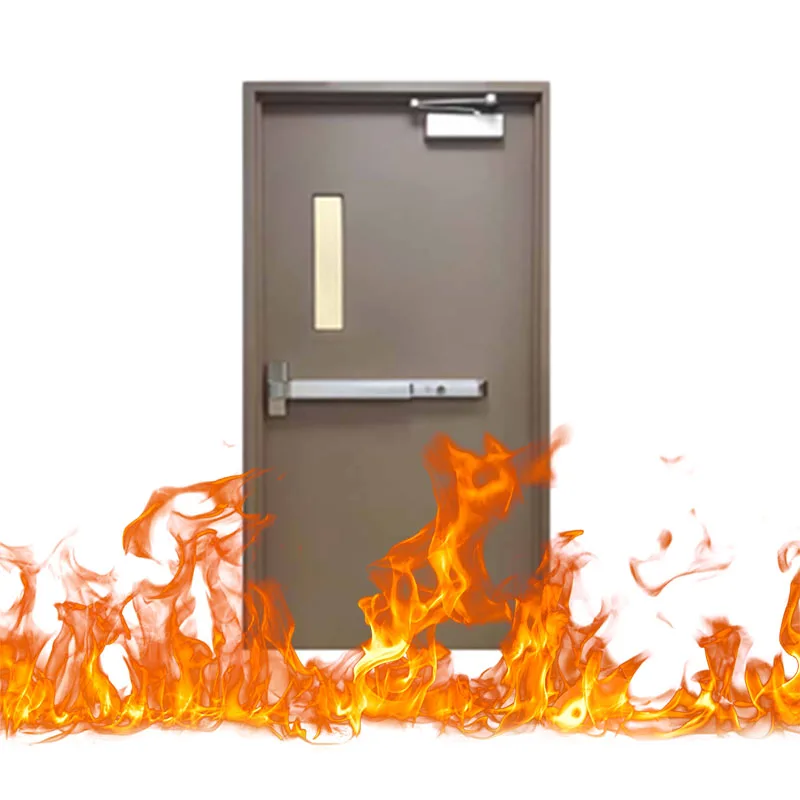
The residential market has witnessed a significant shift toward steel door installations as homeowners recognize their long-term benefits and cost-effectiveness. Unlike materials that deteriorate over time, high-quality steel doors maintain their structural integrity for decades while requiring minimal maintenance. This comprehensive guide examines the leading brands, explores essential features, and provides detailed insights to help you select the ideal steel door solution for your home's specific requirements.
Contemporary steel doors combine cutting-edge security features with sophisticated design options that complement various architectural styles. From traditional panel configurations to sleek modern profiles, these versatile products accommodate diverse aesthetic preferences without compromising performance. The integration of smart technology and enhanced insulation systems further elevates their appeal among discerning homeowners who demand both form and function.
Understanding Steel Door Construction and Materials
Core Steel Components and Manufacturing Processes
Premium steel doors utilize high-grade materials that undergo rigorous manufacturing processes to achieve optimal strength and durability. The core construction typically features heavy-gauge steel frames reinforced with internal bracing systems that distribute stress evenly across the entire structure. Advanced welding techniques create seamless joints that eliminate weak points commonly found in lower-quality alternatives.
Modern steel doors incorporate multi-layer construction methods that enhance both security and insulation properties. The outer steel skin provides protection against impacts and weather elements, while internal foam cores or composite materials improve thermal performance and reduce sound transmission. This sophisticated approach ensures that steel doors deliver superior performance across multiple criteria without sacrificing any single attribute.
The surface treatment of quality steel doors involves multiple coating layers that protect against corrosion, UV damage, and environmental wear. Galvanized substrates provide the foundation for long-term rust resistance, while specialized primer and finish coats create durable barriers against moisture and temperature fluctuations. These protective systems extend the service life significantly compared to untreated alternatives.
Insulation Technology and Energy Efficiency
Energy-efficient steel doors feature advanced insulation systems that dramatically reduce heating and cooling costs while improving indoor comfort levels. Polyurethane foam injection creates continuous thermal barriers that eliminate cold bridging typically associated with metal construction. This insulation technology achieves R-values that often exceed wood door alternatives by substantial margins.
Thermal break systems integrated into modern steel doors prevent heat transfer through the metal components, maintaining consistent interior temperatures regardless of external weather conditions. These specialized designs incorporate non-conductive materials at strategic points to interrupt thermal pathways while preserving structural integrity. The result is enhanced energy efficiency that contributes to lower utility bills and improved environmental sustainability.
Weather stripping systems designed specifically for steel doors create superior seals that prevent air infiltration and moisture penetration. Multi-point contact surfaces with adjustable compression ensure optimal sealing performance that maintains effectiveness over extended periods. These sealing systems work in conjunction with precision-fitted frames to achieve exceptional airtightness ratings.
Leading Steel Door Brands and Manufacturers
Premium Brand Analysis and Market Position
The steel door industry features several established manufacturers that have earned reputations for quality, innovation, and reliability. These leading brands invest heavily in research and development to introduce advanced features that address evolving consumer demands and building code requirements. Their extensive product lines accommodate various applications from residential entry doors to specialized commercial installations.
Professional contractors and architects consistently specify products from these top-tier manufacturers due to their proven track records and comprehensive warranty programs. The combination of rigorous quality control, advanced manufacturing capabilities, and responsive customer support distinguishes industry leaders from budget alternatives. These brands maintain extensive dealer networks that provide local expertise and installation services.
Market analysis reveals that premium steel door brands command higher prices but deliver proportionally greater value through enhanced durability, superior performance, and extended service life. The initial investment premium typically pays for itself through reduced maintenance costs, improved energy efficiency, and increased property values. Discerning homeowners recognize these long-term benefits when making purchase decisions.
Emerging Manufacturers and Innovation Trends
The competitive landscape includes innovative manufacturers that challenge established players through technological advancement and specialized design approaches. These companies often focus on specific market segments or introduce breakthrough features that differentiate their products from conventional offerings. Their agile development processes enable rapid response to changing consumer preferences and building industry trends.
Specialized manufacturers like those producing steel doors with fire-rated capabilities have gained recognition for their expertise in demanding applications. These focused approaches often result in superior performance characteristics and innovative solutions that address specific challenges faced by modern construction projects. Their technical expertise translates into products that exceed standard requirements and deliver exceptional value.
International manufacturers have expanded their presence in domestic markets by offering competitively priced products that meet local building codes and aesthetic preferences. These global players leverage advanced manufacturing technologies and economies of scale to provide attractive alternatives to traditional suppliers. Their market entry has intensified competition and accelerated innovation across the entire industry.
Security Features and Performance Standards
Multi-Point Locking Systems and Hardware
Advanced locking mechanisms represent one of the most significant advantages of modern steel doors over traditional alternatives. Multi-point locking systems engage at multiple locations along the door frame, distributing force evenly and creating virtually impenetrable barriers against forced entry attempts. These sophisticated systems typically include deadbolts, hook bolts, and compression latches that activate simultaneously with a single key turn.
High-security hardware components feature hardened steel construction and anti-drill protection that resist tampering and manipulation attempts. Reinforced strike plates anchor deeply into the door frame with extended screws that penetrate structural framing members. These installations create security assemblies that often prove stronger than surrounding wall construction, redirecting attack forces to less vulnerable areas.
Electronic integration capabilities allow modern steel doors to incorporate smart locks, access control systems, and remote monitoring devices without compromising security performance. These technological enhancements provide convenient keyless entry options while maintaining the robust protection that defines quality steel door installations. Battery backup systems ensure continued operation during power outages or system maintenance periods.
Impact Resistance and Structural Integrity
Structural testing protocols evaluate steel door performance under extreme conditions including hurricane-force winds, projectile impacts, and sustained loading scenarios. Premium products consistently exceed minimum code requirements and achieve ratings that qualify for insurance discounts in high-risk areas. These performance standards provide homeowners with confidence that their investment will protect property and occupants during severe weather events.
Reinforced frame systems distribute impact forces across larger areas, preventing localized failures that could compromise overall security. Strategic placement of structural supports and cross-bracing elements creates redundant load paths that maintain integrity even when individual components experience damage. This engineering approach ensures that steel doors continue functioning effectively throughout their designed service life.
Quality assurance testing includes cycles that simulate years of normal operation under accelerated conditions. These comprehensive evaluations verify that hardware components, weatherstripping, and structural elements maintain performance standards over extended periods. The resulting data supports warranty programs and provides reliable performance predictions for various installation environments.
Installation Requirements and Professional Services
Site Preparation and Frame Alignment
Proper installation begins with thorough site evaluation to ensure that existing openings accommodate steel door specifications and weight requirements. Professional installers assess structural conditions, verify square and plumb measurements, and identify any modifications necessary to achieve optimal fit and performance. This preliminary work prevents costly adjustments and ensures long-term satisfaction with the installation.
Frame preparation involves precise measurements and adjustments to achieve manufacturer-specified clearances and alignment tolerances. Steel doors require more accurate installation than lightweight alternatives due to their weight and precision-engineered components. Professional installation teams possess specialized tools and techniques necessary to handle these demanding requirements efficiently and safely.
Weatherproofing and insulation installation must integrate seamlessly with steel door systems to maintain energy efficiency and prevent moisture infiltration. Proper sealing techniques create continuous barriers that complement the door's inherent weather resistance properties. These installation details significantly impact long-term performance and warranty coverage eligibility.
Hardware Configuration and Adjustment Procedures
Professional installation includes comprehensive hardware setup and calibration to ensure smooth operation and optimal security performance. Locking mechanisms require precise adjustment to achieve proper engagement without binding or excessive force requirements. These adjustments affect both security effectiveness and user convenience throughout the door's service life.
Hinge systems designed for steel doors incorporate heavy-duty components that support substantial weight while maintaining smooth operation. Proper lubrication and adjustment procedures ensure quiet operation and prevent premature wear that could compromise performance. Professional installers understand these requirements and implement maintenance schedules that preserve optimal function.
Quality installation services include thorough testing of all systems and components before project completion. This comprehensive checkout process verifies that steel doors meet performance specifications and operate according to design parameters. Documentation provided to homeowners includes warranty information, maintenance guidelines, and emergency contact details for future service needs.
Maintenance and Longevity Considerations
Preventive Maintenance Programs
Regular maintenance schedules maximize the service life and performance of steel doors while preserving warranty coverage and appearance quality. These programs typically include periodic cleaning, lubrication, and inspection procedures that prevent minor issues from developing into costly repairs. Professional maintenance services often provide cost-effective alternatives to homeowner-performed tasks, especially for complex hardware systems.
Cleaning protocols for steel doors focus on preserving protective coatings while removing accumulated dirt, salt, and environmental contaminants. Appropriate cleaning products and techniques prevent damage to finish systems while maintaining attractive appearance. Seasonal maintenance schedules address specific challenges associated with different weather conditions and environmental exposures.
Hardware lubrication requires specialized products that remain effective across temperature ranges and resist contamination from dust and moisture. Professional-grade lubricants extend component life and maintain smooth operation under demanding conditions. Proper application techniques ensure optimal distribution without attracting debris that could interfere with mechanism function.
Repair Services and Component Replacement
Professional repair services address issues that exceed routine maintenance capabilities while preserving the integrity and performance of steel door systems. Authorized service providers possess specialized knowledge and access to original manufacturer components necessary for proper repairs. Their expertise ensures that modifications and replacements maintain warranty coverage and performance standards.
Component availability for quality steel doors typically extends well beyond the initial warranty period, supporting long-term serviceability and cost-effective repairs. Manufacturers maintain parts inventories and technical support resources that enable professional service providers to address virtually any maintenance requirement efficiently. This long-term support distinguishes premium products from budget alternatives.
Upgrade opportunities allow existing steel doors to incorporate new technologies and enhanced features without complete replacement. These modification options extend service life and improve performance characteristics while preserving the initial investment. Professional evaluation services identify viable upgrade paths and provide cost-benefit analyses for various improvement options.
Cost Analysis and Value Proposition
Initial Investment and Long-Term Returns
Steel doors represent significant initial investments that deliver proportional long-term value through enhanced security, energy efficiency, and durability. Comprehensive cost analysis must consider not only purchase price but also installation costs, energy savings, maintenance requirements, and potential insurance benefits. This holistic approach reveals the true value proposition compared to alternative door materials and construction methods.
Energy efficiency improvements achieved through quality steel doors generate measurable utility cost reductions that accumulate over the product's service life. These savings often offset the initial price premium within several years while continuing to provide benefits for decades. Professional energy audits quantify expected savings and support investment decision-making with reliable data.
Property value enhancement represents another significant benefit that justifies steel door investments for many homeowners. Real estate professionals consistently identify security features and energy efficiency as desirable attributes that influence buyer decisions and property valuations. The aesthetic appeal and perceived quality of steel doors contribute additional value that extends beyond pure functional benefits.
Financing Options and Budget Considerations
Various financing programs make quality steel doors accessible to homeowners with different budget constraints and cash flow preferences. Many manufacturers offer promotional financing with attractive terms that spread investment costs over manageable periods. These programs often include deferred payment options that align with homeowner financial planning strategies.
Tax incentive programs and utility rebates frequently apply to energy-efficient steel doors that meet specific performance criteria. These financial benefits reduce net investment costs while encouraging adoption of environmentally responsible building products. Professional installers typically maintain current information about available programs and assist homeowners with application procedures.
Budget planning should account for professional installation costs that ensure optimal performance and warranty compliance. While do-it-yourself installation might seem cost-effective, the complexity and precision requirements of steel doors often justify professional services. The resulting performance, warranty protection, and peace of mind typically provide superior value compared to potential installation savings.
FAQ
How long do steel doors typically last compared to other materials
Quality steel doors routinely provide 30 to 50 years of reliable service with proper maintenance, significantly exceeding the lifespan of wood doors which typically require replacement every 15 to 20 years. The superior durability stems from steel's resistance to warping, cracking, and insect damage that commonly affect organic materials. Professional-grade steel doors with advanced coating systems can last even longer in favorable environments, making them excellent long-term investments for homeowners prioritizing durability and low maintenance requirements.
What maintenance is required to keep steel doors in optimal condition
Steel doors require minimal maintenance consisting primarily of periodic cleaning with mild soap solutions, annual hardware lubrication, and visual inspections for coating damage or wear. Unlike wood doors that need regular painting or staining, quality steel doors maintain their appearance for years with basic care. Professional maintenance services can extend service life further by addressing minor issues before they become costly problems, typically involving annual tune-ups that cost significantly less than major repairs or premature replacement.
Are steel doors suitable for all climate conditions and geographic regions
Modern steel doors incorporate design features and protective coatings that enable reliable performance across diverse climate conditions from extreme cold to high humidity environments. Thermal break systems and advanced insulation prevent condensation issues while corrosion-resistant treatments protect against salt air and industrial pollutants. However, specific product selection should consider local environmental factors, with professional consultation ensuring optimal performance for particular geographic locations and exposure conditions.
How do steel doors compare to fiberglass alternatives in terms of performance and cost
Steel doors typically provide superior security and structural strength compared to fiberglass alternatives while maintaining competitive pricing for comparable quality levels. Fiberglass offers advantages in certain applications such as coastal environments with high salt exposure, but steel doors excel in security applications and high-traffic installations. The choice often depends on specific priorities, with steel doors favored for maximum security and durability, while fiberglass might be preferred for applications prioritizing weight reduction or specific aesthetic requirements.