 EN
EN

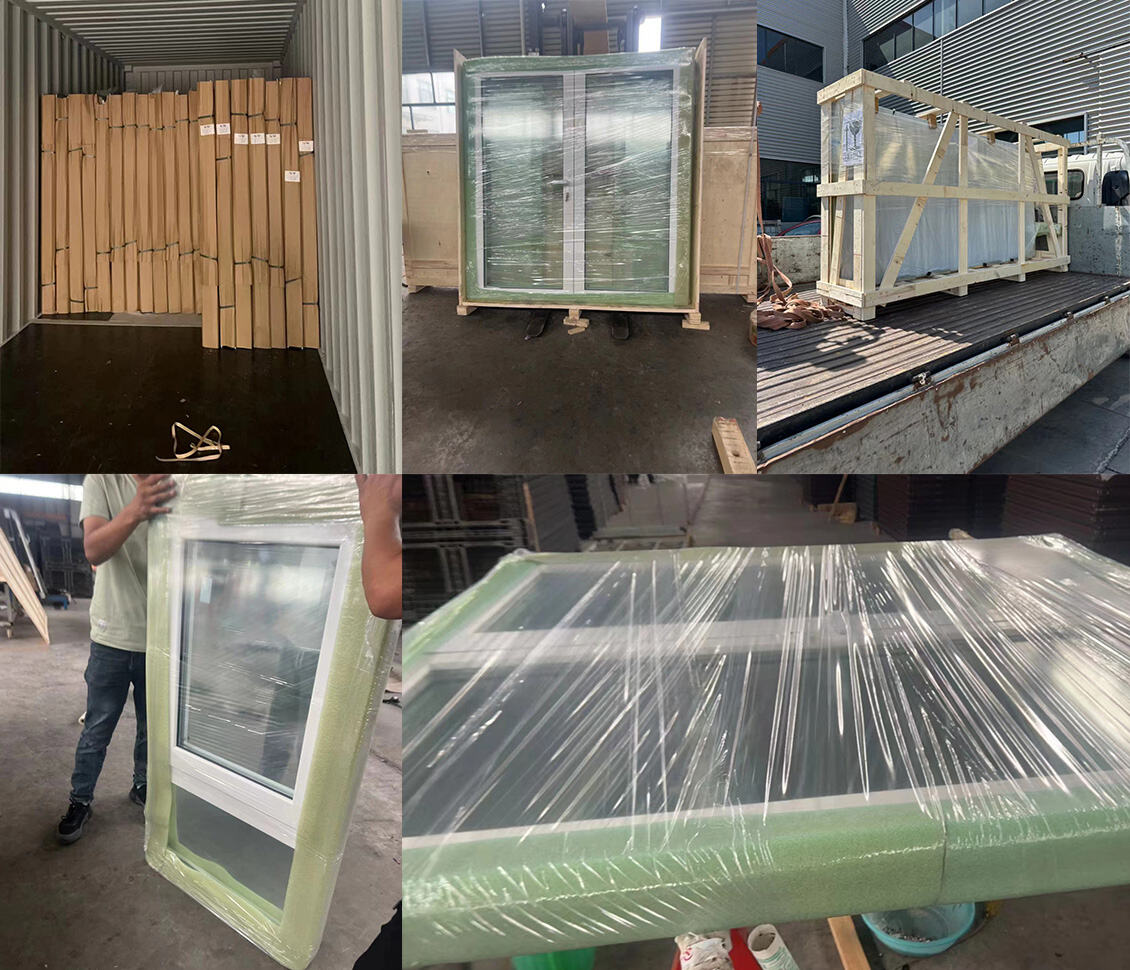
The manufacturing of uPVC profiles represents a cornerstone of the modern fenestration industry, with specialized factories producing millions of linear meters of these versatile building components annually. These sophisticated manufacturing facilities combine advanced extrusion technology, precise quality control systems, and innovative material science to create durable window and door profiles that meet stringent international standards. Understanding the intricate processes behind uPVC profiles production reveals why these components have become the preferred choice for residential and commercial construction projects worldwide.
Raw Material Preparation and Formulation
Primary PVC Resin Selection
The foundation of high-quality uPVC profiles begins with the careful selection of polyvinyl chloride resin, which typically comprises 80-85% of the final compound. Leading manufacturers source premium-grade PVC resins with specific K-values ranging from 65-70, ensuring optimal processing characteristics and mechanical properties. The molecular weight distribution of these resins directly influences the flow behavior during extrusion and the final mechanical strength of the uPVC profiles. Quality control laboratories conduct extensive testing on incoming resin batches, evaluating parameters such as bulk density, volatile matter content, and thermal stability to maintain consistent production standards.
Modern PVC windows factories implement sophisticated storage systems for raw materials, maintaining controlled temperature and humidity conditions to prevent contamination and degradation. The resin handling systems typically feature pneumatic conveying equipment that transfers materials from storage silos directly to the mixing stations, minimizing manual handling and potential quality variations. These automated systems also incorporate precise weighing mechanisms that ensure accurate material ratios throughout the production process, contributing to the uniformity of the final uPVC profiles.
Additive Integration Systems
The formulation of uPVC profiles requires a carefully balanced combination of additives that enhance performance characteristics while maintaining cost-effectiveness. Calcium carbonate serves as the primary filler, typically comprising 15-25% of the total compound weight, providing dimensional stability and reducing material costs without compromising structural integrity. Heat stabilizers, usually based on calcium-zinc or organo-tin compounds, protect the PVC from thermal degradation during processing and long-term outdoor exposure.
Impact modifiers, commonly chlorinated polyethylene or acrylic-based polymers, improve the low-temperature performance and overall toughness of uPVC profiles. Processing aids such as external lubricants facilitate smooth extrusion and surface quality, while internal lubricants prevent thermal degradation by reducing friction within the polymer matrix. Titanium dioxide provides opacity and UV resistance, ensuring long-term color stability and weather resistance of the finished profiles. Advanced factories utilize automated batching systems that precisely meter these additives according to proprietary formulations developed through extensive research and testing programs.
Extrusion Process Technology
Twin-Screw Compounding Systems
The transformation of raw PVC compounds into homogeneous melts suitable for profile extrusion relies on sophisticated twin-screw compounding systems. These machines feature co-rotating screws with precisely engineered geometries that provide optimal mixing, dispersing, and melting of the various compound components. The screw configuration typically includes conveying elements, kneading blocks, and mixing elements strategically positioned to achieve thorough material homogenization while minimizing thermal exposure.
Temperature control throughout the compounding process remains critical for maintaining material quality and preventing degradation. Modern twin-screw extruders incorporate multiple heating and cooling zones, each independently controlled to create optimal temperature profiles for different compound formulations. The barrel temperatures typically range from 160-190°C, carefully controlled to ensure complete melting and mixing without exceeding the thermal stability limits of the PVC compound. Advanced process monitoring systems continuously track temperature, pressure, and torque parameters, enabling real-time adjustments to maintain consistent output quality.
Profile Die Design and Calibration
The extrusion of complex uPVC profiles requires precision-engineered dies that shape the molten polymer into the desired cross-sectional geometry. These dies incorporate multiple flow channels, land areas, and restriction zones designed to ensure uniform material distribution and eliminate weld lines or flow marks in the final product. The die design process utilizes computational fluid dynamics modeling to optimize flow patterns and predict potential quality issues before manufacturing begins.
Calibration systems immediately downstream from the extrusion die maintain dimensional accuracy and surface quality of the emerging profiles. Vacuum calibration units apply controlled suction to hold the profile against precision-machined calibrating sleeves while the material cools and solidifies. Water-cooled calibration systems provide rapid heat removal, essential for maintaining dimensional stability and preventing warpage or distortion in complex profile geometries. The calibration process requires precise control of vacuum levels, cooling water temperatures, and line speeds to achieve consistent dimensional tolerances across the entire profile cross-section.
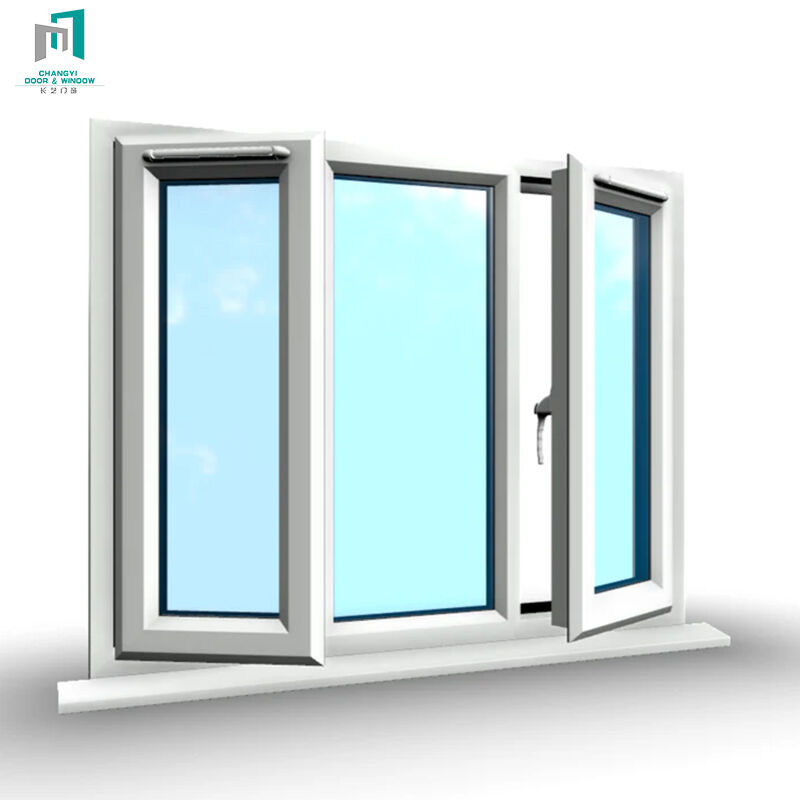
Quality Control and Testing Protocols
Dimensional Measurement Systems
Maintaining precise dimensional tolerances represents a critical aspect of uPVC profiles manufacturing, requiring sophisticated measurement and control systems throughout the production process. Automated laser measurement systems continuously monitor profile dimensions during extrusion, providing real-time feedback for process adjustments. These systems typically measure wall thickness, overall dimensions, and geometric features with accuracies of ±0.05mm or better, ensuring compliance with international standards and customer specifications.
Coordinate measuring machines in quality control laboratories perform detailed dimensional analysis on sample profiles, generating comprehensive reports that document conformance to technical drawings and specifications. The measurement protocols typically include checks for straightness, twist, bow, and surface quality, with statistical process control charts tracking dimensional variations over time. Advanced factories implement automated reject systems that remove non-conforming profiles from the production line based on real-time measurement data, minimizing waste and ensuring consistent product quality.
Mechanical Property Evaluation
Comprehensive mechanical testing ensures that uPVC profiles meet required performance standards for strength, durability, and long-term reliability. Impact resistance testing, typically performed according to ISO 7628 or similar standards, evaluates the ability of profiles to withstand mechanical shock without cracking or failure. These tests simulate real-world loading conditions and help optimize compound formulations for specific application requirements.
Tensile strength and flexural modulus testing provide quantitative data on the mechanical properties of uPVC profiles, enabling manufacturers to verify compliance with building codes and industry standards. Weathering resistance testing exposes sample profiles to accelerated aging conditions, including UV radiation, temperature cycling, and moisture exposure, to predict long-term performance characteristics. The results of these tests inform continuous improvement efforts and help develop new formulations with enhanced performance capabilities.
Surface Treatment and Finishing Operations
Co-extrusion Technology
Advanced manufacturing facilities employ co-extrusion technology to apply specialized surface layers onto uPVC profiles, enhancing appearance and performance characteristics. This process involves the simultaneous extrusion of multiple polymer layers, typically including a structural core and one or more decorative or functional surface layers. The co-extrusion process requires precise control of material flow rates, temperatures, and die geometries to ensure proper adhesion between layers while maintaining dimensional accuracy.
Decorative co-extruded layers can simulate wood grain textures, provide enhanced weather resistance, or offer improved cleanability for maintenance-critical applications. These surface layers utilize specialized polymer formulations that may include acrylic modifiers, UV stabilizers, or other additives designed to optimize specific performance characteristics. The co-extrusion process enables manufacturers to combine the structural advantages of standard uPVC profiles with enhanced surface properties, creating products that meet diverse aesthetic and functional requirements.
Post-Extrusion Finishing Processes
Following the primary extrusion process, uPVC profiles undergo various finishing operations to prepare them for assembly into windows and doors. Cutting operations utilize precision saws with carbide-tipped blades designed specifically for PVC materials, ensuring clean cuts without chipping or cracking. Automated cutting systems incorporate length measurement and positioning controls that maintain tight tolerances on finished lengths while maximizing material utilization efficiency.
Routing and machining operations create the necessary slots, holes, and geometric features required for hardware installation and assembly operations. These processes require specialized tooling and cutting parameters optimized for PVC materials to prevent melting, chipping, or dimensional distortion. Surface preparation operations may include cleaning, degreasing, or texture modification to improve adhesion for subsequent coating or printing operations. Quality control throughout these finishing processes ensures that the completed uPVC profiles meet all dimensional and surface quality requirements for downstream assembly operations.
Environmental Considerations and Sustainability
Recycling and Waste Management
Modern PVC windows factories implement comprehensive recycling programs that recover and reprocess both production waste and post-consumer materials into new uPVC profiles. The thermoplastic nature of PVC enables multiple recycling cycles without significant degradation of mechanical properties, making it an inherently sustainable material choice for building applications. Production waste, including off-specification profiles, startup material, and trimmed sections, undergoes size reduction and reprocessing through dedicated recycling lines.
Post-consumer recycling programs collect used windows and doors at the end of their service life, separating the uPVC profiles from hardware and glazing components for reprocessing. These recycled materials typically require cleaning, sorting, and quality evaluation before incorporation into new compound formulations. Advanced sorting technologies, including density separation and optical sorting systems, enable efficient recovery of clean PVC materials suitable for reprocessing into high-quality uPVC profiles.
Energy Efficiency and Process Optimization
Leading manufacturers continuously invest in energy-efficient processing equipment and optimization strategies to reduce the environmental impact of uPVC profiles production. Variable frequency drives on extruder motors enable precise speed control and reduced energy consumption during startup and production changes. Heat recovery systems capture waste heat from cooling operations and redirect it to material drying or facility heating applications, improving overall energy efficiency.
Process optimization initiatives focus on reducing material waste, improving first-pass quality rates, and minimizing energy consumption per unit of production. Advanced process control systems utilize predictive algorithms and machine learning techniques to optimize operating parameters in real-time, reducing variability and improving efficiency. These systems continuously analyze production data to identify opportunities for improvement and automatically implement optimization strategies that reduce environmental impact while maintaining product quality standards.
Innovation and Future Developments
Advanced Material Formulations
Research and development efforts in uPVC profiles manufacturing focus on developing enhanced formulations that improve performance while reducing environmental impact. Bio-based additives derived from renewable resources offer potential alternatives to traditional petroleum-based components, reducing the carbon footprint of profile production. Nanotechnology applications explore the incorporation of nanoscale additives that enhance specific properties such as UV resistance, thermal insulation, or antimicrobial characteristics.
Smart material concepts investigate the integration of functional additives that provide responsive characteristics to environmental conditions. These may include thermochromic materials that change color with temperature variations, photocatalytic additives that provide self-cleaning surfaces, or phase-change materials that enhance thermal performance. The development of these advanced formulations requires extensive testing and validation to ensure compatibility with existing processing equipment and long-term performance requirements.
Industry 4.0 and Digital Manufacturing
The integration of Industry 4.0 technologies transforms traditional uPVC profiles manufacturing through enhanced connectivity, data analytics, and automated decision-making systems. Internet of Things sensors throughout the production line collect real-time data on process parameters, equipment performance, and product quality, enabling predictive maintenance and proactive quality management. Digital twin technology creates virtual models of manufacturing processes that enable simulation and optimization of production scenarios before implementation.
Artificial intelligence and machine learning algorithms analyze historical production data to identify patterns and optimize process parameters for improved quality and efficiency. These systems can predict potential quality issues before they occur and automatically adjust process settings to prevent defects. Blockchain technology may provide enhanced traceability and supply chain transparency, enabling customers to verify the origin and quality history of their uPVC profiles throughout the manufacturing and distribution process.
FAQ
What factors determine the quality of uPVC profiles in manufacturing?
The quality of uPVC profiles depends on several critical factors including raw material selection, compound formulation precision, extrusion process control, and quality assurance protocols. High-quality PVC resin with appropriate molecular weight distribution forms the foundation, while careful additive selection and mixing ensure optimal performance characteristics. Precise temperature and pressure control during extrusion, along with proper calibration and cooling, maintain dimensional accuracy and surface quality. Comprehensive testing protocols verify mechanical properties, dimensional tolerances, and long-term durability to ensure consistent product quality.
How do manufacturers ensure dimensional accuracy in complex profile geometries?
Dimensional accuracy in complex uPVC profiles requires sophisticated die design, precise calibration systems, and continuous monitoring throughout production. Computer-aided design and flow simulation optimize die geometries to ensure uniform material distribution and eliminate potential defects. Vacuum calibration systems with precision-machined sleeves maintain profile dimensions during cooling and solidification. Real-time laser measurement systems provide continuous feedback for process adjustments, while statistical process control methods track dimensional variations and trigger corrective actions when necessary.
What role does automation play in modern uPVC profile manufacturing?
Automation enhances consistency, efficiency, and quality in uPVC profiles manufacturing through computerized control systems, automated material handling, and integrated quality monitoring. Automated batching systems ensure precise material ratios and eliminate human error in compound preparation. Process control systems maintain optimal extrusion conditions and automatically adjust parameters based on real-time feedback from sensors and measurement devices. Robotic handling systems reduce manual labor and improve safety while maintaining consistent production flow and quality standards throughout the manufacturing process.
How do environmental regulations impact uPVC profile production processes?
Environmental regulations drive continuous improvement in uPVC profiles manufacturing through requirements for emission control, waste reduction, and recycling programs. Air pollution control systems capture and treat process emissions to meet stringent air quality standards. Waste management protocols maximize recycling of production waste and facilitate post-consumer material recovery programs. Energy efficiency initiatives reduce greenhouse gas emissions and operating costs while meeting regulatory requirements. Manufacturers must also comply with chemical safety regulations regarding additive selection and workplace safety protocols for handling raw materials and finished products.