 EN
EN

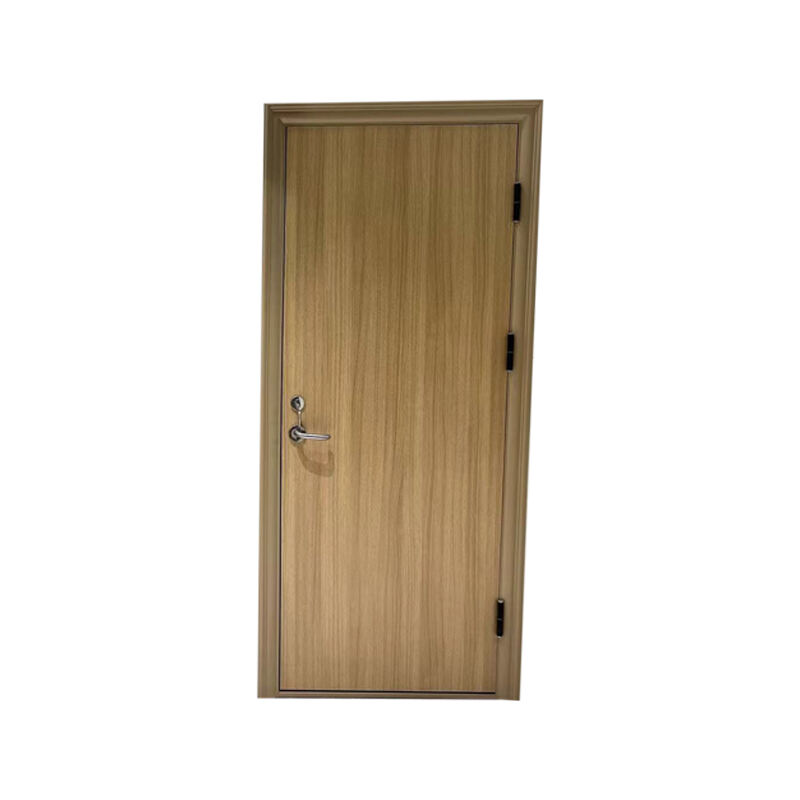
Thermal break technology represents one of the most significant advances in modern building envelope design, particularly for aluminum-framed fenestration systems. This innovative engineering solution addresses the inherent thermal conductivity challenges associated with aluminum construction materials, creating a barrier that prevents heat transfer between interior and exterior environments. For architects, builders, and property developers seeking energy-efficient solutions, understanding thermal break technology becomes essential for achieving optimal building performance and occupant comfort.
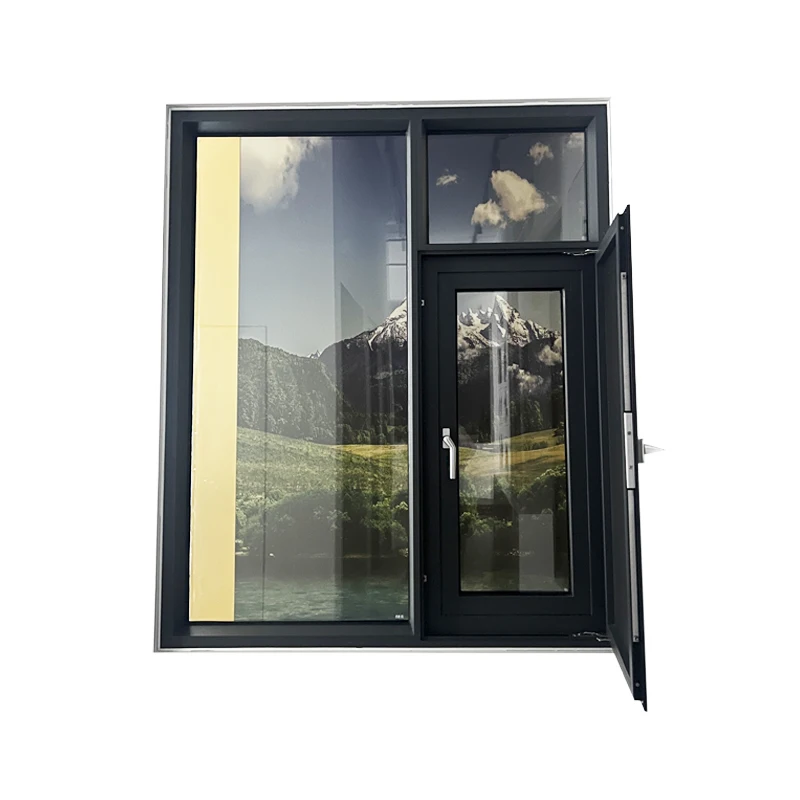
The implementation of thermal break technology in sliding door systems has revolutionized the commercial and residential construction industries. Modern aluminum sliding doors equipped with thermal break systems provide superior insulation properties while maintaining the structural integrity and aesthetic appeal that aluminum framing offers. These advanced systems incorporate specialized polyamide strips or thermoplastic materials that create an effective thermal barrier within the aluminum frame profile.
Energy efficiency standards across global markets continue to evolve, driving increased demand for high-performance fenestration products. Thermal break technology enables aluminum sliding doors to meet stringent energy codes and green building certification requirements, making them viable alternatives to traditional materials in climate-conscious construction projects.
Understanding Thermal Bridge Phenomenon
Heat Transfer Mechanisms in Aluminum Frames
Aluminum's exceptional thermal conductivity, while beneficial for many applications, creates challenges in building envelope design. Pure aluminum conducts heat approximately 200 times more effectively than wood and 1000 times more than typical insulation materials. This characteristic leads to thermal bridging, where heat bypasses insulation layers through continuous aluminum pathways, resulting in energy loss and potential condensation issues.
Thermal bridging occurs when conductive materials create uninterrupted paths for heat transfer through building assemblies. In aluminum sliding door systems without thermal break technology, the metal frame acts as a thermal highway, allowing interior conditioned air to escape and exterior temperatures to penetrate the building envelope. This phenomenon significantly reduces the overall thermal performance of even well-insulated wall assemblies.
The impact of thermal bridging extends beyond energy efficiency concerns. Temperature differentials across aluminum frames can create surface condensation, leading to moisture-related problems including mold growth, material deterioration, and indoor air quality issues. Understanding these mechanisms highlights the critical importance of incorporating thermal break technology in modern aluminum fenestration design.
Quantifying Thermal Performance Impact
Research studies demonstrate that aluminum frames without thermal break technology can account for 20-40% of total window assembly heat loss, even when high-performance glazing systems are installed. This significant thermal penalty underscores the necessity of thermal break technology for achieving meaningful energy performance improvements in aluminum sliding door applications.
Thermal transmittance values, measured as U-factors, provide quantifiable metrics for comparing fenestration performance. Aluminum sliding doors incorporating thermal break technology typically achieve U-factor improvements of 30-50% compared to conventional aluminum frames. These improvements translate directly into reduced heating and cooling loads, lower utility costs, and enhanced occupant comfort throughout the building lifecycle.
Advanced thermal modeling software enables precise calculation of heat transfer rates through various frame configurations. These tools demonstrate how strategic placement of thermal break materials can dramatically alter the thermal performance characteristics of aluminum sliding door systems, validating the engineering principles underlying thermal break technology implementation.
Thermal Break Design Principles
Material Selection and Properties
Effective thermal break technology relies on carefully selected materials that combine low thermal conductivity with structural performance requirements. Polyamide compounds reinforced with glass fibers represent the most common thermal break materials, offering thermal conductivity values approximately 200 times lower than aluminum while maintaining sufficient mechanical strength for structural applications.
The geometric configuration of thermal break elements plays a crucial role in overall system performance. Thermal break strips must provide adequate width to create meaningful thermal resistance while accommodating structural loads transferred through the aluminum frame assembly. Thermal break technology implementation requires precise engineering to balance thermal and structural performance requirements.
Advanced polyurethane and aerogel-based thermal break materials represent emerging technologies offering superior insulation properties. These materials enable reduced thermal break strip dimensions while maintaining or improving thermal performance, allowing for more compact aluminum sliding door profiles without compromising energy efficiency.
Integration Methods and Techniques
Mechanical assembly techniques for thermal break technology typically employ roll-in or pour-and-debridge methods for joining aluminum frame segments. Roll-in systems utilize pre-formed thermal break strips inserted into specially designed channels within the aluminum extrusion, creating secure mechanical connections while maintaining thermal isolation.
Pour-and-debridge methods involve casting liquid polyurethane into aluminum frame cavities, followed by precision machining to remove aluminum bridges after curing. This approach enables custom thermal break configurations tailored to specific aluminum sliding door designs, optimizing both thermal and structural performance characteristics.
Quality control procedures for thermal break technology assembly ensure consistent performance across production runs. Precise alignment, proper cure cycles, and dimensional verification prevent thermal bridges that could compromise the effectiveness of the thermal break system in aluminum sliding door applications.
Performance Benefits and Applications
Energy Efficiency Improvements
Aluminum sliding doors incorporating thermal break technology demonstrate measurable improvements in building energy performance through reduced heating and cooling loads. Field studies indicate that buildings with thermally broken aluminum fenestration systems consume 15-25% less energy for climate control compared to structures with conventional aluminum frames.
The enhanced thermal performance of thermal break technology enables aluminum sliding doors to contribute toward green building certification goals. LEED, BREEAM, and similar rating systems recognize the energy efficiency benefits of thermally broken aluminum fenestration, providing points toward overall project sustainability scores.
Lifecycle cost analysis reveals that thermal break technology implementations typically achieve payback periods of 5-8 years through energy savings, making them economically attractive investments for both commercial and residential applications. Extended service life and reduced maintenance requirements further enhance the economic benefits of thermal break technology in aluminum sliding door systems.
Comfort and Condensation Control
Thermal break technology significantly improves interior surface temperatures on aluminum sliding door frames, reducing the likelihood of condensation formation during cold weather conditions. Warmer interior frame surfaces enhance occupant thermal comfort by eliminating cold drafts and radiant heat loss near window areas.
Relative humidity control becomes more manageable in buildings equipped with thermally broken aluminum sliding doors, as reduced condensation potential minimizes moisture-related indoor air quality issues. This benefit proves particularly valuable in humid climates or applications with high internal moisture loads, such as swimming pool enclosures or commercial kitchen facilities.
Sound transmission characteristics also improve with thermal break technology implementation, as the polyamide thermal break materials provide additional acoustic dampening within the aluminum frame assembly. This secondary benefit enhances occupant comfort in noise-sensitive environments while maintaining the primary thermal performance advantages.
Installation and Quality Considerations
Proper Installation Techniques
Successful thermal break technology performance depends heavily on proper installation practices that maintain thermal continuity throughout the aluminum sliding door assembly. Installation teams must understand the critical importance of avoiding thermal bridges during mounting, flashing, and sealing operations.
Thermal break technology requires specialized fastening methods that prevent direct metal-to-metal contact between interior and exterior aluminum frame components. Thermally isolated fasteners, gaskets, and mounting hardware ensure that the thermal break system maintains its effectiveness throughout the installation process.
Quality assurance protocols for thermal break technology installations include thermal imaging verification to identify potential thermal bridges or installation defects. These non-destructive testing methods validate proper thermal break system performance before building commissioning and occupancy.
Maintenance and Longevity
Long-term performance of thermal break technology depends on material stability and resistance to environmental degradation. High-quality polyamide thermal break materials demonstrate excellent UV resistance, dimensional stability, and chemical compatibility with aluminum components over extended service periods.
Preventive maintenance procedures for aluminum sliding doors with thermal break technology focus on preserving gasket integrity, drainage system function, and hardware operation. Regular inspections ensure that thermal break system effectiveness remains intact throughout the building lifecycle, protecting the initial investment in energy-efficient fenestration.
Thermal performance monitoring techniques enable building operators to verify ongoing thermal break technology effectiveness through energy consumption analysis and infrared thermography assessments. These monitoring approaches support proactive maintenance strategies that maximize the longevity and performance benefits of thermally broken aluminum sliding door systems.
Future Developments and Innovations
Advanced Material Technologies
Emerging thermal break technology incorporates nanotechnology-enhanced materials offering superior thermal resistance properties in reduced thicknesses. These advanced materials enable more compact aluminum sliding door profiles while maintaining or improving thermal performance compared to conventional thermal break systems.
Aerogel-enhanced thermal break materials represent cutting-edge developments in thermal break technology, providing exceptional insulation properties while maintaining structural compatibility with aluminum frame systems. These materials offer the potential for ultra-high-performance aluminum sliding doors suitable for passive house and net-zero energy building applications.
Smart thermal break materials incorporating phase-change capabilities represent future innovations that could provide dynamic thermal response characteristics. These materials would automatically adjust thermal resistance properties based on ambient temperature conditions, optimizing aluminum sliding door performance across varying climate conditions.
Integration with Building Systems
Future thermal break technology developments focus on integration with building automation systems for real-time thermal performance monitoring and optimization. Smart sensors embedded within thermal break assemblies could provide continuous feedback on system performance and environmental conditions.
Advanced modeling and simulation tools continue to refine thermal break technology design optimization, enabling custom solutions tailored to specific climate conditions and building performance requirements. These tools facilitate the development of application-specific thermal break configurations that maximize energy efficiency while minimizing material usage and cost.
The convergence of thermal break technology with renewable energy systems presents opportunities for integrated building envelope solutions. Aluminum sliding doors with embedded thermal break systems could incorporate photovoltaic elements or thermal collection capabilities, transforming passive building components into active energy generation systems.
FAQ
What is the typical lifespan of thermal break technology in aluminum sliding doors?
High-quality thermal break technology systems in aluminum sliding doors typically provide effective thermal performance for 25-30 years or more when properly installed and maintained. The polyamide materials used in thermal break technology demonstrate excellent long-term stability and resistance to environmental degradation, ensuring consistent performance throughout the building lifecycle.
How does thermal break technology affect the structural integrity of aluminum sliding doors?
Thermal break technology is specifically engineered to maintain the structural performance of aluminum sliding door systems while providing thermal isolation. Modern thermal break materials possess sufficient mechanical strength to transfer structural loads between aluminum frame components without compromising safety or operational performance. Proper design and installation ensure that thermal break technology enhances rather than diminishes overall system integrity.
Can existing aluminum sliding doors be retrofitted with thermal break technology?
Retrofitting existing aluminum sliding doors with thermal break technology is generally not feasible due to the integrated nature of thermal break systems within aluminum frame extrusions. Thermal break technology must be incorporated during the manufacturing process to achieve proper thermal isolation and structural performance. Upgrading to thermally broken aluminum sliding doors typically requires complete unit replacement.
What maintenance requirements are specific to thermal break technology systems?
Thermal break technology systems require minimal specific maintenance beyond standard aluminum sliding door care procedures. Regular cleaning, lubrication of moving parts, and inspection of gaskets and drainage systems help maintain optimal performance. Periodic thermal imaging inspections can verify that thermal break technology continues to function effectively, identifying any potential issues before they impact building energy performance.
Table of Contents
- Understanding Thermal Bridge Phenomenon
- Thermal Break Design Principles
- Performance Benefits and Applications
- Installation and Quality Considerations
- Future Developments and Innovations
-
FAQ
- What is the typical lifespan of thermal break technology in aluminum sliding doors?
- How does thermal break technology affect the structural integrity of aluminum sliding doors?
- Can existing aluminum sliding doors be retrofitted with thermal break technology?
- What maintenance requirements are specific to thermal break technology systems?