 EN
EN

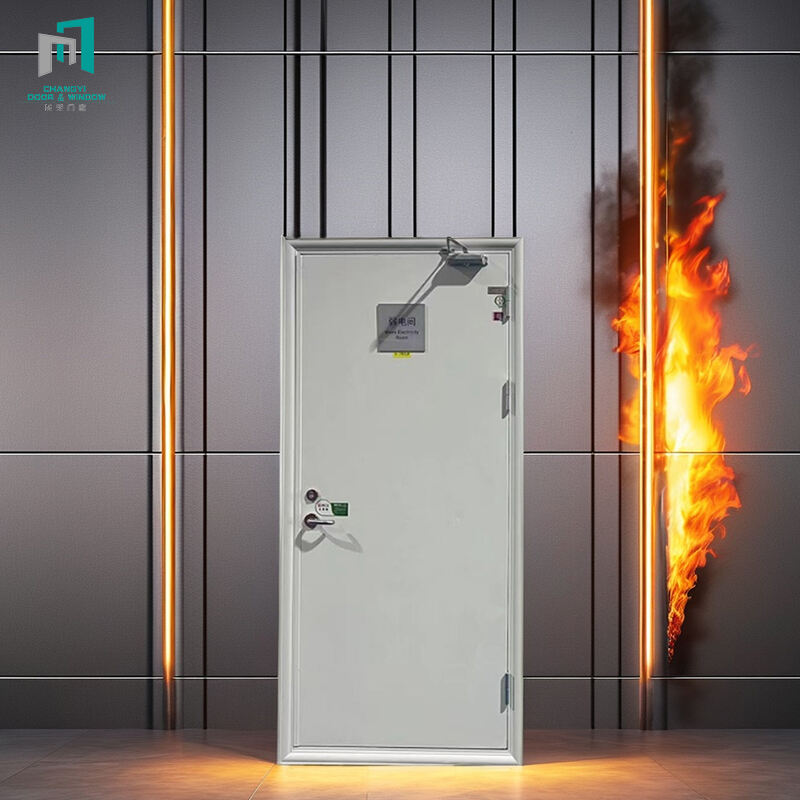
Modern homeowners face increasing security challenges, making robust protection systems more crucial than ever before. Aluminum security doors represent a sophisticated solution that combines advanced materials engineering with contemporary design aesthetics. These specialized entry systems offer superior protection while maintaining visual appeal, making them an essential investment for residential properties. The growing demand for aluminum security doors reflects homeowners' desire for reliable protection without compromising architectural beauty.
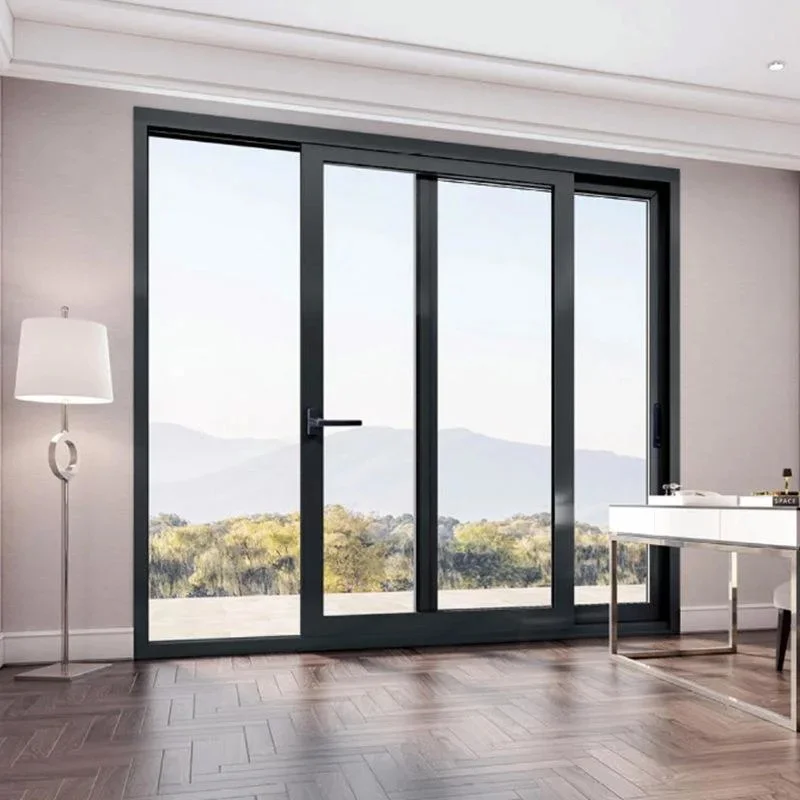
Understanding Aluminum Security Door Construction
Material Properties and Durability
Aluminum security doors utilize high-grade aluminum alloys specifically engineered for maximum strength and corrosion resistance. The material composition typically includes aluminum 6063-T5 or similar grades, providing exceptional tensile strength while maintaining lightweight properties. These alloys undergo specialized heat treatment processes that enhance their structural integrity and resistance to environmental factors. The inherent properties of aluminum make these security doors ideal for various climatic conditions, from humid coastal regions to dry desert environments.
The manufacturing process involves precision extrusion techniques that create uniform wall thickness and consistent material density throughout the door frame. This manufacturing approach ensures that aluminum security doors maintain structural stability under stress while providing long-term reliability. The material's natural oxide layer provides additional protection against corrosion, extending the operational lifespan significantly compared to traditional steel alternatives.
Reinforcement Systems and Security Features
Advanced reinforcement systems distinguish high-quality aluminum security doors from standard residential doors. Multi-point locking mechanisms distribute force across multiple contact points, creating superior resistance against forced entry attempts. These systems typically incorporate reinforced strike plates, hardened steel bolts, and tamper-resistant hardware components. The integration of these security features transforms aluminum security doors into formidable barriers against unauthorized access.
Modern aluminum security doors incorporate sophisticated hinge systems designed to prevent removal from the exterior. Heavy-duty hinges with concealed mounting hardware eliminate potential vulnerability points while ensuring smooth operation over extended periods. The door frames feature reinforced jambs with steel inserts, providing additional resistance against impact forces and maintaining structural integrity under extreme conditions.
Design Aesthetics and Architectural Integration
Contemporary Styling Options
Today's aluminum security doors offer diverse design options that complement various architectural styles without sacrificing security functionality. Diamond-cut patterns, geometric designs, and decorative glass inserts provide visual interest while maintaining protective capabilities. These design elements allow homeowners to enhance their property's curb appeal while implementing comprehensive security measures. The versatility of aluminum allows for intricate detailing and custom configurations that match specific architectural requirements.
Color customization options enable seamless integration with existing exterior design schemes. Powder coating processes provide durable finishes in numerous colors and textures, from classic neutrals to bold contemporary shades. The finish quality of aluminum security doors resists fading, chalking, and weathering, maintaining aesthetic appeal throughout their operational lifespan.
Glass Integration and Visibility Options
Strategic glass placement in aluminum security doors balances security requirements with natural light transmission and visibility preferences. Reinforced glass panels utilize laminated or tempered glass specifications that provide impact resistance while allowing visual connection between interior and exterior spaces. These glass components undergo rigorous testing to ensure they meet security standards while contributing to the door's overall aesthetic appeal.
Decorative glass options include frosted, etched, or patterned varieties that provide privacy while maintaining security functionality. The glass mounting systems incorporate specialized gaskets and retention systems that prevent easy removal while accommodating thermal expansion and contraction. This attention to detail ensures that aluminum security doors maintain their protective capabilities while offering customizable visibility options.
Installation Considerations and Requirements
Site Preparation and Measurement
Proper installation of aluminum security doors requires precise measurement and adequate site preparation to ensure optimal performance and security. Door openings must be accurately measured and assessed for structural adequacy, including frame condition, level alignment, and adequate clearance for hardware operation. Professional installers evaluate existing door frames and threshold conditions to determine necessary modifications or reinforcements.
Site preparation may involve adjusting or replacing existing door frames to accommodate the specific requirements of aluminum security doors. This process ensures proper fit, weather sealing, and security hardware operation. The installation team must verify that the supporting structure can accommodate the weight and operational forces of the new security system.
Professional Installation Standards
Professional installation ensures that aluminum security doors achieve their designed security ratings and operational performance. Certified installers follow manufacturer specifications and industry standards to guarantee proper functionality and warranty compliance. The installation process includes precise alignment, hardware adjustment, and comprehensive testing of all security features.
Quality installation incorporates proper weather sealing, thermal break installation, and security hardware calibration. These critical steps ensure that aluminum security doors provide intended protection levels while maintaining energy efficiency and operational smoothness. Professional installers also provide operational training and maintenance guidance to maximize the door system's longevity and effectiveness.
Maintenance and Long-term Performance
Routine Maintenance Procedures
Maintaining aluminum security doors requires minimal effort while providing significant returns in performance and longevity. Regular cleaning with mild detergents and soft brushes removes accumulated dirt and environmental contaminants without damaging protective finishes. The corrosion-resistant properties of aluminum minimize maintenance requirements compared to steel alternatives, making these doors particularly suitable for coastal or high-humidity environments.
Hardware lubrication represents a critical maintenance task that ensures continued smooth operation and security functionality. High-quality lubricants applied to hinges, locks, and moving components prevent wear and maintain operational precision. Regular inspection of weather seals, glass mounting systems, and security hardware identifies potential issues before they compromise door performance or security capabilities.
Performance Monitoring and Upgrades
Long-term performance monitoring helps identify optimization opportunities and ensures continued security effectiveness. Regular security assessments evaluate lock mechanisms, reinforcement systems, and overall door integrity to maintain protective capabilities. This proactive approach extends the operational lifespan of aluminum security doors while preserving their security ratings and functionality.
Upgrade opportunities may include enhanced locking systems, improved weather sealing, or decorative modifications that refresh the door's appearance. The modular design of quality aluminum security doors accommodates various upgrades without requiring complete replacement, providing cost-effective enhancement options that extend system utility and maintain contemporary styling.
Cost Analysis and Value Proposition
Initial Investment Considerations
The initial cost of aluminum security doors reflects their sophisticated engineering, premium materials, and comprehensive security features. While the upfront investment exceeds standard residential doors, the long-term value proposition includes enhanced security, reduced maintenance costs, and improved property value. Homeowners must evaluate total cost of ownership, including installation, maintenance, and potential insurance benefits when considering aluminum security doors.
Financing options and manufacturer warranties provide additional value considerations that impact the overall investment equation. Extended warranties on materials and workmanship reduce long-term ownership risks while ensuring continued performance. The durability and longevity of aluminum security doors typically result in lower lifetime costs compared to alternative security solutions requiring frequent replacement or significant maintenance.
Return on Investment Factors
Property value enhancement represents a significant return on investment factor for aluminum security doors. These premium entry systems contribute to overall home security ratings and aesthetic appeal, potentially increasing property values beyond the initial door investment. Real estate professionals recognize quality security features as valuable selling points that appeal to security-conscious buyers.
Insurance benefits may include reduced premiums for properties with certified security systems, including high-quality aluminum security doors. Many insurance providers offer discounts for homes with enhanced security features, creating ongoing savings that offset initial investment costs. The comprehensive protection provided by aluminum security doors may also reduce claims risk and associated insurance complications.
FAQ
How do aluminum security doors compare to steel alternatives
Aluminum security doors offer superior corrosion resistance, lighter weight, and easier maintenance compared to steel alternatives. While steel provides slightly higher impact resistance, aluminum's strength-to-weight ratio and environmental resistance make it ideal for most residential applications. The powder coating options and design flexibility of aluminum security doors also exceed typical steel door capabilities, providing better architectural integration options.
What security certifications should I look for
Quality aluminum security doors should meet or exceed relevant security standards such as ASTM F476 or equivalent international certifications. Look for doors with multi-point locking systems, reinforced frames, and impact-resistant glass components. Manufacturer certifications and third-party testing documentation verify security performance claims and ensure reliable protection capabilities.
Can aluminum security doors be customized for unique openings
Professional manufacturers offer extensive customization options for aluminum security doors, including non-standard sizes, custom colors, decorative patterns, and specialized hardware configurations. Custom fabrication accommodates unique architectural requirements while maintaining security standards and warranty coverage. Consultation with experienced suppliers ensures optimal solutions for challenging installation requirements.
How long do aluminum security doors typically last
Quality aluminum security doors typically provide 20-30 years of reliable service with proper maintenance and installation. The corrosion-resistant properties of aluminum, combined with durable powder coating finishes, ensure long-term performance in various environmental conditions. Regular maintenance and periodic hardware updates can extend operational lifespan while maintaining security effectiveness and aesthetic appeal.