 EN
EN

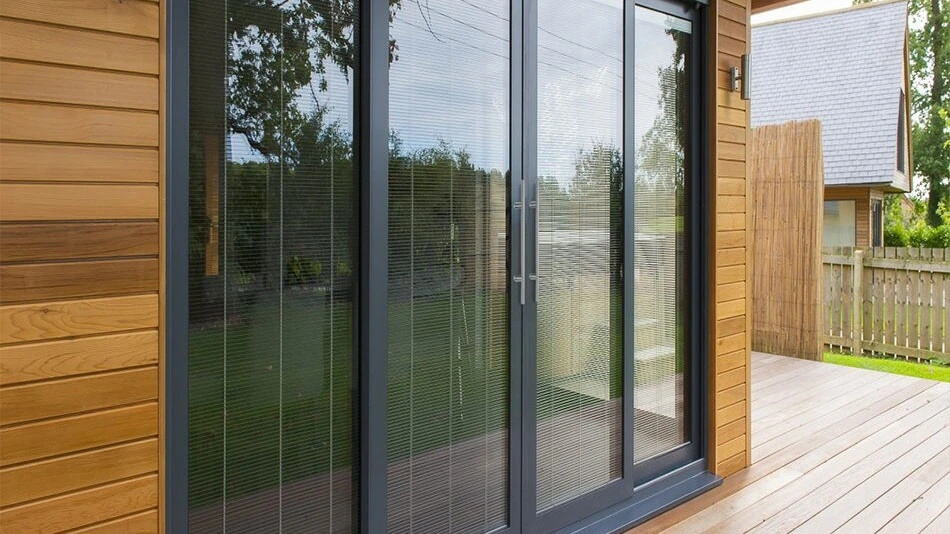
When protecting your home or business, choosing the right aluminum security doors can make all the difference between comprehensive protection and vulnerability. Modern aluminum security doors have evolved significantly from their basic counterparts, incorporating advanced materials science, sophisticated locking mechanisms, and aesthetic appeal that complements contemporary architectural designs. Understanding the key features that distinguish premium aluminum security doors from inferior alternatives empowers property owners to make informed decisions that enhance both security and curb appeal. The investment in quality aluminum security doors pays dividends through improved safety, energy efficiency, and long-term durability that withstands harsh environmental conditions.
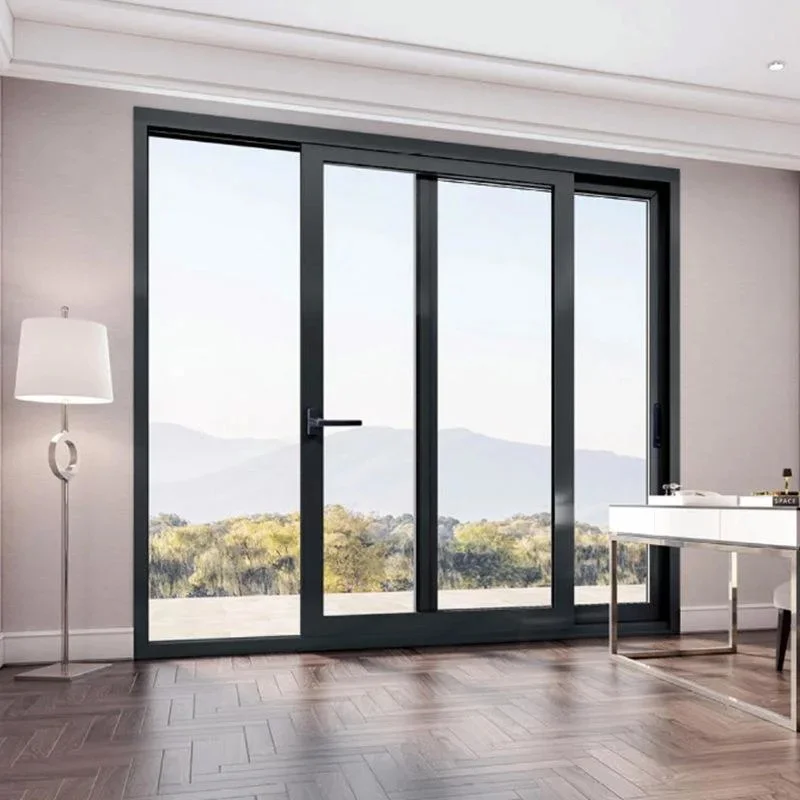
Material Quality and Construction Standards
Grade of Aluminum Alloy
The foundation of superior aluminum security doors lies in the specific aluminum alloy composition used in manufacturing. High-grade aluminum alloys, typically 6063-T5 or 6061-T6, provide exceptional strength-to-weight ratios while maintaining excellent corrosion resistance properties. These alloys undergo precise heat treatment processes that enhance their structural integrity and ensure consistent performance under stress. Premium manufacturers select aluminum grades that meet international standards for security applications, guaranteeing that the doors can withstand forced entry attempts while maintaining their operational smoothness over decades of use.
The thickness of aluminum profiles significantly impacts the door's security capabilities and longevity. Quality aluminum security doors feature profiles with wall thickness ranging from 1.4mm to 2.0mm, providing robust resistance against impact and manipulation attempts. Thicker profiles also contribute to better thermal insulation properties and reduced noise transmission, creating more comfortable interior environments. When evaluating different options, examine the manufacturer's specifications for aluminum grade certification and profile thickness measurements to ensure compliance with security standards.
Welding and Joint Construction
Professional-grade aluminum security doors employ advanced welding techniques that create seamless, reinforced joints at critical stress points. The welding process should utilize TIG (Tungsten Inert Gas) welding methods that produce clean, strong welds without compromising the aluminum's structural properties. Quality manufacturers perform post-weld heat treatment to restore the aluminum's original strength characteristics and eliminate potential weak points that could be exploited during security breaches.
Corner joints represent the most vulnerable areas in door construction, requiring special attention to reinforcement techniques. Premium aluminum security doors incorporate corner brackets, mechanical fasteners, or specialized corner welding procedures that distribute stress loads evenly across the frame structure. Examine the corner construction carefully, looking for smooth finishes without visible gaps or irregularities that might indicate substandard assembly practices. The integration of reinforcement elements should appear seamless and professionally executed.
Advanced Locking Systems and Hardware
Multi-Point Locking Mechanisms
Contemporary aluminum security doors integrate sophisticated multi-point locking systems that engage at multiple locations around the door perimeter. These systems typically feature three to five locking points that simultaneously engage when the door is secured, distributing force across the entire frame structure rather than concentrating stress at a single point. The locking mechanism should operate smoothly with minimal key effort while providing positive engagement feedback to confirm proper closure.
High-quality multi-point locks incorporate hardened steel components that resist drilling, picking, and impact attacks. The lock cylinders should meet recognized security standards such as ANSI Grade 1 or European security classifications, providing documented resistance against common bypass techniques. Advanced systems may include anti-bump features, restricted keyway access, and master key compatibility for commercial applications requiring centralized access control.
Reinforced Strike Plates and Hinges
The security effectiveness of aluminum security doors depends heavily on the quality and installation of strike plates and hinge systems. Premium doors feature oversized strike plates constructed from hardened steel or reinforced aluminum, with extended mounting screws that penetrate deep into the door frame structure. These components should be precisely machined to ensure perfect alignment with the locking mechanism and provide maximum resistance against forced entry attempts.
Heavy-duty hinge systems distribute the door's weight evenly while maintaining smooth operation throughout the door's service life. Quality hinges incorporate sealed ball bearings or bronze bushings that eliminate friction and prevent premature wear. The hinge pins should be non-removable when the door is closed, preventing unauthorized removal from the exterior side. Some advanced designs include security studs or interlocking features that maintain door integrity even if hinges are compromised.
Glazing Options and Security Features
Impact-Resistant Glass Selection
Modern aluminum security doors often incorporate glazing elements that enhance natural light transmission while maintaining security standards. Laminated safety glass represents the minimum acceptable standard, featuring multiple glass layers bonded with polyvinyl butyral (PVB) interlayers that hold fragments together upon impact. Advanced security applications may specify tempered laminated glass or polycarbonate glazing materials that provide exceptional impact resistance while maintaining optical clarity.
The glazing system's security effectiveness depends on proper installation within reinforced frames that prevent glass removal from the exterior. Quality aluminum security doors feature glazing stops that are accessible only from the interior side, with structural glazing compounds or mechanical retention systems that secure the glass panels against removal attempts. Consider doors with smaller glazed areas or decorative glass patterns that limit visibility into interior spaces while maintaining aesthetic appeal.
Integrated Security Films and Coatings
Advanced aluminum security doors may incorporate security films or specialized coatings applied to glazed surfaces to enhance their resistance properties. Security films create additional layers of protection that hold glass fragments together and slow penetration attempts, providing valuable time for security response. These films can be virtually invisible when properly applied, maintaining the door's aesthetic appearance while significantly improving security performance.
Low-emissivity coatings and reflective films serve dual purposes by enhancing energy efficiency and providing privacy benefits. These coatings reduce heat transfer through glazed areas while creating one-way visibility that allows interior occupants to observe exterior conditions without compromising their privacy. When selecting coated glazing options, verify that the coatings are durable enough to withstand cleaning and weather exposure without degradation.
Weather Sealing and Insulation Properties
Comprehensive Weather Stripping Systems
Effective weather sealing ensures that aluminum security doors provide long-term protection against environmental elements while maintaining energy efficiency. Premium doors incorporate multiple weather sealing systems using EPDM rubber, silicone, or thermoplastic elastomers that remain flexible across wide temperature ranges. The weather stripping should create continuous seals around the entire door perimeter, with special attention to threshold areas where water infiltration is most likely to occur.
Quality weather sealing systems feature replaceable components that allow maintenance without requiring complete door replacement. The sealing profiles should be designed to accommodate thermal expansion and contraction of aluminum components while maintaining effective barriers against air and water infiltration. Compression seals provide superior performance compared to wiper-style seals, creating positive barriers that improve with door closure force.
Thermal Bridge Elimination
High-performance aluminum security doors incorporate thermal break technology that prevents heat transfer through the aluminum frame structure. Thermal breaks typically consist of polyamide strips or insulating materials inserted between interior and exterior aluminum components, creating thermal isolation that improves energy efficiency and reduces condensation potential. This technology is particularly important in climate-controlled environments where energy costs represent significant operational expenses.
The effectiveness of thermal break systems depends on precise manufacturing tolerances and proper assembly techniques. Quality aluminum security doors feature continuous thermal breaks without gaps or bridges that could compromise thermal performance. Some advanced designs incorporate multiple thermal breaks at different depths within the frame structure, providing enhanced insulation properties that exceed building code requirements for energy efficiency.
Surface Treatments and Finish Options
Powder Coating Applications
Durable surface finishes protect aluminum security doors from corrosion while providing aesthetic customization options. Powder coating represents the gold standard for aluminum door finishes, offering superior adhesion, impact resistance, and color retention compared to liquid paint systems. The powder coating process involves electrostatic application followed by high-temperature curing that creates molecularly bonded finishes resistant to chipping, fading, and chemical exposure.
Quality powder coatings for aluminum security doors should meet AAMA specifications for architectural finishes, providing documented performance standards for weathering resistance and color stability. Premium finishes may incorporate fluoropolymer resins or ceramic particles that enhance durability and self-cleaning properties. The coating thickness should be uniform across all surfaces, with special attention to edges and corners where coating integrity is most critical for long-term protection.
Anodizing and Specialized Treatments
Anodizing provides an alternative surface treatment that creates integral oxide layers within the aluminum substrate, offering exceptional durability and corrosion resistance. This electrochemical process produces finishes that cannot chip or peel like applied coatings, making anodized aluminum security doors ideal for harsh environmental conditions or high-traffic applications. Anodizing also allows for unique aesthetic effects through color integration and texture variations.
Specialized treatments such as wood grain texturing or metallic finishes enable aluminum security doors to complement various architectural styles while maintaining their security characteristics. These treatments utilize advanced printing or embossing techniques that create realistic surface textures without compromising the underlying aluminum's structural properties. When selecting textured finishes, ensure that surface variations do not create cleaning difficulties or provide concealment for potential security devices.
Installation Requirements and Professional Considerations
Frame Preparation and Reinforcement
Proper installation fundamentally determines the security effectiveness of aluminum security doors, regardless of their inherent quality characteristics. The door frame must provide adequate structural support through proper anchoring to building structural elements, typically requiring reinforced attachment points every 12 to 16 inches around the perimeter. Frame preparation includes verification of square and plumb conditions, with adjustments made before final door installation to ensure proper operation and security performance.
Professional installers should reinforce frame attachment points with structural fasteners appropriate for the building construction type, whether concrete, steel, or wood framing. The installation should include flashing and weatherproofing measures that prevent water infiltration while maintaining the door's security integrity. Frame reinforcement may require additional structural elements such as steel plates or expanded anchoring systems in situations where building structures cannot provide adequate support.
Adjustment and Operational Testing
Comprehensive testing ensures that aluminum security doors operate correctly and provide intended security benefits throughout their service life. Professional installation includes adjustment of all hardware components, verification of proper weather sealing, and testing of locking mechanisms under various operating conditions. The door should operate smoothly without binding or excessive force requirements while maintaining proper alignment with frame components.
Post-installation testing should include security verification procedures such as lock operation testing, hinge adjustment confirmation, and weather seal integrity checks. Professional installers typically provide operational instructions and maintenance recommendations specific to the installed door configuration. Regular adjustment and lubrication schedules help maintain optimal performance and extend the door's service life while preserving security characteristics.
FAQ
What aluminum grade provides the best security performance for residential doors
The 6063-T5 and 6061-T6 aluminum alloys offer optimal security performance for residential aluminum security doors. These grades provide excellent strength-to-weight ratios with superior corrosion resistance, making them ideal for long-term security applications. The T5 and T6 temper designations indicate heat treatment processes that enhance the aluminum's mechanical properties, ensuring consistent performance under stress conditions typical in security applications.
How do multi-point locking systems improve door security compared to single-point locks
Multi-point locking systems distribute force across multiple engagement points around the door perimeter, eliminating the single point of failure common with traditional locks. When forced entry is attempted, the load spreads across three to five locking points rather than concentrating at one location, significantly increasing the force required for breach. This design also prevents door frame distortion that could compromise other security features.
What maintenance requirements should be expected for aluminum security doors
Regular maintenance for aluminum security doors includes cleaning with mild soap solutions, lubricating moving parts annually, and inspecting weather seals for wear or damage. Hardware components should be checked periodically for proper alignment and operation, with adjustments made as needed to maintain smooth function. Powder coating finishes typically require only periodic cleaning, while anodized finishes may need occasional treatment with specialized aluminum cleaners to maintain their appearance.
Can aluminum security doors provide adequate insulation for energy-efficient buildings
Modern aluminum security doors with thermal break technology can achieve excellent insulation performance suitable for energy-efficient construction. Thermal breaks interrupt heat transfer through aluminum components, while quality weather sealing prevents air infiltration that compromises energy efficiency. Some advanced aluminum security doors exceed building code requirements for thermal performance, making them suitable for high-performance building applications where energy conservation is prioritized alongside security needs.
Table of Contents
- Material Quality and Construction Standards
- Advanced Locking Systems and Hardware
- Glazing Options and Security Features
- Weather Sealing and Insulation Properties
- Surface Treatments and Finish Options
- Installation Requirements and Professional Considerations
-
FAQ
- What aluminum grade provides the best security performance for residential doors
- How do multi-point locking systems improve door security compared to single-point locks
- What maintenance requirements should be expected for aluminum security doors
- Can aluminum security doors provide adequate insulation for energy-efficient buildings