 EN
EN
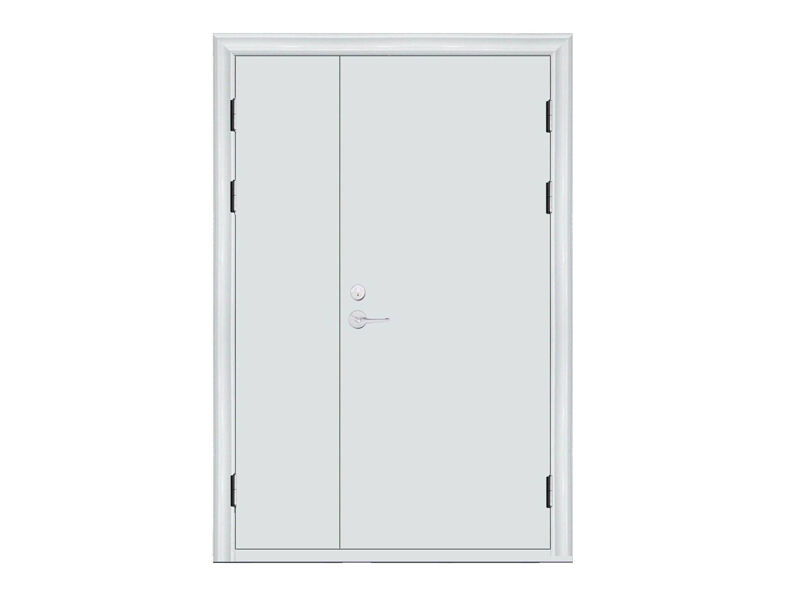
Modern homeowners increasingly prioritize both security and aesthetic appeal when selecting entrance solutions for their properties. The integration of screens and grilles with aluminium security doors represents a sophisticated approach to residential protection that combines robust defense mechanisms with customizable design elements. These innovative door systems offer unparalleled versatility, allowing property owners to create personalized entrance solutions that reflect their unique style preferences while maintaining the highest security standards.
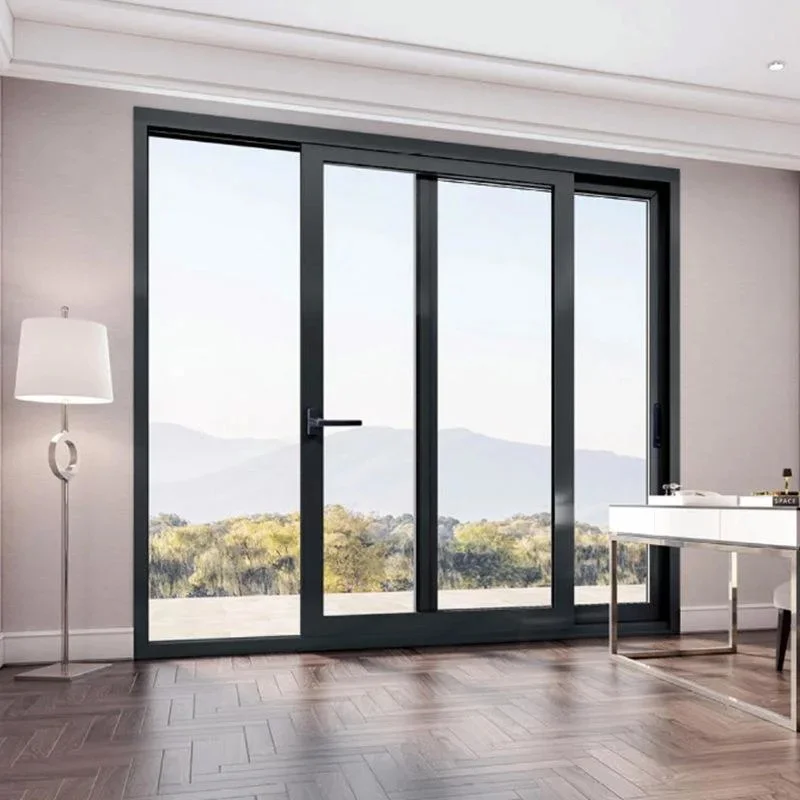
The customization possibilities for aluminium security doors extend far beyond basic color selections and hardware choices. Contemporary manufacturing techniques enable the incorporation of decorative screens and protective grilles that serve dual purposes as security features and architectural elements. These additions transform standard security installations into distinctive focal points that enhance curb appeal while providing superior protection against unauthorized entry attempts.
Understanding Screen Integration Options
Mesh Screen Varieties and Applications
Screen integration with aluminium security doors involves careful consideration of mesh materials, weave patterns, and mounting configurations. Stainless steel mesh offers exceptional durability and corrosion resistance, making it ideal for coastal environments where salt exposure presents ongoing challenges. The weave density of security screens directly impacts visibility and airflow characteristics, with tighter weaves providing enhanced security at the expense of some visual transparency.
Aluminum mesh screens represent another popular choice for homeowners seeking lightweight yet robust screening solutions. These screens integrate seamlessly with the door frame structure, creating a unified appearance that maintains the overall aesthetic integrity of the entrance system. The powder coating compatibility between aluminum screens and door frames ensures consistent color matching throughout the installation lifecycle.
Polyester mesh screens offer unique advantages in specific applications, particularly where impact resistance and flexibility are paramount concerns. These synthetic materials resist tearing and maintain structural integrity under stress conditions that might compromise traditional metal mesh systems. The integration process for polyester screens requires specialized mounting hardware designed to accommodate the material's expansion and contraction characteristics.
Installation Methodologies for Screen Systems
Professional installation of screen systems within aluminium security doors requires precise measurement and careful attention to frame compatibility. The mounting mechanism must distribute stress loads evenly across the door structure to prevent warping or premature failure of connection points. Skilled technicians utilize specialized tools to ensure proper tension distribution across the entire screen surface.
Removable screen systems provide flexibility for seasonal adjustments and maintenance requirements. These configurations incorporate quick-release mechanisms that allow homeowners to easily remove screens for cleaning or replacement without compromising the structural integrity of the security door itself. The design considerations for removable systems include weather sealing and secure locking mechanisms that prevent unauthorized removal.
Permanent screen installations offer superior security characteristics but require more extensive modification of the door frame structure. These systems integrate screen mounting points directly into the aluminum framework during the manufacturing process, creating a monolithic assembly that resists tampering attempts. The permanent installation approach typically results in enhanced weather resistance and improved acoustic properties.
Grille Design and Functionality
Decorative Grille Patterns and Styles
Decorative grilles transform functional aluminium security doors into architectural statements that complement diverse design philosophies. Traditional wrought iron patterns translated into aluminum construction maintain classical elegance while benefiting from modern material advantages. These designs incorporate flowing curves and geometric intersections that create visual interest without compromising security effectiveness.
Contemporary grille designs emphasize clean lines and minimalist aesthetics that align with modern architectural trends. Straight bar configurations arranged in geometric patterns provide security coverage while maintaining unobstructed sight lines through the door opening. The spacing between grille elements must balance security requirements with aesthetic preferences and local building code compliance.
Custom grille designs offer unlimited creative possibilities for homeowners seeking unique entrance solutions. Computer-aided design software enables precise visualization of complex patterns before manufacturing begins, ensuring that the final product meets both functional and aesthetic expectations. Laser cutting technology facilitates the production of intricate grille patterns that would be impossible to achieve through traditional fabrication methods.
Security Enhancement Through Grille Integration
The integration of security grilles with aluminium security doors creates multiple layers of protection that significantly enhance overall entrance security. Grille spacing calculations must consider local security standards and potential intrusion methods while maintaining practical functionality for daily use. The material thickness and mounting methodology directly impact the resistance capabilities of the integrated system.
Anti-cutting grille materials incorporate hardened steel cores within aluminum cladding to resist power tool attacks while maintaining the aesthetic advantages of aluminum construction. These composite materials require specialized joining techniques that maintain structural continuity throughout the grille assembly. The integration process involves precise welding or mechanical fastening methods that create seamless connections between individual grille components.
Adjustable grille systems provide flexibility for changing security requirements while maintaining consistent aesthetic appearance. These mechanisms allow property owners to modify grille spacing or configuration without complete system replacement. The adjustment hardware must withstand repeated operation cycles while maintaining secure locking positions that resist unauthorized manipulation.
Material Selection and Durability Considerations
Aluminum Alloy Specifications for Enhanced Performance
The selection of appropriate aluminum alloys for security door construction significantly impacts long-term performance and durability characteristics. Marine-grade aluminum alloys offer superior corrosion resistance in challenging environmental conditions, making them ideal for coastal installations where salt exposure presents ongoing concerns. These specialized alloys incorporate magnesium and silicon additions that enhance strength properties without compromising workability.
Heat-treated aluminum alloys provide enhanced strength characteristics that improve security performance while maintaining the lightweight advantages inherent in aluminum construction. The heat treatment process involves controlled heating and cooling cycles that modify the internal structure of the material, resulting in improved yield strength and impact resistance. These properties are particularly important in aluminium security doors where structural integrity under stress is paramount.
Recycled aluminum content in modern door construction reflects environmental consciousness while maintaining performance standards. Advanced recycling processes ensure that recycled aluminum maintains the strength and durability characteristics required for security applications. The integration of recycled materials requires careful quality control to ensure consistent alloy composition throughout the manufacturing process.
Surface Treatment and Protective Coatings
Powder coating applications provide durable surface protection for aluminium security doors while offering extensive color customization options. The electrostatic application process ensures uniform coating thickness across complex geometries, including integrated screens and grilles. Proper surface preparation through chemical etching or mechanical abrasion is essential for optimal coating adhesion and long-term performance.
Anodizing treatments create hard, corrosion-resistant surfaces that maintain the natural metallic appearance of aluminum while enhancing durability. The electrochemical process forms an integral oxide layer that becomes part of the aluminum substrate, providing superior adhesion compared to applied coatings. Anodized finishes offer excellent UV resistance, making them ideal for doors exposed to direct sunlight.
Multi-layer coating systems combine the benefits of different treatment technologies to achieve optimal performance characteristics. Base primer layers provide enhanced adhesion and corrosion protection, while topcoat layers deliver aesthetic appeal and weather resistance. These systems require precise application timing and environmental controls to ensure proper inter-layer adhesion and uniform appearance.
Installation and Maintenance Requirements
Professional Installation Considerations
Professional installation of customized aluminium security doors requires specialized knowledge of structural requirements and local building codes. The integration of screens and grilles adds complexity to the installation process, necessitating careful attention to weight distribution and mounting point reinforcement. Qualified installers possess the tools and expertise necessary to ensure proper alignment and operation of all integrated systems.
Frame preparation involves precise measurement and modification of existing door openings to accommodate the enhanced features of customized security doors. The installation process may require structural modifications to support the additional weight of integrated screens and grilles. Professional installers evaluate existing conditions and recommend appropriate reinforcement measures to ensure long-term stability.
Quality control during installation includes verification of proper hardware alignment, weather sealing effectiveness, and smooth operation of all moving components. Comprehensive testing procedures ensure that locking mechanisms engage properly and that screens and grilles maintain proper tension and alignment. Documentation of installation procedures provides valuable reference information for future maintenance requirements.
Long-term Maintenance Strategies
Regular maintenance of aluminium security doors with integrated screens and grilles extends service life and maintains optimal performance characteristics. Cleaning schedules should account for environmental conditions, with more frequent attention required in dusty or coastal environments where contaminant buildup accelerates. Appropriate cleaning solutions and techniques prevent damage to protective coatings while effectively removing accumulated debris.
Hardware lubrication and adjustment represent critical maintenance activities that ensure smooth operation and prevent premature wear. The complexity of integrated screen and grille systems requires systematic inspection of multiple adjustment points and connection mechanisms. Professional maintenance services provide comprehensive evaluation and adjustment of all system components according to manufacturer specifications.
Replacement schedules for consumable components such as weather sealing and hardware elements should be established based on usage patterns and environmental exposure. Proactive replacement of these elements prevents more extensive damage to the main door structure and maintains security effectiveness. Quality replacement parts ensure compatibility and maintain the overall integrity of the customized system.
Cost Considerations and Value Analysis
Initial Investment and Customization Pricing
The initial investment for customized aluminium security doors varies significantly based on the complexity of screen and grille integration, material specifications, and installation requirements. Basic customization options such as standard grille patterns and mesh screens represent modest additions to base door pricing. Complex custom designs and premium material selections can substantially increase overall project costs.
Design complexity directly impacts manufacturing costs, with intricate grille patterns and specialized screen materials requiring additional processing time and specialized equipment. Computer-aided design and manufacturing processes help minimize costs for complex patterns by optimizing material utilization and reducing waste. Volume considerations may provide cost advantages for multiple door installations within the same property.
Installation costs for customized systems reflect the additional complexity and time requirements associated with integrated screens and grilles. Professional installers may require specialized tools and extended installation periods to properly integrate all system components. The total project cost should include provisions for any necessary structural modifications or reinforcement requirements.
Long-term Value and Return on Investment
Customized aluminium security doors provide substantial long-term value through enhanced security capabilities, improved energy efficiency, and increased property value. The integration of screens and grilles creates multi-functional entrance solutions that address diverse homeowner needs while maintaining aesthetic appeal. These improvements often generate positive returns through reduced insurance premiums and enhanced property marketability.
Energy efficiency benefits from properly integrated screen systems contribute to ongoing operational savings through improved ventilation control and reduced HVAC loads. The ability to maintain secure ventilation during favorable weather conditions reduces reliance on mechanical cooling systems. These operational savings accumulate over time, contributing to positive return on investment calculations.
Property value enhancement from premium entrance installations reflects buyer preferences for security and aesthetic improvements. Real estate professionals consistently identify quality entrance systems as valuable selling points that distinguish properties in competitive markets. The customization aspects of integrated screens and grilles appeal to buyers seeking unique architectural features.
FAQ
What maintenance is required for aluminium security doors with integrated screens and grilles
Regular maintenance for aluminium security doors with screens and grilles includes monthly cleaning with mild soap solutions, quarterly inspection of all mounting hardware, and annual professional servicing. Screen tension should be checked periodically, and any damaged sections should be repaired promptly to maintain security effectiveness. Lubrication of hinges and locking mechanisms every six months ensures smooth operation and prevents premature wear.
How do customized screens affect the security level of aluminium doors
Properly installed screens enhance the security level of aluminium security doors by creating additional barriers against intrusion attempts while maintaining visibility and airflow. High-strength mesh materials resist cutting and provide early warning of tampering attempts. The integration process must ensure that screen mounting points do not create structural weak points in the door assembly.
Can existing aluminium security doors be retrofitted with screens and grilles
Many existing aluminium security doors can be retrofitted with screens and grilles, depending on the frame construction and available mounting space. Professional evaluation is necessary to determine structural compatibility and identify any required reinforcement measures. Retrofit installations may have some limitations compared to purpose-built integrated systems but can still provide significant functional and aesthetic improvements.
What factors influence the cost of customizing aluminium security doors
Customization costs for aluminium security doors depend on design complexity, material specifications, manufacturing requirements, and installation considerations. Premium materials such as marine-grade aluminum alloys and specialized mesh systems command higher prices. Complex grille patterns requiring laser cutting or custom fabrication increase manufacturing costs, while standard designs offer more economical options for budget-conscious homeowners.
Table of Contents
- Understanding Screen Integration Options
- Grille Design and Functionality
- Material Selection and Durability Considerations
- Installation and Maintenance Requirements
- Cost Considerations and Value Analysis
-
FAQ
- What maintenance is required for aluminium security doors with integrated screens and grilles
- How do customized screens affect the security level of aluminium doors
- Can existing aluminium security doors be retrofitted with screens and grilles
- What factors influence the cost of customizing aluminium security doors