 EN
EN

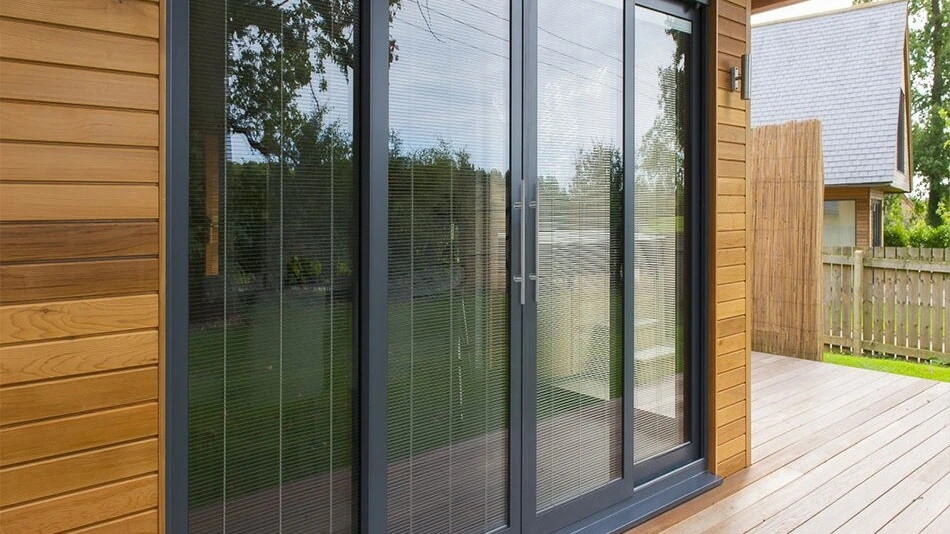
Modern architecture increasingly demands solutions that seamlessly blend indoor and outdoor spaces while maintaining structural integrity and energy efficiency. Aluminium framed sliding doors have emerged as the premier choice for homeowners, architects, and commercial developers seeking to create expansive openings that offer unobstructed panoramic views. These sophisticated door systems combine the inherent strength of aluminum with innovative sliding mechanisms to deliver exceptional performance across residential and commercial applications.
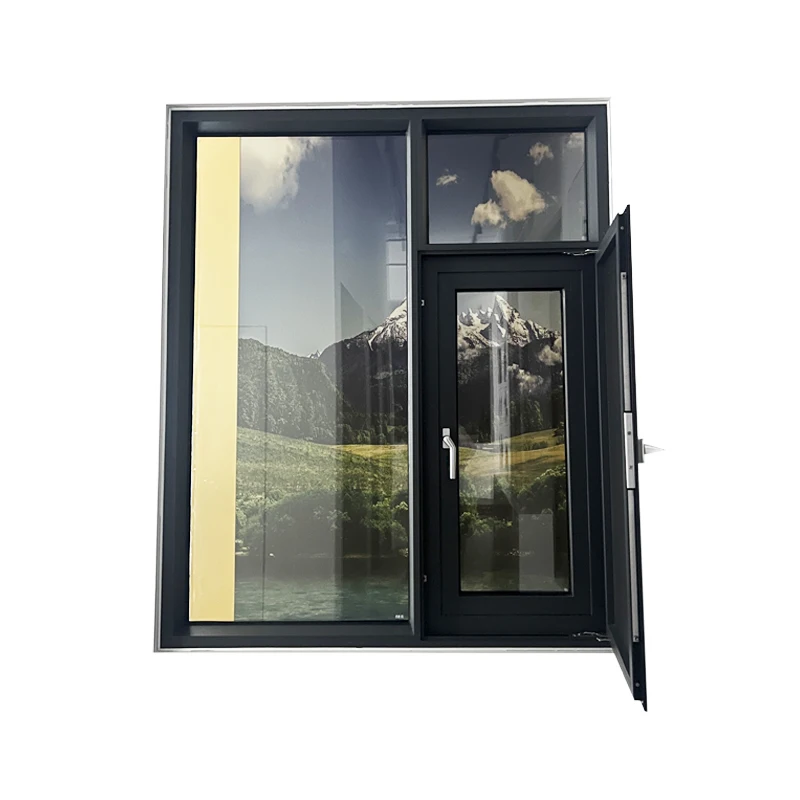
The popularity of aluminium framed sliding doors stems from their ability to maximize natural light penetration while providing excellent thermal performance and weather resistance. Unlike traditional hinged doors that require clearance space for opening, sliding door systems operate within their own frame footprint, making them ideal for space-constrained environments. This characteristic has made them particularly valuable in contemporary urban developments where every square meter counts.
Professional specifiers increasingly recognize that aluminium framed sliding doors represent more than just an architectural element—they serve as a crucial interface between interior comfort and exterior environments. The material properties of aluminum, combined with advanced manufacturing techniques, enable these systems to withstand significant structural loads while maintaining smooth operation over extended periods. This durability factor has positioned them as preferred solutions for high-traffic commercial applications and luxury residential projects alike.
Material Advantages and Engineering Excellence
Aluminum Properties and Performance Characteristics
The selection of aluminum as the primary framing material for sliding doors reflects a careful balance between structural requirements and aesthetic considerations. Aluminum's exceptional strength-to-weight ratio enables the creation of large door panels without compromising structural integrity or operational smoothness. This lightweight characteristic reduces stress on supporting structures while allowing for expansive glass areas that maximize visual connectivity between spaces.
Corrosion resistance stands as another fundamental advantage of aluminium framed sliding doors, particularly in coastal environments or areas with high humidity levels. The natural oxide layer that forms on aluminum surfaces provides inherent protection against environmental degradation, eliminating the need for frequent maintenance cycles associated with other materials. This self-protecting characteristic ensures consistent performance and appearance throughout the door system's operational lifetime.
Thermal expansion properties of aluminum require careful engineering consideration in sliding door applications. Modern manufacturing techniques incorporate thermal breaks and expansion joints that accommodate dimensional changes while maintaining weather sealing integrity. These design features prevent binding during operation and ensure consistent performance across varying temperature conditions.
Structural Engineering and Load Distribution
The engineering principles underlying aluminium framed sliding doors involve sophisticated load distribution mechanisms that transfer weight and wind loads efficiently to supporting structures. Frame profiles are designed with internal reinforcement chambers that increase moment resistance while maintaining sleek exterior appearances. This engineering approach allows for the creation of doors spanning significant widths without requiring intermediate support posts.
Advanced finite element analysis techniques guide the development of frame geometries that optimize material usage while meeting stringent structural performance requirements. The resulting profiles demonstrate exceptional resistance to deflection under load, ensuring consistent operation and preventing seal compromise that could lead to air or water infiltration.
Integration with building structural systems requires careful consideration of connection details and load transfer mechanisms. Properly designed aluminium framed sliding doors distribute loads to adjacent structural elements through engineered connection systems that accommodate building movement while maintaining system integrity.
Design Flexibility and Aesthetic Integration
Architectural Versatility and Style Options
Contemporary architectural trends emphasize clean lines and minimal visual interruption, characteristics that aluminium framed sliding doors deliver exceptionally well. The narrow profile dimensions achievable with aluminum construction maximize glass area while minimizing frame visibility, creating an almost seamless transition between interior and exterior environments. This design philosophy aligns perfectly with modern minimalist architectural approaches.
Color finishing options for aluminium framed sliding doors encompass both anodized and powder-coated systems, providing architects with extensive palette choices to complement building design schemes. Anodized finishes offer superior durability and fade resistance, while powder coating enables custom color matching and textured surface effects. Both finishing systems provide long-term appearance retention under challenging environmental conditions.
The modular nature of aluminum extrusion manufacturing allows for custom profile development to meet specific architectural requirements. This flexibility enables the creation of unique door systems that respond to particular design challenges while maintaining manufacturing efficiency. Custom profiles can incorporate specialized glazing systems, hardware integration features, or enhanced thermal performance characteristics.
Integration with Smart Building Systems
Modern aluminium framed sliding doors increasingly incorporate electronic control systems that enable remote operation and integration with building automation platforms. These smart systems can include motorized operation, sensor-based automatic opening, and connectivity with security and climate control systems. The integration capabilities enhance user convenience while providing energy management opportunities.
Sensor integration allows aluminium framed sliding doors to respond automatically to occupancy patterns, weather conditions, or security requirements. Advanced systems can adjust opening positions based on wind conditions, automatically close during rain events, or provide controlled ventilation based on indoor air quality measurements. These intelligent features transform sliding doors from passive architectural elements into active building system components.
Energy monitoring capabilities built into smart sliding door systems provide valuable data on thermal performance and operational patterns. This information enables building operators to optimize settings for maximum energy efficiency while maintaining occupant comfort. The data collection capabilities also support predictive maintenance programs that prevent operational disruptions.
Installation Considerations and Technical Requirements
Foundation and Structural Preparation
Successful installation of aluminium framed sliding doors begins with proper foundation preparation and structural assessment. The supporting structure must provide adequate load-bearing capacity and dimensional stability to ensure proper door operation throughout the building's lifetime. Foundation elements require precise leveling and alignment to prevent binding or seal failure in the completed installation.
Waterproofing considerations play a critical role in the installation process, particularly for ground-level applications where water intrusion risks are elevated. Proper drainage design around aluminium framed sliding doors prevents water accumulation that could compromise sealing systems or cause structural damage. Integration with building waterproofing systems requires careful attention to detail and material compatibility.
Thermal bridging prevention measures must be incorporated during installation to maintain the energy efficiency benefits of aluminium framed sliding doors. Proper insulation placement around door frames and the use of thermal break materials prevent unwanted heat transfer that could compromise building energy performance. These measures also prevent condensation issues that could affect occupant comfort or building durability.
Hardware Selection and Operational Optimization
The selection of appropriate hardware components significantly influences the long-term performance and user experience of aluminium framed sliding doors. High-quality rolling mechanisms with sealed bearings ensure smooth operation and extended service life, even under heavy usage conditions. Hardware selection must consider door weight, frequency of use, and environmental exposure conditions.
Sealing systems require careful specification to balance weather protection with operational smoothness. Modern aluminium framed sliding doors incorporate multiple sealing layers that provide comprehensive protection against air and water infiltration while minimizing friction during operation. The sealing system design must accommodate thermal movement and wear over time.
Adjustment mechanisms built into quality hardware systems allow for periodic realignment to maintain optimal performance as buildings settle or components experience wear. These adjustment features extend system life and maintain consistent operation without requiring complete hardware replacement. Regular adjustment schedules help prevent minor issues from developing into major operational problems.
Energy Performance and Environmental Benefits
Thermal Efficiency and Climate Control
The energy performance of aluminium framed sliding doors depends significantly on glazing selection and thermal break implementation. Modern systems achieve excellent thermal resistance through the use of low-emissivity glass coatings, inert gas fills, and thermally broken frame construction. These features work together to minimize heat transfer while maintaining visual transparency and natural light transmission.
Proper specification of aluminium framed sliding doors can contribute significantly to building energy efficiency goals. The large glass areas typical of these systems provide opportunities for passive solar heating during winter months while advanced coatings can reduce cooling loads during summer periods. This dual benefit makes them valuable components in sustainable building design strategies.
Air infiltration control represents another critical aspect of energy performance in aluminium framed sliding doors. Quality sealing systems prevent unwanted air exchange that could compromise building climate control systems. The combination of multiple sealing layers and precision manufacturing tolerances achieves air leakage rates that meet or exceed stringent energy code requirements.
Sustainable Material Characteristics
Aluminum's recyclability profile makes aluminium framed sliding doors an environmentally responsible choice for sustainable building projects. The material retains its properties through multiple recycling cycles, and recycled aluminum requires only a fraction of the energy needed for primary aluminum production. This characteristic supports circular economy principles and reduces the environmental impact of building construction.
The durability of aluminium framed sliding doors contributes to environmental sustainability by reducing replacement frequency and associated resource consumption. Quality systems can provide decades of reliable service with minimal maintenance requirements, spreading their environmental impact over extended periods. This longevity characteristic aligns with sustainable design principles that emphasize long-term performance over initial cost considerations.
Manufacturing processes for aluminium framed sliding doors have evolved to minimize waste and energy consumption while maintaining quality standards. Advanced extrusion techniques optimize material usage, and powder coating systems reduce volatile organic compound emissions compared to traditional painting methods. These process improvements contribute to the overall environmental profile of aluminum door systems.
Maintenance Requirements and Longevity
Preventive Maintenance Protocols
Regular maintenance procedures for aluminium framed sliding doors focus on preserving operational smoothness and weather sealing effectiveness. Cleaning routines should address both frame surfaces and track systems, removing debris that could interfere with door operation or cause premature wear. The frequency of cleaning depends on environmental conditions and usage levels but typically ranges from monthly to quarterly intervals.
Lubrication schedules for moving components help maintain smooth operation and prevent wear-related failures. Modern hardware systems often incorporate sealed bearings that require minimal maintenance, but periodic inspection and lubrication of adjustment mechanisms and locking systems remain important. The use of appropriate lubricants prevents contamination while ensuring consistent performance.
Sealing system inspection and maintenance prevent costly water damage and energy loss issues. Weather seals should be examined regularly for signs of wear, compression set, or damage that could compromise performance. Replacement of worn seals is typically straightforward and much more cost-effective than addressing problems that develop from seal failure.
Performance Monitoring and Lifecycle Management
Systematic monitoring of aluminium framed sliding doors performance helps identify potential issues before they become serious problems. Regular assessments should include operation smoothness, sealing effectiveness, hardware condition, and frame alignment. Documentation of these assessments supports warranty claims and helps optimize maintenance schedules.
Component replacement planning extends the useful life of aluminium framed sliding doors while managing maintenance costs effectively. Understanding the expected service life of different system components allows for proactive replacement that prevents operational failures. This approach minimizes disruption while maintaining system performance standards.
Upgrade opportunities may arise during the service life of aluminium framed sliding doors as new technologies become available. Hardware improvements, glazing upgrades, or control system enhancements can extend system life and improve performance without requiring complete replacement. These upgrade options provide cost-effective alternatives to full system replacement while incorporating technological advances.
FAQ
What factors determine the maximum size for aluminium framed sliding doors
The maximum size for aluminium framed sliding doors depends on several engineering factors including wind load requirements, structural support capacity, and hardware weight ratings. Standard residential applications typically accommodate panels up to 12 feet wide and 10 feet tall, while commercial systems can achieve much larger dimensions with appropriate structural design. The key limitation is often the building's ability to support the door system rather than the aluminum frame capacity itself. Custom engineering can extend size capabilities for special applications.
How do aluminium framed sliding doors perform in extreme weather conditions
Aluminium framed sliding doors are engineered to withstand extreme weather conditions through robust sealing systems and structural design. They typically meet or exceed building code requirements for wind resistance, water infiltration, and air leakage in their respective climate zones. The aluminum material does not deteriorate under UV exposure or moisture conditions, and modern thermal break technology prevents condensation issues in cold climates. However, specific performance ratings should be verified against local building codes and environmental conditions.
What maintenance is required to keep aluminium framed sliding doors operating smoothly
Regular maintenance for aluminium framed sliding doors includes cleaning the tracks and frame surfaces, lubricating moving components, and inspecting weather seals for wear. Track cleaning prevents debris accumulation that could cause binding or premature wear. Hardware lubrication should use manufacturer-recommended products applied according to their maintenance schedule. Weather seals should be inspected annually and replaced when they show signs of hardening, cracking, or compression set that could compromise sealing performance.
Can aluminium framed sliding doors be integrated with home automation systems
Modern aluminium framed sliding doors can be equipped with motorized operators that integrate seamlessly with home automation platforms. These systems typically support remote control operation, scheduled opening and closing, and sensor-based automatic operation. Integration options include smartphone apps, voice control systems, and building management platforms. Some advanced systems also provide security features such as forced entry detection and automatic locking capabilities. Professional installation ensures proper integration with existing automation systems and optimal performance.
Table of Contents
- Material Advantages and Engineering Excellence
- Design Flexibility and Aesthetic Integration
- Installation Considerations and Technical Requirements
- Energy Performance and Environmental Benefits
- Maintenance Requirements and Longevity
-
FAQ
- What factors determine the maximum size for aluminium framed sliding doors
- How do aluminium framed sliding doors perform in extreme weather conditions
- What maintenance is required to keep aluminium framed sliding doors operating smoothly
- Can aluminium framed sliding doors be integrated with home automation systems