 EN
EN
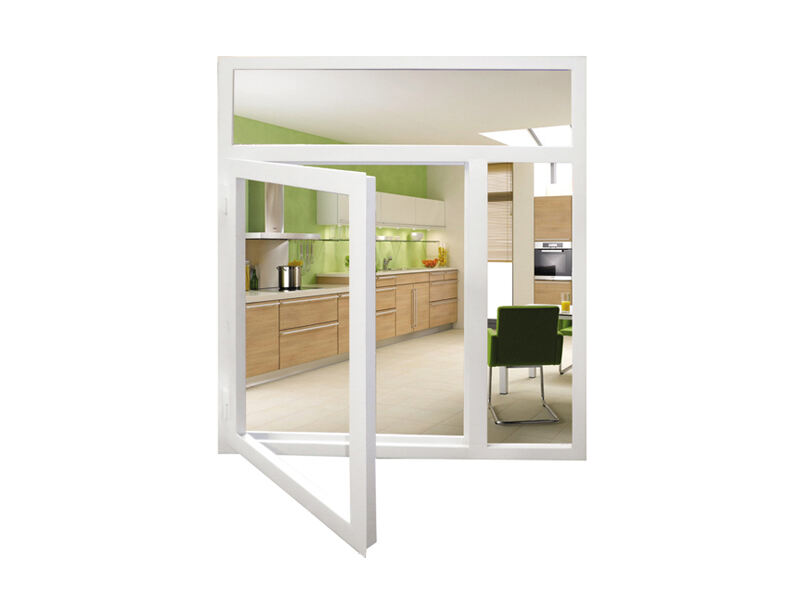
The modern home design landscape has witnessed a remarkable shift towards sophisticated materials that combine durability, aesthetics, and functionality. Among these materials, aluminium doors have emerged as a leading choice for both interior and exterior applications. Their versatility, coupled with advanced manufacturing techniques, has positioned aluminium doors at the forefront of contemporary architecture and home improvement trends. Homeowners and designers alike are increasingly recognizing the exceptional benefits that these doors bring to residential properties, from enhanced security features to energy efficiency improvements.
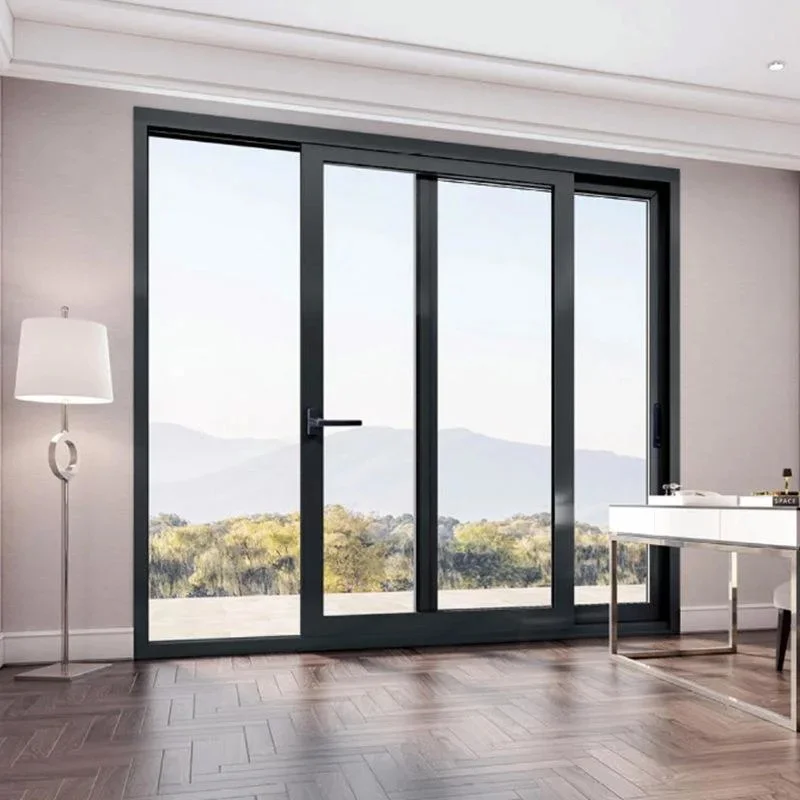
The evolution of aluminium door technology has transformed what was once considered purely functional hardware into stunning architectural elements. Today's aluminium doors showcase innovative designs, superior engineering, and customizable features that cater to diverse aesthetic preferences and practical requirements. This comprehensive exploration examines the most significant trends shaping the aluminium door industry and how these developments are revolutionizing residential spaces across the globe.
Contemporary Design Evolution in Aluminium Door Manufacturing
Minimalist Aesthetic Integration
The contemporary design movement has significantly influenced aluminium door aesthetics, with manufacturers embracing clean lines and simplified forms. Modern aluminium doors feature sleek profiles that eliminate unnecessary decorative elements while maintaining structural integrity. This minimalist approach allows the natural beauty of aluminum's metallic finish to serve as the primary design feature, creating doors that complement rather than compete with surrounding architectural elements.
Designers are incorporating ultra-slim frames that maximize glass area while maintaining the strength characteristics that make aluminium doors so desirable. These refined profiles create an almost seamless transition between interior and exterior spaces, supporting the growing trend toward indoor-outdoor living. The reduction in frame thickness has been achieved through advanced engineering techniques that optimize aluminum's natural strength-to-weight ratio.
Surface treatments have evolved to include sophisticated textures that mimic natural materials while retaining aluminum's inherent advantages. Brushed finishes, anodized coatings, and powder coating technologies now offer unprecedented customization options. These treatments not only enhance visual appeal but also provide additional protection against environmental factors, ensuring long-term performance in various climatic conditions.
Smart Technology Integration
The integration of smart technology represents one of the most significant advances in aluminium door development. Modern systems incorporate electronic locking mechanisms, biometric access controls, and smartphone connectivity features that enhance both security and convenience. These technological additions are seamlessly integrated into door designs without compromising the aesthetic appeal that makes aluminium doors so attractive to contemporary homeowners.
Automated opening and closing systems have become increasingly sophisticated, featuring sensors that detect approaching users and adjust operation accordingly. These systems can be programmed to recognize authorized individuals, maintain security protocols, and provide detailed access logs for enhanced property management. The reliability of aluminum as a base material ensures that these electronic components remain properly aligned and functional over extended periods.
Energy monitoring capabilities are being incorporated into smart aluminium door systems, allowing homeowners to track thermal efficiency and optimize climate control settings. These features contribute to overall home automation ecosystems, providing valuable data that supports energy conservation efforts and reduces utility costs.
Enhanced Security Features and Performance Standards
Advanced Locking Mechanisms
Security considerations have driven significant innovations in aluminium door hardware and construction techniques. Multi-point locking systems now standard in high-quality aluminium doors provide superior protection compared to traditional single-point locks. These systems engage multiple locking points simultaneously, distributing force across the entire door frame and making unauthorized entry significantly more difficult.
Reinforcement techniques have evolved to include internal steel cores and specialized aluminum alloys that enhance structural integrity without adding excessive weight. These improvements ensure that aluminium doors can withstand attempted forced entry while maintaining their aesthetic appeal and smooth operation. The incorporation of anti-drill and anti-pick hardware further enhances security capabilities.
Impact resistance testing has become more rigorous, with manufacturers developing aluminium doors that meet or exceed international security standards. These tests evaluate performance under various attack scenarios, ensuring that doors provide reliable protection while maintaining their visual appeal and functional characteristics.
Weather Resistance and Durability
Climate resistance has become a critical factor in aluminium door development, particularly as extreme weather events become more frequent. Advanced weatherstripping systems now provide superior sealing against wind, rain, and temperature fluctuations. These systems incorporate multiple barrier layers and drainage channels that prevent water infiltration while allowing thermal expansion and contraction.
Thermal break technology has revolutionized the energy efficiency of aluminium doors by interrupting thermal bridging that can cause condensation and energy loss. Modern thermal breaks utilize high-performance materials that maintain structural integrity while providing excellent insulation properties. This technology allows aluminium doors to compete effectively with other materials in terms of energy performance.
Corrosion resistance treatments have evolved to provide long-term protection in challenging environments. Marine-grade finishes and specialized coatings ensure that aluminium doors maintain their appearance and functionality even in coastal areas or industrial settings where traditional materials might deteriorate rapidly.
Sustainable Manufacturing and Environmental Considerations
Recycling and Material Sustainability
Environmental consciousness has become a driving force in aluminium door manufacturing, with companies implementing comprehensive recycling programs and sustainable production practices. Aluminum's inherent recyclability makes it an environmentally responsible choice, as recycled aluminum requires only a fraction of the energy needed to produce new material from ore. This sustainability advantage has contributed significantly to the growing popularity of aluminium doors among environmentally conscious consumers.
Manufacturing processes have been refined to minimize waste and reduce energy consumption during production. Advanced fabrication techniques allow for precise material utilization, reducing scrap and optimizing resource efficiency. These improvements not only benefit the environment but also contribute to cost savings that can be passed on to consumers.
Life cycle assessments now demonstrate that aluminium doors provide exceptional value over their entire service life. The durability and low maintenance requirements of these doors reduce replacement frequency and ongoing maintenance costs, making them an economically and environmentally sound long-term investment.
Energy Efficiency Innovations
Energy efficiency improvements in aluminium doors have focused on both thermal performance and air infiltration control. Advanced glazing systems now incorporate low-emissivity coatings and gas fills that significantly enhance insulation properties. These improvements allow aluminium doors to meet stringent energy codes while maintaining the slim profiles that make them aesthetically desirable.
Computational fluid dynamics modeling has enabled engineers to optimize door designs for superior air sealing performance. These analytical tools allow manufacturers to identify and eliminate potential air leakage paths before production, ensuring that finished doors provide exceptional energy efficiency in real-world applications.
Smart glass technologies are being integrated into high-end aluminium doors, providing dynamic thermal control capabilities. These systems can automatically adjust transparency and thermal properties based on environmental conditions, optimizing comfort while minimizing energy consumption.
Customization Options and Aesthetic Versatility
Color and Finish Variations
The range of available colors and finishes for aluminium doors has expanded dramatically, offering homeowners unprecedented customization opportunities. Powder coating technologies now provide access to virtually any color specification, including custom matches to specific architectural elements or corporate branding requirements. These finishes offer superior durability compared to traditional paint systems while maintaining color consistency over extended periods.
Wood grain finishes have become particularly popular, allowing aluminium doors to mimic the appearance of natural wood while retaining aluminum's performance advantages. These finishes utilize advanced printing and texturing techniques that create remarkably realistic wood appearances, complete with grain patterns and color variations that closely match natural species.
Metallic finishes have evolved to include bronze, copper, and specialty alloy appearances that complement contemporary architectural trends. These finishes often incorporate subtle texture variations that enhance visual interest while maintaining the clean lines that characterize modern aluminium door designs.
Glass Integration and Design Flexibility
Glass integration capabilities have become increasingly sophisticated, allowing for large glazed areas that maximize natural light while maintaining structural integrity. Structural glazing techniques enable the creation of continuous glass surfaces that appear to float within aluminum frames, creating dramatic visual effects that enhance both interior and exterior aesthetics.
Decorative glass options now include frosted, etched, and colored varieties that provide privacy while maintaining light transmission. These options can be customized to include corporate logos, artistic patterns, or geometric designs that reflect personal taste or architectural themes. The compatibility of these glass types with aluminum framing systems ensures long-term reliability and ease of replacement when necessary.
Multi-panel configurations allow for complex door arrangements that can accommodate wide openings while maintaining security and weather resistance. These systems can incorporate fixed panels, operating panels, and transom sections in virtually any configuration, providing maximum design flexibility for unique architectural requirements.
Installation and Maintenance Advantages
Professional Installation Considerations
The installation process for modern aluminium doors has been simplified through improved manufacturing tolerances and standardized connection systems. Pre-hung assemblies arrive at job sites with hardware pre-installed and adjustments pre-set, reducing installation time and minimizing the potential for field errors. This standardization ensures consistent performance regardless of installation location or local construction practices.
Adjustment capabilities built into modern aluminium doors allow for fine-tuning after installation to accommodate building settlement or minor construction irregularities. These adjustment features ensure proper operation and weather sealing throughout the door's service life, maintaining performance standards even as building conditions change over time.
Integration with modern building envelope systems has been enhanced through improved flashing details and sealant systems. These improvements ensure that aluminium doors integrate seamlessly with surrounding wall systems, providing continuous weather protection and thermal performance.
Long-term Maintenance Requirements
Maintenance requirements for contemporary aluminium doors have been minimized through improved materials and construction techniques. Routine maintenance typically involves only periodic cleaning and lubrication of moving parts, making these doors an attractive option for property owners seeking low-maintenance solutions. The inherent corrosion resistance of aluminum eliminates the need for regular painting or refinishing that other door materials require.
Hardware systems have been designed for extended service life with minimal intervention. High-quality bearings, stainless steel components, and advanced lubricants ensure smooth operation for many years. When maintenance is required, standardized components and readily available parts make service straightforward and cost-effective.
Weatherstripping replacement procedures have been simplified to allow for easy field service without specialized tools or extensive disassembly. This design consideration ensures that weather sealing performance can be maintained throughout the door's service life without significant expense or inconvenience.
FAQ
What are the main advantages of choosing aluminium doors over other materials
Aluminium doors offer superior durability, weather resistance, and low maintenance requirements compared to wood or steel alternatives. They resist corrosion, warping, and pest damage while providing excellent security features. The material's strength-to-weight ratio allows for large door sizes without compromising structural integrity. Additionally, aluminium doors offer extensive customization options and can incorporate modern smart technology features seamlessly.
How do modern aluminium doors perform in terms of energy efficiency
Contemporary aluminium doors incorporate thermal break technology and advanced weatherstripping systems that provide excellent energy efficiency. Multi-chambered frame designs and high-performance glazing options ensure these doors meet or exceed current energy codes. Smart glass integration and optimized air sealing further enhance thermal performance, making aluminium doors competitive with the most efficient door materials available today.
What customization options are available for residential aluminium doors
Modern aluminium doors offer extensive customization including unlimited color options through powder coating, wood grain finishes, and metallic appearances. Glass integration options range from clear to decorative varieties, with structural glazing capabilities for dramatic visual effects. Hardware options include smart locks, automated operation systems, and security enhancements. Size and configuration flexibility allows for custom solutions to meet specific architectural requirements.
How long do aluminium doors typically last and what warranty coverage is available
Quality aluminium doors typically provide 20-30 years of reliable service with minimal maintenance. Most manufacturers offer comprehensive warranties covering materials and workmanship for 10-20 years, with some components warranted for the door's entire expected service life. The inherent durability of aluminum, combined with advanced manufacturing techniques, ensures long-term performance that often exceeds warranty periods. Regular maintenance can extend service life significantly beyond typical expectations.
Table of Contents
- Contemporary Design Evolution in Aluminium Door Manufacturing
- Enhanced Security Features and Performance Standards
- Sustainable Manufacturing and Environmental Considerations
- Customization Options and Aesthetic Versatility
- Installation and Maintenance Advantages
-
FAQ
- What are the main advantages of choosing aluminium doors over other materials
- How do modern aluminium doors perform in terms of energy efficiency
- What customization options are available for residential aluminium doors
- How long do aluminium doors typically last and what warranty coverage is available