 EN
EN

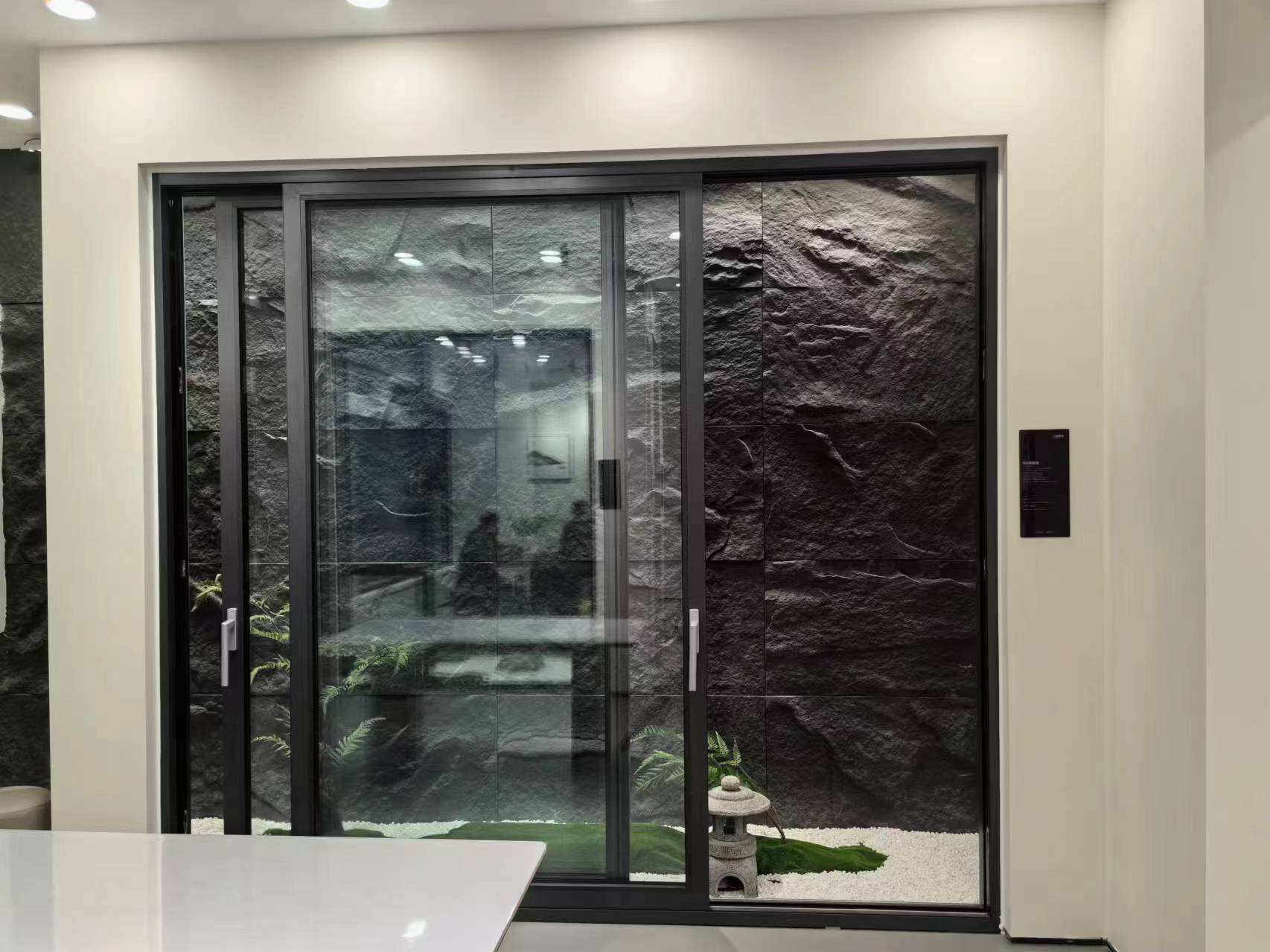
Modern construction projects increasingly rely on advanced window systems that deliver exceptional structural performance, energy efficiency, and long-term durability. Fixed aluminum windows have emerged as a premier choice for architects, builders, and property owners seeking reliable fenestration solutions that combine aesthetic appeal with robust engineering principles. These non-operable window systems offer unique advantages in terms of structural integrity, weather resistance, and maintenance requirements compared to traditional movable window designs.
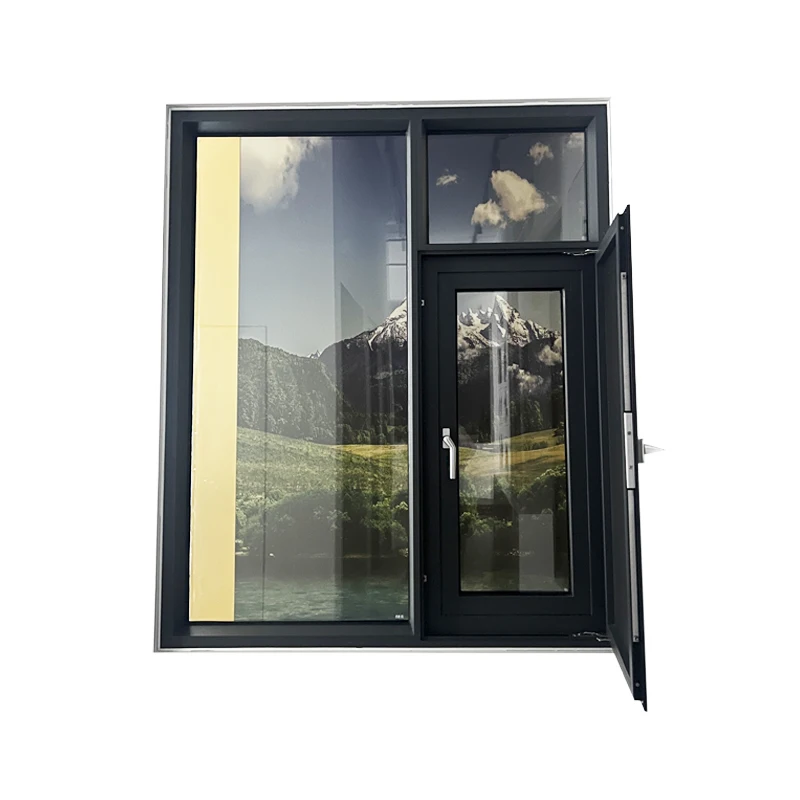
The structural benefits of fixed aluminum windows extend far beyond their basic function of providing natural light and visual connection to outdoor spaces. These specialized window systems are engineered to withstand significant environmental stresses while maintaining dimensional stability and performance characteristics over extended service periods. Understanding the comprehensive advantages of fixed aluminum windows enables construction professionals to make informed decisions about fenestration specifications that optimize both immediate project requirements and long-term building performance.
Enhanced Load-Bearing Capabilities
Superior Wind Load Resistance
Fixed aluminum windows demonstrate exceptional resistance to wind loads due to their non-operable design characteristics. Unlike operable windows that must accommodate movement mechanisms and weatherstripping systems, fixed aluminum windows feature continuous structural connections between the frame and glazing components. This unified construction approach creates a monolithic assembly that distributes wind pressure forces more effectively across the entire window unit, reducing stress concentrations and potential failure points.
The aluminum frame profiles used in fixed window systems are specifically engineered with enhanced wall thicknesses and optimized cross-sectional geometries to handle elevated wind loads. These design improvements enable fixed aluminum windows to meet or exceed stringent performance standards for high-rise applications, coastal installations, and other challenging environmental conditions where wind resistance is paramount.
Improved Structural Integration
The rigid construction of fixed aluminum windows allows for superior integration with building structural systems. The continuous frame design eliminates the mechanical joints and pivot points required for operable windows, creating a more robust connection between the window assembly and surrounding wall construction. This enhanced integration contributes to overall building stability and helps maintain structural alignment under various loading conditions.
Professional installation of fixed aluminum windows often involves direct mechanical fastening to structural elements, creating positive load transfer paths that enhance the overall performance of both the window system and adjacent building components. This structural continuity is particularly beneficial in seismic zones where building movement must be accommodated without compromising fenestration performance.
Thermal Performance and Energy Efficiency
Minimized Thermal Bridging
Fixed aluminum windows offer significant advantages in thermal performance due to their simplified construction that eliminates the thermal bridges typically associated with operating hardware and weatherstripping systems. The continuous insulation pathways possible in fixed window designs help maintain consistent thermal barriers across the entire fenestration assembly, reducing heat transfer and improving overall building energy efficiency.
Advanced thermal break technologies incorporated into modern fixed aluminum windows create effective separation between interior and exterior aluminum components, preventing conductive heat loss while maintaining structural integrity. These thermal breaks, combined with high-performance glazing systems, enable fixed aluminum windows to achieve impressive thermal performance ratings that contribute to LEED certification and energy code compliance.
Air Infiltration Control
The sealed construction of fixed aluminum windows provides superior air infiltration control compared to operable window systems. Without the need for movable sashes and associated weatherstripping, fixed windows can achieve much tighter air seals that prevent unwanted air exchange and maintain interior environmental conditions. This enhanced air tightness directly translates to improved HVAC system efficiency and reduced energy consumption throughout the building lifecycle.
Professional glazing techniques used in fixed aluminum window installation create continuous weather seals that resist degradation over time. The absence of mechanical wear associated with window operation ensures that these seals maintain their effectiveness for extended periods, providing consistent energy performance throughout the service life of the fenestration system.
Durability and Maintenance Advantages
Reduced Mechanical Complexity
Fixed aluminum windows benefit from significantly reduced mechanical complexity compared to operable window systems. The elimination of hinges, operators, locks, and weatherstripping components removes multiple potential failure points that require ongoing maintenance and eventual replacement. This simplified construction approach results in fenestration systems that maintain their performance characteristics with minimal intervention over extended service periods.
The corrosion resistance inherent in modern aluminum alloys used for fixed window construction provides exceptional durability in diverse environmental conditions. Protective finishes applied to aluminum frame components resist UV degradation, chemical exposure, and atmospheric contaminants that can compromise the appearance and performance of other window materials. This durability advantage makes fixed aluminum windows particularly suitable for harsh environments where maintenance access may be limited or costly.
Long-Term Performance Stability
The structural design of fixed aluminum windows promotes long-term performance stability through consistent load distribution and minimal component degradation. Unlike operable windows that experience mechanical wear from repeated use, fixed windows maintain their original installation tolerances and performance characteristics throughout their service life. This stability is particularly important for large glazed assemblies where dimensional changes could affect adjacent building systems.
Quality fixed aluminum windows are designed to accommodate building movement and thermal expansion through engineered flexibility zones that prevent stress concentration and potential failure. These design features ensure that the windows continue to perform effectively even as buildings settle and environmental conditions vary over seasonal and annual cycles.
Design Flexibility and Aesthetic Options
Architectural Design Freedom
Fixed aluminum windows provide architects with exceptional design freedom due to their ability to accommodate large glazed areas without the size limitations imposed by operable window mechanisms. The structural capabilities of fixed aluminum systems enable the creation of dramatic floor-to-ceiling windows, continuous ribbon windows, and other architecturally significant fenestration elements that enhance building aesthetics while maintaining structural performance.
The narrow sight lines achievable with fixed aluminum windows maximize glazed area while minimizing frame visibility, creating clean architectural expressions that complement contemporary building designs. Advanced frame profiles can be customized to achieve specific aesthetic objectives while maintaining the structural and thermal performance requirements of the project.
Glazing System Integration
Fixed aluminum windows readily accommodate advanced glazing systems including triple glazing, integrated photovoltaic cells, and specialized performance coatings that may be impractical or impossible to incorporate in operable window designs. The robust structural support provided by fixed aluminum frames enables the use of heavier glazing assemblies that deliver enhanced performance characteristics without compromising safety or durability.
The precise manufacturing tolerances achievable in fixed aluminum window production ensure optimal glazing system performance through consistent edge conditions and uniform pressure distribution. This manufacturing precision is particularly important for high-performance glazing systems where even minor installation variations can significantly impact thermal or optical performance.
Cost-Effectiveness and Value Engineering
Reduced Installation Complexity
The installation of fixed aluminum windows typically involves less complex procedures compared to operable window systems, resulting in reduced labor costs and shorter installation timeframes. The absence of operating mechanisms and adjustment requirements simplifies the installation process while reducing the potential for installation errors that could compromise long-term performance.
Fixed aluminum windows often require less precise opening dimensions compared to operable systems, providing greater construction tolerance and reducing the likelihood of costly field modifications during installation. This tolerance advantage can translate to significant cost savings in construction projects where dimensional variations are common or unavoidable.
Life-Cycle Cost Benefits
The reduced maintenance requirements of fixed aluminum windows provide substantial life-cycle cost advantages through lower ongoing service expenses and extended replacement intervals. Building owners benefit from reduced maintenance scheduling, lower repair costs, and improved long-term performance predictability compared to more complex operable window systems.
Energy efficiency improvements associated with fixed aluminum windows contribute to ongoing operational cost reductions through decreased HVAC energy consumption and improved interior environmental control. These energy savings accumulate over the building lifecycle, often exceeding the initial cost premium associated with high-performance fixed window systems.
FAQ
What structural advantages do fixed aluminum windows offer over operable windows
Fixed aluminum windows provide superior structural advantages including enhanced wind load resistance, improved structural integration with building systems, and elimination of mechanical failure points associated with operating hardware. The continuous frame construction creates a more robust assembly that distributes environmental loads more effectively while maintaining dimensional stability over extended service periods.
How do fixed aluminum windows improve building energy efficiency
Fixed aluminum windows improve building energy efficiency through minimized thermal bridging, superior air infiltration control, and accommodation of advanced glazing systems. The sealed construction eliminates air leakage paths while thermal break technologies reduce conductive heat transfer, resulting in improved HVAC efficiency and reduced energy consumption throughout the building lifecycle.
What maintenance advantages do fixed aluminum windows provide
Fixed aluminum windows offer significant maintenance advantages through reduced mechanical complexity, elimination of wear-prone operating components, and superior durability of aluminum construction materials. The simplified design requires minimal ongoing maintenance while protective finishes resist environmental degradation, resulting in lower life-cycle maintenance costs and extended service intervals.
Are fixed aluminum windows suitable for all building types and applications
Fixed aluminum windows are suitable for a wide range of building types and applications, particularly where structural performance, energy efficiency, and low maintenance requirements are priorities. They are especially beneficial for high-rise buildings, institutional facilities, and commercial structures where natural ventilation is provided through mechanical systems rather than operable windows, allowing the fenestration to focus purely on daylighting and structural performance.