 EN
EN

Modern architecture increasingly embraces minimalist design principles that prioritize unobstructed views and clean aesthetic lines. Fixed aluminum windows have emerged as the perfect solution for architects and homeowners seeking to maximize natural light while maintaining structural integrity and energy efficiency. These stationary window systems offer an elegant approach to fenestration that combines the durability of aluminum framing with expansive glass surfaces that create seamless connections between interior and exterior spaces.
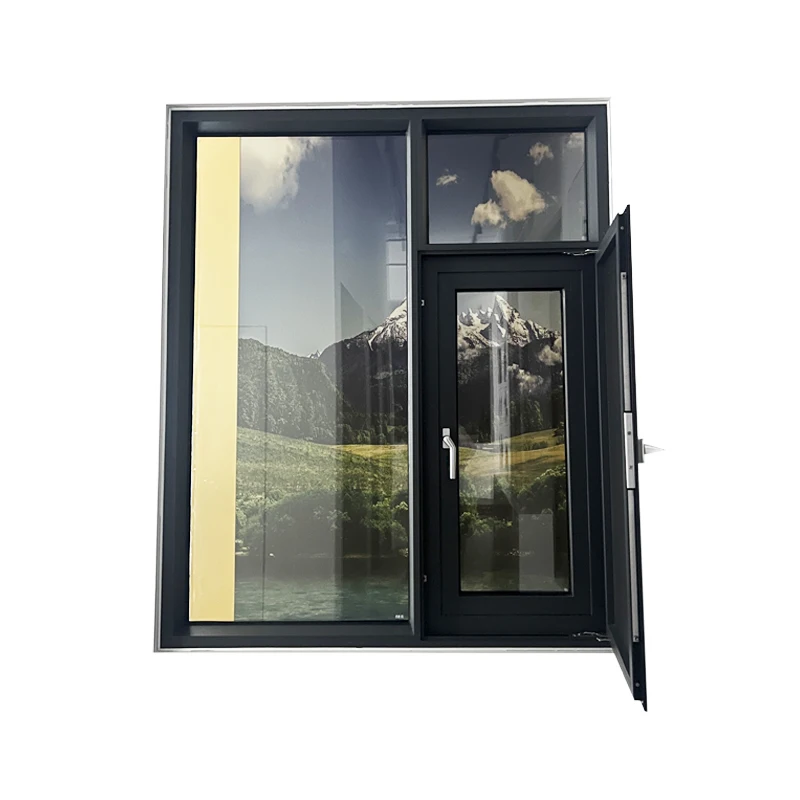
The growing popularity of fixed aluminum windows reflects a broader shift toward contemporary design aesthetics that value simplicity over complexity. Unlike operable windows that require hardware mechanisms for opening and closing, fixed windows focus entirely on their primary function of providing views and natural illumination. This streamlined approach eliminates potential points of failure while reducing manufacturing costs and maintenance requirements over the window's operational lifetime.
Commercial and residential applications increasingly specify fixed aluminum windows in situations where ventilation requirements can be met through other means, such as HVAC systems or strategically placed operable windows in adjacent areas. This design strategy allows architects to incorporate larger glass surfaces without compromising the building envelope's thermal performance or structural integrity.
Structural Advantages of Fixed Aluminum Window Systems
Enhanced Load-Bearing Capacity
Fixed aluminum windows demonstrate superior structural performance compared to their operable counterparts due to their simplified construction methodology. Without the need to accommodate moving parts, manufacturers can optimize the aluminum frame cross-sections specifically for load-bearing requirements. The absence of hinges, operators, and locking mechanisms allows for more robust frame designs that can support larger glass panels and withstand higher wind loads.
This structural advantage becomes particularly significant in high-rise applications where wind pressures and building movement place demanding requirements on fenestration systems. Fixed aluminum windows can accommodate thermal expansion and contraction more effectively than complex operable systems, reducing the risk of seal failure and maintaining long-term performance standards.
Simplified Weather Sealing
The stationary nature of fixed aluminum windows enables more effective weatherproofing strategies that eliminate common failure points associated with movable window components. Manufacturers can implement continuous seal systems around the entire perimeter without interruptions for hardware or operating mechanisms. This comprehensive sealing approach significantly reduces air infiltration rates and enhances the window's contribution to overall building energy efficiency.
Advanced glazing compounds and structural sealants can be applied more uniformly across fixed window assemblies, creating redundant barriers against moisture infiltration. The elimination of weep holes and drainage channels required in operable windows further simplifies the weatherproofing system while reducing potential maintenance issues over time.
Energy Performance and Thermal Efficiency
Optimized Thermal Bridge Management
Contemporary fixed aluminum windows incorporate sophisticated thermal break technologies that minimize heat transfer through the metal frame components. These systems typically employ polyamide strips or foam-filled chambers to interrupt the thermal pathway between interior and exterior aluminum sections. The simplified geometry of fixed window frames allows for more effective thermal break implementation compared to complex operable window profiles.
Manufacturers can focus their engineering efforts on optimizing the thermal performance characteristics without compromising functionality for hardware integration. This concentrated approach often results in superior U-factor ratings and improved condensation resistance compared to similar operable window products in the same product line.
Advanced Glazing Integration
The structural stability inherent in fixed aluminum windows enables the use of high-performance glazing systems that might be impractical in operable configurations. Triple-glazed units, specialty low-emissivity coatings, and gas-filled cavities can be incorporated more easily when the frame system doesn't need to accommodate the additional weight and operational stresses of movable sashes.
Structural glazing techniques become more feasible with fixed window systems, allowing for continuous glass surfaces with minimal frame visibility from the exterior. This approach maximizes the effective glazing area while maintaining excellent thermal performance characteristics through reduced frame-to-glass ratios.
Design Flexibility and Aesthetic Integration
Customizable Proportions and Configurations
Fixed aluminum windows offer exceptional design flexibility because they are not constrained by the operational requirements that limit operable window proportions. Architects can specify extremely wide or tall configurations that would be impractical with traditional casement or double-hung window systems. This freedom enables the creation of dramatic wall compositions that emphasize horizontal or vertical design elements according to architectural intent.
The ability to create custom aspect ratios makes fixed aluminum windows particularly valuable in contemporary residential and commercial projects where standard window proportions might conflict with design objectives. Manufacturers can economically produce one-off sizes and shapes that would be prohibitively expensive in operable window configurations due to hardware complications.
Seamless Integration with Building Systems
Modern construction increasingly relies on integrated building envelope systems where fixed aluminum windows serve as key components in comprehensive weatherproofing strategies. The simplified profiles of fixed windows facilitate better coordination with wall cladding systems, insulation layers, and vapor barrier installations compared to the complex geometries required for operable window integration.
Installation procedures for fixed aluminum windows can be streamlined to work more effectively with modern construction sequencing. The absence of adjustment requirements for hardware alignment allows for faster installation processes and reduced coordination complexity between trades during construction phases.
Manufacturing Excellence and Quality Control
Streamlined Production Processes
The manufacturing process for fixed aluminum windows benefits from reduced complexity compared to operable window systems, allowing producers to focus on optimizing frame extrusion profiles, glazing integration, and finish quality. Without the need to accommodate hardware installation and adjustment procedures, manufacturing tolerances can be tightened to improve overall product consistency and performance reliability.
Quality control procedures become more straightforward when dealing with fixed aluminum windows because there are fewer variables to monitor and adjust during production. This simplified approach often translates to improved product quality and reduced warranty claims over the window's service life.
Advanced Surface Treatment Options
Fixed aluminum windows can accommodate a wider range of surface treatment options because the frame profiles don't need to maintain precise tolerances for hardware operation. Powder coating, anodizing, and specialized finish systems can be applied more uniformly across fixed window assemblies without concern for interference with operational components.
The durability advantages of aluminum as a framing material become more pronounced in fixed window applications where the finish system doesn't experience the wear patterns associated with repeated operation cycles. This characteristic makes fixed aluminum windows particularly suitable for applications where long-term appearance retention is critical to building aesthetics.
Installation Considerations and Best Practices
Structural Integration Requirements
Proper installation of fixed aluminum windows requires careful attention to structural load transfer and building envelope integration. Unlike operable windows that may rely partially on hardware for structural support, fixed windows must transfer all loads directly through the frame-to-structure connection points. This requirement demands precise coordination between window manufacturers and structural engineers during the design development phase.
Installation teams must ensure that fixed aluminum windows are properly anchored to building structure using appropriate fastening systems that accommodate thermal movement without compromising weatherproofing integrity. The installation methodology should account for differential movement between the aluminum frame and surrounding building materials over seasonal temperature variations.
Weatherproofing and Seal Integrity
The installation process for fixed aluminum windows requires particular attention to perimeter sealing because there are no operable components to provide secondary weatherproofing redundancy. Primary and secondary seal systems must be installed according to manufacturer specifications to ensure long-term performance under varying weather conditions and building movement cycles.
Installation crews should verify that all seal interfaces are properly compressed and that thermal expansion joints are correctly positioned to accommodate frame movement without compromising weatherproofing effectiveness. The simplified geometry of fixed aluminum windows typically makes these installation requirements easier to achieve compared to complex operable window systems.
Maintenance and Long-Term Performance
Reduced Maintenance Requirements
One of the primary advantages of fixed aluminum windows lies in their minimal maintenance requirements compared to operable window systems. Without moving parts, hardware lubrication, or adjustment mechanisms, fixed windows require only periodic cleaning and occasional inspection of weatherproofing components to maintain optimal performance levels throughout their service life.
The absence of operational wear points means that fixed aluminum windows typically maintain their original performance characteristics for decades without significant degradation. This reliability makes them particularly valuable in applications where access for maintenance is difficult or expensive, such as high-rise installations or architectural features in challenging locations.
Performance Monitoring and Assessment
Long-term performance monitoring of fixed aluminum windows focuses primarily on weatherproofing integrity and thermal performance rather than operational functionality. Building owners can implement straightforward inspection protocols that check for seal degradation, frame corrosion, and glazing unit integrity without the complexity of evaluating hardware operation and adjustment requirements.
The predictable performance characteristics of fixed aluminum windows make them easier to incorporate into building lifecycle planning and maintenance budgeting processes. Replacement schedules can be based primarily on weatherproofing component lifecycles rather than the more variable factors that affect operable window longevity.
Applications and Project Suitability
Commercial and Institutional Buildings
Fixed aluminum windows find extensive application in commercial and institutional buildings where natural light and views are prioritized over natural ventilation requirements. Office buildings, educational facilities, and healthcare institutions often specify fixed aluminum windows in conjunction with mechanical ventilation systems that provide superior air quality control compared to natural ventilation through operable windows.
The enhanced security characteristics of fixed aluminum windows make them particularly suitable for institutional applications where unauthorized access through fenestration openings must be prevented. The inability to open these windows eliminates potential security vulnerabilities while still providing necessary natural light and visual connections to exterior spaces.
Residential Design Integration
Contemporary residential architecture increasingly incorporates fixed aluminum windows as key design elements that emphasize connections between indoor and outdoor living spaces. These applications often feature large fixed aluminum windows that serve as focal points in living areas while other rooms utilize operable windows for ventilation requirements.
The cost effectiveness of fixed aluminum windows compared to complex operable systems allows residential designers to specify larger glazed areas within project budgets. This economic advantage enables the creation of more dramatic architectural statements that might be financially impractical with premium operable window products.
FAQ
What are the primary advantages of choosing fixed aluminum windows over operable alternatives
Fixed aluminum windows offer several key advantages including superior structural performance, enhanced weatherproofing capabilities, reduced maintenance requirements, and greater design flexibility. The absence of operating hardware allows for larger glass sizes, better thermal performance, and more cost-effective manufacturing. These windows are ideal when ventilation can be provided through mechanical systems or other operable windows in adjacent areas.
How do fixed aluminum windows compare in terms of energy efficiency
Fixed aluminum windows typically achieve better energy efficiency ratings than comparable operable windows because they eliminate air leakage paths associated with moving components. The simplified frame construction allows for more effective thermal break implementation and better integration with high-performance glazing systems. This combination often results in superior U-factor ratings and reduced infiltration rates.
What maintenance is required for fixed aluminum windows over their lifespan
Maintenance requirements for fixed aluminum windows are minimal compared to operable systems. Routine care involves periodic cleaning of glass and frame surfaces, inspection of weatherproofing seals, and occasional assessment of frame condition. Without moving parts or hardware, there are no lubrication requirements or operational adjustments needed, significantly reducing long-term maintenance costs and complexity.
Are there any limitations or disadvantages to consider with fixed aluminum windows
The primary limitation of fixed aluminum windows is the inability to provide natural ventilation, which may require alternative ventilation strategies through mechanical systems or operable windows in other locations. Additionally, cleaning exterior glass surfaces may require external access methods. However, these limitations are often outweighed by the performance, aesthetic, and economic benefits in appropriate applications where natural ventilation is not essential.
Table of Contents
- Structural Advantages of Fixed Aluminum Window Systems
- Energy Performance and Thermal Efficiency
- Design Flexibility and Aesthetic Integration
- Manufacturing Excellence and Quality Control
- Installation Considerations and Best Practices
- Maintenance and Long-Term Performance
- Applications and Project Suitability
-
FAQ
- What are the primary advantages of choosing fixed aluminum windows over operable alternatives
- How do fixed aluminum windows compare in terms of energy efficiency
- What maintenance is required for fixed aluminum windows over their lifespan
- Are there any limitations or disadvantages to consider with fixed aluminum windows