 EN
EN

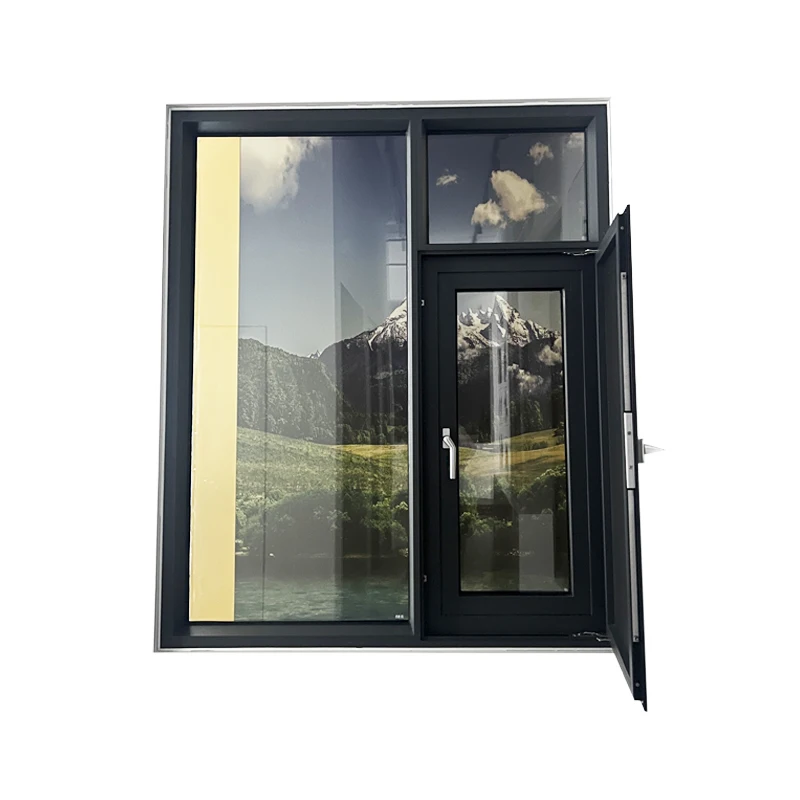
Transform your living space with stunning big aluminium window designs that maximize natural light and create breathtaking connections between indoor and outdoor environments. Modern architecture increasingly embraces expansive glazing solutions that not only illuminate interiors but also serve as striking design elements. A well-designed big aluminium window can revolutionize any room, making small spaces appear larger while providing unobstructed views of your surroundings. The sleek profiles and exceptional durability of aluminum frames make them the preferred choice for contemporary homes seeking both aesthetic appeal and long-term performance.
Modern Design Concepts for Large Aluminum Windows
Floor-to-Ceiling Window Walls
Floor-to-ceiling installations represent the ultimate expression of big aluminium window design, creating seamless glass walls that blur the boundaries between interior and exterior spaces. These expansive installations typically span entire walls, offering panoramic views while flooding rooms with natural light throughout the day. The structural integrity of aluminum frames allows for minimal sightlines, maximizing the glass area while maintaining security and weather resistance. Professional installation ensures proper thermal performance and structural stability for these impressive architectural features.
Consider incorporating motorized blinds or smart glass technology with floor-to-ceiling designs to control light levels and privacy as needed. The thermal efficiency of modern aluminum frames, combined with high-performance glazing, makes these large installations energy-efficient despite their size. Strategic placement of floor-to-ceiling windows can create dramatic focal points in living rooms, bedrooms, or office spaces while maintaining comfortable interior temperatures year-round.
Corner Window Configurations
Corner big aluminium window arrangements create stunning architectural statements while maximizing natural light from multiple directions. These configurations eliminate traditional corner posts, replacing them with continuous glazing that wraps around building corners seamlessly. The structural capabilities of aluminum frames enable these open corner designs without compromising building integrity or weather performance. Modern manufacturing techniques allow for precise corner connections that maintain airtight seals and thermal efficiency.
Corner window installations work particularly well in kitchens, dining areas, and master bedrooms where expanded views enhance the living experience. The increased natural light from corner configurations can reduce reliance on artificial lighting during daylight hours, contributing to energy savings. Professional design consultation ensures proper structural support and optimal positioning for corner big aluminium window installations to maximize both aesthetic impact and functional benefits.
Light Maximization Strategies
Strategic Placement Techniques
Optimal placement of big aluminium window installations requires careful consideration of solar orientation, interior layout, and surrounding landscape features. South-facing windows typically provide the most consistent natural light throughout the day, while east and west orientations offer dynamic lighting conditions that change dramatically from morning to evening. Professional assessment of your specific site conditions helps determine the ideal positioning for maximum light penetration and energy efficiency.
Consider the relationship between window placement and interior furniture arrangements to ensure natural light reaches key living areas effectively. Large aluminum windows positioned to capture reflected light from water features, light-colored surfaces, or snow can amplify illumination levels significantly. The slim profiles of aluminum frames minimize obstruction of natural light, allowing more glazed area compared to bulkier frame materials.
Glazing Options for Enhanced Brightness
High-performance glazing options can significantly enhance the light transmission capabilities of big aluminium window installations while maintaining energy efficiency and comfort. Low-iron glass reduces the greenish tint common in standard glazing, allowing more pure natural light to enter interior spaces. Specialized coatings can optimize light transmission while reducing heat gain and UV exposure, protecting interior furnishings while maximizing brightness.
Triple-glazed configurations offer superior insulation performance for large window installations without significantly reducing light transmission when properly specified. Smart glass technologies enable dynamic control over light transmission and privacy levels, adapting to changing conditions throughout the day. Professional glazing selection ensures optimal balance between light transmission, energy performance, and long-term durability for your specific application and climate conditions.
Installation and Technical Considerations
Structural Requirements
Large big aluminium window installations require careful structural analysis to ensure proper support and load distribution throughout the building framework. Professional engineering assessment determines necessary reinforcement for wall openings and verifies that existing structures can support the weight of large glazed units safely. Modern aluminum window systems incorporate advanced structural glazing techniques that distribute loads effectively while maintaining slim visual profiles.
Proper foundation and lintel design become critical factors when installing oversized windows, particularly in older buildings that may require structural modifications. Seismic considerations and wind load calculations must account for the increased surface area of large window installations to ensure long-term stability and safety. Professional installation teams coordinate with structural engineers to verify all requirements are met before commencing installation work.
Weatherproofing and Sealing
Effective weatherproofing becomes increasingly important as window sizes increase, requiring advanced sealing systems and installation techniques to prevent water infiltration and air leakage. Multi-stage weather sealing systems create redundant barriers against moisture intrusion while allowing for natural expansion and contraction of large aluminum frames. Professional installation includes comprehensive waterproofing membranes and flashing details that integrate seamlessly with building envelope systems.
Quality control during installation ensures all sealing components are properly aligned and compressed to manufacturer specifications. Regular maintenance schedules help preserve the integrity of weather sealing systems over time, particularly important for large installations exposed to greater weather forces. Professional assessment of existing building conditions helps identify any modifications needed to accommodate advanced weatherproofing requirements for big aluminium window installations.
Energy Efficiency and Performance
Thermal Performance Optimization
Modern big aluminium window systems incorporate advanced thermal break technologies that significantly improve energy efficiency compared to traditional aluminum frames. Multi-chamber thermal breaks create effective barriers against heat transfer while maintaining the structural strength and durability aluminum is known for. High-performance glazing packages work synergistically with thermal break technology to achieve exceptional overall window performance ratings.
Proper installation techniques ensure thermal breaks remain intact and effective throughout the window system, preventing thermal bridging that could compromise energy performance. Professional thermal modeling helps predict energy performance and optimize system specifications for specific climate conditions and building orientations. Regular performance monitoring can verify that thermal efficiency remains optimal over time, particularly important for large installations that significantly impact overall building energy consumption.
Solar Heat Gain Management
Large window installations require careful management of solar heat gain to maintain comfortable interior conditions while maximizing natural light benefits. Advanced glazing coatings can selectively filter solar radiation, reducing unwanted heat gain while preserving visible light transmission. Proper orientation and shading strategies complement high-performance glazing to optimize comfort and energy efficiency throughout the year.
Automated shading systems can respond dynamically to changing solar conditions, maximizing natural light when beneficial while preventing overheating during peak solar exposure periods. Integration with building automation systems enables intelligent control of both natural and artificial lighting to optimize energy consumption. Professional energy modeling helps predict and optimize solar heat gain management strategies for specific big aluminium window installations and building conditions.
Maintenance and Longevity
Cleaning and Care Protocols
Large aluminum window installations require systematic cleaning and maintenance protocols to preserve their appearance and performance over time. Professional cleaning services often prove most effective for safely maintaining expansive glazed surfaces, particularly those in difficult-to-reach locations. Regular cleaning schedules help prevent buildup of environmental contaminants that can affect both appearance and performance of big aluminium window systems.
Proper cleaning techniques and approved cleaning solutions protect specialized glazing coatings while effectively removing dirt, water spots, and environmental deposits. Frame maintenance includes regular inspection and cleaning of drainage systems to prevent water accumulation and potential damage. Professional maintenance programs can identify and address minor issues before they develop into costly problems, particularly important for large installations where replacement costs are significant.
Hardware and Operation Maintenance
Operating hardware for large aluminum windows requires regular adjustment and lubrication to ensure smooth operation and prevent premature wear. Professional maintenance includes inspection of locking mechanisms, hinges, and sliding systems to verify proper alignment and function. Quality hardware components designed for large window applications provide reliable long-term operation when properly maintained according to manufacturer specifications.
Preventive maintenance schedules help identify hardware issues before they affect window operation or security performance. Professional technicians can adjust and calibrate hardware components to maintain optimal operation as buildings settle and environmental conditions change over time. Regular maintenance documentation helps track performance trends and schedule replacement of wear components before failure occurs, ensuring continuous reliable operation of big aluminium window installations.
FAQ
What are the main advantages of choosing big aluminium windows over other materials
Big aluminium windows offer superior strength-to-weight ratios, enabling larger glazed openings with slimmer frame profiles compared to vinyl or wood alternatives. Aluminum frames resist warping, rotting, and insect damage while requiring minimal maintenance over their extended lifespan. The material's excellent thermal conductivity can be controlled through thermal break technology, achieving high energy efficiency ratings. Aluminum's recyclability and durability make it an environmentally responsible choice for large window installations.
How do I determine the maximum size possible for a big aluminium window installation
Maximum window sizes depend on several factors including structural support capabilities, local building codes, wind load requirements, and specific aluminum window system specifications. Professional structural analysis evaluates existing building conditions and determines necessary reinforcement for large openings. Manufacturer specifications provide maximum recommended sizes for different window operating types and performance requirements. Local building codes may impose additional restrictions based on seismic conditions, wind zones, and safety requirements.
What maintenance is required to keep large aluminum windows performing optimally
Regular maintenance for big aluminium window installations includes cleaning frames and glazing, inspecting and cleaning drainage systems, lubricating operating hardware, and checking weather sealing integrity. Professional maintenance typically occurs annually or bi-annually depending on environmental exposure conditions. Hardware adjustments may be needed periodically to maintain proper operation as buildings settle over time. Preventive maintenance programs help identify and address minor issues before they develop into costly problems requiring major repairs or replacement.
Can big aluminium windows be customized to match specific architectural requirements
Modern aluminum window systems offer extensive customization options including custom sizes, shapes, colors, and hardware finishes to match specific architectural requirements. Advanced manufacturing capabilities enable complex geometric shapes, curved configurations, and integrated structural glazing systems. Custom thermal break configurations and specialized glazing packages can be specified to meet specific performance requirements. Professional design consultation helps develop custom solutions that meet both aesthetic goals and performance standards for unique architectural applications.
Table of Contents
- Modern Design Concepts for Large Aluminum Windows
- Light Maximization Strategies
- Installation and Technical Considerations
- Energy Efficiency and Performance
- Maintenance and Longevity
-
FAQ
- What are the main advantages of choosing big aluminium windows over other materials
- How do I determine the maximum size possible for a big aluminium window installation
- What maintenance is required to keep large aluminum windows performing optimally
- Can big aluminium windows be customized to match specific architectural requirements