 EN
EN

Installing a big aluminium window represents a significant architectural decision that can transform both the aesthetic appeal and functional performance of any building. Modern construction increasingly favors larger window installations due to their ability to maximize natural light penetration while creating seamless connections between interior and exterior spaces. The selection and installation process for a big aluminium window requires careful consideration of multiple design factors, structural requirements, and performance characteristics that directly impact the long-term success of the project.
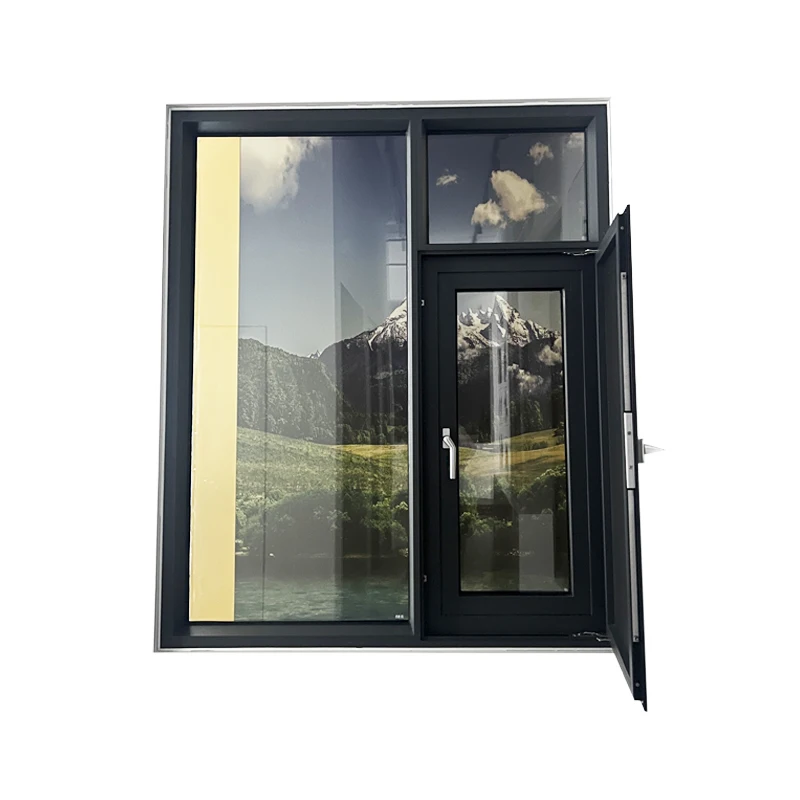
The growing popularity of oversized glazing systems has revolutionized contemporary architecture, with architects and designers pushing the boundaries of traditional window design to create dramatic visual statements. A properly designed big aluminium window installation can serve as the focal point of a room while delivering exceptional energy efficiency and weather resistance. Understanding the complex interplay between structural engineering, thermal performance, and aesthetic considerations becomes crucial when planning these substantial glazing installations.
Structural Engineering Requirements
Load-Bearing Calculations and Support Systems
The installation of a big aluminium window demands comprehensive structural analysis to ensure adequate support for the increased weight and wind loads associated with larger glazing systems. Professional engineers must calculate dead loads, live loads, and dynamic wind forces that will act upon the window assembly throughout its operational lifetime. The aluminum frame system must be engineered to distribute these forces effectively to the building's structural elements without compromising the integrity of the surrounding wall assembly.
Reinforcement strategies often involve the installation of steel or engineered lumber headers that span the window opening and transfer loads to adjacent vertical supports. The sizing and specification of these structural members depends on the exact dimensions of the big aluminium window, local building codes, and environmental conditions such as seismic activity or hurricane exposure. Proper load path analysis ensures that forces are efficiently transmitted from the window frame through the building structure to the foundation system.
Foundation and Anchorage Considerations
Adequate anchorage becomes increasingly critical as window size increases, requiring specialized fastening systems that can accommodate both immediate installation loads and long-term thermal expansion and contraction cycles. The connection between the big aluminium window frame and the rough opening must be designed to resist uplift forces, lateral movement, and potential seismic displacement while maintaining weathertight performance. High-strength mechanical fasteners, structural adhesives, and continuous perimeter attachment methods are commonly employed in large window installations.
Foundation considerations may extend beyond the immediate window installation area, particularly in cases where the large glazing system significantly alters the building's structural dynamics. Engineers must verify that existing foundation systems can accommodate the additional loads and moments generated by the oversized window assembly. Retrofitting projects may require foundation reinforcement or modification to safely support the new big aluminium window installation.
Thermal Performance and Energy Efficiency
Glazing Selection and Configuration
The thermal performance of a big aluminium window system depends heavily on the specification and configuration of the glazing assembly, which typically represents the largest component of the overall window area. Modern glazing technologies offer numerous options for optimizing energy efficiency, including low-emissivity coatings, gas fills, and multiple-pane configurations that can significantly reduce heat transfer through the window assembly. The selection process must balance thermal performance requirements with structural considerations and budget constraints.
Triple-glazed units have become increasingly popular for large window installations due to their superior insulating properties and ability to maintain comfortable interior conditions even with extensive glazing areas. The increased thickness and weight of these glazing systems require corresponding adjustments to the aluminum frame design and structural support requirements. Proper specification of glazing edge seals, spacer materials, and desiccant systems becomes crucial for maintaining long-term thermal performance and preventing condensation issues.
Frame Thermal Bridging and Insulation Strategies
Aluminum's high thermal conductivity presents unique challenges in large window applications, where the extensive frame perimeter can create significant thermal bridging paths that compromise overall energy performance. Thermally broken aluminum frame systems incorporate insulating materials within the frame assembly to interrupt conductive heat transfer while maintaining structural integrity. The effectiveness of these thermal breaks becomes increasingly important as the big aluminium window size increases and frame area expands proportionally.
Advanced frame designs may incorporate multiple thermal breaks, insulating foam fills, and specialized gasket systems that create continuous thermal barriers around the entire window perimeter. The integration of these thermal control measures must be carefully coordinated with structural requirements and weatherproofing details to ensure comprehensive performance. Proper installation of perimeter insulation and air sealing materials becomes critical for achieving the designed thermal performance of the complete window system.
Weather Resistance and Waterproofing
Water Management System Design
Effective water management becomes increasingly complex as window size increases, requiring sophisticated drainage and pressure equalization systems to handle the larger volumes of water that may be encountered during severe weather events. The design of a big aluminium window must incorporate multiple lines of defense against water infiltration, including primary weather seals, drainage channels, and backup waterproofing systems that can accommodate various failure scenarios.
The aluminum frame system typically incorporates sloped sill designs, weep holes, and internal drainage channels that collect and redirect water away from the building interior. The capacity and redundancy of these drainage systems must be scaled appropriately for the increased catchment area associated with larger window installations. Proper integration with building envelope waterproofing systems ensures continuous protection against moisture intrusion at the critical window-to-wall interface.
Wind Resistance and Structural Glazing
Large glazing systems face substantially higher wind loads than standard-sized windows, requiring enhanced structural glazing techniques and reinforced frame assemblies to maintain performance under extreme weather conditions. The design process must consider both positive and negative wind pressures that can create significant stress concentrations within the big aluminium window assembly. Structural glazing systems may incorporate specialized adhesives, mechanical retention systems, and redundant support mechanisms to ensure continued performance even under extreme loading conditions.
Testing and certification requirements for large windows often exceed standard residential window performance criteria, requiring compliance with commercial glazing standards and specialized testing protocols. These performance requirements may dictate specific design features such as reinforced mullions, pressure-equalized glazing pockets, and enhanced anchorage systems that ensure the big aluminium window can withstand the design wind loads specified for the building location and height.
Installation Process and Quality Control
Site Preparation and Rough Opening Requirements
The installation of a big aluminium window requires meticulous site preparation and precise rough opening construction to ensure proper fit, performance, and longevity of the window system. Dimensional accuracy becomes critically important with larger windows, as even small deviations from specified dimensions can result in installation difficulties, performance issues, or structural problems. The rough opening must be constructed to accommodate the window frame dimensions, installation clearances, and thermal movement allowances specified by the manufacturer.
Proper rough opening preparation includes verification of structural adequacy, installation of appropriate flashing and weatherproofing materials, and establishment of reference points for accurate window positioning. The construction sequence must be carefully coordinated to ensure that all building envelope components are properly integrated with the window installation. Quality control measures should include dimensional verification, structural inspection, and moisture protection assessment before window delivery to the job site.
Handling and Installation Procedures
The physical installation of a big aluminium window requires specialized equipment and experienced installation crews capable of safely handling large, heavy glazing assemblies. Crane operations, custom rigging systems, and temporary support structures may be necessary to position and secure the window assembly during installation. The installation sequence must be carefully planned to minimize weather exposure and ensure continuous protection of the building interior during the installation process.
Quality control during installation includes verification of proper alignment, secure attachment, and correct integration with adjacent building systems. Comprehensive testing of the completed installation should include air leakage testing, water spray testing, and thermal imaging inspection to verify performance compliance. Documentation of installation procedures and test results provides valuable information for warranty purposes and future maintenance planning of the big aluminium window system.
Maintenance and Long-Term Performance
Preventive Maintenance Programs
The long-term performance of a big aluminium window depends heavily on the implementation of comprehensive preventive maintenance programs that address the unique requirements of large glazing systems. Regular inspection schedules should include assessment of frame condition, glazing seal integrity, drainage system function, and hardware operation. The larger scale of these windows may require specialized access equipment and safety procedures to perform routine maintenance activities safely and effectively.
Maintenance activities typically include cleaning of glazing surfaces, lubrication of operating hardware, inspection and replacement of weatherstripping, and verification of drainage system function. The aluminum frame components generally require minimal maintenance due to their corrosion resistance, but regular inspection for signs of wear, damage, or thermal movement stress can help identify potential issues before they affect performance. Documentation of maintenance activities and performance observations helps optimize maintenance schedules and identify potential improvements for future installations.
Performance Monitoring and Upgrades
Advanced monitoring systems can provide valuable data on the actual performance of a big aluminium window installation, including thermal performance, air leakage rates, and structural behavior under various environmental conditions. This performance data can be used to optimize building operations, identify maintenance needs, and evaluate the effectiveness of design decisions. Monitoring systems may include sensors for temperature, humidity, air pressure, and structural movement that provide continuous feedback on window performance.
Future upgrade opportunities may include glazing replacement with improved technologies, hardware upgrades for enhanced operation, or integration with building automation systems for improved energy management. The modular nature of many aluminum window systems facilitates these upgrades while maintaining the structural integrity and weather resistance of the overall installation. Planning for future modifications during the initial design phase can significantly reduce the cost and complexity of subsequent improvements to the big aluminium window system.
FAQ
What are the key structural considerations for installing a big aluminium window
The primary structural considerations include adequate header sizing to distribute loads, proper anchorage to resist wind and seismic forces, and verification that existing foundations can support the additional loads. Professional structural engineering analysis is typically required to ensure safe installation and long-term performance of large window systems.
How does window size affect thermal performance requirements
Larger windows create more extensive thermal bridging opportunities and increase the total glazing area, which can significantly impact building energy performance. Enhanced thermal breaks, high-performance glazing systems, and improved perimeter insulation become increasingly important as window size increases to maintain overall energy efficiency.
What special installation requirements apply to big aluminium windows
Large window installations typically require specialized handling equipment, experienced installation crews, and enhanced quality control procedures. Crane operations, custom rigging, and temporary weather protection may be necessary. Precise rough opening preparation and comprehensive testing are critical for ensuring proper performance.
How do maintenance requirements change with larger window systems
Larger windows may require specialized access equipment for maintenance activities and more comprehensive inspection programs due to their increased complexity and performance requirements. However, the aluminum frame materials generally provide excellent durability and low maintenance requirements when properly installed and maintained according to manufacturer recommendations.