 EN
EN

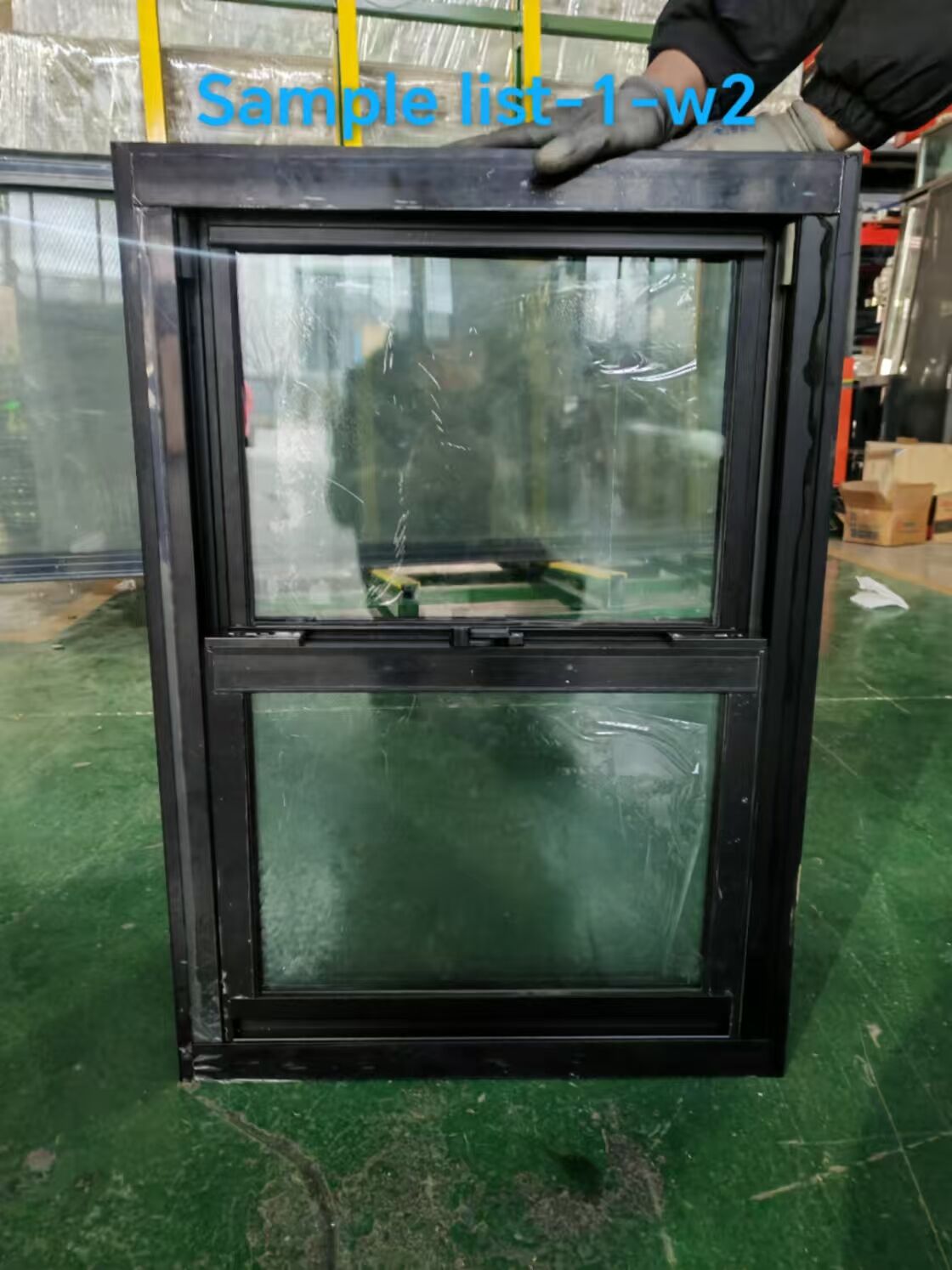
French aluminium windows represent the pinnacle of modern architectural design, seamlessly blending traditional French aesthetics with contemporary materials and technology. These sophisticated window systems have revolutionized the way homeowners and architects approach residential and commercial building projects, offering an unparalleled combination of style, performance, and longevity. The growing popularity of french aluminium windows stems from their ability to deliver exceptional thermal efficiency while maintaining the classic elegance that defines French architectural heritage. As building codes become more stringent and energy efficiency requirements continue to evolve, these advanced window solutions provide the perfect answer for discerning property owners who refuse to compromise on either beauty or functionality.
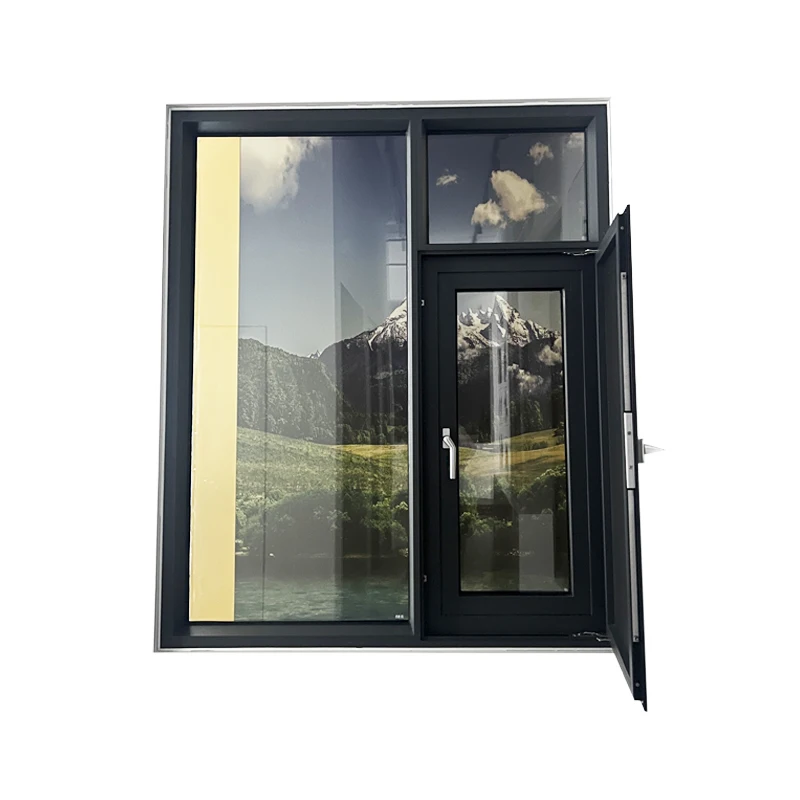
Superior Material Engineering and Construction Quality
Advanced Aluminium Alloy Composition
The foundation of exceptional french aluminium windows lies in their sophisticated material engineering, utilizing high-grade aluminium alloys specifically formulated for window applications. These alloys incorporate precise ratios of silicon, magnesium, and other elements to achieve optimal strength-to-weight ratios while maintaining excellent corrosion resistance. The manufacturing process involves multiple quality control stages, including thermal break technology that significantly reduces heat transfer between interior and exterior surfaces. This advanced engineering ensures that french aluminium windows can withstand extreme weather conditions while maintaining structural integrity for decades. The powder coating process applied to these frames provides additional protection against UV degradation and environmental wear, resulting in windows that retain their appearance and performance characteristics throughout their extended service life.
Precision Manufacturing Standards
Modern french aluminium windows are manufactured using computer-controlled precision machinery that ensures consistent quality and perfect dimensional accuracy across all components. The welding techniques employed in frame construction utilize advanced methods such as mechanical joining and thermal welding to create seamless connections that eliminate potential weak points. Each window undergoes rigorous testing procedures, including water infiltration tests, air leakage assessments, and structural load evaluations to verify compliance with international standards. The attention to detail extends to hardware selection, with high-quality mechanisms designed to operate smoothly for thousands of cycles while maintaining proper sealing and security functions. This commitment to manufacturing excellence ensures that every french aluminium window meets the demanding requirements of contemporary construction projects.
Energy Efficiency and Thermal Performance
Thermal Break Technology
The exceptional energy efficiency of french aluminium windows is largely attributed to their advanced thermal break design, which incorporates polyamide strips that interrupt the heat transfer pathway between interior and exterior frame sections. This technology reduces thermal bridging by up to 70%, resulting in significant improvements in overall window performance ratings. The thermal break system works in conjunction with multiple weather sealing mechanisms to create an effective barrier against air infiltration and moisture penetration. Professional installation of french aluminium windows with proper thermal break systems can contribute to substantial reductions in heating and cooling costs, making them an excellent investment for energy-conscious property owners. The thermal performance is further enhanced through the use of low-emissivity coatings on glazing surfaces, which reflect infrared radiation while allowing visible light transmission.
Glazing Options and Performance
Contemporary french aluminium windows offer multiple glazing configurations to meet specific performance requirements and aesthetic preferences. Double and triple glazing options provide varying levels of thermal insulation, with argon or krypton gas fills between panes enhancing insulation properties. The glazing systems can incorporate laminated glass for improved security and sound reduction, or tempered glass for enhanced safety in specific applications. Low-E coatings can be applied to different surfaces within the glazing unit to optimize solar heat gain control while maintaining natural light transmission. These advanced glazing technologies work synergistically with the aluminium frame system to deliver comprehensive performance benefits that exceed traditional window solutions.
Design Versatility and Aesthetic Appeal
Classic French Style Elements
The design philosophy behind french aluminium windows celebrates the timeless elegance of traditional French architecture while incorporating modern functionality and performance features. These windows typically feature narrow sight lines that maximize glass area and natural light penetration, creating an open and airy interior atmosphere. The frame profiles are carefully engineered to replicate the proportions and visual characteristics of historic French windows while accommodating contemporary hardware and sealing systems. Color options range from classic white and subtle earth tones to bold contemporary shades, allowing architects and designers to achieve precise aesthetic coordination with overall building themes. The ability to customize muntin patterns, handle styles, and operational configurations ensures that french aluminium windows can be tailored to complement any architectural vision.
Customization and Configuration Options
Modern french aluminium windows offer extensive customization possibilities that allow designers to create unique solutions for specific project requirements. Frame dimensions can be adjusted to accommodate non-standard openings, while specialized shapes including arches, circles, and polygons expand creative design possibilities. Hardware selection includes traditional and contemporary handle styles, with options for different finishes and operational mechanisms to suit user preferences and security requirements. The modular nature of french aluminium window systems enables the creation of complex configurations such as bay windows, corner units, and floor-to-ceiling installations that would be difficult or impossible to achieve with other materials. This flexibility makes french aluminium windows suitable for everything from historic renovation projects to cutting-edge contemporary architecture.
Installation Procedures and Technical Considerations
Professional Installation Requirements
Proper installation of french aluminium windows requires specialized knowledge and techniques to ensure optimal performance and longevity. The installation process begins with precise measurement and preparation of the rough opening, including verification of structural adequacy and appropriate weatherproofing materials. Professional installers must understand the thermal expansion characteristics of aluminium and incorporate appropriate expansion joints and sealants to accommodate movement. The use of structural glazing techniques and proper flashing systems prevents water infiltration while maintaining the aesthetic integrity of the installation. Quality installation practices also include careful adjustment of hardware mechanisms to ensure smooth operation and proper sealing compression throughout the operational cycle.
Integration with Building Systems
The successful integration of french aluminium windows with overall building systems requires coordination with HVAC, electrical, and structural elements. Window placement must consider solar orientation, prevailing wind patterns, and interior space usage to optimize natural lighting and ventilation benefits. The interaction between window thermal performance and building insulation systems affects overall energy efficiency calculations and may influence HVAC sizing requirements. French aluminium windows can be integrated with automated control systems for motorized operation, smart glass technologies, and environmental monitoring systems. This integration capability makes these window systems particularly suitable for smart building applications where automated responses to environmental conditions can further optimize energy performance.
Maintenance and Long-term Performance
Routine Maintenance Procedures
The maintenance requirements for french aluminium windows are minimal compared to traditional materials, contributing to their long-term value proposition. Regular cleaning of frame surfaces and glass panels maintains optimal appearance and performance, while periodic inspection of weather seals and hardware mechanisms ensures continued proper operation. The aluminium frame material resists corrosion and degradation, requiring only occasional cleaning with mild detergents to remove environmental contaminants. Hardware lubrication should be performed annually using manufacturer-recommended products to maintain smooth operation and prevent premature wear. The powder-coated finish on quality french aluminium windows typically maintains its appearance for many years without requiring refinishing, making these windows an excellent low-maintenance choice for busy property owners.
Performance Longevity and Warranty Coverage
French aluminium windows are engineered for exceptional longevity, with typical service lives exceeding 30 years when properly maintained and installed. The inherent stability of aluminium prevents the warping, rotting, and dimensional changes that affect other window materials over time. Manufacturer warranties often provide comprehensive coverage for frame materials, hardware components, and glazing systems, reflecting confidence in long-term performance capabilities. The thermal performance characteristics of french aluminium windows remain stable throughout their service life, ensuring that energy efficiency benefits continue to provide value for decades. This longevity makes french aluminium windows an excellent investment for property owners seeking durable, high-performance window solutions that maintain their functionality and appearance over extended periods.
Cost-Benefit Analysis and Value Proposition
Initial Investment Considerations
While the initial cost of french aluminium windows may be higher than basic alternatives, the comprehensive performance benefits and extended service life provide exceptional long-term value. The energy savings achieved through superior thermal performance can offset the initial investment over time through reduced heating and cooling expenses. The durability and low maintenance requirements of french aluminium windows eliminate the ongoing costs associated with painting, sealing, and component replacement that affect other window materials. Property value enhancement is another significant benefit, as these premium window systems are recognized by appraisers and potential buyers as desirable upgrades that contribute to overall property worth.
Return on Investment Calculations
The return on investment for french aluminium windows can be calculated by considering energy savings, maintenance cost reductions, and property value improvements over the window's service life. Energy efficiency improvements often qualify for utility rebates and tax incentives that further enhance the financial benefits of upgrading to high-performance window systems. The reduced maintenance requirements translate to both direct cost savings and time savings for property owners who would otherwise need to perform regular upkeep on less durable window materials. Market studies consistently show that properties equipped with quality french aluminium windows command higher sale prices and attract more qualified buyers, making these windows a sound investment from both comfort and financial perspectives.
FAQ
How do french aluminium windows compare to traditional wood windows in terms of performance
French aluminium windows offer superior thermal performance, durability, and maintenance advantages compared to traditional wood windows. The thermal break technology in modern aluminium frames provides better insulation than standard wood construction, while the material's stability prevents the warping, swelling, and shrinking that affects wood windows over time. Aluminium frames resist moisture damage, insect infestation, and rot, eliminating many of the maintenance issues associated with wood windows. While wood windows may offer certain aesthetic advantages in specific architectural contexts, french aluminium windows can be designed to closely replicate the appearance of traditional wood while delivering superior long-term performance and lower maintenance requirements.
What certification standards should I look for when selecting french aluminium windows
When selecting french aluminium windows, look for certifications such as NFRC (National Fenestration Rating Council) ratings that verify thermal performance claims, and AAMA (American Architectural Manufacturers Association) standards that ensure structural integrity and weather resistance. European standards such as CE marking and AS2047 certification provide additional assurance of quality and performance compliance. Energy Star certification indicates that the windows meet strict energy efficiency guidelines, while IGCC (International Green Construction Code) compliance demonstrates environmental responsibility. These certifications provide objective verification that the french aluminium windows will perform as advertised and meet the requirements of modern building codes and green construction standards.
Can french aluminium windows be customized for historic building renovations
French aluminium windows can indeed be extensively customized for historic building renovations, with manufacturers offering specialized profiles that replicate the proportions and appearance of original historic windows. Custom color matching ensures that new windows coordinate with existing architectural elements, while specialized glazing options can maintain the visual characteristics of historic glass while providing modern performance benefits. The ability to create custom shapes, sizes, and configurations allows french aluminium windows to fit perfectly into existing openings without compromising the building's historic character. Many historic preservation projects have successfully incorporated these advanced window systems while maintaining compliance with preservation guidelines and achieving significant performance improvements.
What is the expected lifespan of french aluminium windows and their components
French aluminium windows typically have an expected lifespan of 30 to 50 years, depending on environmental conditions, maintenance practices, and component quality. The aluminium frames themselves are highly durable and resistant to corrosion, often lasting the entire service life without replacement. Hardware components such as hinges, handles, and locking mechanisms may require replacement or servicing every 10 to 15 years, depending on usage frequency and maintenance practices. Glazing units typically maintain their performance characteristics for 15 to 25 years, with eventual replacement needed if seal failure occurs. Weather sealing components may need replacement every 5 to 10 years to maintain optimal performance, but these are relatively minor maintenance items that can extend the overall window system lifespan significantly.
Table of Contents
- Superior Material Engineering and Construction Quality
- Energy Efficiency and Thermal Performance
- Design Versatility and Aesthetic Appeal
- Installation Procedures and Technical Considerations
- Maintenance and Long-term Performance
- Cost-Benefit Analysis and Value Proposition
-
FAQ
- How do french aluminium windows compare to traditional wood windows in terms of performance
- What certification standards should I look for when selecting french aluminium windows
- Can french aluminium windows be customized for historic building renovations
- What is the expected lifespan of french aluminium windows and their components