 EN
EN
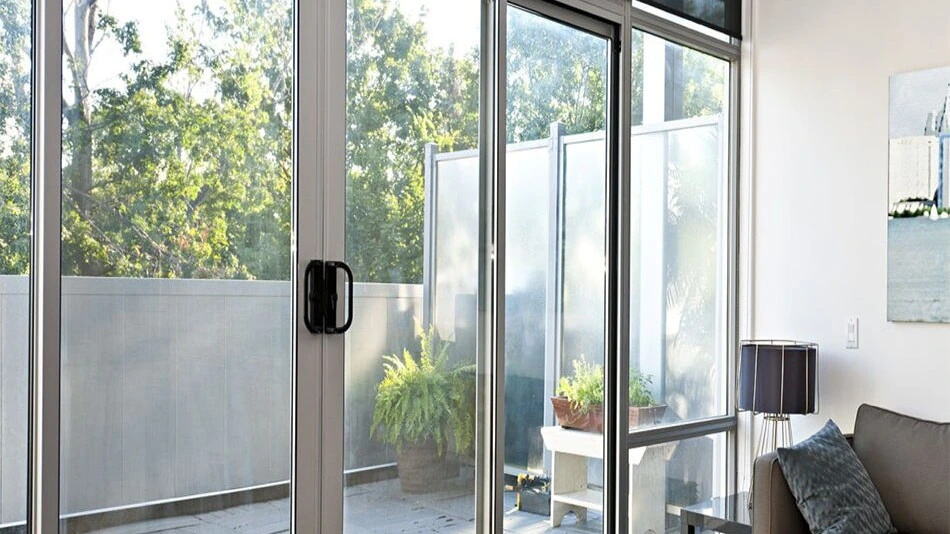
Modern architecture demands materials that combine durability, aesthetic appeal, and energy efficiency. Aluminium doors have emerged as the preferred choice for homeowners and commercial property developers seeking a perfect balance of form and function. These sophisticated entrance solutions offer unparalleled strength while maintaining sleek, contemporary aesthetics that complement various architectural styles. The versatility of aluminium doors makes them suitable for everything from residential front entries to large-scale commercial installations, providing security without compromising on visual appeal.
Superior Material Properties
Corrosion Resistance and Longevity
The inherent properties of aluminium make it exceptionally resistant to corrosion, rust, and weathering. Unlike traditional materials such as steel or wood, aluminium doors maintain their structural integrity and appearance even when exposed to harsh environmental conditions. This natural oxidation resistance means property owners can expect decades of reliable performance without the need for frequent maintenance or replacement. The protective oxide layer that forms on aluminium surfaces acts as a barrier against moisture, salt air, and pollutants that typically cause deterioration in other materials.
Additionally, modern manufacturing processes enhance these natural protective qualities through advanced coating technologies. Powder coating and anodizing treatments create additional layers of protection while offering unlimited color and finish options. These treatments not only extend the lifespan of aluminium doors but also provide enhanced UV resistance, ensuring that colors remain vibrant and finishes stay intact for years to come.
Strength-to-Weight Ratio Excellence
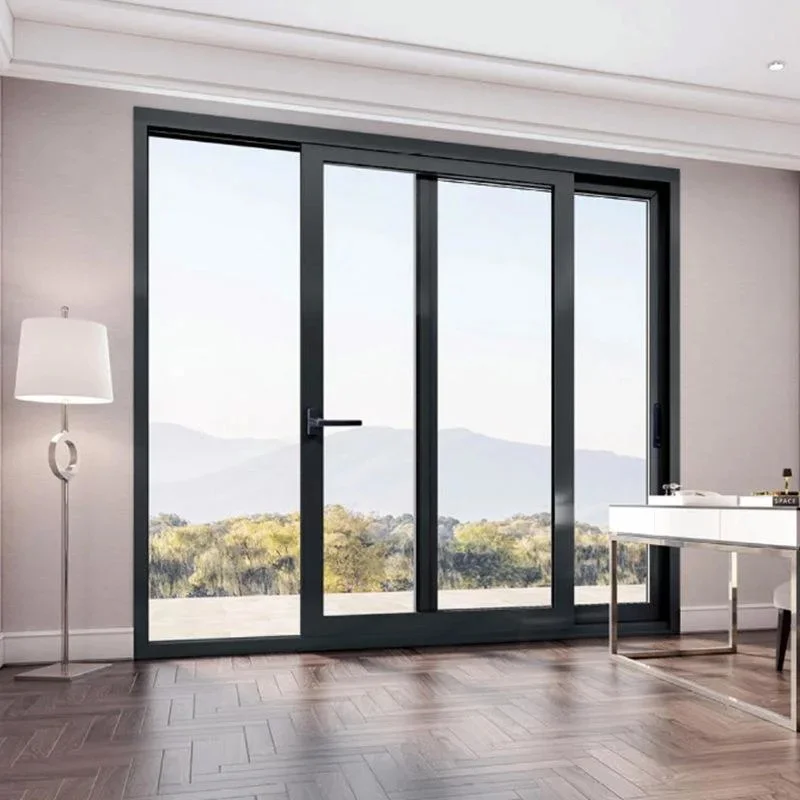
One of the most remarkable characteristics of aluminium doors lies in their exceptional strength-to-weight ratio. Despite being significantly lighter than steel alternatives, aluminium provides comparable structural strength and security performance. This reduced weight translates to easier installation, lower stress on building frames, and improved hardware longevity. The lightweight nature of aluminium doors also allows for larger panel sizes and more expansive glass areas without compromising structural stability.
The strength characteristics of aluminium doors enable innovative design possibilities that would be impractical with heavier materials. Architects and designers can create dramatic entrances with minimal structural support, incorporating large glazed areas that maximize natural light while maintaining security standards. This flexibility in design application makes aluminium doors particularly valuable in contemporary architectural projects where visual impact and functionality must work in harmony.
Design Versatility and Aesthetic Appeal
Contemporary Styling Options
The design flexibility of aluminium doors allows manufacturers to create products that suit virtually any architectural style or personal preference. From ultra-modern minimalist designs featuring clean lines and large glass panels to more traditional styles that incorporate decorative elements and classic proportions, aluminium doors can be customized to match specific aesthetic requirements. The malleability of aluminium enables the creation of complex profiles and intricate details that would be difficult or impossible to achieve with other materials.
Surface finishing options for aluminium doors are virtually limitless, ranging from smooth contemporary finishes to textured surfaces that mimic natural materials like wood grain or stone. Advanced manufacturing techniques allow for the creation of unique patterns, embossed designs, and three-dimensional surface effects that add visual interest and tactile appeal. These diverse finishing options ensure that aluminium doors can complement any interior or exterior design scheme while maintaining their functional advantages.
Color and Finish Customization
Modern powder coating technology enables aluminium doors to be finished in virtually any color imaginable, from subtle neutral tones to bold statement colors that create dramatic architectural focal points. The powder coating process creates a durable, chip-resistant finish that maintains its appearance far longer than traditional paint applications. This extensive color palette allows property owners to coordinate their entrance doors with existing architectural elements or create striking contrasts that enhance curb appeal.
Beyond solid colors, aluminium doors can feature specialty finishes such as metallic effects, color-changing properties, and textured surfaces that add depth and visual interest. These advanced finishing techniques enable the creation of aluminium doors that serve as architectural statements while providing all the functional benefits expected from premium entrance solutions. The ability to match or complement existing building materials ensures seamless integration with overall design concepts.
Energy Efficiency and Performance
Thermal Performance Characteristics
Modern aluminium doors incorporate advanced thermal break technology that addresses the material's natural thermal conductivity. These thermal barriers prevent heat transfer between interior and exterior surfaces, significantly improving energy efficiency and occupant comfort. Multi-chamber frame designs create additional insulation zones that further enhance thermal performance, making aluminium doors competitive with other premium materials in terms of energy conservation.
The integration of high-performance glazing systems with thermally broken aluminium frames creates entrance solutions that meet or exceed current energy efficiency standards. Double and triple-glazed units filled with inert gases provide exceptional insulation values while maintaining the sleek appearance that makes aluminium doors so attractive. These performance improvements translate to reduced heating and cooling costs, improved interior comfort, and enhanced environmental sustainability.
Weather Sealing and Protection
Professional-grade weathersealing systems ensure that aluminium doors provide excellent protection against air infiltration, water penetration, and wind-driven moisture. Multiple compression seals work together to create overlapping barriers that prevent drafts and maintain consistent interior temperatures. The precision manufacturing tolerances achievable with aluminium allow for tight fitting components that enhance sealing effectiveness while ensuring smooth operation over extended service life.
Advanced drainage systems integrated into aluminium door frames channel moisture away from critical sealing areas, preventing water accumulation that could compromise performance or lead to damage. These engineered drainage solutions include weep holes, pressure equalization chambers, and sloped sill designs that work together to maintain dry conditions within the frame system. Such comprehensive weather protection makes aluminium doors suitable for installation in challenging climatic conditions.
Security Features and Hardware Integration
Enhanced Security Systems
The strength characteristics of aluminium doors make them excellent platforms for advanced security hardware and systems. Multi-point locking mechanisms distribute securing forces across multiple locations along the door frame, creating resistance to forced entry that exceeds conventional single-point locks. These sophisticated locking systems can be integrated seamlessly into the door design without compromising aesthetic appeal or operational convenience.
Security-enhanced aluminium doors can accommodate reinforcement elements such as steel cores, security glazing, and tamper-resistant hardware that provide additional protection against intrusion attempts. The ability to integrate electronic access control systems, including keyless entry, biometric readers, and smart home connectivity, makes aluminium doors suitable for high-security applications while maintaining user-friendly operation for authorized individuals.
Hardware Compatibility and Durability
The structural properties of aluminium doors allow them to support heavy-duty hardware systems without experiencing deformation or operational issues over time. Premium hinges, handles, and locking mechanisms maintain proper alignment and smooth operation even under frequent use conditions. The corrosion resistance of aluminium ensures that hardware mounting points remain secure and functional throughout the door's service life.
Compatibility with a wide range of hardware finishes and styles allows property owners to customize the appearance and functionality of their aluminium doors to match specific requirements. From traditional brass and bronze finishes to contemporary stainless steel and powder-coated options, hardware selection can complement the overall design while providing reliable performance. The ability to upgrade or modify hardware systems without replacing the entire door assembly makes aluminium doors a cost-effective long-term investment.
Installation and Maintenance Advantages
Simplified Installation Process
The lightweight nature of aluminium doors simplifies the installation process, reducing labor requirements and minimizing disruption to occupied buildings. Professional installers can handle larger door sizes with standard equipment, eliminating the need for specialized lifting machinery required for heavier alternatives. The dimensional stability of aluminium frames ensures consistent fit and alignment, reducing installation time and improving overall project efficiency.
Pre-fabricated aluminium doors arrive at job sites with precise dimensions and integrated hardware, minimizing on-site adjustments and reducing the potential for installation errors. The material's resistance to warping, shrinking, and swelling means that proper installation tolerances remain consistent over time, maintaining optimal performance and appearance. This dimensional stability also reduces callback requirements and warranty issues for installation contractors.
Minimal Maintenance Requirements
Unlike wood doors that require regular painting, staining, or sealing, aluminium doors maintain their appearance and performance with minimal maintenance interventions. Routine cleaning with mild detergent and water is typically sufficient to remove dirt, pollutants, and other surface contaminants. The non-porous surface of aluminium doors resists staining and discoloration, making maintenance procedures quick and effective.
Long-term maintenance of aluminium doors focuses primarily on hardware lubrication, weatherseal inspection, and occasional adjustment of operating mechanisms. The durability of powder-coated finishes means that refinishing is rarely necessary, even after decades of service. This low-maintenance characteristic makes aluminium doors particularly attractive for commercial applications where maintenance costs must be minimized while maintaining professional appearance standards.
Cost-Effectiveness and Value Proposition
Initial Investment Considerations
While the initial cost of quality aluminium doors may exceed that of basic alternatives, the long-term value proposition is compelling when considering durability, performance, and maintenance requirements. The extended service life of aluminium doors, often exceeding 30 years with minimal maintenance, provides excellent return on investment compared to materials that require frequent replacement or refurbishment. Energy efficiency improvements from high-performance aluminium doors can also contribute to ongoing utility cost savings.
The ability to customize aluminium doors to specific requirements without significant cost penalties makes them competitive with other premium materials. Standard manufacturing processes can accommodate unique sizes, configurations, and finishing requirements that would result in substantial upcharges with alternative materials. This customization capability allows property owners to achieve their design goals without compromising budget constraints.
Long-term Economic Benefits
The durability and low maintenance requirements of aluminium doors translate to significant cost savings over their service life. Property owners avoid the recurring expenses associated with painting, refinishing, weatherseal replacement, and hardware upgrades that are common with other door materials. The consistent performance and appearance of aluminium doors also help maintain property values and reduce the need for premature replacement due to deterioration or obsolescence.
Energy efficiency improvements from properly specified aluminium doors can provide measurable reductions in heating and cooling costs, particularly in climates with extreme temperature variations. The improved comfort and indoor air quality resulting from better-sealed entrances can also contribute to occupant satisfaction and productivity in commercial applications. These indirect benefits enhance the overall value proposition of aluminium doors beyond their immediate functional advantages.
FAQ
How long do aluminium doors typically last compared to other materials
Aluminium doors typically last 25-30 years or more with minimal maintenance, significantly longer than wood doors which may require replacement every 15-20 years. The corrosion resistance and dimensional stability of aluminium doors ensure consistent performance throughout their service life, while the durable finishes maintain appearance without frequent refinishing requirements. This extended lifespan makes aluminium doors a cost-effective choice despite higher initial investment costs.
Are aluminium doors suitable for extreme weather conditions
Yes, aluminium doors are exceptionally well-suited for extreme weather conditions due to their corrosion resistance, thermal break technology, and advanced weathersealing systems. They perform excellently in coastal environments with salt air exposure, desert climates with extreme temperature variations, and areas prone to severe storms or hurricane-force winds. The material's strength and flexibility allow it to withstand structural stresses that might damage other door materials.
Can aluminium doors achieve the same energy efficiency as other premium materials
Modern aluminium doors with thermal break technology and high-performance glazing can achieve energy efficiency ratings comparable to or exceeding other premium materials. The key is proper specification of thermal barriers, quality weathersealing, and appropriate glazing systems. Many aluminium doors now meet or exceed Energy Star requirements and can contribute to green building certification programs when properly integrated into building envelope designs.
What security advantages do aluminium doors offer over traditional options
Aluminium doors provide superior security through their inherent strength, ability to support heavy-duty hardware, and compatibility with advanced locking systems. Multi-point locking mechanisms, reinforced cores, and security glazing options create entrance systems that resist forced entry attempts. The material's durability ensures that security features remain effective over time, while the ability to integrate electronic access control systems provides enhanced security management capabilities for modern applications.