 EN
EN

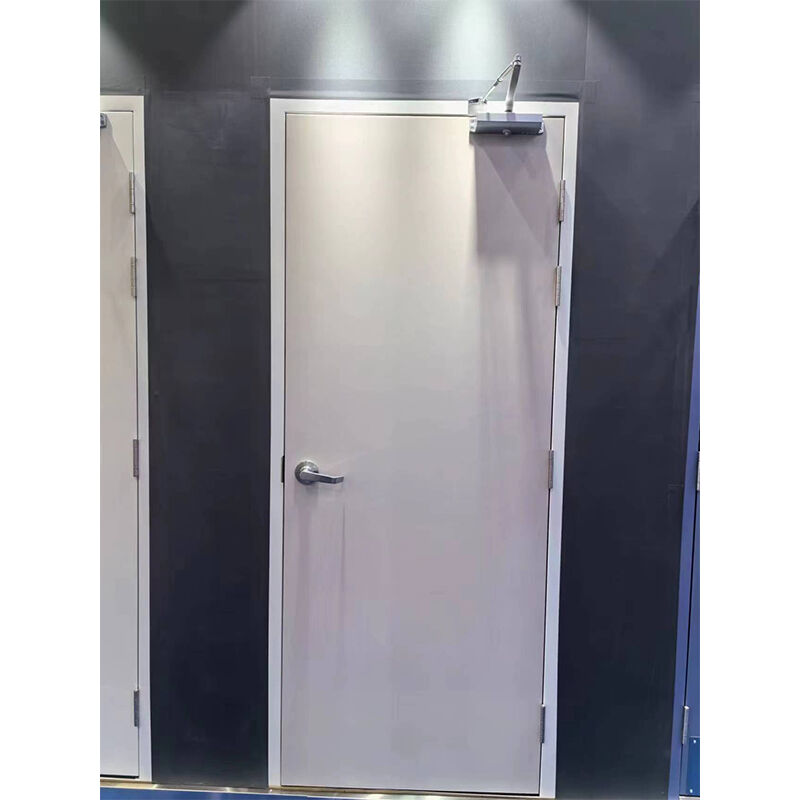
The architectural landscape continues to evolve with innovative materials and designs that prioritize both functionality and aesthetic appeal. Among these advancements, aluminium doors have emerged as a cornerstone of modern construction, offering unparalleled versatility for residential and commercial applications. These sophisticated entrance solutions combine durability, energy efficiency, and contemporary styling to meet the demanding requirements of today's building projects. Whether you're designing a sleek urban residence or planning a commercial development, aluminium doors provide the perfect balance of form and function that modern architecture demands.
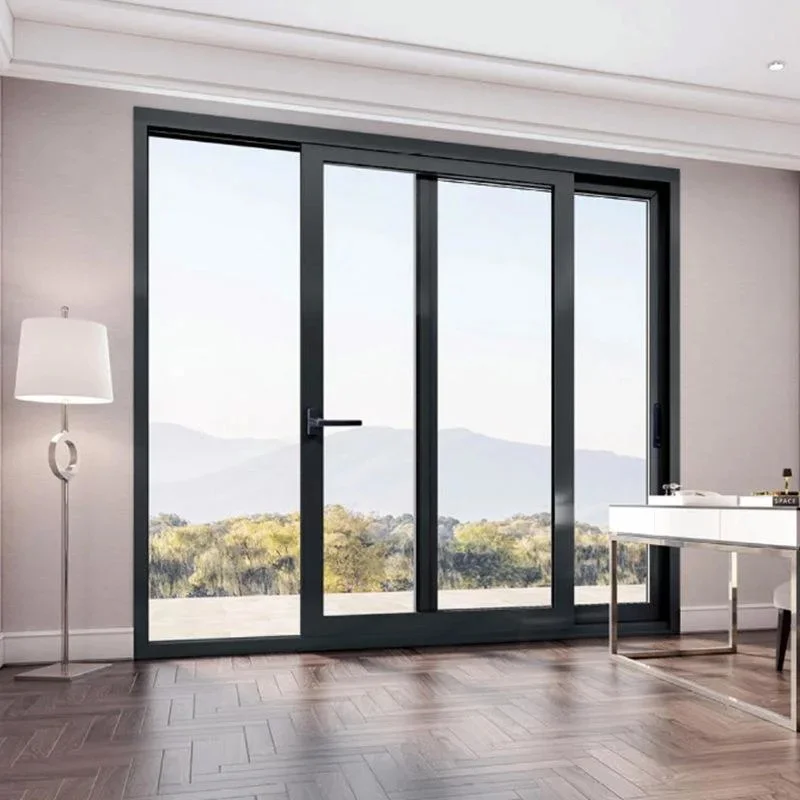
Superior Material Properties of Aluminium Doors
Exceptional Durability and Longevity
Aluminium doors demonstrate remarkable resistance to environmental factors that commonly affect other door materials. The inherent properties of aluminum create a natural oxide layer that protects against corrosion, rust, and weathering. This protective characteristic ensures that aluminium doors maintain their structural integrity and visual appeal for decades, making them an excellent long-term investment. The material's strength-to-weight ratio surpasses many traditional options, allowing for larger door panels without compromising stability or ease of operation.
The manufacturing process of modern aluminium doors incorporates advanced alloy compositions that enhance durability while maintaining workability. These engineered materials resist warping, cracking, and dimensional changes that often plague wooden alternatives. Property owners benefit from reduced maintenance requirements and extended service life, contributing to lower total cost of ownership over the door's operational lifespan.
Thermal Efficiency and Energy Performance
Contemporary aluminium doors feature sophisticated thermal break technology that significantly improves energy efficiency. The integration of polyamide strips or foam-filled chambers interrupts thermal bridging, preventing heat transfer between interior and exterior surfaces. This innovation allows aluminium doors to achieve impressive thermal performance ratings that meet or exceed modern building energy codes.
The precision manufacturing of aluminium door frames enables tight sealing tolerances that minimize air infiltration. Combined with high-performance glazing options, these doors create an effective barrier against energy loss. Building owners report substantial reductions in heating and cooling costs when upgrading to properly specified aluminium doors, particularly in climate-controlled commercial environments.
Design Versatility and Aesthetic Options
Contemporary Styling Possibilities
The malleability of aluminum enables designers to create aluminium doors with intricate profiles and geometric configurations impossible with other materials. From minimalist flat panels to elaborate textured surfaces, the design possibilities are virtually limitless. Modern manufacturing techniques including CNC machining and precision extrusion allow for consistent reproduction of complex architectural details across multiple door units.
Color options for aluminium doors extend far beyond basic metallic finishes. Advanced powder coating and anodizing processes provide access to extensive color palettes while ensuring fade resistance and surface durability. Architects frequently specify custom colors to match specific design schemes or corporate branding requirements, creating cohesive visual identities throughout building projects.
Integration with Modern Architecture
The clean lines and precise geometry achievable with aluminium doors complement contemporary architectural styles seamlessly. These doors support the minimalist aesthetic favored in modern design while providing the functionality required for high-traffic applications. The ability to create expansive glazed openings using aluminium doors enhances natural light penetration and visual connectivity between spaces.
Structural capabilities of aluminum frameworks enable the integration of advanced access control systems, automated operators, and smart building technologies. This compatibility ensures that aluminium doors remain relevant as building automation and security requirements evolve, protecting the long-term value of architectural investments.
Commercial Applications and Benefits
High-Traffic Performance Requirements
Commercial environments demand entrance solutions capable of withstanding constant use while maintaining reliable operation. Aluminium doors excel in these applications due to their robust construction and precision-engineered hardware systems. The material's resistance to deformation under repeated stress ensures consistent performance throughout extended operational periods.
Maintenance requirements for commercial aluminium doors remain minimal compared to alternative materials. The non-porous surface resists staining and facilitates routine cleaning using standard commercial maintenance protocols. This characteristic proves particularly valuable in healthcare facilities, educational institutions, and food service environments where hygiene standards are paramount.
Security and Access Control Integration
Modern aluminium doors provide excellent platforms for sophisticated security systems including electronic locks, card readers, and biometric devices. The structural integrity of aluminum frames supports heavy-duty hardware without compromising performance or creating security vulnerabilities. Multi-point locking mechanisms integrate seamlessly with aluminum door designs, providing enhanced security for commercial applications.
Fire safety compliance represents another critical advantage of properly specified aluminium doors. These products can achieve required fire ratings while maintaining aesthetic appeal and functional performance. The material's inherent fire resistance, combined with appropriate glazing and hardware selections, enables compliance with stringent commercial building codes.
Residential Installation Considerations
Home Design Integration
Residential applications of aluminium doors benefit from the material's adaptability to diverse architectural styles. Traditional homes gain contemporary appeal through carefully selected aluminum entrance systems that respect historical proportions while introducing modern performance characteristics. The variety of available finishes allows homeowners to achieve desired aesthetic goals without sacrificing functionality.
Energy efficiency improvements from residential aluminium doors contribute significantly to home comfort and utility cost management. The superior insulation properties help maintain consistent indoor temperatures while reducing HVAC system workload. Many homeowners report noticeable improvements in interior comfort levels following aluminium door installations.
Maintenance and Longevity Benefits
Residential owners appreciate the low-maintenance characteristics of quality aluminium doors. Unlike wooden alternatives that require regular painting or staining, aluminum surfaces maintain their appearance with minimal care. Occasional cleaning with mild detergents and water preserves the door's aesthetic qualities throughout its service life.
The longevity of aluminium doors provides excellent value for residential investments. Property owners avoid the recurring costs associated with door replacement and refinishing that characterize other materials. This durability also contributes to property values, as potential buyers recognize the benefits of modern, well-maintained entrance systems.
Installation and Hardware Considerations
Professional Installation Requirements
Proper installation of aluminium doors requires specialized knowledge of frame preparation, shimming techniques, and weatherization methods. Professional installers ensure accurate alignment and proper operation while maximizing energy efficiency and security performance. The precision required for optimal aluminium door function makes professional installation essential for achieving manufacturer warranties and performance specifications.
Structural considerations during installation include adequate header support and proper anchorage to building frameworks. The lightweight nature of aluminium doors simplifies handling during installation while requiring attention to thermal movement accommodation. Experienced installers understand these requirements and implement appropriate solutions for long-term performance.
Hardware Selection and Performance
Hardware selection significantly impacts the functionality and longevity of aluminium doors. High-quality hinges, locks, and operators designed specifically for aluminum applications ensure smooth operation and extended service life. The compatibility between hardware and door materials prevents galvanic corrosion and maintains aesthetic consistency.
Modern hardware options for aluminium doors include advanced features such as soft-close mechanisms, delayed action closers, and integrated access control systems. These enhancements improve user experience while maintaining the door's security and energy performance characteristics. Regular hardware maintenance ensures continued reliable operation throughout the door's service life.
FAQ
How long do aluminium doors typically last compared to other materials
Quality aluminium doors typically provide 30-50 years of reliable service with minimal maintenance, significantly outlasting wooden doors that may require replacement every 15-20 years. The corrosion resistance and structural stability of aluminum contribute to this extended lifespan, making aluminium doors an excellent long-term investment for both residential and commercial applications.
Are aluminium doors energy efficient for modern buildings
Modern aluminium doors with thermal break technology achieve excellent energy efficiency ratings comparable to other premium door materials. The thermal break design interrupts heat transfer while precision manufacturing ensures tight sealing against air infiltration. These features enable aluminium doors to meet or exceed current energy codes in most climate zones.
What maintenance is required for aluminium doors
Aluminium doors require minimal maintenance consisting primarily of regular cleaning with mild soap and water. Annual inspection of hardware, weatherstripping, and drainage systems ensures optimal performance. Unlike wooden doors, aluminium doors do not require periodic refinishing or treatment, significantly reducing long-term maintenance costs and effort.
Can aluminium doors provide adequate security for commercial buildings
Properly specified aluminium doors offer excellent security performance through robust frame construction and compatibility with advanced locking systems. The material's strength supports multi-point locks, electronic access controls, and reinforced strike plates. Many aluminium doors achieve high security ratings while maintaining aesthetic appeal suitable for commercial environments.