 EN
EN

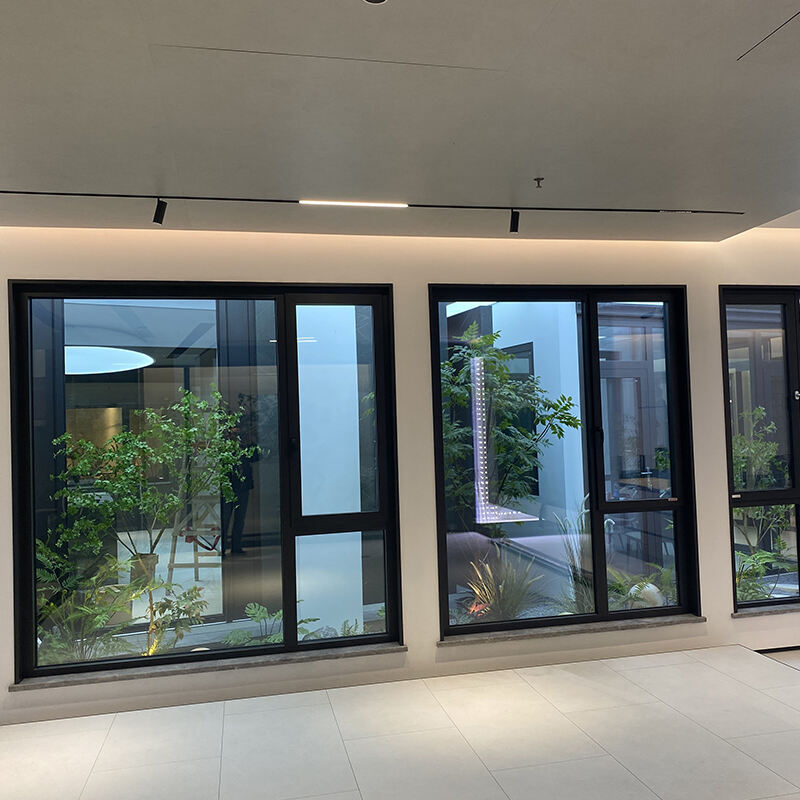
Modern home security demands have evolved significantly, making the aluminium glazed door an increasingly popular choice for homeowners seeking both aesthetic appeal and robust protection. These sophisticated entrance solutions combine the durability of aluminum framing with advanced glazing technology to create barriers that are both visually striking and highly secure. The contemporary design elements of an aluminium glazed door system provide multiple layers of security while maintaining the transparency and natural light that glass components offer. Understanding the comprehensive security features available in today's aluminium glazed door options helps property owners make informed decisions about their entrance security investments.
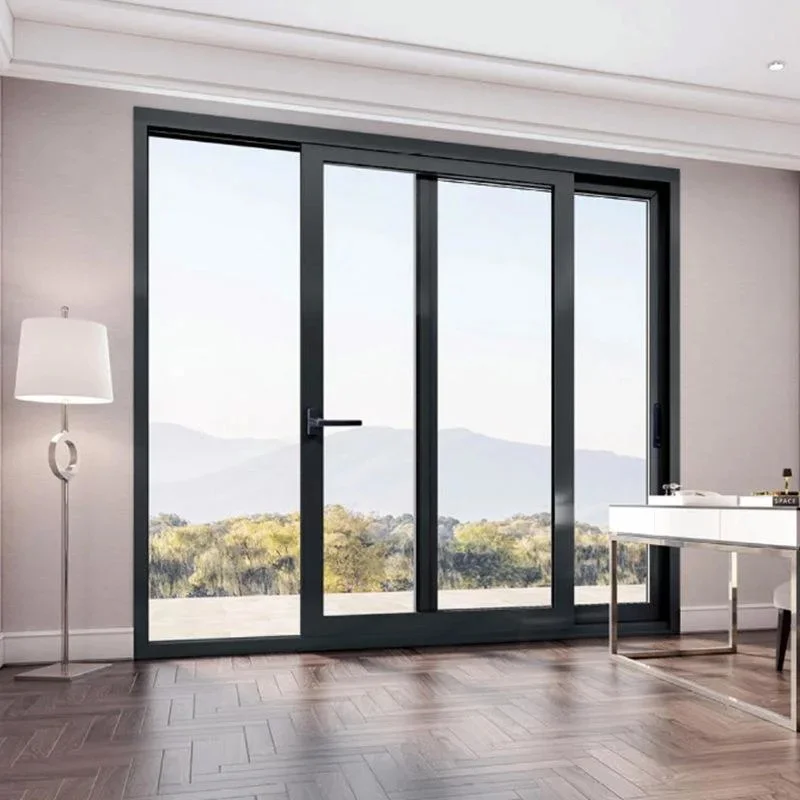
Advanced Locking Mechanisms in Modern Door Systems
Multi-Point Locking Technology
The foundation of any secure aluminium glazed door begins with its locking mechanism, where multi-point locking systems represent the gold standard in residential security. These sophisticated systems engage multiple locking points simultaneously along the door frame, typically including three to five separate connection points that secure the door at various heights. When properly installed, multi-point locks distribute the force of potential break-in attempts across the entire door frame rather than concentrating stress on a single point. The aluminium construction provides the structural integrity necessary to support these advanced locking systems without compromising the door's operational smoothness or longevity.
Professional installation of multi-point locking systems requires precise alignment and calibration to ensure optimal security performance. The locking mechanism typically includes deadbolts at the top and bottom of the door, combined with a central latch that engages with the strike plate. Advanced versions incorporate additional security features such as anti-drill plates and hardened steel components that resist tampering attempts. The robust nature of aluminum framing allows these systems to maintain their security integrity over extended periods, even with frequent use and exposure to varying weather conditions.
Electronic Access Control Integration
Contemporary aluminium glazed door security extends beyond traditional mechanical locks to include sophisticated electronic access control systems. Smart lock integration allows property owners to monitor and control access remotely, receiving real-time notifications when the door is opened or when unauthorized access attempts occur. These systems can incorporate biometric scanners, keypad entry, proximity cards, or smartphone app controls, providing multiple layers of authentication before granting access. The aluminum framework accommodates the wiring and hardware necessary for these electronic systems without compromising the door's structural integrity or weather resistance.
Electronic access control systems offer audit trails that track all entry and exit events, creating valuable security documentation for both residential and commercial applications. The integration of these systems with home automation platforms allows coordinated security responses, such as automatically activating security cameras or lighting when the aluminium glazed door is approached. Battery backup systems ensure continued operation during power outages, while tamper detection features alert property owners to any attempts to disable or bypass the electronic components.
Glazing Technology and Security Enhancement
Tempered and Laminated Glass Options
The glazing component of an aluminium glazed door plays a crucial role in overall security, with tempered and laminated glass options providing significantly enhanced protection compared to standard glass panels. Tempered glass undergoes a specialized heating and cooling process that increases its strength by approximately four to five times that of regular glass, making it much more resistant to impact and thermal stress. When tempered glass does break, it fragments into small, relatively harmless pieces rather than dangerous shards, reducing injury risk while maintaining security integrity until replacement can occur.
Laminated glass represents an even more advanced security option, consisting of multiple glass layers bonded together with interlayer materials such as polyvinyl butyral (PVB) or ethylene-vinyl acetate (EVA). This construction creates a barrier that remains intact even when cracked, preventing easy penetration while maintaining visibility. The aluminum frame system provides the necessary structural support for these heavier glazing options, ensuring proper installation and long-term performance. Security-grade laminated glass can withstand significant impact forces and even resist penetration from tools commonly used in break-in attempts.
Impact-Resistant Glazing Solutions
Specialized impact-resistant glazing takes security enhancement several steps further, incorporating materials and construction techniques designed to withstand extreme forces. These advanced glazing systems often feature multiple layers of specially treated glass combined with impact-resistant interlayers that can absorb and distribute energy from attempted forced entry. The aluminum framing system must be engineered to accommodate the increased weight and thickness of impact-resistant glazing while maintaining proper drainage and thermal performance characteristics.
Testing standards for impact-resistant glazing include missile impact tests that simulate debris strikes and cyclic pressure tests that replicate extreme weather conditions. An aluminium glazed door equipped with certified impact-resistant glazing provides protection against both intentional security threats and natural hazards such as severe storms or flying debris. The installation process requires specialized techniques to ensure the glazing system integrates properly with the aluminum frame and maintains its protective characteristics over time.
Frame Construction and Reinforcement Features
Structural Integrity and Material Properties
The aluminum frame construction of a security-focused door system incorporates specific alloys and structural designs that maximize strength while maintaining workability and corrosion resistance. High-strength aluminum alloys used in security applications typically feature enhanced tensile strength and impact resistance compared to standard commercial grades. The frame geometry includes reinforced corners, multiple chambers for increased rigidity, and strategic placement of structural elements that distribute stress loads effectively throughout the entire door assembly.
Thermal breaks within the aluminum frame construction serve dual purposes, providing energy efficiency while also creating additional structural barriers that enhance security. These thermal breaks consist of non-conductive materials that prevent thermal bridging while also creating compartmentalized frame sections that resist deformation under stress. The precision manufacturing processes used in quality aluminium glazed door production ensure consistent frame dimensions and tight tolerances that contribute to both security and operational performance.
Anti-Tampering Design Elements
Security-focused aluminum door frames incorporate numerous anti-tampering design elements that make unauthorized entry attempts significantly more difficult and time-consuming. Concealed hinges prevent removal of the door from the outside, while reinforced strike plates distribute the force of attempted kicks or prying across a larger area of the frame structure. Security screws with specialized heads require specific tools for removal, deterring casual tampering attempts while allowing authorized maintenance and adjustments.
The frame design also includes features that resist common bypass techniques, such as shimming or lock manipulation. Tight tolerances between the door and frame eliminate gaps that might be exploited, while overlapping design elements create multiple barriers that must be overcome for successful entry. Weather stripping serves the dual purpose of energy efficiency and security enhancement by eliminating visual access to internal locking mechanisms while also providing tactile feedback that alerts occupants to potential tampering attempts.
Hardware Integration and Security Accessories
Hinge Systems and Pivot Points
The hinge system of an aluminium glazed door represents a critical security component that must balance smooth operation with resistance to forced entry attempts. Heavy-duty hinges designed for security applications feature reinforced mounting points, hardened steel pins, and anti-removal mechanisms that prevent the door from being lifted off its hinges even when fully opened. The aluminum frame provides multiple attachment points for hinge mounting, distributing the weight and operational stresses across a broader area than traditional single-point mounting systems.
Security hinges often incorporate ball bearing systems that maintain smooth operation over extended periods while providing the strength necessary to resist forced entry attempts. Some advanced hinge designs include break-away features that allow controlled failure under extreme stress, preventing damage to the surrounding frame structure while maintaining security integrity. The integration of security hinges with the aluminum frame system requires precise engineering to ensure proper alignment and operation while maximizing resistance to tampering or forced removal.
Threshold and Weatherproofing Security
The threshold area of an aluminium glazed door system presents unique security challenges that require specialized solutions to prevent water infiltration while maintaining barrier integrity. Security thresholds incorporate multiple sealing systems that create overlapping barriers against both weather and unauthorized entry attempts. These systems typically include compression seals, sweep seals, and drain channels that work together to eliminate potential entry points while maintaining the door's operational characteristics.
Advanced threshold designs may include sensor integration that detects unauthorized manipulation or tampering attempts in this vulnerable area. The aluminum construction allows for precise machining of threshold components, creating tight tolerances that eliminate gaps while providing smooth operation. Proper threshold security also includes consideration of floor drainage and grade requirements that prevent water accumulation without creating security vulnerabilities that might be exploited by determined intruders.
Installation Considerations for Maximum Security
Professional Installation Requirements
Achieving optimal security performance from an aluminium glazed door requires professional installation that addresses both structural and operational considerations. Proper installation begins with accurate measurement and preparation of the rough opening, ensuring adequate structural support for the door system's weight and security requirements. The installation process must account for thermal expansion and contraction of the aluminum frame while maintaining precise tolerances necessary for security hardware operation.
Professional installers understand the importance of proper shimming and alignment procedures that maintain the door's security characteristics while ensuring smooth operation over time. The installation process includes verification of all locking mechanisms, testing of security features, and calibration of electronic components if present. Proper installation also addresses integration with existing security systems, ensuring that the new door system enhances rather than compromises overall property security.
Structural Support and Anchoring Systems
The structural support system for an aluminium glazed door must provide adequate anchoring to resist forced entry attempts while accommodating the thermal and operational movements inherent in the system. Structural anchoring typically involves multiple attachment points that distribute loads across the surrounding framing structure, preventing concentration of stress at individual connection points. The anchoring system must be designed to resist both inward and outward forces that might be applied during attempted forced entry.
Advanced anchoring systems may include reinforcement of the surrounding structure to provide adequate support for high-security door systems. This reinforcement might involve steel framing members, concrete reinforcement, or specialized anchoring hardware that creates a secure connection between the aluminium glazed door frame and the building structure. The installation process must ensure that all anchoring components are properly aligned and torqued to specification, maintaining security integrity while allowing for normal building movement and settling.
FAQ
What makes an aluminium glazed door more secure than traditional wooden doors
An aluminium glazed door offers superior security compared to traditional wooden doors through several key advantages. The aluminum frame construction provides exceptional strength and durability that resists warping, cracking, and deterioration over time, maintaining consistent security performance regardless of weather conditions. Unlike wood, aluminum cannot be easily damaged by drilling, cutting, or impact attempts, while the precision manufacturing allows for tighter tolerances and more secure hardware integration. The glazing components can incorporate advanced security glass options that provide visibility while maintaining barrier integrity, something not possible with solid wooden doors.
How effective is laminated glass in preventing break-ins through aluminium glazed doors
Laminated glass provides excellent security enhancement for aluminium glazed doors by creating a barrier that remains intact even when cracked or damaged. The multiple glass layers bonded with specialized interlayer materials create a system that can withstand significant impact forces while preventing easy penetration. Even if the glass surface is broken, the laminated construction holds the pieces together, preventing access while maintaining the structural integrity of the door system. This security feature requires specialized tools and significant time to overcome, making it an effective deterrent against casual break-in attempts.
What maintenance is required to keep security features functioning properly
Maintaining the security features of an aluminium glazed door requires regular inspection and maintenance of both mechanical and electronic components. Mechanical elements such as locks, hinges, and weatherproofing should be inspected quarterly and lubricated according to manufacturer specifications to ensure smooth operation and prevent binding or failure. Electronic components require periodic testing of batteries, sensors, and communication systems, with software updates applied as recommended by the manufacturer. The aluminum frame and glazing should be cleaned regularly to maintain visibility and prevent corrosion, while professional inspection should be conducted annually to verify the integrity of all security systems.
Can existing doors be upgraded with aluminium glazed door security features
While some security features can be retrofitted to existing door systems, achieving the full security benefits of an aluminium glazed door typically requires complete replacement rather than upgrade of existing installations. The integrated nature of modern security systems, including specialized framing, glazing, and hardware components, makes partial upgrades less effective than complete system replacement. However, existing openings can often accommodate new aluminium glazed door installations with minimal structural modification, allowing property owners to achieve comprehensive security enhancement while maintaining architectural compatibility with the existing structure.
Table of Contents
- Advanced Locking Mechanisms in Modern Door Systems
- Glazing Technology and Security Enhancement
- Frame Construction and Reinforcement Features
- Hardware Integration and Security Accessories
- Installation Considerations for Maximum Security
-
FAQ
- What makes an aluminium glazed door more secure than traditional wooden doors
- How effective is laminated glass in preventing break-ins through aluminium glazed doors
- What maintenance is required to keep security features functioning properly
- Can existing doors be upgraded with aluminium glazed door security features