 EN
EN

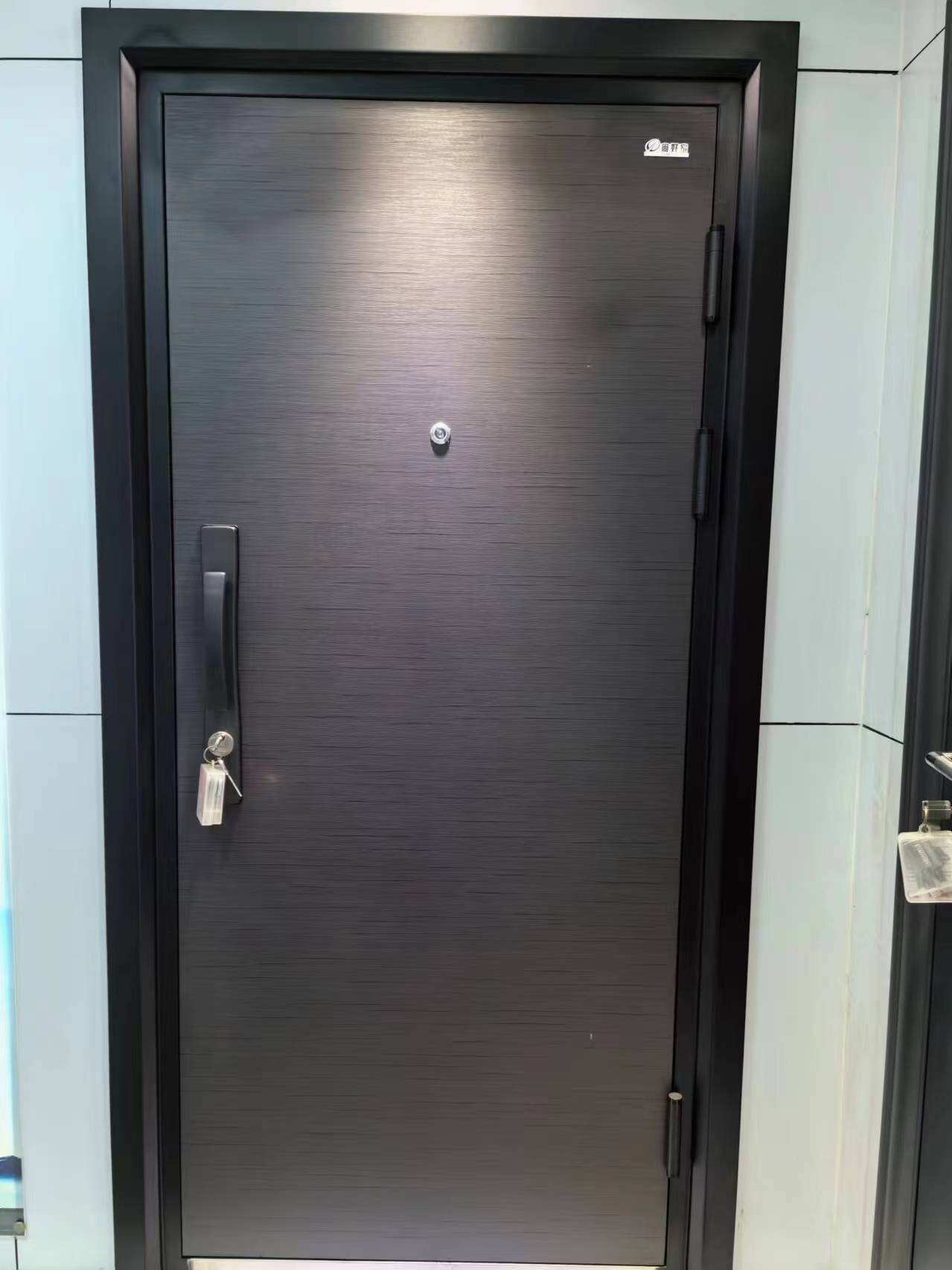
Modern architectural design increasingly emphasizes the seamless integration of natural light into interior spaces, making the aluminium glazed door an essential element for contemporary homes and commercial buildings. These sophisticated entrance solutions combine the durability of aluminum framing with expansive glass panels to create stunning visual transitions between indoor and outdoor environments. The strategic implementation of an aluminium glazed door system can dramatically transform dark entryways into bright, welcoming spaces while maintaining security and energy efficiency standards.
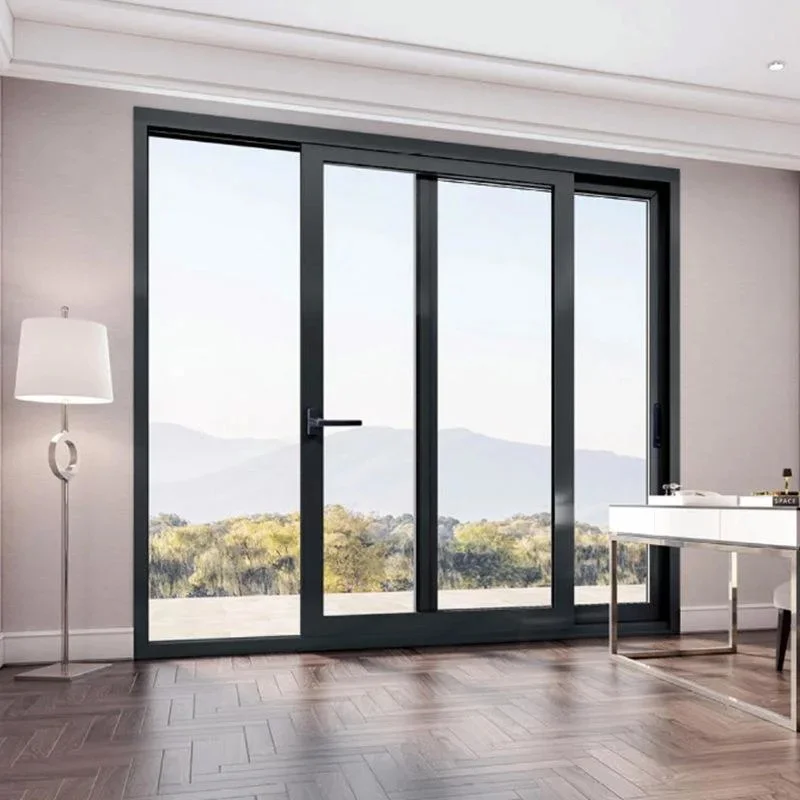
Property owners and architects recognize that entrance design significantly impacts both aesthetic appeal and functional performance of buildings. The aluminium glazed door represents a perfect balance between form and function, offering unparalleled light transmission while providing robust structural integrity. These doors serve as architectural focal points that enhance property values and create memorable first impressions for visitors and residents alike.
Design Principles of Aluminium Glazed Doors
Light Optimization Strategies
The primary advantage of installing an aluminium glazed door lies in its exceptional ability to maximize natural light penetration into interior spaces. Glass panels within these door systems can occupy up to 80% of the total door surface area, creating expansive transparent barriers that maintain separation while promoting visual connectivity. Strategic placement of these doors in entryways, living areas, and transitional spaces ensures optimal light distribution throughout the day.
Professional lighting designers recommend positioning aluminium glazed door systems to capture morning and afternoon sunlight angles for maximum illumination benefits. The aluminum framework provides minimal visual obstruction while supporting large glass panels that can span floor-to-ceiling dimensions. This design approach eliminates the cave-like atmosphere often associated with traditional solid doors and creates bright, airy environments that reduce dependence on artificial lighting during daylight hours.
Structural Engineering Considerations
Modern aluminium glazed door construction incorporates advanced engineering principles to ensure long-term performance and safety. The aluminum framework utilizes high-strength alloys that resist corrosion, warping, and thermal expansion while supporting substantial glass loads. Precision manufacturing techniques create weather-tight seals that prevent air infiltration and water penetration, maintaining interior comfort regardless of external conditions.
Load-bearing calculations for aluminium glazed door installations must account for wind resistance, seismic activity, and daily operational stresses. Professional installation teams employ specialized hardware systems that distribute forces evenly across the frame structure, preventing stress concentrations that could lead to premature failure. These engineering considerations ensure that each door system meets or exceeds building code requirements for safety and performance.
Material Properties and Performance Benefits
Aluminum Frame Advantages
Aluminum serves as the ideal material choice for glazed door applications due to its unique combination of strength, lightweight properties, and corrosion resistance. The metal's natural oxide layer provides inherent protection against environmental degradation, ensuring that an aluminium glazed door maintains its appearance and functionality for decades without extensive maintenance requirements. This durability factor makes aluminum frames particularly suitable for coastal environments where salt air accelerates corrosion in other metals.
The thermal properties of aluminum allow for precise temperature control through advanced glazing technologies and thermal break systems. Modern aluminium glazed door designs incorporate polyamide thermal breaks that interrupt heat transfer pathways, significantly improving energy efficiency ratings. These thermal barriers prevent condensation formation and maintain comfortable interior temperatures while reducing heating and cooling costs throughout the year.
Glass Technology Integration
Contemporary aluminium glazed door systems utilize high-performance glass technologies that enhance both safety and energy efficiency. Tempered safety glass provides impact resistance while maintaining crystal-clear visibility, ensuring that occupants remain protected without sacrificing aesthetic appeal. Low-emissivity coatings applied to glass surfaces reflect infrared radiation while allowing visible light transmission, creating optimal indoor environmental conditions.
Double and triple glazing options within aluminium glazed door configurations provide superior insulation properties that meet stringent energy codes. These multi-layer glass systems incorporate inert gas fills between panes to minimize heat transfer and acoustic transmission. The result is a door system that maintains interior comfort while significantly reducing energy consumption and providing excellent sound dampening characteristics.
Installation and Application Considerations
Residential Implementation Strategies
Residential applications of aluminium glazed door systems require careful consideration of privacy, security, and aesthetic integration with existing architectural elements. Homeowners often select these doors for patio access, garden room transitions, and main entrance applications where natural light enhancement is prioritized. The installation process involves precise measurement and alignment to ensure proper operation and weather sealing performance.
Privacy concerns in residential settings can be addressed through various glass treatment options including frosted panels, decorative etching, or selective tinting. These modifications allow homeowners to maintain light transmission benefits while controlling visibility from exterior viewpoints. The aluminium glazed door design flexibility accommodates custom sizing and configuration requirements that complement individual architectural styles and functional needs.
Commercial and Industrial Applications
Commercial buildings benefit significantly from aluminium glazed door installations in lobbies, conference rooms, and retail environments where natural lighting creates inviting atmospheres. The professional appearance of these door systems enhances corporate image while providing practical benefits including reduced lighting costs and improved employee satisfaction. Large-scale installations require coordination with building management systems for optimal integration.
Industrial facilities utilize aluminium glazed door systems for clean room access, quality control areas, and administrative spaces where visibility and light control are essential. The robust construction of these doors withstands frequent operation cycles while maintaining precise environmental separation. Specialized hardware options accommodate various security levels and access control requirements common in industrial settings.
Maintenance and Longevity Factors
Preventive Care Protocols
Maintaining an aluminium glazed door system requires minimal effort while providing maximum performance longevity. Regular cleaning of glass surfaces with appropriate cleaning solutions maintains optical clarity and prevents mineral deposit accumulation. The aluminum framework benefits from periodic inspection and lubrication of moving components to ensure smooth operation and prevent premature wear.
Weather stripping and sealing components require annual inspection to maintain energy efficiency and weather protection characteristics. Professional maintenance services can identify potential issues before they develop into costly repairs, extending the operational life of the entire door system. Most manufacturers provide comprehensive maintenance guidelines that outline specific procedures and recommended service intervals for optimal performance.
Performance Monitoring Systems
Advanced aluminium glazed door installations can incorporate monitoring systems that track operational parameters including opening cycles, environmental conditions, and energy performance metrics. These systems provide valuable data for optimizing building management strategies and identifying maintenance requirements before system failures occur. Smart technology integration allows remote monitoring and control capabilities that enhance both convenience and security.
Long-term performance tracking demonstrates the value proposition of quality aluminium glazed door investments through documented energy savings, maintenance cost reductions, and occupant satisfaction improvements. Regular performance assessments ensure that these door systems continue meeting design specifications and building code requirements throughout their operational lifespan.
Economic and Environmental Impact
Cost-Benefit Analysis
The initial investment in a high-quality aluminium glazed door system generates substantial long-term returns through reduced energy consumption, increased property values, and minimized maintenance requirements. Energy modeling studies consistently demonstrate significant lighting cost reductions in buildings equipped with extensive glazed door installations. These savings accumulate over the door's operational lifetime, often exceeding the initial purchase and installation costs.
Property value enhancement represents another significant economic benefit of aluminium glazed door installations. Real estate professionals report that homes and commercial buildings featuring high-quality glazed door systems command premium prices and experience faster sale cycles. The aesthetic appeal and functional performance of these doors create lasting impressions that influence purchasing decisions and rental valuations.
Environmental Sustainability Benefits
Environmental sustainability considerations make aluminium glazed door systems attractive choices for green building initiatives and LEED certification programs. The aluminum material is highly recyclable, reducing environmental impact at end-of-life disposal while supporting circular economy principles. Manufacturing processes for aluminum components have become increasingly energy-efficient, further reducing the carbon footprint associated with these door systems.
Natural lighting provided by aluminium glazed door installations reduces dependence on electric lighting systems, directly decreasing carbon emissions and energy consumption. Studies indicate that buildings with extensive natural lighting systems can reduce lighting energy usage by up to 40% during daylight hours. This reduction contributes significantly to overall building sustainability performance and environmental impact minimization goals.
FAQ
What maintenance is required for an aluminium glazed door system?
Routine maintenance for an aluminium glazed door primarily involves cleaning glass surfaces monthly with streak-free cleaning solutions and inspecting weather sealing annually. The aluminum frame requires minimal care, though periodic lubrication of hinges and lock mechanisms ensures smooth operation. Professional inspection every two years helps identify potential issues before they require expensive repairs, making these doors remarkably low-maintenance compared to other entrance solutions.
How do aluminium glazed doors perform in extreme weather conditions?
Modern aluminium glazed door systems are engineered to withstand severe weather including high winds, heavy rain, and temperature extremes. The aluminum framework resists corrosion and thermal expansion while tempered glass panels provide impact resistance against debris. Proper installation with quality weather sealing ensures these doors maintain performance integrity even in coastal environments with salt air exposure or regions experiencing significant temperature fluctuations throughout the year.
Can aluminium glazed doors provide adequate security for residential applications?
Security features in residential aluminium glazed door systems include multi-point locking mechanisms, reinforced frames, and laminated safety glass options that resist forced entry attempts. While the glass panels provide visibility, security-conscious homeowners can specify impact-resistant glazing and electronic access control systems. Professional installation ensures proper frame anchoring and hardware integration that meets or exceeds residential security standards while maintaining the aesthetic and lighting benefits.
What energy efficiency ratings can be expected from aluminium glazed doors?
Energy efficiency in aluminium glazed door systems depends on glass specifications, frame design, and installation quality. High-performance systems incorporating thermal breaks and low-emissivity glazing can achieve U-values comparable to insulated walls while providing substantial natural lighting benefits. Double or triple glazing options further enhance thermal performance, with some premium systems achieving ENERGY STAR certification ratings that qualify for utility rebates and green building credits.