 EN
EN

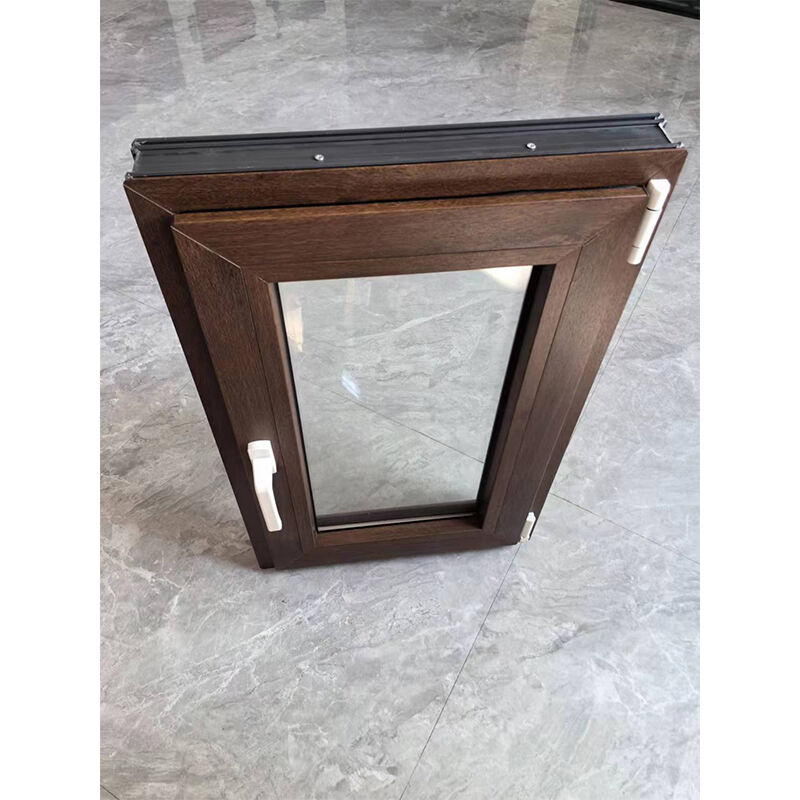
External aluminium sliding doors have become the cornerstone of modern architectural design, offering an unparalleled combination of durability, energy efficiency, and aesthetic appeal. These sophisticated door systems are engineered to withstand the harshest weather conditions while maintaining optimal performance throughout their operational lifespan. The integration of advanced weatherproofing technologies and high-performance materials makes external aluminium sliding doors an essential component for residential and commercial applications. Their ability to seamlessly blend indoor and outdoor spaces while providing superior protection against the elements has revolutionized how we approach building design and functionality.
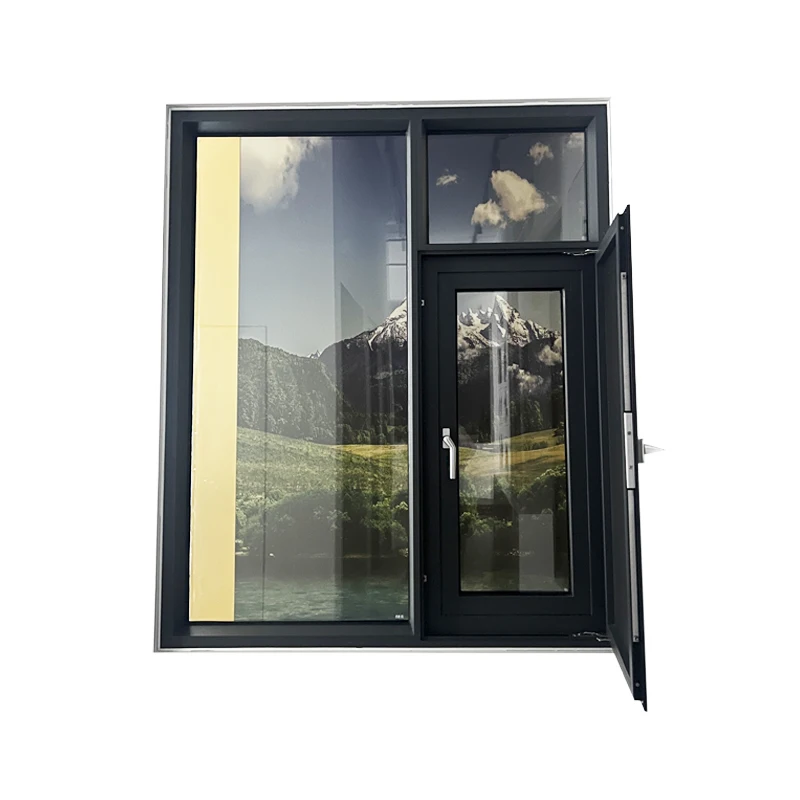
Advanced Weatherproofing Technologies in Modern Sliding Door Systems
Multi-Chamber Sealing Systems
The foundation of exceptional weatherproofing in external aluminium sliding doors lies in their sophisticated multi-chamber sealing systems. These engineered solutions incorporate multiple layers of protection that work synergistically to prevent water infiltration, air leakage, and thermal bridging. The primary sealing chamber utilizes high-grade EPDM rubber gaskets that maintain their elasticity across extreme temperature ranges, ensuring consistent performance in both scorching summers and frigid winters. Secondary sealing chambers provide redundant protection, creating a fail-safe system that maintains weatherproofing integrity even under the most challenging environmental conditions.
Advanced weatherstripping technologies complement the multi-chamber approach by incorporating specialized profiles that conform to surface irregularities and maintain continuous contact throughout the door's operational cycle. These systems feature self-adjusting mechanisms that compensate for thermal expansion and contraction, ensuring that the weatherproofing performance of external aluminium sliding doors remains consistent regardless of seasonal temperature variations. The integration of drainage channels within the sealing system redirects any moisture that may penetrate the first line of defense, preventing accumulation and potential structural damage.
Thermal Break Integration
Thermal break technology represents a critical advancement in the weatherproofing capabilities of external aluminium sliding doors. These systems incorporate specially designed polyamide strips or thermoplastic materials that interrupt the conductive heat transfer pathway through the aluminium frame structure. By creating a thermal barrier within the door frame, these systems dramatically reduce heat loss during winter months and minimize unwanted heat gain during summer periods. The strategic placement of thermal breaks at key structural points ensures that the entire door system maintains optimal energy efficiency without compromising structural integrity.
The effectiveness of thermal break integration extends beyond simple temperature control, contributing significantly to condensation prevention and moisture management. When external temperatures differ substantially from internal conditions, thermal breaks prevent the formation of cold bridges that could lead to condensation accumulation on interior surfaces. This protection is particularly valuable in humid climates where moisture-related issues can compromise indoor air quality and potentially damage interior finishes.
Performance Characteristics and Engineering Excellence
Structural Load Bearing Capacity
The structural engineering of external aluminium sliding doors incorporates advanced load distribution principles that ensure reliable operation under varying environmental stresses. These systems are designed to accommodate both dead loads from the door panels themselves and live loads from wind pressure, seismic activity, and operational forces. The frame geometry utilizes optimized cross-sectional profiles that maximize strength-to-weight ratios while maintaining the sleek aesthetic profiles that define contemporary architectural design.
High-performance roller systems and track assemblies distribute operational loads evenly across the entire door structure, preventing stress concentrations that could lead to premature wear or operational difficulties. The integration of precision-engineered bearings and guide mechanisms ensures smooth operation throughout the door's service life, even when subjected to frequent daily use. These external aluminium sliding doors are tested to withstand thousands of operational cycles without degradation in performance or weatherproofing capabilities.
Wind Resistance and Pressure Testing
Professional-grade external aluminium sliding doors undergo rigorous wind resistance testing to verify their performance under extreme weather conditions. These comprehensive evaluations simulate hurricane-force winds and pressure differentials that may occur during severe weather events. The testing protocols evaluate both positive and negative pressure scenarios, ensuring that the door systems maintain structural integrity and weatherproofing performance regardless of wind direction or intensity.
The aerodynamic design of modern external aluminium sliding doors incorporates features that minimize wind loading and reduce operational forces required during high-wind conditions. Streamlined profiles and optimized panel geometries reduce air turbulence around the door structure, contributing to both energy efficiency and operational reliability. Advanced locking mechanisms and secure attachment systems ensure that doors remain properly sealed and secured even when subjected to sustained high-wind conditions.
Material Science and Durability Factors
Corrosion Resistance Technologies
The longevity and performance reliability of external aluminium sliding doors depend heavily on advanced corrosion resistance technologies that protect the underlying aluminium structure from environmental degradation. Modern manufacturing processes utilize specialized alloy compositions that inherently resist oxidation and corrosion, while surface treatment technologies provide additional protective layers. Anodizing processes create controlled oxide layers that are significantly harder and more corrosion-resistant than natural aluminium oxide, extending the service life of external aluminium sliding doors in challenging environmental conditions.
Powder coating systems represent another crucial advancement in corrosion protection, providing both aesthetic enhancement and environmental protection through electrostatically applied organic polymer coatings. These systems offer superior adhesion, impact resistance, and UV stability compared to traditional liquid coating systems. The multi-layer application process includes primer systems specifically formulated for aluminium substrates, intermediate coats that enhance durability, and topcoat formulations that provide color stability and weather resistance.
Glass Integration and Glazing Performance
The glazing systems integrated into external aluminium sliding doors represent sophisticated engineering achievements that balance transparency, energy efficiency, and structural performance. Double and triple-glazed configurations incorporate low-emissivity coatings and inert gas fills that dramatically improve thermal performance while maintaining optimal light transmission. The structural glazing techniques ensure that glass panels are properly supported and sealed within the door frame, creating weatherproof assemblies that maintain their performance characteristics throughout their operational lifespan.
Advanced glazing spacer technologies contribute significantly to the overall performance of external aluminium sliding doors by minimizing thermal bridging at the glass perimeter. Warm-edge spacer systems utilize materials with lower thermal conductivity than traditional aluminium spacers, reducing heat transfer and improving condensation resistance. These systems also incorporate molecular sieve desiccants that maintain optimal humidity levels within the sealed glazing cavity, preventing fogging and maintaining optical clarity.
Installation Considerations and Best Practices
Site Preparation and Structural Integration
Proper installation of external aluminium sliding doors requires meticulous site preparation and careful consideration of structural integration requirements. The supporting structure must provide adequate load-bearing capacity and dimensional stability to ensure optimal door performance throughout the building's service life. Foundation and framing tolerances must be maintained within specified limits to prevent operational difficulties and ensure proper weatherproofing performance.
Waterproofing integration at the installation interface represents a critical aspect of successful external aluminium sliding doors installation. Membrane systems and flashing details must be carefully coordinated with the door frame to create continuous weather barriers that prevent water infiltration. The integration of drainage systems ensures that any moisture that may accumulate during severe weather events is properly directed away from the building structure and door components.
Quality Assurance and Performance Testing
Post-installation testing and quality assurance procedures verify that external aluminium sliding doors meet specified performance requirements and operate as intended. Comprehensive testing protocols include operational testing to verify smooth door movement and proper alignment, weatherproofing testing to confirm seal integrity, and security testing to ensure locking mechanisms function correctly. These evaluations provide documentation that the installation meets applicable building codes and performance specifications.
Long-term performance monitoring and maintenance scheduling ensure that external aluminium sliding doors continue to provide optimal weatherproofing and operational performance throughout their service life. Regular inspection and maintenance procedures identify potential issues before they compromise door performance, extending service life and maintaining warranty coverage. Professional maintenance programs include lubrication of operational components, seal inspection and replacement, and hardware adjustment to maintain optimal performance standards.
Energy Efficiency and Environmental Performance
Thermal Performance Optimization
The thermal performance characteristics of external aluminium sliding doors directly impact building energy consumption and occupant comfort levels. Advanced thermal modeling and testing procedures evaluate heat transfer coefficients and air infiltration rates under standardized conditions, providing quantitative data that supports energy-efficient building design strategies. These performance metrics enable architects and engineers to specify external aluminium sliding doors that contribute to overall building energy performance goals.
Computational fluid dynamics modeling helps optimize the thermal performance of external aluminium sliding doors by identifying potential thermal bridges and areas for improvement. These analytical tools enable manufacturers to refine frame geometries and thermal break configurations to achieve maximum energy efficiency without compromising structural performance or aesthetic appeal. The integration of phase-change materials and other advanced thermal management technologies represents emerging opportunities for further performance enhancement.
Sustainable Manufacturing and Lifecycle Considerations
Environmental sustainability considerations play an increasingly important role in the design and manufacturing of external aluminium sliding doors. Aluminium's inherent recyclability makes it an environmentally responsible material choice, while advanced manufacturing processes minimize waste generation and energy consumption. Life-cycle assessment methodologies evaluate the environmental impact of external aluminium sliding doors from raw material extraction through end-of-life disposal, supporting informed decision-making for sustainable building projects.
The durability and longevity of external aluminium sliding doors contribute significantly to their environmental sustainability by minimizing replacement frequency and reducing long-term resource consumption. Proper maintenance and care can extend service life beyond typical warranty periods, maximizing the return on investment while minimizing environmental impact. Recycling programs for end-of-life doors ensure that valuable aluminium resources are recovered and reused in new manufacturing processes.
FAQ
What maintenance requirements are necessary for external aluminium sliding doors
Regular maintenance of external aluminium sliding doors includes cleaning the tracks and frames with mild detergent solutions, lubricating roller mechanisms and hardware components, and inspecting weatherstripping for wear or damage. Annual professional inspections should verify proper alignment, seal integrity, and hardware operation. Most manufacturers recommend specific maintenance schedules that maintain warranty coverage while ensuring optimal performance throughout the door's service life.
How do external aluminium sliding doors perform in extreme weather conditions
External aluminium sliding doors are engineered to withstand extreme weather conditions including high winds, heavy precipitation, and temperature extremes. Advanced weatherproofing systems and structural design features enable these doors to maintain performance during hurricane-force winds and severe storms. Proper installation and quality manufacturing ensure that external aluminium sliding doors provide reliable protection and operation regardless of environmental challenges.
What factors determine the energy efficiency of external aluminium sliding doors
Energy efficiency in external aluminium sliding doors depends on thermal break integration, glazing specifications, weatherstripping quality, and overall frame design. Double or triple-glazed configurations with low-emissivity coatings provide superior thermal performance, while advanced sealing systems minimize air infiltration. Professional energy modeling can quantify the contribution of external aluminium sliding doors to overall building energy performance and comfort levels.
How long do external aluminium sliding doors typically last
High-quality external aluminium sliding doors typically provide 20-30 years of reliable service when properly manufactured, installed, and maintained. The inherent corrosion resistance of aluminium and advanced surface treatments contribute to exceptional longevity, while precision engineering ensures continued operational performance throughout the service life. Proper maintenance and periodic component replacement can extend service life significantly beyond typical warranty periods.