 EN
EN

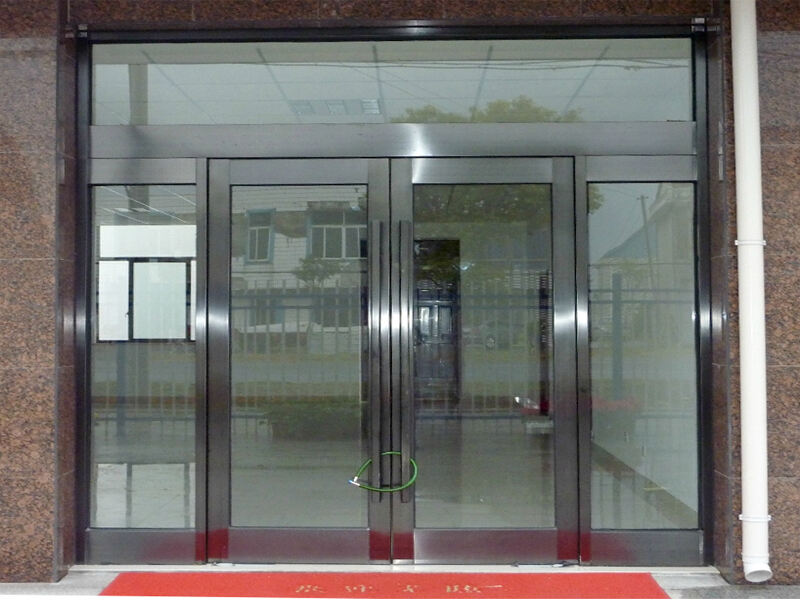
External aluminium sliding doors have become increasingly popular in modern architecture due to their sleek appearance, durability, and energy efficiency. These doors offer seamless indoor-outdoor transitions while providing excellent weather resistance and security. Proper installation of external aluminium sliding doors is crucial for optimal performance, longevity, and aesthetic appeal. Understanding the installation process ensures homeowners and contractors achieve professional results that enhance both property value and functionality.
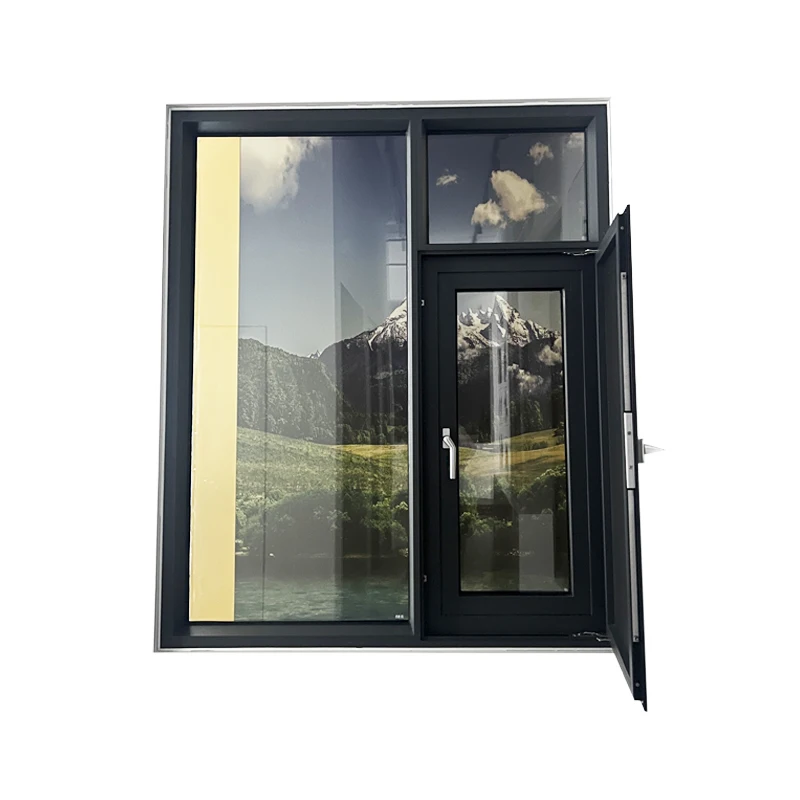
The installation of external aluminium sliding doors requires careful planning, precise measurements, and attention to detail. Unlike traditional hinged doors, sliding mechanisms demand specific structural considerations and weatherproofing techniques. Professional installation ensures proper alignment, smooth operation, and long-term reliability. Modern external aluminium sliding doors incorporate advanced glazing technologies, thermal breaks, and multi-point locking systems that require specialized knowledge during installation.
Pre-Installation Planning and Assessment
Site Evaluation and Structural Requirements
Before installing external aluminium sliding doors, conducting a thorough site evaluation is essential. The existing opening must be assessed for structural integrity, ensuring load-bearing capacity meets manufacturer specifications. Wall framing should be plumb, level, and square to accommodate the door system properly. Any structural modifications or reinforcements should be completed before door installation begins.
The foundation and sill area require particular attention when preparing for external aluminium sliding doors installation. Proper drainage slopes and waterproofing membranes must be in place to prevent water infiltration. The rough opening should exceed door frame dimensions by appropriate margins to allow for shimming, insulation, and weatherproofing materials. Electrical and mechanical systems near the installation area should be temporarily relocated or protected during the process.
Tools and Materials Preparation
Successful installation of external aluminium sliding doors requires specific tools and materials. Essential equipment includes laser levels, measuring devices, drill sets, screwdrivers, and lifting equipment for heavy door panels. Weatherproofing materials such as sealants, flashing, and insulation must be compatible with aluminium systems to prevent galvanic corrosion or thermal bridging issues.
Quality fasteners designed for external aluminium sliding doors applications ensure secure attachment to various substrate materials. Stainless steel or galvanized screws prevent corrosion that could compromise door performance over time. Shimming materials should be non-compressible and moisture-resistant to maintain proper alignment throughout seasonal temperature variations and building settlement.
Frame Installation Process
Positioning and Securing the Door Frame
The installation process for external aluminium sliding doors begins with careful frame positioning within the prepared opening. The frame must be centered both horizontally and vertically, with equal clearances on all sides. Temporary bracing holds the frame in position while permanent fastening occurs. Checking for square, plumb, and level conditions at multiple points ensures proper door operation.
Securing external aluminium sliding doors frames requires strategic fastener placement through mounting flanges or structural anchors. Fasteners should penetrate into solid structural members, avoiding installation into drywall or sheathing materials alone. The spacing between fasteners typically ranges from 16 to 24 inches, depending on door size and wind load requirements. Over-tightening fasteners can distort the frame and affect door operation.
Weatherproofing and Insulation Integration
Proper weatherproofing around external aluminium sliding doors prevents air and water infiltration while maintaining energy efficiency. A continuous air barrier must be established between the door frame and building structure using appropriate sealants and membranes. Flashing installation follows specific sequences to direct water away from the opening effectively.
Insulation around the frame perimeter fills gaps without creating thermal bridges that could cause condensation issues. Expanding foam insulation works well for irregular spaces, while rigid insulation provides consistent thermal performance in larger cavities. The insulation must not interfere with door operation or compress weatherstripping seals around external aluminium sliding doors frames.
Door Panel Installation and Alignment
Installing Fixed and Operable Panels
External aluminium sliding doors typically consist of both fixed and operable panels that require different installation approaches. Fixed panels are secured directly to the frame using structural glazing or mechanical attachment systems. These panels must be positioned accurately since adjustment options are limited once installation is complete. Proper support during installation prevents glass stress that could lead to thermal breakage.
Operable panels for external aluminium sliding doors incorporate rolling mechanisms that demand precise alignment for smooth operation. The track system must be level and clean before panel installation begins. Door panels are typically lifted into position using mechanical aids to prevent injury and damage. Initial positioning allows for adjustment during the alignment process.
Track System Configuration and Adjustment
The track system forms the foundation for smooth external aluminium sliding doors operation. Upper and lower tracks must be parallel and properly aligned to prevent binding or excessive wear on rolling components. Track installation includes securing methods that accommodate building movement while maintaining door functionality throughout seasonal changes.
Adjustments to external aluminium sliding doors tracks involve both horizontal and vertical positioning mechanisms. Roller assemblies often include adjustment screws that raise or lower door panels to achieve proper clearances and seal compression. The adjustment process requires patience and precision to achieve optimal performance across the entire door travel range.
Hardware Installation and Configuration
Lock and Handle Mechanisms
Security hardware for external aluminium sliding doors includes various lock types designed specifically for sliding applications. Multi-point locking systems provide enhanced security by engaging multiple points along the door perimeter simultaneously. These systems require precise alignment between door panels and frame strike plates to function properly.
Handle installation on external aluminium sliding doors involves both interior and exterior components that must align perfectly for smooth operation. The handle mechanism connects to the locking system through internal linkages that require careful adjustment. Proper handle positioning ensures ergonomic operation while maintaining the door's security features.
Weatherstripping and Seal Installation
Weatherstripping around external aluminium sliding doors provides the primary barrier against air and water infiltration. Various seal types serve different functions, including compression seals for static joints and wiping seals for sliding interfaces. The installation sequence ensures proper overlap and compression for effective sealing performance.
Seal adjustment on external aluminium sliding doors requires balancing weather protection with door operation ease. Over-compressed seals create excessive operating force and premature wear, while under-compressed seals allow infiltration. The adjustment process involves testing door operation at various seal compression levels to achieve optimal performance.
Testing and Quality Assurance
Operational Testing Procedures
Comprehensive testing ensures external aluminium sliding doors meet performance expectations after installation. Operation testing includes checking door movement throughout the entire travel range, evaluating lock engagement, and verifying handle function. The door should operate smoothly without binding, jumping, or excessive force requirements.
Water infiltration testing for external aluminium sliding doors involves controlled water application to verify seal effectiveness. This testing identifies potential leak points that require additional sealing or adjustment. Air infiltration testing using specialized equipment quantifies the door's energy performance and compliance with building codes.
Final Adjustments and Calibration
Final adjustments to external aluminium sliding doors address any performance issues identified during testing. These adjustments may include roller height modification, track alignment correction, or seal compression optimization. The calibration process ensures all door components work harmoniously for long-term reliability.
Documentation of external aluminium sliding doors installation includes recording adjustment settings, warranty information, and maintenance requirements. This documentation assists with future service needs and provides valuable information for building occupants regarding proper door operation and care procedures.
Maintenance and Long-Term Care
Regular Maintenance Requirements
Proper maintenance extends the service life of external aluminium sliding doors while preserving their performance characteristics. Regular cleaning removes dirt and debris that could interfere with door operation or cause premature wear of moving components. The cleaning process should use appropriate products that won't damage aluminium surfaces or weatherstripping materials.
Lubrication of moving components in external aluminium sliding doors prevents wear and ensures smooth operation. The lubrication schedule depends on environmental conditions and usage frequency. Track systems, roller assemblies, and locking mechanisms require specific lubricant types that maintain effectiveness across temperature ranges.
Troubleshooting Common Issues
Common issues with external aluminium sliding doors include binding, air leaks, and hardware malfunctions. Binding typically results from track debris, roller wear, or frame distortion that requires corrective action. Identifying the root cause guides appropriate repair strategies that restore proper door function.
Air and water leaks around external aluminium sliding doors often indicate weatherstripping deterioration or seal adjustment needs. Regular inspection identifies these issues before they cause significant comfort or energy problems. Prompt attention to seal maintenance preserves the door's weather protection capabilities.
FAQ
How long does it take to install external aluminium sliding doors
The installation time for external aluminium sliding doors typically ranges from 4 to 8 hours for a standard residential application, depending on door size, complexity, and site conditions. Larger commercial installations or doors with complex configurations may require additional time. Proper preparation and having all materials ready can significantly reduce installation duration.
What are the most critical aspects of external aluminium sliding doors installation
The most critical aspects include ensuring proper frame alignment, effective weatherproofing, and precise track installation. Frame alignment affects door operation and longevity, while weatherproofing prevents costly water damage. Track precision ensures smooth operation and prevents premature component wear that could require expensive repairs.
Can external aluminium sliding doors be installed in existing openings
Yes, external aluminium sliding doors can be installed in existing openings, though modifications may be necessary to accommodate the specific door system requirements. The existing opening must be evaluated for size, structural integrity, and compatibility with the new door specifications. Some retrofits require opening enlargement or structural reinforcement to meet manufacturer requirements.
What tools are essential for external aluminium sliding doors installation
Essential tools include laser levels for accurate alignment, appropriate drill sets for fastener installation, lifting equipment for heavy panels, and measuring devices for precise positioning. Weatherproofing tools such as caulk guns and smoothing tools are necessary for proper sealing. Having quality tools ensures professional results and reduces installation complications.