 EN
EN

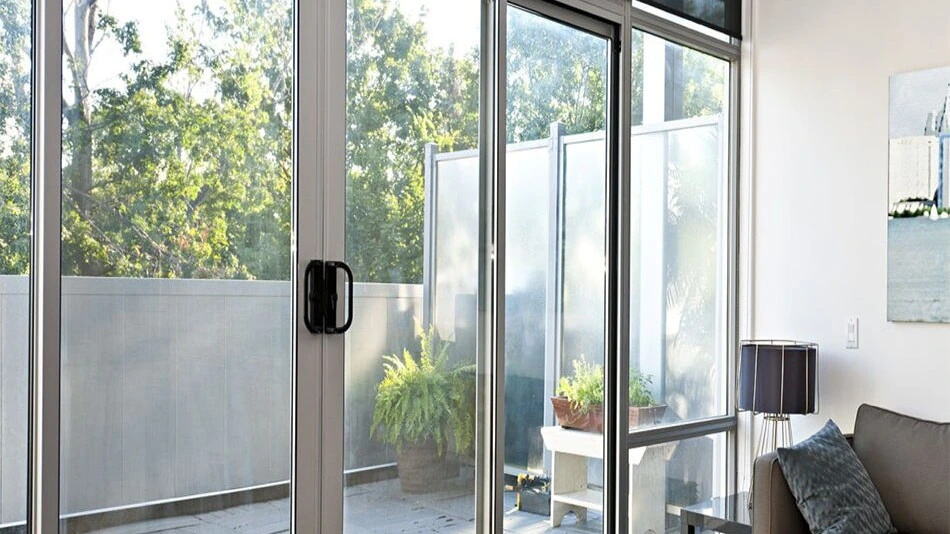
The construction industry has witnessed a significant shift toward personalized architectural elements, with custom aluminium door fabrication emerging as a cornerstone of modern building design. Architects and builders increasingly recognize that standard door solutions cannot meet the diverse aesthetic and functional requirements of contemporary projects. Custom aluminium door fabrication offers unprecedented flexibility in design, allowing for the creation of entrance solutions that perfectly complement unique architectural visions while maintaining superior performance characteristics.
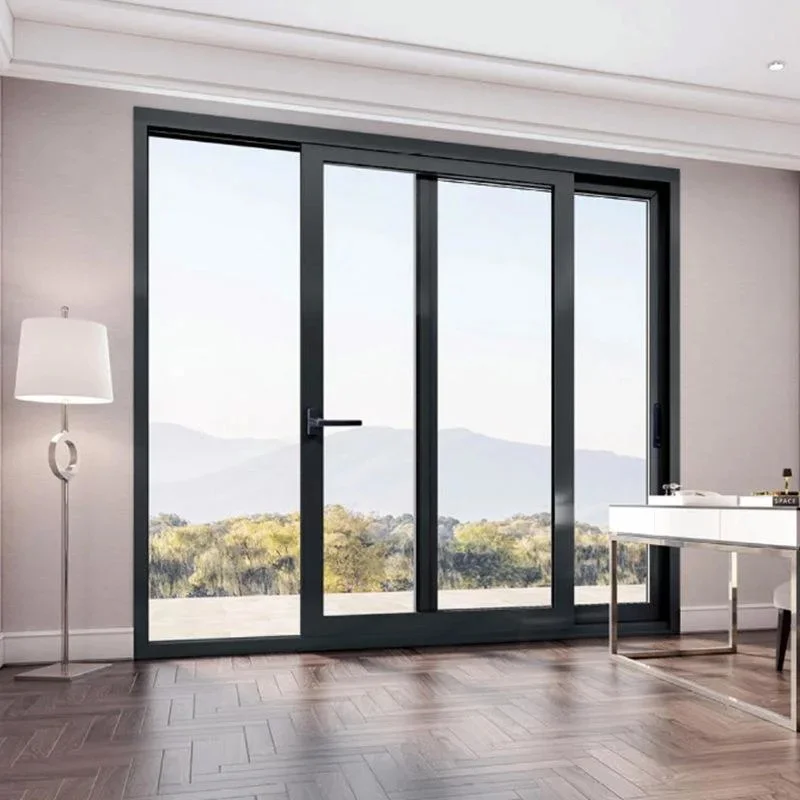
Modern architectural projects demand entrance solutions that balance aesthetic appeal with practical functionality. Custom aluminium door fabrication addresses this need by providing tailored solutions that meet specific project requirements. The versatility of aluminium as a material, combined with advanced fabrication techniques, enables the creation of doors that seamlessly integrate with various architectural styles, from minimalist contemporary designs to elaborate traditional facades.
The evolution of custom aluminium door fabrication has been driven by technological advancements in manufacturing processes and increasing demand for energy-efficient building components. Today's fabrication methods allow for precise customization of dimensions, finishes, and hardware integration, ensuring that each door meets exact specifications while maintaining structural integrity and weather resistance.
Advanced Manufacturing Techniques in Aluminium Door Production
Precision Engineering Methods
Contemporary custom aluminium door fabrication relies on sophisticated engineering processes that ensure dimensional accuracy and structural performance. Computer-aided design systems enable manufacturers to create detailed specifications that account for thermal expansion, load-bearing requirements, and weatherproofing considerations. These precision engineering methods form the foundation of successful custom door projects, ensuring that fabricated doors meet architectural specifications while providing long-term reliability.
Advanced cutting technologies, including laser cutting and CNC machining, have revolutionized the accuracy achievable in custom aluminium door fabrication. These methods enable the creation of complex profiles and intricate design elements that would be impossible with traditional manufacturing techniques. The precision achieved through these technologies ensures perfect fit and finish, eliminating common installation issues associated with standard door products.
Quality Control and Testing Protocols
Professional custom aluminium door fabrication incorporates rigorous quality control measures throughout the manufacturing process. Each component undergoes thorough inspection to verify dimensional accuracy, surface finish quality, and structural integrity. Testing protocols evaluate performance under various environmental conditions, ensuring that fabricated doors will perform reliably in their intended applications.
Material certification processes verify that all aluminium components meet industry standards for strength, corrosion resistance, and durability. These quality assurance measures are essential for custom aluminium door fabrication projects, as deviations from specifications can compromise both aesthetic appeal and functional performance. Comprehensive testing includes thermal cycling, water penetration resistance, and structural load testing to validate design assumptions.
Design Flexibility and Customization Options
Architectural Integration Capabilities
One of the primary advantages of custom aluminium door fabrication is the ability to create entrance solutions that perfectly integrate with specific architectural designs. Fabricators can accommodate unusual dimensions, complex geometries, and unique aesthetic requirements that standard door products cannot address. This flexibility enables architects to maintain design integrity throughout their projects without compromising on entrance functionality or security.
Custom aluminium door fabrication allows for the incorporation of various glazing options, panel configurations, and hardware selections to match architectural themes. Whether the project requires sleek modern lines or ornate traditional details, skilled fabricators can translate design concepts into functional door systems. The adaptability of aluminium enables the creation of doors that complement materials such as stone, wood, or glass while maintaining weather resistance and security features.
Surface Treatment and Finishing Options
The range of surface treatments available in custom aluminium door fabrication provides extensive opportunities for aesthetic customization. Powder coating processes offer virtually unlimited color options, allowing doors to match or complement existing building elements. Anodizing treatments provide enhanced corrosion resistance while creating attractive surface textures and colors that integrate beautifully with contemporary architectural designs.
Specialized finishing techniques in custom aluminium door fabrication can replicate the appearance of other materials while maintaining aluminium's inherent advantages. Wood grain finishes, brushed metal effects, and textured surfaces expand design possibilities without sacrificing performance characteristics. These finishing options enable architects to achieve desired aesthetic effects while benefiting from aluminium's durability and low maintenance requirements.
Performance Characteristics and Technical Advantages
Structural Strength and Durability
Aluminium's exceptional strength-to-weight ratio makes it an ideal material for custom aluminium door fabrication in demanding applications. The material's inherent corrosion resistance ensures long-term performance without the maintenance requirements associated with steel doors. Properly fabricated aluminium doors can withstand extreme weather conditions while maintaining their structural integrity and aesthetic appearance for decades.
The lightweight nature of aluminium simplifies installation procedures while reducing structural loads on building frames. This characteristic is particularly advantageous in renovation projects where existing structures may not accommodate heavy door systems. Custom aluminium door fabrication can optimize wall thickness and reinforcement patterns to achieve required strength levels without excessive weight, enabling the creation of large entrance doors that operate smoothly and reliably.
Energy Efficiency and Environmental Performance
Modern custom aluminium door fabrication incorporates thermal break technology and advanced weatherproofing systems to achieve excellent energy efficiency ratings. These technical features reduce heat transfer through the door assembly, contributing to building energy conservation goals. Properly designed thermal barriers prevent condensation formation while maintaining comfortable interior temperatures, making custom aluminium doors suitable for high-performance building applications.
The sustainability aspects of custom aluminium door fabrication align with contemporary environmental consciousness in construction. Aluminium is completely recyclable without loss of properties, and the fabrication process can incorporate recycled content without compromising performance. The longevity of properly fabricated aluminium doors reduces replacement frequency, contributing to reduced environmental impact over the building's lifecycle.
Installation Considerations and Project Management
Site Preparation and Coordination
Successful custom aluminium door fabrication projects require careful coordination between design teams, fabricators, and installation crews. Accurate field measurements and detailed installation drawings ensure that fabricated doors will fit properly within the prepared openings. Site preparation must account for the specific requirements of custom doors, including proper alignment, weather sealing, and hardware mounting provisions.
Project scheduling for custom aluminium door fabrication must accommodate lead times for design development, manufacturing, and quality control processes. Coordination with other construction activities prevents delays and ensures that door installation occurs at the optimal point in the construction sequence. Proper project management minimizes costly modifications and ensures that custom doors integrate seamlessly with other building systems.
Installation Techniques and Best Practices
Professional installation of custom fabricated aluminium doors requires specialized techniques and experienced personnel. Proper anchor installation, weather barrier integration, and hardware adjustment are critical for achieving optimal performance. Installation crews must understand the specific requirements of custom doors, as standard installation procedures may not apply to unique configurations or specialized hardware systems.
Quality installation practices for custom aluminium door fabrication include thorough weatherproofing, proper adjustment of closing mechanisms, and verification of security features. Post-installation testing ensures that doors operate smoothly and meet performance specifications. Comprehensive installation documentation provides building owners with maintenance guidance and warranty information for their custom door systems.
Cost Considerations and Value Proposition
Investment Analysis and Long-term Value
While custom aluminium door fabrication typically involves higher initial costs than standard products, the long-term value proposition often justifies the investment. Custom doors provide perfect fit and finish, eliminating common problems associated with modified standard doors. The durability and low maintenance requirements of properly fabricated aluminium doors result in lower lifecycle costs compared to alternatives that require frequent maintenance or replacement.
The aesthetic and functional benefits of custom aluminium door fabrication contribute to overall building value and user satisfaction. Custom doors enhance curb appeal and architectural integrity, factors that influence property values and tenant satisfaction in commercial applications. The ability to achieve specific performance characteristics through custom fabrication often eliminates the need for additional modifications or upgrades, providing cost efficiency over the building's operational life.
Budget Planning and Cost Management
Effective cost management in custom aluminium door fabrication projects requires early engagement with fabricators to establish realistic budget parameters. Detailed specifications and clear performance requirements enable accurate cost estimation and prevent unexpected expenses during fabrication. Value engineering opportunities may identify cost-effective alternatives that maintain design intent while optimizing budget allocation.
Cost factors in custom aluminium door fabrication include material specifications, complexity of design, finishing requirements, and hardware selections. Understanding these variables enables informed decision-making during the design development process. Fabricators can provide cost guidance for various options, helping architects and owners optimize their investment in custom door systems while achieving desired aesthetic and performance outcomes.
FAQ
What factors determine the lead time for custom aluminium door fabrication projects
Lead times for custom aluminium door fabrication depend on design complexity, fabrication shop capacity, material availability, and finishing requirements. Typical projects require 6-12 weeks from approved drawings to delivery, though complex designs or specialized finishes may extend this timeline. Early engagement with fabricators and prompt approval of shop drawings help minimize delays.
How does custom aluminium door fabrication compare to modifying standard products
Custom fabrication provides superior fit, finish, and performance compared to modified standard doors. While modifications might seem cost-effective initially, they often compromise structural integrity and aesthetic quality. Custom fabrication ensures optimal performance and eliminates the compromises inherent in adapting standard products to unique applications.
What maintenance requirements apply to custom fabricated aluminium doors
Custom aluminium doors require minimal maintenance when properly fabricated and installed. Regular cleaning, lubrication of moving parts, and periodic inspection of weatherproofing components maintain optimal performance. The quality of fabrication and finishing directly influences maintenance requirements, with high-quality custom doors typically requiring less frequent service than standard products.
Can custom aluminium door fabrication accommodate specialized security requirements
Yes, custom fabrication enables integration of various security features including reinforced frames, specialized locking systems, and blast-resistant construction. Fabricators can work with security consultants to develop doors that meet specific threat levels while maintaining aesthetic requirements. Custom fabrication provides the flexibility to incorporate security features that standard products cannot accommodate.
Table of Contents
- Advanced Manufacturing Techniques in Aluminium Door Production
- Design Flexibility and Customization Options
- Performance Characteristics and Technical Advantages
- Installation Considerations and Project Management
- Cost Considerations and Value Proposition
-
FAQ
- What factors determine the lead time for custom aluminium door fabrication projects
- How does custom aluminium door fabrication compare to modifying standard products
- What maintenance requirements apply to custom fabricated aluminium doors
- Can custom aluminium door fabrication accommodate specialized security requirements