 EN
EN
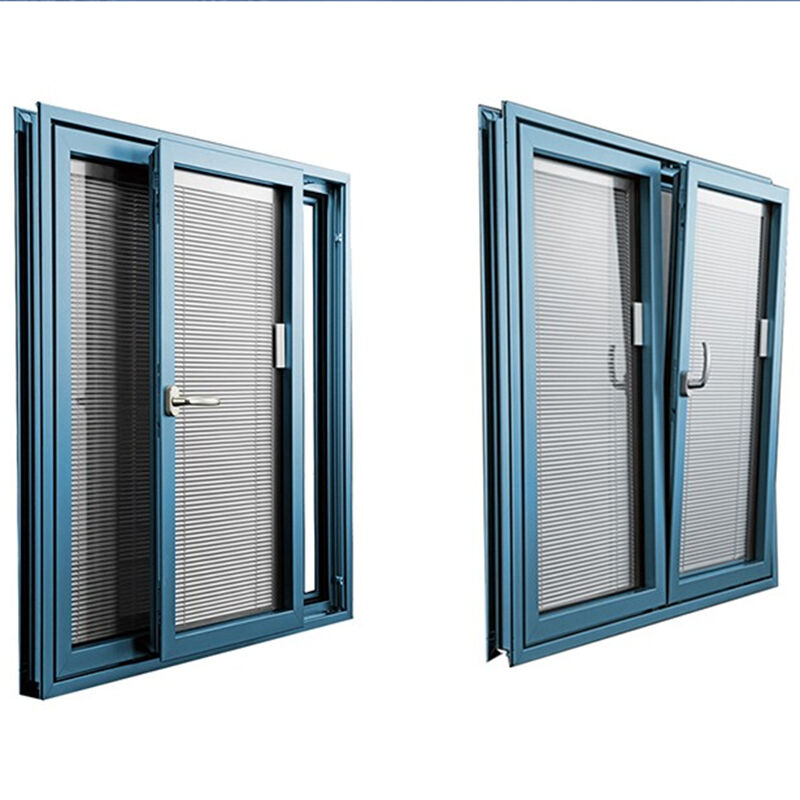
Modern commercial establishments require entrance solutions that balance security, aesthetics, and functionality. The aluminium glass door has emerged as a popular choice for shop owners seeking to create an inviting storefront while maintaining essential security features. These doors combine the strength of aluminum framing with the transparency of glass panels, offering businesses the perfect blend of visibility and protection. Understanding the key factors involved in selecting the right aluminium glass door for your shop can significantly impact both customer experience and business security.
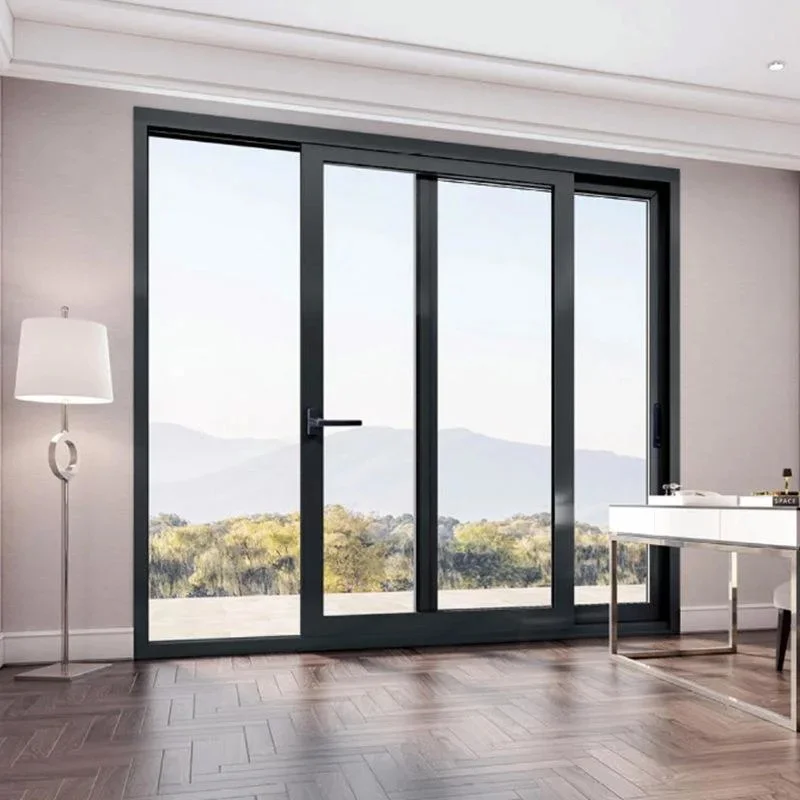
Security Features and Protection Standards
Advanced Locking Mechanisms
When evaluating security options for your commercial entrance, the locking system represents the first line of defense against unauthorized access. Premium aluminium glass door models incorporate multi-point locking systems that engage at multiple positions along the door frame, distributing force and making forced entry significantly more difficult. These sophisticated mechanisms often feature deadbolts, hook locks, and compression locks working in tandem to secure the entire door perimeter.
Electronic access control integration has become increasingly important for modern retail environments. Many advanced aluminium glass door systems now accommodate keypad entry, card readers, and even biometric scanners. This technology allows shop owners to grant access to authorized personnel while maintaining detailed entry logs for security monitoring. The combination of traditional mechanical locks with electronic systems provides redundancy and enhanced control over shop access.
Glass Security Standards
The glass component of your aluminium glass door requires careful consideration regarding security ratings and impact resistance. Laminated safety glass offers superior protection compared to standard tempered glass, as it maintains structural integrity even when cracked. This type of glazing consists of multiple glass layers bonded with interlayer materials that prevent complete penetration upon impact. For high-security applications, bullet-resistant glass options are available, though these significantly increase both weight and cost considerations.
Glazing thickness directly correlates with security performance, with options ranging from standard 6mm panels to heavy-duty 12mm or thicker configurations. The frame design must accommodate the chosen glass specifications while maintaining proper support and weatherproofing. Anti-shatter films can be applied to existing glass panels as an additional security measure, though purpose-built security glass provides superior long-term protection for valuable retail environments.
Material Quality and Durability Considerations
Aluminum Alloy Specifications
The structural foundation of any quality aluminium glass door lies in its aluminum alloy composition and manufacturing standards. Marine-grade aluminum alloys provide exceptional corrosion resistance, making them ideal for coastal locations or areas with harsh environmental conditions. These alloys maintain their structural integrity and appearance over extended periods, reducing maintenance requirements and replacement costs. The extrusion process used in manufacturing affects both strength and precision, with continuous extrusion methods producing superior dimensional accuracy.
Thermal breaks within the aluminum frame construction prevent heat transfer between interior and exterior surfaces, improving energy efficiency and reducing condensation issues. This feature becomes particularly important for climate-controlled retail environments where temperature stability affects both comfort and operational costs. Quality manufacturers employ polyamide thermal breaks that maintain structural connection while providing effective insulation properties throughout the door assembly.
Weather Resistance Properties
Commercial entrance doors must withstand continuous exposure to varying weather conditions while maintaining operational reliability. Premium aluminium glass door systems incorporate comprehensive weatherstripping and drainage systems designed to prevent water infiltration and air leakage. Multiple barrier sealing systems create redundant protection against moisture intrusion, which can damage internal components and compromise security hardware functionality.
Powder coating finishes provide long-lasting protection against UV radiation, chemical exposure, and mechanical wear. These factory-applied finishes offer superior durability compared to field-applied paint systems, maintaining color stability and surface integrity for decades under normal commercial use. The coating process involves electrostatically applied powder that is cured at high temperatures, creating a resilient surface that resists chipping, fading, and corrosion damage.
Design Flexibility and Aesthetic Integration
Customization Options
Modern retail environments demand entrance solutions that complement architectural themes while reflecting brand identity. The versatility of aluminium glass door systems allows extensive customization in terms of dimensions, configurations, and visual appearance. Single-door, double-door, and sidelight combinations can be configured to match specific opening requirements and traffic flow patterns. Frame profiles range from narrow sight lines that maximize glass area to substantial sections that emphasize structural presence.
Color matching capabilities enable precise coordination with existing architectural elements and corporate branding requirements. Powder coating technology supports virtually unlimited color options, including metallic finishes, textured surfaces, and custom color matching to specific requirements. Wood grain finishes applied over aluminum substrates provide the appearance of natural materials while maintaining the durability and low maintenance characteristics of metal construction.
Glass Panel Variations
The transparency and visual characteristics of glass panels significantly impact both security perception and aesthetic appeal. Clear glass maximizes visibility and creates an open, welcoming appearance that encourages customer entry. However, privacy concerns or security considerations may require tinted, frosted, or patterned glass options that maintain natural light transmission while limiting clear sight lines into the premises.
Decorative glass treatments can incorporate corporate logos, promotional graphics, or artistic elements that enhance brand recognition and visual appeal. Etched glass patterns, colored glass panels, and integrated LED lighting systems transform functional entrance doors into dynamic marketing tools. These features must be balanced against security requirements and maintenance considerations to ensure long-term functionality and appearance retention.
Installation and Maintenance Requirements
Professional Installation Standards
Proper installation represents a critical factor in achieving optimal performance from your aluminium glass door investment. Professional installers must ensure precise frame alignment, proper anchoring to structural elements, and comprehensive sealing against environmental intrusion. Measurement accuracy becomes particularly important given the tight tolerances required for security hardware operation and weatherproofing effectiveness. Site preparation may require structural modifications to accommodate frame dimensions and hardware requirements.
Building code compliance varies by jurisdiction and occupancy type, affecting everything from egress requirements to accessibility standards. Commercial installations must meet specific requirements for panic hardware, opening forces, and clear width dimensions. Fire rating requirements may necessitate specialized hardware and glazing materials that maintain security features while providing required emergency egress capabilities. Professional installers familiar with local codes ensure compliance while optimizing security and functionality.
Long-term Maintenance Protocols
Systematic maintenance extends the operational lifespan of aluminium glass door systems while maintaining security effectiveness and aesthetic appearance. Regular cleaning schedules should address both glass surfaces and aluminum components using appropriate cleaning agents that preserve protective coatings and prevent corrosion. Harsh chemicals or abrasive cleaning methods can damage protective finishes and compromise long-term durability, making proper maintenance procedures essential for warranty compliance.
Hardware lubrication and adjustment ensure smooth operation and prevent premature wear of mechanical components. Lock cylinders, hinges, and sliding mechanisms require periodic attention using manufacturer-recommended lubricants and adjustment procedures. Weatherstripping inspection and replacement maintain environmental sealing effectiveness, preventing moisture infiltration that can damage internal components and compromise thermal performance. Preventive maintenance programs typically prove more cost-effective than reactive repair approaches for commercial entrance systems.
Cost Analysis and Value Considerations
Initial Investment Factors
The financial investment required for quality aluminium glass door systems varies significantly based on security features, customization requirements, and performance specifications. Basic commercial-grade doors start at moderate price points but may lack advanced security features or aesthetic customization options required for upscale retail environments. Premium systems incorporating advanced locking mechanisms, specialized glazing, and custom finishes command higher initial costs but often provide superior long-term value through enhanced durability and reduced maintenance requirements.
Installation costs must be factored into total project budgets, particularly when structural modifications are required to accommodate new door systems. Professional installation ensures proper performance and warranty compliance but represents additional expense beyond material costs. However, improper installation can compromise security effectiveness and lead to costly repairs or replacements, making professional installation a worthwhile investment for commercial applications.
Long-term Return on Investment
Energy efficiency improvements achieved through quality aluminium glass door systems can generate measurable operational savings over time. Thermal break construction and proper weathersealing reduce heating and cooling loads, particularly in climate-controlled retail environments. These efficiency gains compound over years of operation, often offsetting higher initial costs through reduced utility expenses. Additionally, improved comfort levels can enhance customer experience and potentially increase sales performance.
Security enhancement provided by professional-grade door systems can reduce insurance premiums and minimize loss exposure from break-ins or vandalism. Insurance providers often offer discounts for premises equipped with certified security hardware and impact-resistant glazing. The combination of reduced premiums and loss prevention can provide quantifiable financial benefits that justify premium door system investments. Enhanced curb appeal and professional appearance may also contribute to increased property values and customer attraction.
FAQ
What security features should I prioritize when selecting an aluminium glass door for my shop
Priority security features include multi-point locking systems, laminated or tempered safety glass, reinforced frame construction, and quality hardware from reputable manufacturers. Consider electronic access control integration if you need detailed entry logging or remote access management. The specific security level should match your risk assessment and insurance requirements while balancing cost considerations with protection needs.
How do I determine the appropriate glass thickness and type for my commercial entrance
Glass selection depends on your security requirements, local building codes, and aesthetic preferences. Standard commercial applications typically use 6mm to 8mm tempered glass, while high-security environments may require 10mm or thicker laminated glass. Consult with a qualified door specialist who can assess your specific needs and recommend appropriate glazing options that meet both security and code requirements.
What maintenance is required to keep an aluminium glass door functioning properly
Regular maintenance includes cleaning glass and aluminum surfaces, lubricating hardware components, inspecting and replacing weatherstripping, and testing security mechanisms. Most manufacturers recommend quarterly inspections and annual professional service to maintain warranty coverage and ensure optimal performance. Proper maintenance prevents costly repairs and extends the operational lifespan of your door investment.
Can aluminium glass doors be customized to match my existing storefront design
Yes, modern aluminium glass door systems offer extensive customization options including frame colors, glass types, hardware finishes, and dimensional configurations. Custom powder coating can match virtually any color specification, while decorative glass options allow incorporation of logos or branding elements. Work with an experienced door manufacturer who can provide samples and renderings to ensure your custom door meets both aesthetic and functional requirements.
Table of Contents
- Security Features and Protection Standards
- Material Quality and Durability Considerations
- Design Flexibility and Aesthetic Integration
- Installation and Maintenance Requirements
- Cost Analysis and Value Considerations
-
FAQ
- What security features should I prioritize when selecting an aluminium glass door for my shop
- How do I determine the appropriate glass thickness and type for my commercial entrance
- What maintenance is required to keep an aluminium glass door functioning properly
- Can aluminium glass doors be customized to match my existing storefront design