 EN
EN
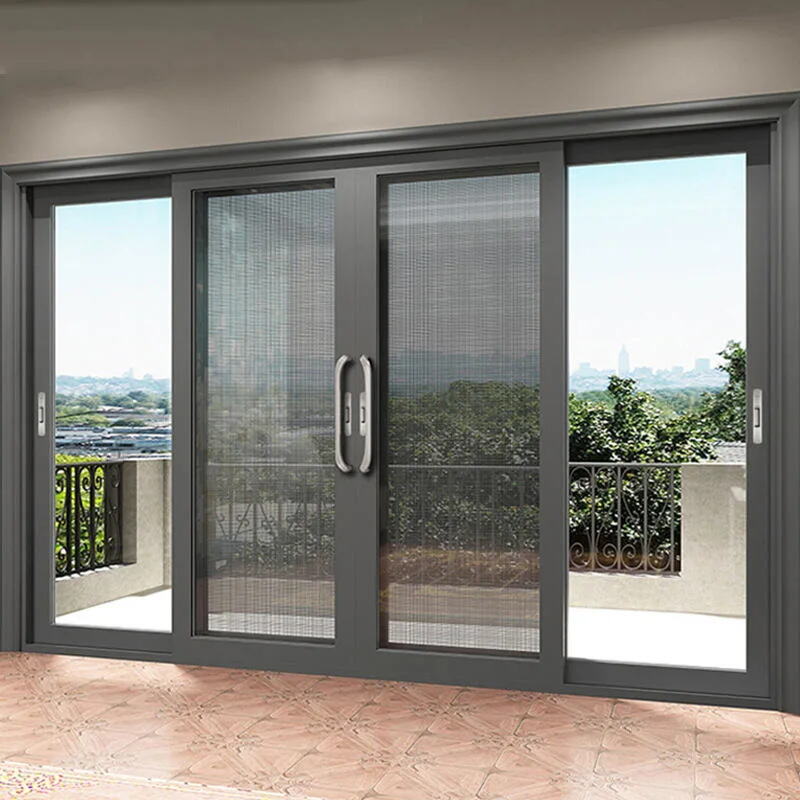
Modern commercial establishments require entrance solutions that combine durability, aesthetics, and security. The aluminium door has emerged as the preferred choice for shop fronts across various industries due to its exceptional properties and versatility. These doors offer superior resistance to corrosion, lightweight construction, and extensive customization options that make them ideal for retail environments. Understanding the different styles available helps business owners make informed decisions that align with their operational needs and brand image.
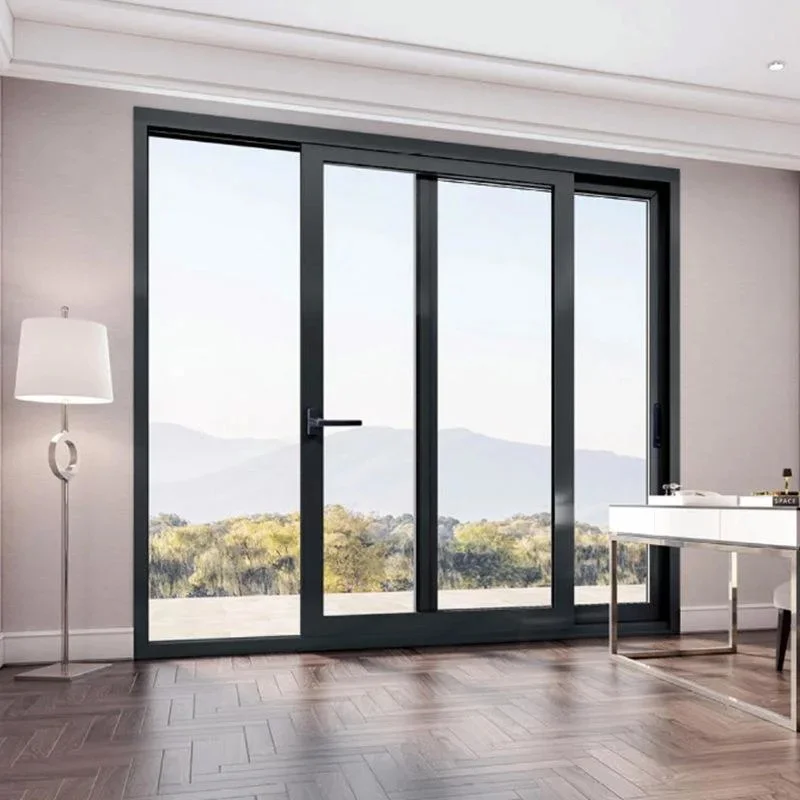
The selection of an appropriate aluminium door style significantly impacts customer perception, energy efficiency, and long-term maintenance costs. Shop owners must consider factors such as foot traffic patterns, climate conditions, security requirements, and architectural compatibility when evaluating different options. Each style offers unique advantages that cater to specific business types and operational environments.
Single Leaf Aluminium Door Systems
Standard Hinged Configuration
The single leaf aluminium door represents the most traditional and widely adopted configuration for smaller retail establishments. This design features a single panel that swings inward or outward, providing straightforward operation and reliable sealing properties. The hinged mechanism allows for smooth opening and closing while maintaining excellent thermal insulation when properly installed with quality weatherstripping systems.
These doors excel in environments where space constraints limit the installation of larger systems. Retail stores, cafes, and boutiques frequently choose this configuration due to its cost-effectiveness and minimal maintenance requirements. The aluminium frame construction ensures long-term durability while supporting various glazing options from clear glass to decorative panels.
Security Enhanced Models
Security-focused single leaf designs incorporate reinforced frames, multi-point locking systems, and impact-resistant glazing materials. These features provide enhanced protection against forced entry while maintaining the aesthetic appeal expected in commercial settings. The aluminium door construction allows for the integration of advanced security hardware without compromising the overall design integrity.
Business owners operating in high-risk areas or handling valuable merchandise particularly benefit from these enhanced security features. The robust construction methods used in premium models ensure reliable protection while presenting a professional appearance that instills customer confidence.
Double Leaf Door Configurations
French Style Opening Systems
Double leaf aluminium door systems provide wider openings suitable for establishments expecting high customer traffic or requiring easy movement of large items. The French style configuration features two panels that open from the center, creating an impressive entrance that enhances the visual impact of the storefront. This design maximizes the opening width while maintaining structural integrity through properly engineered frame systems.
The symmetrical appearance of French-style doors creates an elegant entrance that appeals to upscale retail environments, restaurants, and professional service establishments. The aluminium construction ensures both panels operate smoothly throughout their service life while providing excellent weather resistance and thermal performance.
Active and Passive Panel Combinations
Many double leaf systems utilize an active-passive configuration where one panel serves as the primary entrance while the second remains stationary during normal operations. This arrangement reduces energy loss during frequent use while providing the option to open both panels when circumstances require maximum clearance. The aluminium door construction supports sophisticated locking mechanisms that coordinate both panels seamlessly.
This configuration proves particularly valuable for businesses that occasionally need to move large merchandise or equipment through the entrance. The passive panel can be easily activated when needed, providing operational flexibility without compromising daily functionality or energy efficiency.
Sliding Door Systems
Manual Sliding Mechanisms
Manual sliding aluminium door systems offer space-efficient solutions for locations where traditional hinged doors would interfere with interior layouts or exterior walkways. These systems operate on precision-engineered track systems that ensure smooth, quiet operation throughout their service life. The aluminium construction provides the strength necessary to support large glass panels while maintaining manageable operating weights.
Retail environments with limited space particularly benefit from sliding configurations as they eliminate the swing radius required by hinged systems. The tracks can be mounted overhead or at floor level, depending on architectural requirements and aesthetic preferences. Modern sliding mechanisms incorporate weather sealing technologies that maintain thermal performance comparable to traditional door systems.
Automatic Sliding Solutions
Automated sliding aluminium door systems provide touchless operation that enhances customer experience while improving accessibility compliance. These systems incorporate sophisticated sensors that detect approaching individuals and activate smooth opening sequences. The aluminium frame construction supports the additional hardware required for automation while maintaining aesthetic appeal and structural integrity.
High-traffic retail establishments, medical facilities, and professional offices frequently choose automated systems to manage customer flow efficiently. The programmable control systems allow customization of opening speeds, hold times, and sensor sensitivity to match specific operational requirements.
Folding Door Systems
Bi-fold Configurations
Bi-fold aluminium door systems create expansive openings by folding panels against one another in accordion-style operation. This configuration maximizes the connection between interior and exterior spaces, making it ideal for restaurants, cafes, and retail establishments seeking to create seamless indoor-outdoor environments. The aluminium construction provides the strength and weather resistance necessary for reliable operation in various climatic conditions.
The engineering requirements for bi-fold systems demand precision manufacturing to ensure proper panel alignment and smooth operation throughout the folding sequence. Quality aluminium door systems incorporate heavy-duty hardware and weather sealing technologies that maintain performance standards even with frequent operation.
Multi-Panel Folding Systems
Advanced folding systems incorporate multiple panels that create even larger openings when fully deployed. These configurations require sophisticated engineering to manage the weight distribution and ensure reliable operation across all panels. The aluminium construction allows for the creation of large glazed areas while maintaining structural integrity and weather resistance.
Establishments such as showrooms, galleries, and event venues particularly benefit from multi-panel systems that can transform entire wall sections into open passages. The operational flexibility provided by these systems enables dynamic space utilization that adapts to changing business needs.
Specialized Design Features
Glazing Options and Configurations
Modern aluminium door systems support extensive glazing options that impact both functionality and aesthetic appeal. Clear glass maximizes visibility and natural light transmission, while tinted or reflective glazing provides privacy and solar heat control. The structural properties of aluminium frames accommodate various glass thicknesses and specialized glazing technologies including low-emissivity coatings and laminated safety glass.
The choice of glazing significantly affects energy performance, security levels, and maintenance requirements. Business owners must evaluate these factors alongside aesthetic preferences to select glazing that optimizes long-term operational costs while meeting functional requirements.
Hardware and Finishing Options
The versatility of aluminium door construction enables integration of various hardware styles and finishes that complement architectural designs. Powder coating technologies provide durable color finishes that resist fading and corrosion while supporting extensive color matching capabilities. Anodized finishes offer natural aluminum appearances with enhanced surface hardness and corrosion resistance.
Hardware options range from basic operational components to sophisticated electronic access control systems. The structural strength of aluminium frames supports heavy-duty hardware installations that ensure reliable long-term operation while maintaining aesthetic appeal.
Performance Considerations
Thermal Efficiency Characteristics
Thermal performance represents a critical consideration for aluminium door selection as it directly impacts energy costs and interior comfort levels. Modern aluminium door systems incorporate thermal break technologies that interrupt heat transfer through the frame while maintaining structural integrity. These engineering solutions significantly improve insulation properties compared to traditional continuous aluminum construction.
The glazing selection works in conjunction with frame thermal performance to determine overall energy efficiency. Double or triple glazing systems with appropriate gas fills and low-emissivity coatings maximize thermal resistance while the aluminium frame provides structural support for these advanced glazing technologies.
Weather Resistance and Durability
The inherent corrosion resistance of aluminium makes it particularly suitable for door applications in coastal environments or areas with harsh weather conditions. Unlike steel alternatives, aluminium door systems maintain structural integrity and appearance without requiring regular painting or rust prevention treatments. This characteristic significantly reduces long-term maintenance costs and ensures consistent operation throughout the service life.
Quality weather sealing systems integrated into aluminium door designs prevent water infiltration, air leakage, and dust penetration. These sealing technologies must accommodate the thermal expansion characteristics of aluminium while maintaining effectiveness throughout temperature cycles and aging processes.
Installation and Maintenance Requirements
Professional Installation Considerations
Proper installation of aluminium door systems requires specialized knowledge of frame alignment, weather sealing, and hardware adjustment procedures. The dimensional stability of aluminium allows for precise manufacturing tolerances, but installation accuracy remains critical for optimal performance. Professional installers must understand thermal expansion characteristics and incorporate appropriate clearances to prevent binding or seal failure.
The installation process typically involves structural modifications to accommodate the aluminium door system, requiring coordination with building codes and accessibility requirements. Quality installation ensures proper operation, energy efficiency, and longevity while maintaining warranty coverage.
Ongoing Maintenance Protocols
Aluminium door systems require minimal maintenance compared to alternative materials, but regular attention ensures optimal performance and appearance retention. Routine cleaning with appropriate products maintains the finish while inspection of weather seals, hardware adjustment, and lubrication prevents minor issues from developing into costly problems.
The maintenance requirements vary based on environmental conditions, usage frequency, and specific hardware configurations. Coastal locations may require more frequent cleaning due to salt exposure, while high-traffic applications benefit from regular hardware inspection and adjustment.
Cost Analysis and Value Considerations
Initial Investment Factors
The initial cost of aluminium door systems varies significantly based on size, complexity, hardware specifications, and finishing requirements. While premium systems command higher upfront investments, the long-term value proposition often favors quality construction that minimizes maintenance costs and provides reliable operation throughout extended service lives.
Budget considerations must include installation costs, potential structural modifications, and any required permits or inspections. The modular nature of many aluminium door systems allows for phased installations or future modifications that can help manage initial costs while providing expansion flexibility.
Long-term Value Proposition
The durability and low maintenance requirements of aluminium door systems provide compelling long-term value compared to alternatives that require regular painting, replacement, or repair. Energy efficiency improvements resulting from quality thermal performance can offset initial costs through reduced heating and cooling expenses over the system lifetime.
The aesthetic longevity of quality aluminium door installations maintains property values while the reliability reduces business disruption costs associated with door failures or maintenance downtime. These factors contribute to total cost of ownership calculations that often favor aluminium door solutions despite higher initial investments.
FAQ
What factors should be considered when selecting an aluminium door style for a shop front
Key factors include foot traffic volume, security requirements, space constraints, energy efficiency goals, and aesthetic preferences. The door style should complement the architectural design while providing appropriate functionality for the specific business type. Consider future expansion plans and accessibility requirements when making the selection.
How do different aluminium door styles compare in terms of energy efficiency
Energy efficiency depends on thermal break technology, glazing specifications, and weather sealing quality rather than the door style itself. However, styles with fewer moving parts and better sealing capabilities generally provide superior thermal performance. Sliding and folding systems may have slightly higher air leakage rates compared to well-sealed hinged doors.
What maintenance differences exist between various aluminium door styles
Sliding and folding systems require more frequent track cleaning and hardware maintenance due to their mechanical complexity. Hinged aluminium door styles typically need only periodic hardware lubrication and weather seal inspection. Automated systems require additional attention to sensors, motors, and control systems to ensure reliable operation.
How do security features vary across different aluminium door styles
Security capabilities depend more on hardware specifications and glazing choices than door style. However, single and double leaf hinged doors generally accept the widest range of security hardware options. Sliding and folding systems may have limitations on certain high-security locking mechanisms but can incorporate alternative security measures such as impact-resistant glazing and reinforced frames.
Table of Contents
- Single Leaf Aluminium Door Systems
- Double Leaf Door Configurations
- Sliding Door Systems
- Folding Door Systems
- Specialized Design Features
- Performance Considerations
- Installation and Maintenance Requirements
- Cost Analysis and Value Considerations
-
FAQ
- What factors should be considered when selecting an aluminium door style for a shop front
- How do different aluminium door styles compare in terms of energy efficiency
- What maintenance differences exist between various aluminium door styles
- How do security features vary across different aluminium door styles