 EN
EN

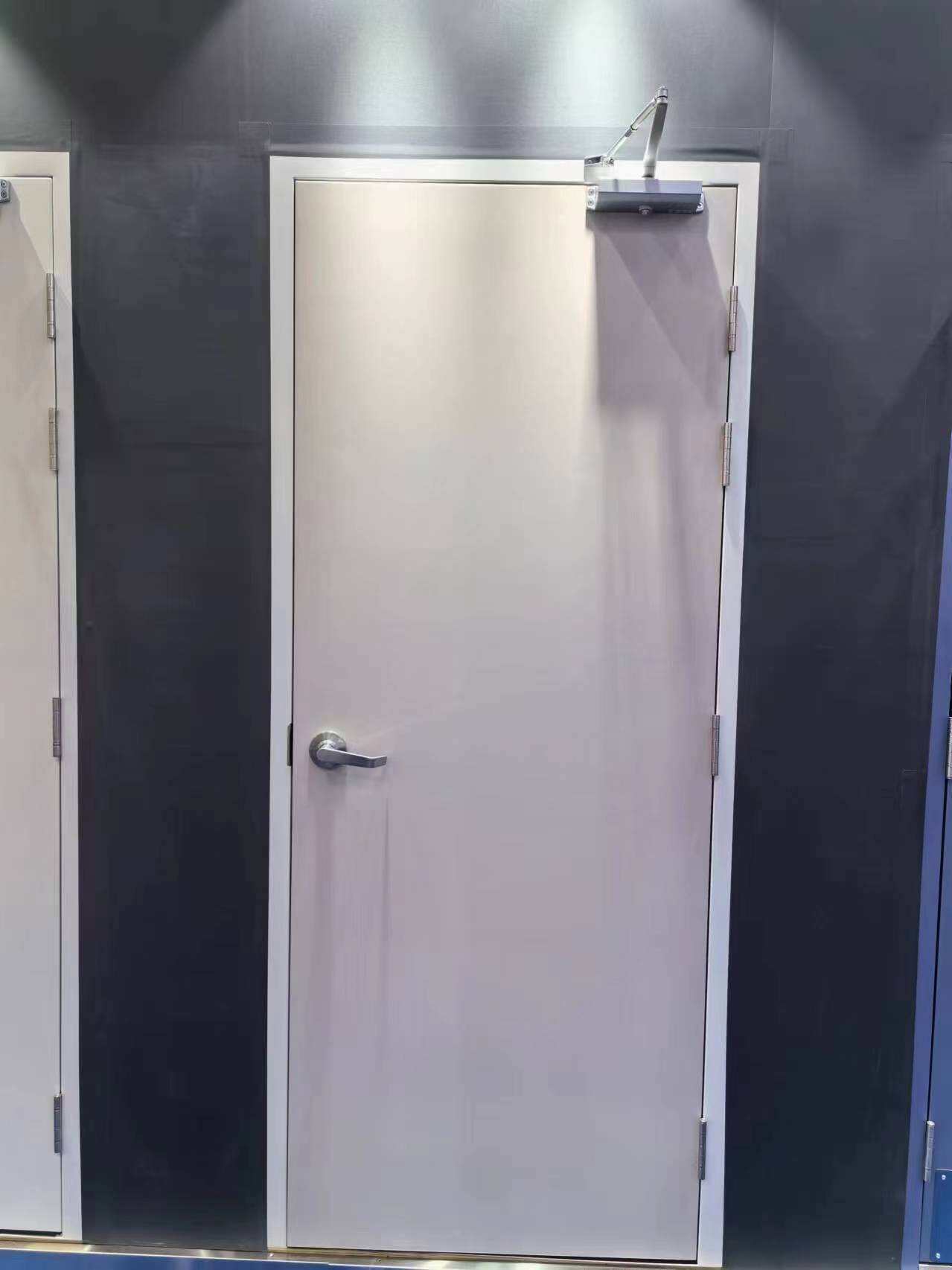
When building owners and architects plan construction projects requiring specialized fire safety solutions, understanding the lead time and process for custom fire doors becomes crucial for project timeline management. Custom fire doors represent a significant investment in building safety infrastructure, requiring careful coordination between manufacturers, installers, and construction teams. The complexity of manufacturing custom fire doors involves multiple stages of design, testing, certification, and quality control that directly impact delivery schedules. Project managers must account for these extended timelines when developing construction schedules, as custom fire doors cannot be rushed without compromising safety standards and regulatory compliance.
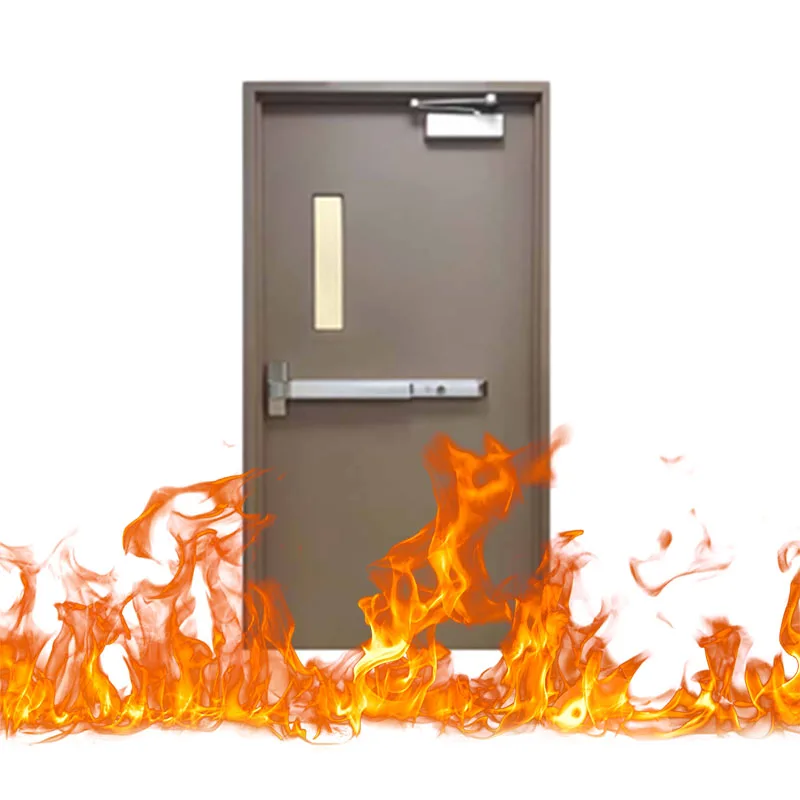
Understanding Custom Fire Door Manufacturing Timelines
Initial Design and Specification Phase
The manufacturing process for custom fire doors begins with detailed design specifications that must align with building codes and fire safety requirements. Engineers work closely with architects to ensure that custom fire doors meet specific dimensional requirements while maintaining structural integrity and fire resistance ratings. This initial phase typically requires two to three weeks for complex projects, as manufacturers must analyze architectural drawings, conduct site surveys, and develop detailed technical specifications. The design team evaluates factors such as door size, hardware requirements, glazing options, and environmental conditions that may affect performance.
During this specification phase, manufacturers also conduct thorough reviews of applicable building codes and fire safety regulations to ensure compliance. Custom fire doors must meet stringent requirements for fire resistance ratings, smoke control, and structural performance under emergency conditions. The design team collaborates with testing laboratories to verify that proposed specifications will pass required certification tests. This collaborative approach helps prevent costly delays during later manufacturing stages by identifying potential compliance issues early in the process.
Material Procurement and Quality Verification
Once design specifications are finalized, manufacturers begin procuring specialized materials required for custom fire doors production. High-quality steel, fire-resistant core materials, and certified hardware components must be sourced from approved suppliers who maintain strict quality standards. Material procurement typically adds two to four weeks to the overall timeline, depending on material availability and supplier lead times. Manufacturers maintain relationships with multiple suppliers to ensure consistent material availability and reduce potential delays caused by supply chain disruptions.
Quality verification processes are implemented throughout material procurement to ensure that all components meet specified performance standards. Steel sheets undergo thickness verification, chemical composition analysis, and surface quality inspections before acceptance into production inventory. Fire-resistant core materials are tested for thermal properties, density specifications, and moisture content to guarantee consistent performance in finished products. Hardware components including hinges, locks, and closing mechanisms are inspected for dimensional accuracy and operational performance before installation on custom fire doors.
Production and Manufacturing Processes
Fabrication and Assembly Operations
The actual fabrication of custom fire doors involves precision cutting, welding, and assembly operations that require skilled technicians and specialized equipment. Manufacturing teams follow detailed work instructions that specify tolerances, welding procedures, and quality checkpoints throughout the production process. Fabrication typically requires three to five weeks for standard custom fire doors, with additional time needed for complex configurations or special features. Each door frame is carefully measured and cut to exact specifications, ensuring proper fit and alignment during installation.
Assembly operations involve installing fire-resistant core materials, applying protective coatings, and mounting hardware components according to engineering specifications. Skilled technicians use specialized welding techniques to ensure structural integrity while maintaining fire resistance properties throughout the door assembly. Quality control inspectors monitor each assembly step to verify compliance with manufacturing standards and customer specifications. The assembly process includes installation of glazing systems, ventilation louvers, and specialized hardware that may be required for specific applications.
Testing and Certification Requirements
Custom fire doors must undergo rigorous testing procedures to verify fire resistance ratings and structural performance before shipment to construction sites. Testing laboratories conduct standardized fire tests that subject doors to controlled temperature conditions while monitoring structural integrity and smoke leakage. These certification tests typically require two to three weeks to complete, including test setup, actual testing, and results documentation. Manufacturers work closely with accredited testing facilities to schedule tests and ensure compliance with applicable standards.
The certification process also includes documentation reviews to verify that manufacturing processes, materials, and quality control procedures meet regulatory requirements. Testing laboratories issue formal certification documents that specify fire resistance ratings, approved applications, and installation requirements for custom fire doors. These certifications are essential for building code compliance and must be provided to building officials during construction permit processes. Manufacturers maintain detailed records of all testing and certification activities to support future inspections and warranty claims.
Installation Planning and Coordination
Site Preparation and Scheduling
Successful installation of custom fire doors requires careful coordination between manufacturers, general contractors, and specialized installation teams. Site preparation activities must be completed before door delivery to ensure proper storage and protection of finished products. Installation teams conduct pre-installation surveys to verify opening dimensions, structural conditions, and access routes for delivery equipment. These preparation activities typically require one to two weeks and are critical for preventing installation delays and potential damage to custom fire doors during handling.
Scheduling coordination involves aligning door delivery with construction milestones and trade contractor activities to minimize conflicts and delays. Installation teams work with project managers to identify optimal installation windows that allow adequate time for proper installation and testing procedures. Weather conditions, building security requirements, and crane availability are factors that influence installation scheduling decisions. Proper planning ensures that custom fire doors are installed efficiently while maintaining quality standards and safety protocols.
Installation Procedures and Quality Assurance
Professional installation of custom fire doors requires specialized knowledge of fire door systems, building codes, and manufacturer specifications. Installation teams use precision equipment to ensure proper alignment, clearances, and hardware operation throughout the installation process. Each installation step is documented to provide verification of compliance with manufacturer requirements and building code provisions. Installation typically requires one to two days per door, depending on complexity and site conditions.
Quality assurance procedures include comprehensive testing of door operation, hardware function, and sealing performance after installation completion. Installation teams verify that custom fire doors close properly, latch securely, and maintain required clearances around the entire perimeter. Smoke seal integrity is tested using approved methods to ensure compliance with compartmentalization requirements. Final inspections include documentation of installation procedures, testing results, and any adjustments made during the installation process.
Factors Affecting Lead Times
Project Complexity and Customization Requirements
The complexity of custom fire doors directly impacts manufacturing lead times, with highly specialized configurations requiring additional design, testing, and production time. Projects involving oversized doors, complex glazing systems, or specialized hardware can add several weeks to standard production schedules. Manufacturers must allocate additional engineering resources for complex projects to ensure that all performance requirements are met without compromising safety standards. Custom fire doors with unique architectural features or special performance requirements may require prototype development and testing before full production begins.
Integration requirements with building automation systems, access control, or other building systems can significantly extend project timelines. Custom fire doors equipped with electronic hardware, monitoring systems, or specialized controls require additional coordination with system integrators and testing procedures. These integration requirements often necessitate factory testing and commissioning activities that add time to the overall delivery schedule. Manufacturers work closely with system integrators to minimize delays while ensuring proper functionality of all integrated components.
Regulatory Approval and Code Compliance
Building code requirements and regulatory approval processes can significantly impact lead times for custom fire doors, particularly for projects in jurisdictions with unique requirements or stringent review procedures. Some jurisdictions require pre-approval of custom fire doors before installation, adding weeks to project schedules for document review and approval processes. Manufacturers must maintain current knowledge of building codes and regulatory requirements across different jurisdictions to anticipate potential delays and plan accordingly.
Changes in building codes or fire safety standards during project development can necessitate design modifications and additional testing for custom fire doors. Manufacturers monitor regulatory developments and communicate potential impacts to customers early in the project timeline. Proactive communication helps project teams adjust schedules and budgets to accommodate necessary changes while maintaining compliance with current standards. Code compliance verification often requires coordination with multiple stakeholders including architects, code officials, and testing laboratories.
Project Management Best Practices
Early Planning and Specification Development
Successful custom fire doors projects begin with early engagement between manufacturers, architects, and project managers during the design development phase. Early planning allows sufficient time for design optimization, material selection, and manufacturing scheduling that minimizes project delays. Project teams should establish clear communication protocols and milestone schedules that account for all phases of custom fire doors development and installation. Regular progress meetings help identify potential issues before they impact critical project timelines.
Specification development should include detailed performance requirements, dimensional constraints, and installation requirements that guide manufacturing decisions. Clear specifications help prevent misunderstandings and reduce the need for design changes during manufacturing phases. Project teams should also establish contingency plans for potential delays caused by material shortages, testing issues, or regulatory changes. Proactive planning and clear communication are essential for successful delivery of custom fire doors within project schedules and budgets.
Vendor Selection and Contract Management
Selecting qualified manufacturers with proven experience in custom fire doors is critical for project success and timeline adherence. Project teams should evaluate manufacturer capabilities, quality systems, and project management processes during vendor selection. References from similar projects provide valuable insights into manufacturer performance and reliability. Contract terms should clearly define delivery schedules, performance standards, and responsibilities for both parties throughout the project lifecycle.
Contract management practices should include regular progress monitoring, quality milestone reviews, and proactive communication about potential schedule impacts. Manufacturers should provide detailed project schedules that identify critical milestones and dependencies that may affect delivery timelines. Regular progress reports help project teams monitor manufacturing progress and coordinate with other construction activities. Effective contract management ensures that all parties understand expectations and responsibilities throughout the custom fire doors delivery process.
FAQ
What is the typical lead time for standard custom fire doors
Standard custom fire doors typically require 8 to 12 weeks from order confirmation to delivery, depending on project complexity and manufacturer capacity. This timeline includes design specification, material procurement, manufacturing, testing, and quality assurance processes. Projects with special requirements or complex configurations may require additional time for engineering analysis and testing procedures. Manufacturers recommend placing orders early in construction schedules to ensure adequate lead time for proper manufacturing and installation coordination.
How can project delays be minimized during custom fire doors procurement
Project delays can be minimized through early engagement with manufacturers, clear specification development, and proactive project management practices. Establishing detailed project schedules with realistic milestones helps identify potential issues before they impact critical timelines. Regular communication between manufacturers, contractors, and project managers ensures that all parties understand requirements and dependencies. Contingency planning for potential material shortages or regulatory changes helps maintain project momentum despite unforeseen challenges.
What factors most significantly impact custom fire doors manufacturing schedules
Manufacturing schedules are most significantly impacted by project complexity, material availability, testing requirements, and regulatory approval processes. Complex custom fire doors with specialized features require additional engineering time and may necessitate prototype development before full production. Material shortages or quality issues can delay production starts and extend manufacturing timelines. Testing and certification requirements add fixed time periods that cannot be compressed without compromising safety standards and regulatory compliance.
When should custom fire doors be ordered in relation to construction schedules
Custom fire doors should typically be ordered 4 to 6 months before required installation dates to allow adequate time for all manufacturing and delivery processes. Early ordering provides flexibility for design optimization and helps ensure material availability during peak construction seasons. Project teams should coordinate door ordering with construction milestones to ensure that building openings are ready for installation when doors arrive on site. Late ordering often results in expediting fees and may compromise quality if manufacturing processes are rushed to meet tight deadlines.