 EN
EN

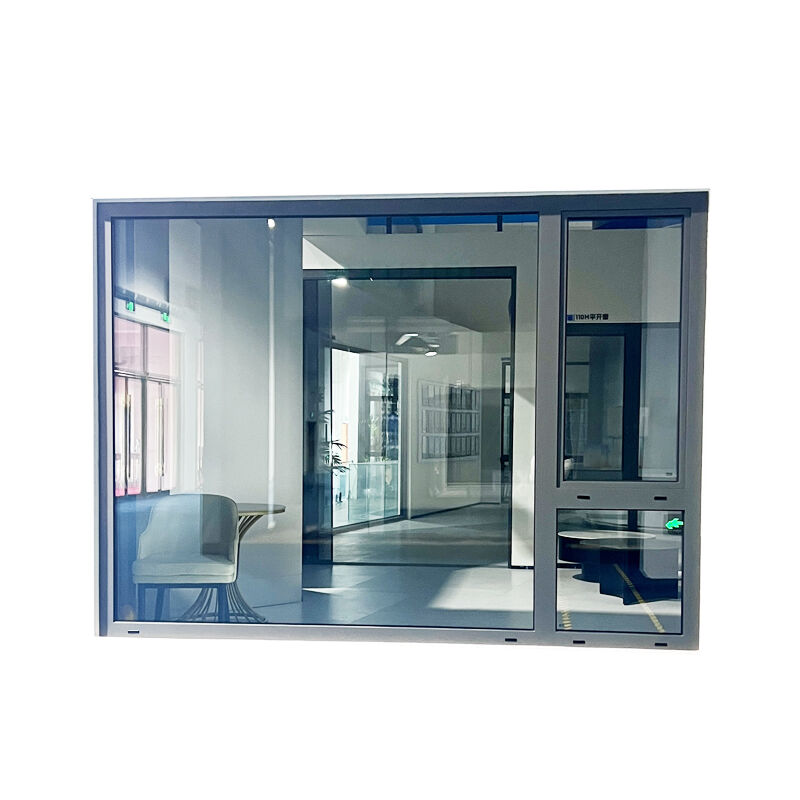
Fire safety regulations have become increasingly stringent across commercial and industrial buildings, making proper installation and sealing of double fire doors a critical component of any comprehensive fire protection system. When it comes to double fire door configurations, the astragal and sealing requirements play a fundamental role in maintaining fire ratings and ensuring life safety compliance. Understanding these requirements is essential for architects, contractors, and facility managers who must specify and maintain fire-rated door systems that meet both local building codes and national fire safety standards.
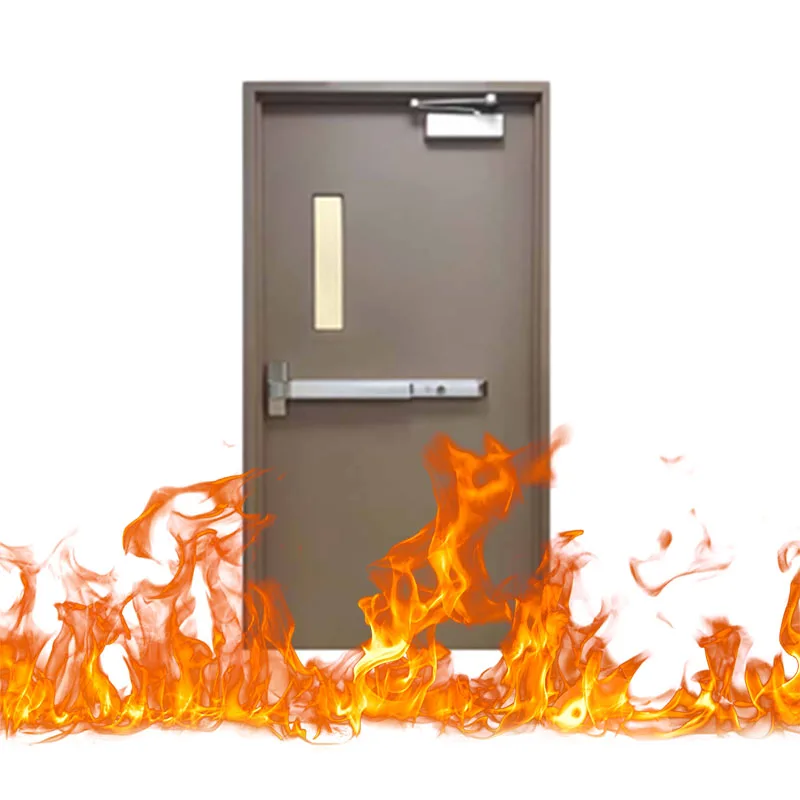
Double fire doors present unique challenges compared to single door installations because they require specialized hardware and sealing systems to maintain their fire rating when both leaves are closed. The astragal serves as the primary interface between the two door leaves, creating a continuous seal that prevents smoke and flame penetration. This component must be carefully selected and installed according to manufacturer specifications to ensure the entire door assembly maintains its tested fire rating. Modern steel fire door systems incorporate advanced sealing technologies that expand when exposed to heat, creating an even more effective barrier against fire spread.
The complexity of double fire door sealing systems extends beyond simple weatherstripping, requiring specialized intumescent materials and precise installation techniques. Fire protection engineers must consider factors such as door leaf alignment, hardware compatibility, and building movement when specifying astragal and sealing systems. These considerations become even more critical in high-rise buildings where structural movement and environmental conditions can affect door performance over time. Proper documentation and testing verification ensure that installed systems will perform as intended during actual fire emergencies.
Astragal Design and Fire Rating Compliance
Intumescent Astragal Systems
Intumescent astragal systems represent the most advanced approach to sealing double fire doors, utilizing materials that expand when exposed to elevated temperatures. These systems typically incorporate graphite-based compounds that can expand up to twenty times their original volume when heated, effectively sealing gaps that might otherwise allow smoke and flame passage. The steel fire door industry has embraced these technologies because they provide superior performance compared to traditional mechanical sealing methods while maintaining ease of operation under normal conditions.
Installation of intumescent astragal systems requires careful attention to manufacturer specifications, including proper routing depths, adhesive application, and environmental protection during curing. The astragal housing must be precisely machined to accommodate the intumescent material while providing adequate structural support for daily door operation. Quality control during installation includes verification of material compatibility, proper adhesion, and correct dimensional tolerances to ensure optimal performance during fire exposure.
Mechanical Astragal Configuration
Mechanical astragal systems rely on physical contact between door leaves to create effective sealing, typically incorporating spring-loaded components or compression materials. These systems often feature adjustable elements that accommodate building settlement and door alignment variations over time. The steel fire door applications frequently utilize heavy-duty mechanical astragals that can withstand the weight and operational forces associated with large fire-rated doors while maintaining consistent sealing pressure.
Proper mechanical astragal selection considers factors such as door weight, frequency of use, environmental conditions, and required fire rating duration. Installation procedures must address proper alignment, adjustment mechanisms, and long-term maintenance requirements. Regular inspection and adjustment of mechanical astragal systems ensure continued compliance with fire rating requirements and optimal door operation throughout the building lifecycle.
Sealing System Integration and Performance
Perimeter Sealing Requirements
Effective perimeter sealing around double fire doors requires comprehensive integration of head, jamb, and sill sealing systems with the astragal assembly. Each sealing component must be compatible with adjacent elements to prevent gaps that could compromise fire resistance. The steel fire door frame design often incorporates rabbeted stops and compression sealing surfaces that work in conjunction with door-mounted sealing systems to create multiple barriers against smoke and flame penetration.
Installation of perimeter sealing systems demands precise measurement and cutting to ensure proper fit and compression. Sealing materials must maintain their properties across the expected temperature range while providing adequate compression to accommodate normal building movement. Corner details require special attention, as these locations are particularly susceptible to seal failure if not properly executed according to tested configurations.
Smoke Sealing Performance Standards
Smoke sealing performance for double fire doors is measured according to specific test standards that evaluate air leakage rates under simulated fire conditions. These tests establish maximum allowable leakage rates that ensure effective smoke compartmentalization during fire emergencies. The steel fire door assemblies must demonstrate compliance through laboratory testing that replicates actual installation conditions and operational stresses.
Meeting smoke sealing performance standards requires careful coordination between all sealing system components, including proper installation techniques and quality control procedures. Field testing methods allow verification of installed performance, providing assurance that laboratory test results translate to actual building conditions. Documentation of smoke sealing compliance becomes critical for building code approval and ongoing fire safety certification.
Installation Techniques and Quality Control
Pre-Installation Planning and Coordination
Successful installation of astragal and sealing systems for double fire doors begins with comprehensive pre-installation planning that addresses structural requirements, hardware coordination, and access logistics. Installation teams must verify frame dimensions, door leaf alignment, and hardware mounting locations before beginning sealing system installation. The steel fire door specifications should include detailed installation drawings and material compatibility information to ensure proper system integration.
Coordination with other building trades becomes essential when installing fire door sealing systems, particularly regarding electrical connections for magnetic hold-open devices and access control integration. Environmental conditions during installation can affect adhesive curing and material performance, requiring careful scheduling and temporary protection measures. Pre-installation meetings ensure all stakeholders understand their responsibilities and the critical nature of proper sealing system installation.
Field Testing and Verification Procedures
Field testing of installed astragal and sealing systems provides verification that performance meets design specifications and regulatory requirements. Testing procedures typically include visual inspection, dimensional verification, and functional testing under simulated operational conditions. The steel fire door assemblies undergo specific tests to verify proper leaf alignment, sealing compression, and astragal engagement throughout the door operating cycle.
Documentation of field testing results creates an essential record for building code compliance and warranty validation. Testing protocols should address both initial installation verification and ongoing maintenance requirements. Regular testing schedules help identify potential issues before they compromise fire protection performance, ensuring continued compliance throughout the building lifecycle.
Maintenance and Long-Term Performance
Scheduled Inspection Requirements
Maintaining optimal performance of astragal and sealing systems requires implementation of scheduled inspection programs that address both visual assessment and functional testing. Inspection protocols should identify common failure modes such as seal deterioration, astragal misalignment, and hardware wear that can compromise fire protection effectiveness. The steel fire door systems require particular attention to heavy-duty hardware components that experience high operational stresses in commercial applications.
Inspection documentation provides essential records for regulatory compliance and helps establish maintenance schedules based on actual performance data. Training programs for maintenance personnel ensure proper identification of potential issues and appropriate corrective actions. Early detection of sealing system problems allows for proactive maintenance that prevents more costly repairs and ensures continuous fire protection compliance.
Replacement and Upgrade Considerations
Sealing system replacement and upgrades must maintain compatibility with existing door assemblies while potentially improving performance through advanced materials and technologies. Replacement planning should consider the remaining service life of other door components to optimize maintenance investments. The steel fire door industry continues developing improved sealing technologies that offer better performance and longer service life compared to earlier systems.
Upgrade opportunities often arise during major building renovations or when fire code requirements change, providing chances to implement enhanced sealing systems that exceed minimum compliance standards. Cost-benefit analysis of replacement versus repair decisions should consider factors such as warranty coverage, performance improvements, and long-term maintenance requirements. Proper documentation of replacement activities ensures continued code compliance and warranty protection.
Regulatory Compliance and Code Requirements
National Fire Protection Association Standards
National Fire Protection Association standards provide comprehensive guidance for astragal and sealing system requirements in double fire door applications. These standards establish minimum performance criteria, installation requirements, and testing procedures that ensure consistent fire protection effectiveness across different building types and occupancies. The steel fire door manufacturers must demonstrate compliance through rigorous testing programs that validate system performance under specified fire exposure conditions.
Compliance with NFPA standards requires careful attention to listed assemblies and approved installation methods that have been validated through laboratory testing. Field modifications or substitutions that deviate from tested configurations can void fire ratings and create liability issues. Regular updates to NFPA standards reflect evolving fire protection technologies and lessons learned from fire incident investigations.
Local Building Code Integration
Local building codes often incorporate additional requirements beyond national standards, reflecting regional conditions and specific safety concerns. Code officials play a crucial role in interpreting requirements and ensuring proper application to specific building projects. The steel fire door installations must satisfy both model code requirements and local amendments that may impose more stringent standards.
Building code compliance verification requires coordination between designers, installers, and code enforcement officials throughout the construction process. Documentation of compliance becomes essential for occupancy approvals and ongoing building operations. Regular code updates require ongoing education for all stakeholders involved in fire door system specification and installation.
FAQ
What is the primary function of an astragal in double fire door systems
An astragal serves as the sealing interface between two door leaves in double fire door configurations, creating a continuous barrier that prevents smoke and flame penetration when both doors are closed. The astragal system must maintain its sealing effectiveness throughout the rated fire exposure duration while allowing normal door operation under everyday conditions. Modern astragal designs incorporate intumescent materials that expand when heated, providing enhanced sealing performance during fire emergencies.
How often should astragal and sealing systems be inspected for proper function
Astragal and sealing systems should undergo comprehensive inspection at least annually, with more frequent checks recommended for high-traffic installations or critical fire separation locations. Monthly visual inspections can identify obvious problems such as damaged sealing materials or misaligned astragals that require immediate attention. The steel fire door systems in industrial environments may require more frequent inspection due to harsh operating conditions that can accelerate wear and deterioration.
Can astragal systems be retrofitted to existing double fire door installations
Retrofitting astragal systems to existing double fire doors is possible but requires careful evaluation of door construction, hardware compatibility, and fire rating maintenance. The retrofit process must utilize listed components and follow tested installation procedures to ensure continued fire rating compliance. Professional assessment by qualified fire protection specialists helps determine the feasibility and requirements for successful astragal system retrofits.
What are the consequences of improperly installed or maintained sealing systems
Improperly installed or maintained sealing systems can result in fire rating failure, allowing rapid smoke and flame spread that compromises building occupant safety and property protection. Building code violations may result in occupancy restrictions, insurance complications, and legal liability for building owners. The steel fire door systems require proper maintenance to ensure continued performance, as failed sealing can negate the fire resistance of even properly constructed door assemblies.
Table of Contents
- Astragal Design and Fire Rating Compliance
- Sealing System Integration and Performance
- Installation Techniques and Quality Control
- Maintenance and Long-Term Performance
- Regulatory Compliance and Code Requirements
-
FAQ
- What is the primary function of an astragal in double fire door systems
- How often should astragal and sealing systems be inspected for proper function
- Can astragal systems be retrofitted to existing double fire door installations
- What are the consequences of improperly installed or maintained sealing systems