 EN
EN

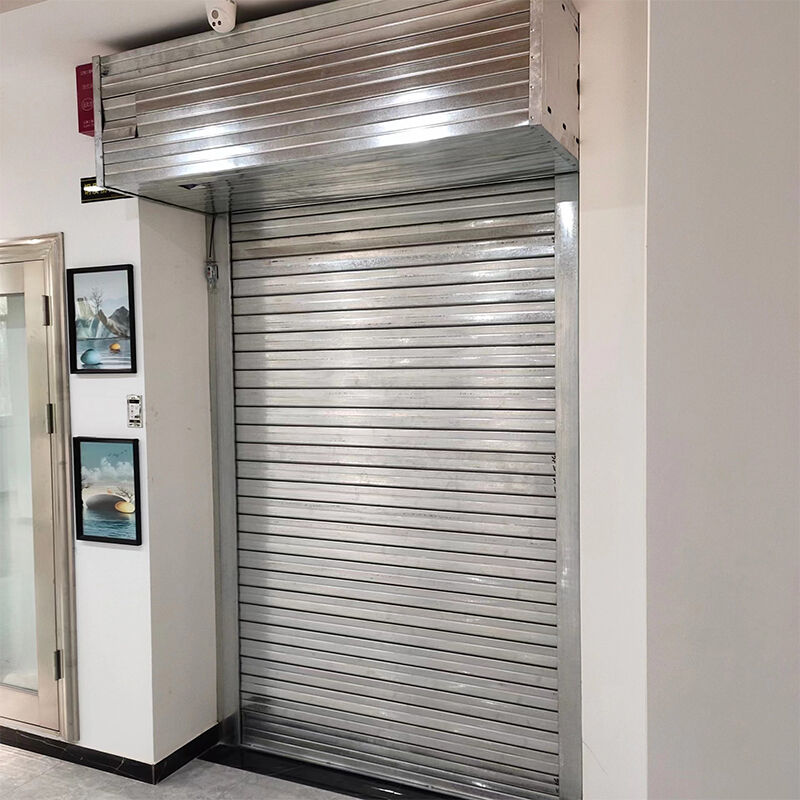
Fire safety regulations have evolved significantly in recent decades, with building codes becoming increasingly stringent regarding egress and compartmentalization. Among the most critical components of any fire protection system are double fire doors, which serve as essential barriers that prevent the spread of flames, smoke, and toxic gases throughout a structure. These specialized door assemblies require precise installation, proper sealing mechanisms, and coordinated hardware systems to function effectively during emergency situations.
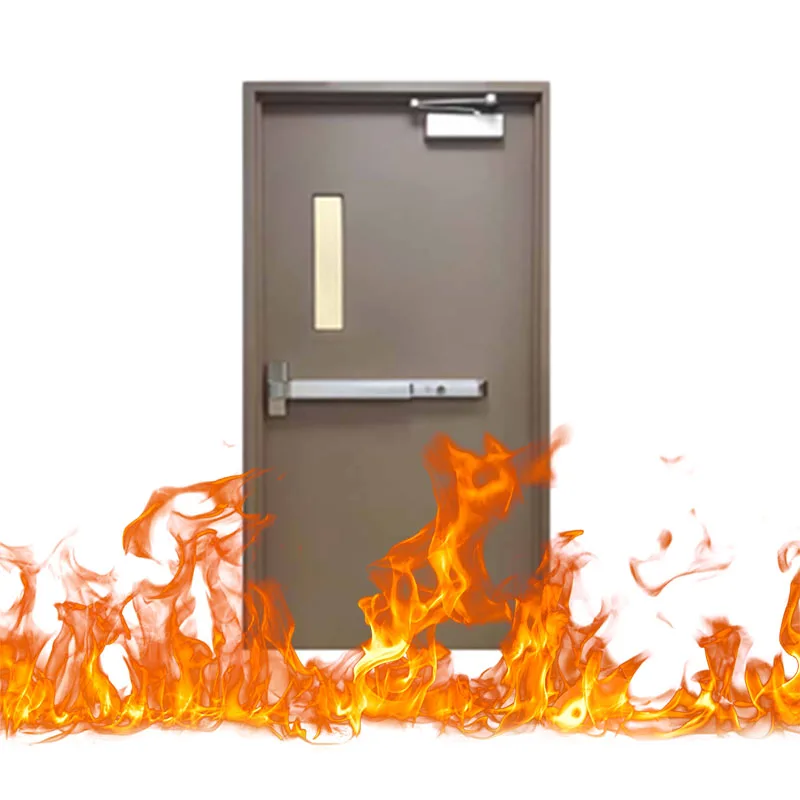
The complexity of double fire doors extends beyond simple door installation, requiring comprehensive understanding of fire-rated assemblies, gasket systems, and hardware coordination. Building owners, facility managers, and construction professionals must ensure that these critical safety components meet all applicable codes while providing reliable performance when lives depend on their proper operation. Modern double fire doors incorporate advanced materials and engineering principles that enhance their protective capabilities while maintaining ease of use during normal building operations.
Understanding the intricate relationship between sealing systems and hardware components is crucial for anyone involved in fire door specification, installation, or maintenance. The effectiveness of double fire doors relies heavily on the seamless integration of multiple systems working together to create an impenetrable barrier against fire and smoke infiltration.
Understanding Double Fire Door Assembly Components
Core Structural Elements
The foundation of effective double fire doors begins with their core structural components, which must withstand extreme temperatures while maintaining dimensional stability. Steel fire doors typically feature honeycomb cores or mineral fiber insulation that provides exceptional fire resistance ratings. The door frames require equal attention, as they must accommodate the expansion and contraction that occurs during fire exposure while maintaining proper clearances for sealing systems.
Frame construction plays a pivotal role in overall door assembly performance, with welded steel frames providing superior structural integrity compared to mechanical fastening methods. The frame design must accommodate not only the door panels themselves but also the various hardware components, weatherstripping, and sealing mechanisms that ensure proper fire ratings. Professional installation requires precise measurement and alignment to ensure that double fire doors operate smoothly while maintaining their protective capabilities.
Material selection for door panels significantly impacts long-term performance and compliance with fire safety standards. High-quality steel construction with appropriate gauge thickness provides the necessary strength and fire resistance, while specialized coatings and finishes enhance durability and appearance. The integration of vision panels, when required, must be carefully executed using fire-rated glazing materials that maintain the overall assembly rating.
Hardware Integration Requirements
Coordinated hardware systems are essential for double fire doors to function properly during both normal operations and emergency conditions. The hardware schedule must account for all components including hinges, closing devices, panic hardware, and locking mechanisms, ensuring that each element is appropriately fire-rated and compatible with the overall door assembly. Proper hardware coordination prevents conflicts between different systems while maintaining code compliance.
Hinge selection requires careful consideration of load capacity, fire rating, and operational requirements, with continuous hinges often preferred for heavy-duty applications. The number and spacing of hinges must be calculated based on door weight and size, ensuring adequate support throughout the door's operational life. Security hardware integration must be balanced with life safety requirements, particularly regarding egress and emergency access provisions.
Closing mechanisms for double fire doors require sophisticated coordination to ensure proper sequencing and latching. Coordinator hardware ensures that doors close in the correct sequence, preventing interference between panels while maintaining proper sealing. These systems must be adjusted precisely to account for door weight, air pressure differentials, and operational frequency while maintaining reliable performance over time.
Sealing Systems and Weatherproofing Technologies
Intumescent Seal Applications
Intumescent sealing systems represent the most advanced technology available for double fire doors, expanding when exposed to heat to create an effective barrier against smoke and flame penetration. These specialized materials are typically installed in grooves routed into door frames and panels, providing a nearly invisible seal during normal operations that activates automatically during fire conditions. The selection of appropriate intumescent materials depends on the specific fire rating requirements and environmental conditions.
Installation of intumescent seals requires precise routing and fitting to ensure proper expansion characteristics and longevity. The depth and width of seal grooves must be carefully controlled to prevent over-compression or inadequate contact during normal door operation. Quality intumescent seals maintain their effectiveness over many years when properly installed, but require periodic inspection to ensure continued compliance with fire safety standards.
Advanced intumescent technologies now incorporate multiple expansion rates and activation temperatures, allowing for customized fire protection solutions. Some systems include smoke sealing capabilities that activate at lower temperatures, providing enhanced protection against toxic gas infiltration. The integration of these systems with traditional weatherstripping creates comprehensive sealing solutions that address both fire safety and energy efficiency concerns.
Smoke Seal Integration
Smoke sealing technology has evolved significantly to address the deadly threat of toxic gas infiltration during fire events, with modern double fire doors incorporating sophisticated seal designs that activate at relatively low temperatures. These systems often work in conjunction with intumescent seals to provide comprehensive protection throughout the temperature range of a typical fire event. The coordination between different seal types requires careful planning and installation to prevent interference or reduced effectiveness.
Perimeter sealing systems must address not only the obvious gaps around door panels but also the more subtle infiltration paths that can develop over time due to building settlement or thermal cycling. Modern smoke seals incorporate flexible materials that accommodate normal building movement while maintaining their sealing integrity. The selection of appropriate seal profiles depends on the specific gap dimensions and operational requirements of the double fire doors.
Testing and validation of smoke seal systems requires sophisticated measurement techniques to verify their effectiveness under simulated fire conditions. Independent testing laboratories evaluate seal performance using standardized protocols that simulate real-world fire scenarios, ensuring that installed systems will perform as expected during actual emergencies. Regular maintenance and inspection of smoke sealing systems helps ensure continued effectiveness throughout the building's operational life.
Hardware Coordination and Operational Mechanics
Closing Device Sequencing
The operational sequence of double fire doors requires sophisticated coordination to ensure proper closing and latching during emergency conditions, with closing devices typically configured to allow the active leaf to close first, followed by the inactive leaf. This sequencing prevents binding and ensures complete closure of both door panels. Modern closing systems incorporate adjustable timing mechanisms that can be fine-tuned for specific installation requirements and environmental conditions.
Coordinator hardware plays a crucial role in maintaining proper closing sequence, using mechanical linkages or electronic controls to manage door panel interaction. These systems must be robust enough to function reliably under varying environmental conditions while remaining sensitive enough to respond appropriately to different opening forces. The adjustment of coordinator systems requires specialized knowledge and tools to ensure optimal performance without compromising safety or accessibility requirements.
Backup systems and fail-safe mechanisms are increasingly important in modern double fire doors, providing redundant closing capability in the event of primary system failure. These systems may include spring-loaded mechanisms, magnetic hold-open devices with automatic release, or electronic monitoring systems that alert facility managers to potential issues. The integration of these backup systems must be carefully planned to avoid conflicts with primary hardware while maintaining code compliance.
Panic Hardware and Security Integration
Panic hardware installation on double fire doors requires careful consideration of egress requirements, security needs, and fire safety compliance, with modern systems offering sophisticated solutions that balance all three concerns. Exit devices must be coordinated between door panels to ensure simultaneous operation while maintaining proper latching and security functions. The selection of appropriate panic hardware depends on building occupancy classification, security requirements, and accessibility compliance needs.
Electronic access control integration with double fire doors has become increasingly sophisticated, allowing for centralized monitoring and control while maintaining life safety requirements. These systems must include appropriate fail-safe mechanisms that ensure doors remain functional during power outages or system failures. The coordination between electronic systems and mechanical hardware requires careful planning to prevent conflicts and ensure reliable operation under all conditions.
Security hardware selection for double fire doors must balance protection requirements with emergency egress needs, often requiring specialized consulting to ensure code compliance. Magnetic locking systems, when properly configured with fire alarm integration, can provide high-security capabilities while automatically releasing during emergency conditions. The installation and programming of these systems require expertise in both security and fire safety technologies to ensure proper coordination and compliance.
Installation Best Practices and Quality Control
Pre-Installation Planning
Successful installation of double fire doors begins with comprehensive pre-installation planning that addresses all aspects of the door assembly, from structural requirements to hardware coordination. Site surveys must evaluate existing conditions, including floor levelness, wall plumbness, and adequate clearances for proper door operation. The planning process should also consider future maintenance requirements and accessibility for service and inspection activities.
Coordination with other building systems is crucial during the planning phase, ensuring that double fire doors integrate properly with fire alarm systems, access control, and building automation systems. The scheduling of installation activities must account for the complexity of these coordination requirements while minimizing disruption to ongoing construction or building operations. Quality control checkpoints should be established throughout the planning process to verify that all requirements are properly addressed.
Material procurement and quality verification are essential elements of pre-installation planning, with all components requiring documentation of fire ratings and compliance with applicable standards. The coordination of material deliveries must account for proper storage and protection requirements, particularly for sealing materials and electronic components that may be sensitive to environmental conditions. Quality assurance procedures should include verification of all component specifications before installation begins.
Installation Procedures and Testing
The installation process for double fire doors requires adherence to manufacturer specifications and industry best practices, with each step carefully documented for quality assurance and code compliance purposes. Frame installation must achieve proper alignment and plumbness while maintaining specified clearances for door operation and sealing effectiveness. The use of appropriate fastening methods and anchoring systems is crucial for long-term performance and structural integrity.
Hardware installation requires precise positioning and adjustment to ensure proper coordination between all system components, with particular attention to closing device adjustment and coordinator timing. The installation sequence must be carefully planned to avoid conflicts between different hardware elements while maintaining access for adjustment and testing. Quality control testing should be performed at each installation milestone to verify proper operation and compliance with specifications.
Commissioning and final testing of double fire doors involves comprehensive evaluation of all system functions, including closing operation, sealing effectiveness, and hardware coordination. These tests should simulate actual operational conditions while verifying compliance with all applicable codes and standards. Documentation of testing results provides essential records for ongoing maintenance and code compliance verification throughout the building's operational life.
Maintenance and Compliance Management
Inspection Requirements
Regular inspection of double fire doors is mandated by most building codes and insurance requirements, with qualified personnel required to evaluate all aspects of door assembly performance and compliance. These inspections must address not only obvious operational issues but also subtle degradation of sealing systems, hardware alignment, and structural integrity. The frequency of inspections varies depending on building occupancy classification and local code requirements, but annual inspections are typically the minimum standard.
Inspection protocols should include detailed checklists that address all critical components of double fire doors, from basic operational testing to detailed examination of sealing systems and hardware coordination. Photographic documentation of inspection findings helps track changes over time and provides valuable records for maintenance planning and code compliance verification. The use of specialized testing equipment may be required to verify the effectiveness of smoke sealing systems and intumescent materials.
Documentation and record-keeping requirements for double fire doors are extensive, with many jurisdictions requiring detailed maintenance logs and inspection reports as part of ongoing code compliance. These records must be readily available for inspection by authorities having jurisdiction and should include all maintenance activities, component replacements, and performance testing results. Digital record-keeping systems can streamline this process while providing better organization and accessibility of critical information.
Preventive Maintenance Programs
Effective preventive maintenance programs for double fire doors focus on preserving the critical functions that ensure life safety compliance while extending the operational life of all system components. These programs typically include regular lubrication of hardware components, adjustment of closing devices and coordinators, and inspection of sealing systems for wear or damage. The scheduling of maintenance activities should account for building occupancy patterns to minimize disruption while ensuring that doors remain functional at all times.
Component replacement schedules should be based on manufacturer recommendations and observed performance patterns, with critical components such as closing devices and sealing systems receiving priority attention. The availability of replacement parts should be verified before components reach the end of their useful life, particularly for older door assemblies where components may be discontinued. Upgrade opportunities should be evaluated during maintenance activities to improve performance or reduce long-term maintenance requirements.
Training programs for maintenance personnel are essential for ensuring that double fire doors receive appropriate care and attention throughout their operational life. These programs should cover all aspects of door assembly operation, from basic adjustment procedures to complex troubleshooting and emergency repair techniques. The certification of maintenance personnel provides assurance that work is performed to appropriate standards and helps maintain compliance with warranty and code requirements.
FAQ
What are the key differences between single and double fire doors in terms of sealing requirements
Double fire doors require significantly more complex sealing systems than single doors due to the additional sealing surfaces where the two door panels meet. The center mullion area requires specialized intumescent and smoke seals that must coordinate with the individual door panel sealing systems. Additionally, double fire doors need coordinator hardware to ensure proper closing sequence, which affects the timing and effectiveness of seal activation during fire conditions.
How often should double fire doors be inspected and what components require the most attention
Most building codes require annual inspections of double fire doors, though high-traffic installations may need more frequent attention. The most critical components requiring regular inspection include intumescent and smoke sealing systems, closing device adjustment and coordinator timing, hardware alignment and operation, and the structural integrity of door panels and frames. Any signs of damage, wear, or improper operation should be addressed immediately to maintain fire rating compliance.
What role does hardware coordination play in the effectiveness of double fire doors during emergencies
Hardware coordination is absolutely critical for double fire doors to function properly during emergencies, as the doors must close in the correct sequence to prevent binding and ensure complete closure. Coordinator systems manage this sequence while closing devices provide the force necessary to overcome air pressure differentials and ensure positive latching. Proper coordination also ensures that panic hardware operates correctly under stress conditions when occupants may not be familiar with door operation procedures.
Can double fire doors be retrofitted with modern sealing and hardware systems
Retrofitting double fire doors with modern sealing and hardware systems is often possible but requires careful evaluation by qualified professionals to ensure compatibility and maintained fire ratings. The existing door frames must be assessed for their ability to accommodate new sealing systems, while hardware upgrades may require modifications to door preparation and frame reinforcement. Any retrofit work must be documented and tested to verify that the original fire rating is maintained or improved through the upgrade process.
Table of Contents
- Understanding Double Fire Door Assembly Components
- Sealing Systems and Weatherproofing Technologies
- Hardware Coordination and Operational Mechanics
- Installation Best Practices and Quality Control
- Maintenance and Compliance Management
-
FAQ
- What are the key differences between single and double fire doors in terms of sealing requirements
- How often should double fire doors be inspected and what components require the most attention
- What role does hardware coordination play in the effectiveness of double fire doors during emergencies
- Can double fire doors be retrofitted with modern sealing and hardware systems