 EN
EN

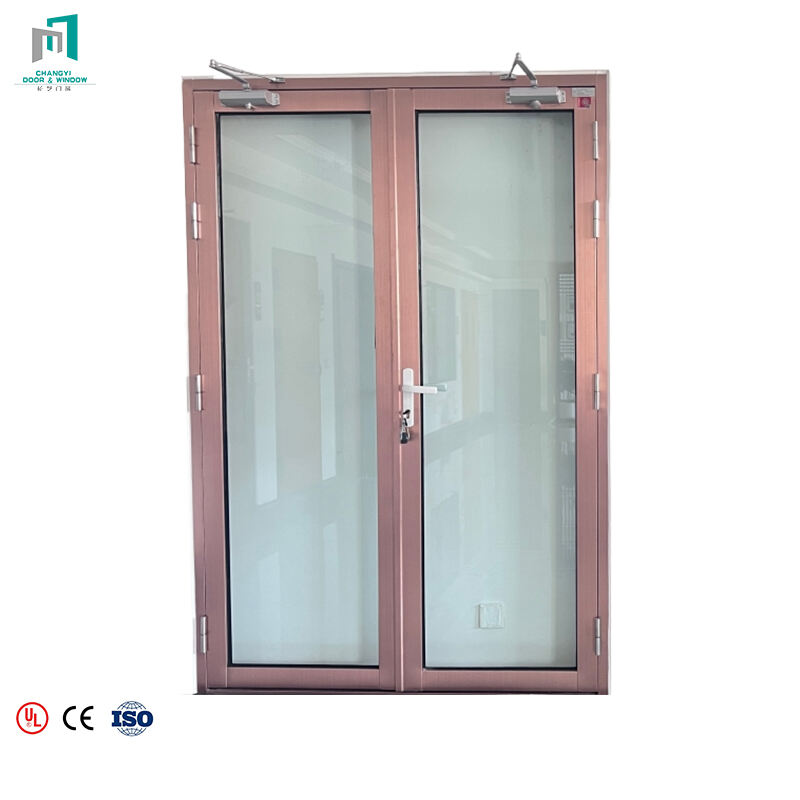
Building safety compliance requires meticulous attention to fire protection systems, and understanding how to properly verify your certified fire door meets all regulatory standards is crucial for facility managers and building owners. A certified fire door serves as a critical barrier against fire and smoke spread, but its effectiveness depends entirely on proper installation, maintenance, and ongoing compliance verification. The process of ensuring your fire door meets current safety codes involves multiple checkpoints, documentation reviews, and regular inspections that can seem overwhelming without proper guidance.
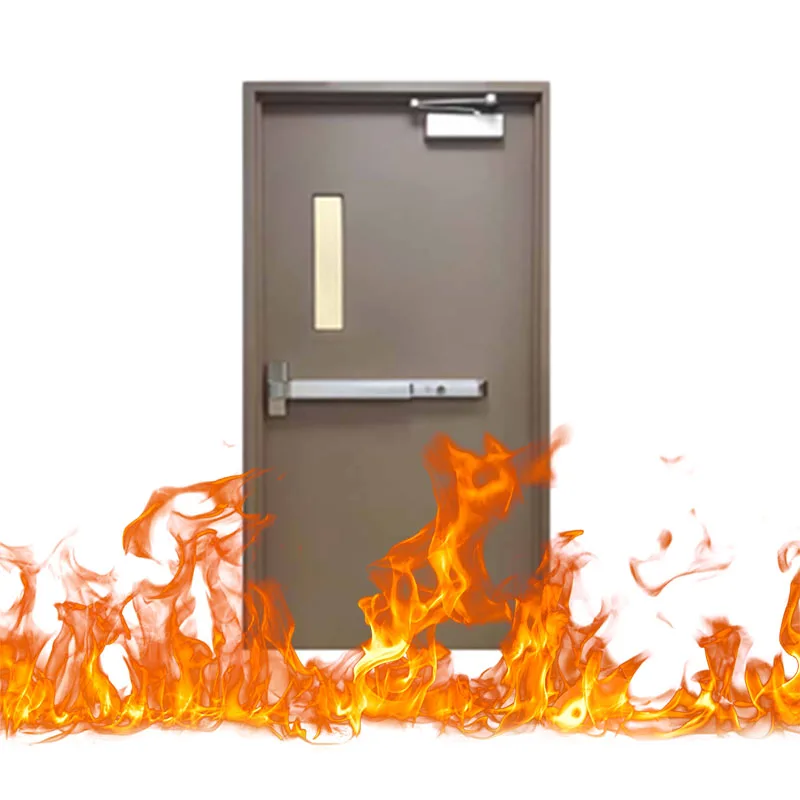
Fire door compliance verification extends beyond simply checking labels and certificates. Modern building codes require comprehensive documentation trails, periodic testing procedures, and adherence to specific installation standards that vary by jurisdiction and building type. Property managers who neglect proper verification protocols face significant liability exposure, potential code violations, and most importantly, compromised occupant safety during emergency situations. Understanding the complete verification process ensures your facility maintains the highest safety standards while avoiding costly compliance failures.
Understanding Fire Door Certification Standards
National Fire Protection Association Requirements
The National Fire Protection Association establishes comprehensive standards for fire door certification through NFPA 80, which governs installation, inspection, testing, and maintenance procedures. Every certified fire door must display proper labeling that indicates its fire rating, manufacturer information, and testing laboratory approval. These labels serve as primary verification tools, but understanding what each marking represents requires familiarity with current NFPA standards and local building code amendments.
NFPA compliance verification involves checking multiple components including door construction materials, frame assembly, hardware specifications, and gap measurements around the door perimeter. The certification process requires third-party testing by recognized laboratories such as Underwriters Laboratories or Intertek, ensuring each certified fire door meets stringent performance criteria under controlled fire exposure conditions. Documentation from these testing procedures must remain accessible throughout the door's service life for inspection purposes.
Local Building Code Variations
Building codes vary significantly between jurisdictions, creating additional complexity for certified fire door verification procedures. Local authorities having jurisdiction may impose stricter requirements than national standards, particularly in high-risk occupancies such as hospitals, schools, or high-rise buildings. Understanding these local variations requires consultation with building officials and regular updates on code amendments that could affect existing installations.
Code enforcement officials typically focus on specific aspects of fire door compliance including proper closing mechanisms, appropriate fire ratings for each application, and maintenance documentation. Some jurisdictions require annual inspections by certified technicians, while others mandate testing every three years depending on building occupancy classification. Staying current with local requirements ensures your certified fire door maintains compliance throughout changing regulatory landscapes.
Documentation and Labeling Verification
Certificate Authentication Process
Authentic certification documentation provides the foundation for proper fire door compliance verification, requiring careful examination of manufacturer certificates, testing reports, and installation records. Each certified fire door should include comprehensive documentation packages that trace the product from manufacturing through final installation, creating an audit trail that demonstrates compliance with applicable standards. Verification involves cross-referencing serial numbers, model designations, and fire ratings against original manufacturer specifications.
Certificate authentication also requires verifying the testing laboratory's accreditation status and ensuring test reports reflect current standards rather than obsolete requirements. Manufacturers occasionally update product specifications or testing procedures, making it essential to confirm documentation reflects the actual installed product configuration. Digital verification systems increasingly supplement paper documentation, providing real-time access to certification databases and streamlining the authentication process.
Label Inspection Techniques
Proper label inspection involves examining multiple identification markers typically located on the door edge, frame, and hardware components. A certified fire door displays specific labeling that includes fire rating duration, maximum temperature rise specifications, and approved testing laboratory identification. These labels must remain legible and permanently attached throughout the door's service life.
Label verification requires understanding various marking systems used by different manufacturers and testing laboratories, as formatting and placement standards have evolved over time. Older installations may display labels that appear different from current standards but remain valid if they met requirements at the time of installation. Photographing and cataloging label information creates permanent records that simplify future inspections and compliance demonstrations.
Physical Installation Assessment
Frame and Hardware Integration
Physical installation assessment begins with thorough examination of frame construction, ensuring proper attachment methods, appropriate materials, and correct dimensional specifications. The certified fire door frame must integrate seamlessly with surrounding wall systems while maintaining fire-resistant continuity throughout the assembly. Installation defects such as improper anchoring, inadequate fire-stopping materials, or incorrect clearance dimensions can compromise the entire system's effectiveness.
Hardware integration requires verification that all components including hinges, locks, closers, and exit devices carry appropriate fire ratings and installation approvals. Mixed hardware systems from different manufacturers must demonstrate compatibility through testing or engineering evaluations. Self-closing mechanisms require particular attention, as malfunctioning closers represent one of the most common compliance failures in certified fire door installations.
Gap Measurement and Sealing
Precise gap measurements around the entire door perimeter ensure proper sealing performance during fire conditions, as excessive clearances allow smoke and flame penetration that compromises occupant safety. Standard clearance specifications typically allow maximum gaps of 1/8 inch at the top and sides, with bottom clearances varying based on flooring materials and threshold configurations. These measurements require specialized gauges and systematic documentation procedures.
Sealing system verification involves checking gasket condition, proper compression, and continuity around the complete door perimeter. Intumescent seals expand when exposed to heat, creating tight seals that prevent smoke infiltration, but these materials degrade over time and require periodic replacement. Weather stripping, door sweeps, and other sealing components must maintain their integrity while allowing normal door operation throughout their service life.
Testing and Maintenance Procedures
Functional Testing Requirements
Regular functional testing ensures every certified fire door operates correctly under normal conditions while maintaining proper closing force and latching performance. Testing procedures include manual operation checks, closer adjustment verification, and hold-open device functionality where applicable. These tests must be documented with specific attention to closing time measurements, latching force requirements, and any operational deficiencies that could affect emergency performance.
Comprehensive testing also involves checking magnetic hold-open systems, emergency release mechanisms, and integration with fire alarm systems where installed. Electronic components require specialized testing procedures that verify proper signal transmission, backup power functionality, and fail-safe operation during power outages. Testing frequency varies by occupancy type and local requirements, typically ranging from monthly visual inspections to annual comprehensive evaluations.
Preventive Maintenance Protocols
Effective preventive maintenance protocols extend certified fire door service life while ensuring continued compliance with safety standards throughout the operational period. Maintenance activities include lubrication of moving parts, adjustment of closing mechanisms, replacement of worn components, and regular cleaning of door surfaces and hardware. Systematic maintenance scheduling prevents minor issues from developing into major compliance problems that require expensive corrections.
Documentation of all maintenance activities creates essential compliance records that demonstrate proper care and attention to fire door performance requirements. Maintenance logs should include specific details about work performed, parts replaced, adjustments made, and any identified deficiencies requiring future attention. Professional maintenance services often provide specialized expertise and certification documentation that satisfies insurance and regulatory requirements.
Common Compliance Issues and Solutions
Installation Defects and Corrections
Common installation defects in certified fire door systems include improper frame attachment, incorrect hardware installation, and inadequate fire-stopping around frame perimeters. These issues often stem from contractor unfamiliarity with fire door requirements or attempts to modify standard installation procedures without proper engineering approval. Correction procedures must restore the complete assembly to its original tested configuration while maintaining structural integrity.
Field modifications represent another significant source of compliance problems, as unauthorized alterations void certification and create liability exposure. Drilling additional holes, installing non-approved hardware, or modifying door dimensions requires engineering evaluation and potential recertification procedures. Professional installers certified in fire door installation provide essential expertise that prevents these costly compliance failures.
Maintenance-Related Compliance Failures
Deferred maintenance creates cascading compliance problems that can compromise entire fire protection systems, making proactive maintenance essential for continued certification validity. Common maintenance-related failures include malfunctioning closers, worn gaskets, damaged frames, and hardware deterioration that affects proper door operation. These issues often develop gradually, making regular inspection programs crucial for early detection and correction.
Maintenance-related compliance restoration requires systematic evaluation of all door components, replacement of defective parts with properly rated alternatives, and comprehensive testing to verify restored functionality. Documentation of corrective actions provides evidence of compliance restoration and helps prevent similar failures in other certified fire door installations throughout the facility.
FAQ
How often should certified fire door inspections be performed
Most building codes require annual inspections of certified fire door installations, though some jurisdictions mandate more frequent checking for high-risk occupancies. The inspection frequency depends on building type, occupancy classification, and local authority requirements. Monthly visual checks combined with annual comprehensive inspections typically satisfy most regulatory requirements while ensuring continued compliance.
Can field modifications be made to certified fire doors
Field modifications to certified fire door assemblies generally void the certification unless specifically approved by the manufacturer or through engineering evaluation. Any alterations including hardware changes, hole drilling, or dimensional modifications must be evaluated for their impact on fire performance. Unauthorized modifications create significant liability exposure and compliance violations that require expensive correction procedures.
What documentation is required for fire door compliance verification
Complete compliance documentation includes manufacturer certificates, testing laboratory reports, installation records, inspection logs, and maintenance histories. This documentation package demonstrates the certified fire door's compliance journey from manufacturing through current operation. Digital documentation systems increasingly supplement paper records, providing easier access and better organization for compliance demonstrations.
Who can perform certified fire door inspections
Qualified inspectors include certified fire door technicians, licensed contractors with fire door expertise, and building maintenance professionals with appropriate training. Some jurisdictions require specific certifications or licenses for inspection personnel, while others accept demonstrated competency through training programs. Professional inspection services often provide the specialized knowledge and documentation required for regulatory compliance.