 EN
EN

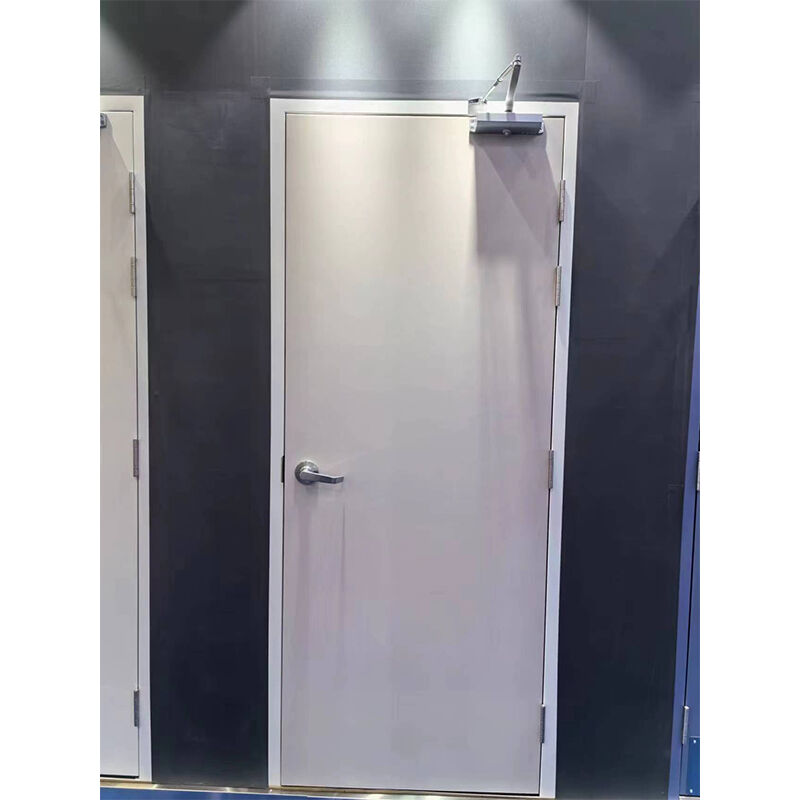
Fire safety remains one of the most critical aspects of building design and construction, with fire doors serving as essential barriers that can mean the difference between life and death during an emergency. A certified fire door represents far more than just another building component; it embodies a carefully engineered safety system designed to contain fires, prevent smoke spread, and provide crucial escape routes for occupants. Understanding the importance of installing these specialized doors is fundamental for architects, building owners, facility managers, and anyone responsible for maintaining safe environments.
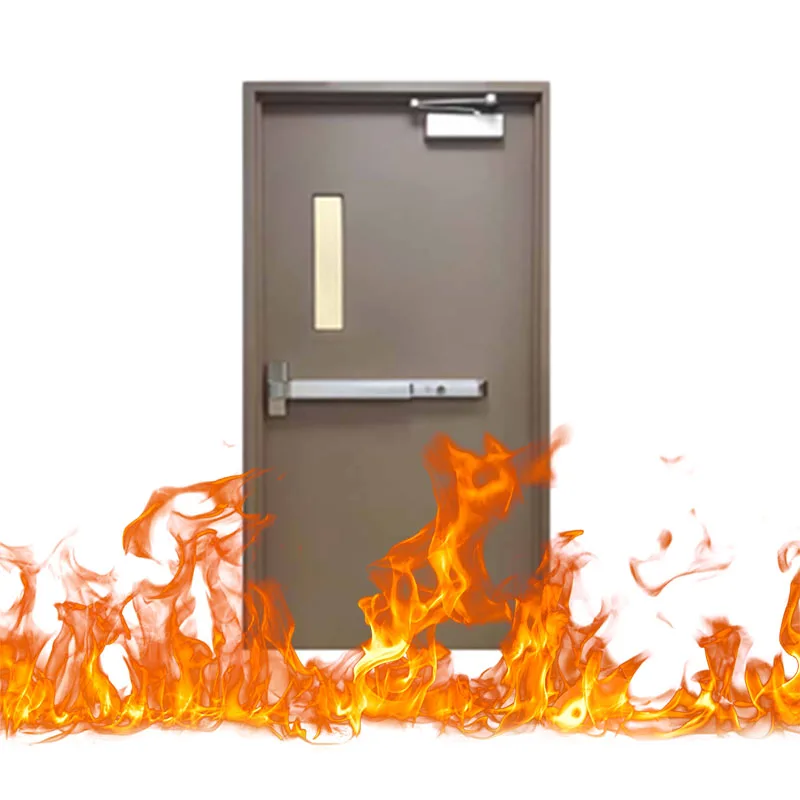
The installation of a certified fire door goes beyond meeting basic building codes; it demonstrates a commitment to occupant safety and property protection that can significantly impact insurance premiums, legal liability, and most importantly, human lives. Modern fire door technology has evolved to provide enhanced performance characteristics while maintaining aesthetic appeal, making them suitable for various commercial, industrial, and residential applications. This comprehensive approach to fire safety requires careful consideration of materials, installation procedures, and ongoing maintenance protocols.
Understanding Fire Door Certification Standards
International Fire Rating Systems
Fire door certification operates under stringent international standards that vary by region but share common principles of safety and performance. In North America, the National Fire Protection Association (NFPA) sets the benchmark through NFPA 80, which establishes installation, inspection, and maintenance requirements for fire doors. European markets follow EN 16034 standards, while other regions may adopt ISO 3008 or local variations that ensure consistent quality and performance across different jurisdictions.
Each certified fire door must undergo rigorous testing procedures that simulate real-world fire conditions, measuring factors such as heat transmission, structural integrity, and smoke leakage rates. These tests determine the fire resistance rating, typically expressed in minutes or hours, indicating how long the door can withstand direct flame exposure while maintaining its protective function. Common ratings include 20, 30, 45, 60, 90, and 180 minutes, with higher ratings required for more critical applications such as stairwell entrances and exit routes.
Certification Body Requirements
Legitimate fire door certification requires approval from recognized testing laboratories and certification bodies such as Underwriters Laboratories (UL), Intertek, or similar organizations worldwide. These bodies conduct comprehensive evaluations that examine not only the door itself but also the complete door assembly, including frames, hardware, glazing, and sealing systems. The certification process ensures that every component works together seamlessly to provide the intended level of fire protection.
A properly certified fire door carries specific markings and documentation that verify its compliance with applicable standards. These markings typically include the manufacturer's name, fire rating, standard compliance reference, and certification body identifier. Building inspectors, insurance assessors, and safety auditors rely on these markings to verify compliance during routine inspections and emergency preparedness evaluations.
Critical Safety Benefits of Certified Fire Doors
Life Safety Protection
The primary function of any certified fire door is to protect human life by providing safe egress routes and preventing fire spread between compartments. During a fire emergency, these doors create protected pathways that allow occupants to evacuate safely while preventing smoke and toxic gases from infiltrating escape routes. Studies consistently show that properly functioning fire doors can reduce fire-related casualties by up to 85% compared to buildings without adequate fire compartmentation.
Fire doors also protect firefighters and emergency responders by containing fires within specific areas, allowing them to approach the fire source safely and conduct rescue operations more effectively. The compartmentation provided by certified fire doors gives emergency personnel crucial time to assess situations, deploy resources, and execute evacuation procedures without being overwhelmed by rapidly spreading flames or smoke.
Property Protection and Business Continuity
Beyond life safety, certified fire doors provide significant property protection benefits that can save millions of dollars in fire damage and business interruption costs. By containing fires within limited areas, these doors prevent total building losses and protect critical infrastructure, equipment, and inventory from fire and smoke damage. Insurance companies recognize this value and often provide premium discounts for buildings equipped with properly certified and maintained fire door systems.
Business continuity planning increasingly relies on fire compartmentation strategies that utilize certified fire door installations to protect essential operations areas. Data centers, manufacturing facilities, warehouses, and office buildings benefit from strategic fire door placement that allows unaffected areas to continue operating even when fire incidents occur in adjacent spaces. This approach minimizes downtime and reduces the overall economic impact of fire emergencies.
Installation Requirements and Best Practices
Professional Installation Standards
Proper installation of a certified fire door requires specialized knowledge and training that goes far beyond standard door hanging procedures. Professional installers must understand the critical relationship between door, frame, and wall construction to ensure the complete assembly maintains its fire rating. Improper installation can completely negate the fire protection benefits, even when using the highest quality certified components.
Installation procedures must follow manufacturer specifications exactly, including proper anchoring methods, seal placement, and hardware adjustment. The gap tolerances around a certified fire door are precisely engineered and must be maintained within specified limits to prevent smoke infiltration and maintain structural integrity under fire conditions. Professional installers use specialized tools and techniques to achieve these tolerances consistently.
Integration with Building Systems
Modern certified fire doors often integrate with building automation and fire alarm systems to provide enhanced functionality during emergencies. Magnetic hold-open devices release automatically when fire alarms activate, ensuring doors close properly to maintain fire compartments. Some advanced systems include remote monitoring capabilities that track door status and provide real-time information to building management systems and emergency responders.
The integration process requires careful coordination between fire door installers, alarm system technicians, and building automation specialists to ensure all components work together seamlessly. This collaborative approach ensures that the certified fire door system provides maximum protection while supporting normal building operations and emergency procedures.
Maintenance and Inspection Protocols
Regular Inspection Requirements
Maintaining the effectiveness of certified fire doors requires ongoing inspection and maintenance programs that identify and address potential issues before they compromise safety. Most building codes require monthly visual inspections and annual comprehensive inspections by qualified technicians. These inspections examine all aspects of door operation, including closing mechanisms, seals, hardware function, and structural condition.
Documentation of inspection results is crucial for compliance with building codes and insurance requirements. Inspection records demonstrate due diligence in maintaining fire safety systems and provide valuable data for identifying trends or recurring issues that may require system modifications or upgrades. Many organizations use digital inspection systems that streamline documentation and provide automated reminders for scheduled maintenance activities.
Common Maintenance Issues
Several common issues can compromise the effectiveness of a certified fire door if not addressed promptly. Damaged or worn door seals allow smoke infiltration and reduce fire resistance, while malfunctioning closing mechanisms may prevent proper door operation during emergencies. Hardware wear, frame damage, and improper modifications are other frequent problems that require immediate attention from qualified technicians.
Preventive maintenance programs focus on addressing these issues before they become critical safety hazards. Regular lubrication of hinges and closing mechanisms, seal replacement, hardware adjustment, and minor repairs can extend the service life of fire door systems while maintaining their protective capabilities. Training building maintenance staff to recognize potential problems helps identify issues early and schedule appropriate repairs.
Cost-Benefit Analysis of Fire Door Investment
Initial Investment Considerations
The initial cost of purchasing and installing certified fire doors represents a significant investment that varies based on size, fire rating, materials, and performance features. However, this upfront expense must be evaluated against the potential costs of fire damage, business interruption, legal liability, and human casualties that can result from inadequate fire protection. Economic analysis consistently demonstrates that proper fire door installation provides excellent return on investment through risk mitigation.
Modern certified fire door options include various price points and feature sets that allow building owners to select appropriate solutions based on specific risk profiles and budget constraints. High-traffic areas may justify premium doors with enhanced durability features, while low-traffic spaces can utilize standard certified doors that meet basic safety requirements. This flexibility enables cost-effective fire protection strategies that maximize safety benefits within available budgets.
Long-term Value Proposition
Long-term value analysis reveals that certified fire doors provide benefits that extend far beyond initial fire protection capabilities. Insurance premium reductions, improved building valuations, enhanced marketability, and reduced liability exposure contribute to ongoing financial benefits that often exceed the initial investment costs over the door's service life. Many building owners report insurance savings of 10-20% or more when implementing comprehensive fire door systems.
The reputation benefits associated with demonstrated fire safety commitment also provide intangible value through improved tenant satisfaction, reduced turnover, and enhanced corporate responsibility profiles. Buildings with comprehensive certified fire door systems often command premium rents and experience lower vacancy rates, particularly in markets where safety consciousness is high among tenants and occupants.
Regulatory Compliance and Legal Implications
Building Code Requirements
Building codes worldwide increasingly emphasize the importance of certified fire doors in comprehensive fire safety strategies. These regulations specify minimum requirements for fire door ratings, locations, and performance characteristics based on building occupancy types, construction methods, and risk assessments. Compliance with these requirements is mandatory for obtaining occupancy permits and maintaining legal operation of commercial and residential facilities.
Code enforcement agencies conduct regular inspections to verify fire door compliance and may issue violations or occupancy restrictions when deficiencies are identified. Understanding local code requirements and staying current with regulatory changes is essential for building owners and facility managers who must ensure ongoing compliance throughout the building's operational life. Professional fire protection consultants can provide valuable guidance on complex regulatory requirements and compliance strategies.
Liability and Insurance Implications
Legal liability associated with fire incidents can be substantial when building owners fail to install or maintain proper fire protection systems. Courts increasingly hold property owners accountable for fire safety deficiencies that contribute to injuries or deaths, with damages often reaching millions of dollars in severe cases. Installing and maintaining certified fire door systems demonstrates reasonable care and can significantly reduce liability exposure.
Insurance companies carefully evaluate fire protection systems when underwriting policies and investigating claims. Buildings with comprehensive fire door systems typically receive more favorable coverage terms and premium rates, while inadequate fire protection can result in coverage restrictions or claim denials. Documenting proper installation and maintenance of certified fire doors is crucial for maintaining favorable insurance relationships and ensuring claim coverage when needed.
FAQ
How often should certified fire doors be inspected
Certified fire doors should undergo monthly visual inspections by building staff and comprehensive annual inspections by qualified fire door technicians. Monthly inspections check basic operation, visible damage, and proper closing function, while annual inspections examine all components including hardware, seals, frames, and compliance with current standards. Some high-risk facilities may require more frequent professional inspections based on local codes or insurance requirements.
Can regular doors be converted to certified fire doors
Regular doors cannot be converted to certified fire door status through modifications or upgrades. Fire door certification requires the complete door assembly, including core materials, edge construction, hardware, and frame components, to be designed and tested as an integrated system. Attempting to modify regular doors for fire protection purposes may create safety hazards and will not meet building code requirements for fire-rated openings.
What happens if a certified fire door fails inspection
When a certified fire door fails inspection, the deficiencies must be corrected immediately to restore proper fire protection and code compliance. Depending on the severity of issues identified, building owners may receive violation notices, occupancy restrictions, or orders to cease operations until corrections are completed. Failed fire doors compromise the entire fire protection system and create significant liability exposure until proper repairs or replacements are implemented.
Are there different types of certified fire door materials
Several material options are available for certified fire door construction, including steel, wood, aluminum, and composite materials. Each material type offers different benefits in terms of durability, cost, appearance, and performance characteristics. Steel doors provide maximum durability and security, wood doors offer traditional aesthetics, while composite materials can combine multiple benefits. The choice depends on specific application requirements, budget constraints, and architectural design preferences.