 EN
EN

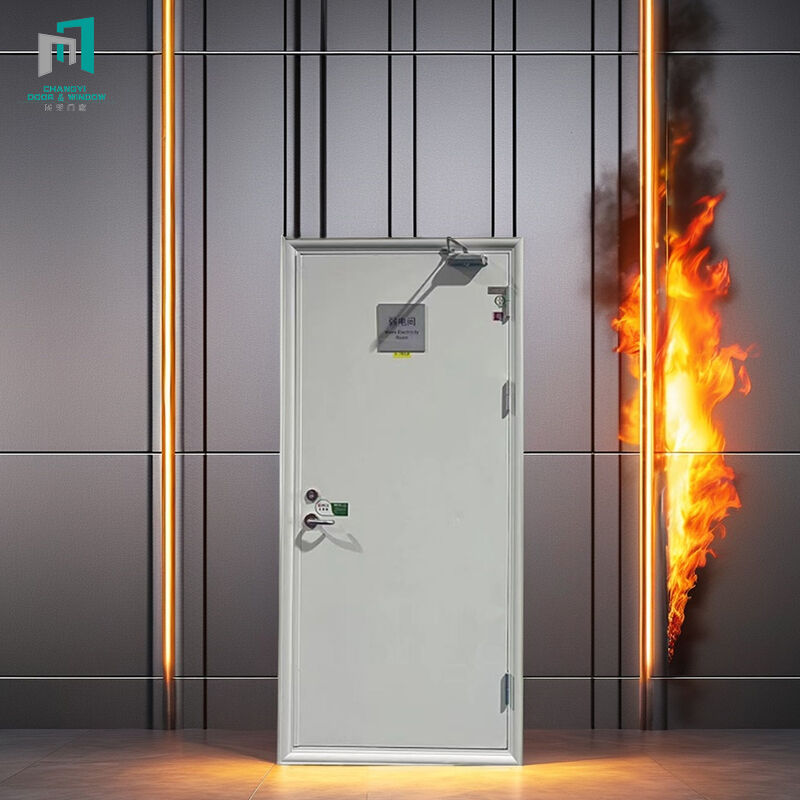
When building owners and facility managers need to balance budget constraints with essential safety requirements, finding a cheap fire door that maintains proper fire protection becomes a critical decision. Fire doors serve as vital barriers that compartmentalize buildings during emergencies, providing occupants precious time to evacuate while limiting fire and smoke spread. However, the misconception that affordable options compromise safety standards has led many to believe that effective fire protection requires substantial investment. This comprehensive guide explores how to identify cost-effective fire door solutions without sacrificing the life-saving protection these systems provide.
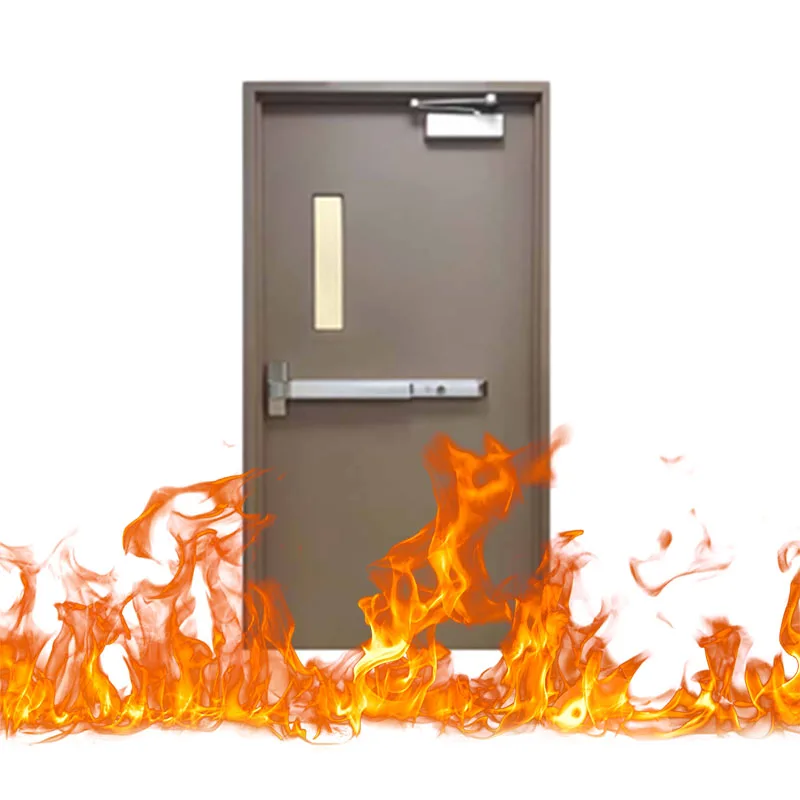
The fire door market offers numerous options across various price points, making it possible to secure reliable protection while maintaining reasonable project budgets. Understanding the relationship between cost, quality, and compliance ensures that property owners can make informed decisions that protect both lives and financial resources. Modern manufacturing techniques and competitive market dynamics have created opportunities for sourcing affordable fire doors that meet stringent safety regulations without the premium pricing traditionally associated with fire-rated products.
Understanding Fire Door Certification and Standards
Essential Fire Rating Classifications
Fire door ratings determine how long these protective barriers can withstand fire exposure while maintaining their integrity. Standard ratings include 20-minute, 45-minute, 60-minute, and 90-minute classifications, with each serving specific building applications and code requirements. A cheap fire door must still carry proper certification from recognized testing laboratories to ensure compliance with local building codes and insurance requirements.
The certification process involves rigorous testing under controlled conditions where doors face extreme temperatures and pressure differentials. These tests evaluate structural integrity, temperature transmission, and smoke leakage to verify that doors perform as rated during actual fire conditions. Budget-conscious buyers should prioritize doors with clear certification markings and documentation rather than focusing solely on purchase price.
Regulatory Compliance Requirements
Building codes mandate specific fire door requirements based on occupancy type, building height, and intended use. Commercial facilities, residential complexes, and industrial buildings each have distinct requirements that influence door selection and installation specifications. Understanding these requirements helps identify the minimum acceptable standards for any cheap fire door consideration.
Local authorities having jurisdiction may impose additional requirements beyond national standards, making it essential to verify specific compliance needs before purchasing. Some regions require third-party inspection and approval processes that add time and cost to projects, factors that should be considered when evaluating total project expenses. Working with suppliers familiar with local requirements can streamline the approval process and prevent costly delays or rejections.
Cost-Effective Fire Door Material Options
Steel Fire Door Advantages
Steel fire doors represent one of the most economical options for achieving reliable fire protection in most applications. These doors offer excellent fire resistance, durability, and security while maintaining relatively low manufacturing costs compared to other materials. The inherent properties of steel make it naturally fire-resistant, reducing the need for expensive fire-resistant treatments or composite materials.
Manufacturing processes for steel fire doors have become increasingly efficient, allowing producers to offer competitive pricing without compromising quality or performance. Modern steel door construction incorporates mineral fiber cores and intumescent seals that expand during fire exposure to prevent smoke and flame passage. When seeking a cheap fire door solution, steel options frequently provide the best balance of performance, longevity, and initial cost.
Composite and Alternative Materials
Engineered composite materials offer another avenue for cost-effective fire door solutions, particularly in applications where aesthetics matter alongside protection. These materials can be manufactured to specific performance requirements while maintaining competitive pricing through efficient production methods. Composite doors often weigh less than steel alternatives, potentially reducing installation labor costs and structural support requirements.
Some manufacturers utilize recycled materials in composite fire door construction, which can reduce raw material costs while supporting sustainability goals. However, buyers should carefully verify that any cheap fire door made from alternative materials maintains proper fire ratings and meets local code requirements. The long-term durability and maintenance requirements of composite materials should also factor into total cost of ownership calculations.
Strategic Sourcing and Procurement Approaches
Direct Manufacturer Relationships
Establishing relationships with fire door manufacturers can significantly reduce costs by eliminating distributor markups and middleman fees. Many manufacturers offer direct sales programs for larger projects or repeat customers, providing access to factory pricing and customization options. This approach works particularly well for multi-door projects where volume discounts become available.
Direct sourcing also provides better communication regarding specifications, delivery schedules, and quality control measures. Manufacturers can often accommodate specific requirements or modifications that might be cost-prohibitive through traditional distribution channels. When sourcing a cheap fire door directly from manufacturers, buyers gain access to technical support and installation guidance that adds value beyond the initial purchase price.
Timing and Market Considerations
Fire door pricing fluctuates based on raw material costs, manufacturing capacity, and seasonal demand patterns. Understanding these market dynamics helps buyers time purchases to take advantage of favorable pricing periods. End-of-quarter or end-of-year pricing may offer opportunities for significant savings as manufacturers work to meet sales targets.
Planning fire door procurement well in advance allows for more flexible timing and better negotiation positions. Rush orders typically carry premium pricing and may limit options for finding the most cost-effective solutions. A strategic approach to timing can make a significant difference in securing a cheap fire door without compromising delivery schedules or project timelines.
Installation and Long-Term Cost Factors
Professional Installation Requirements
Proper fire door installation requires specialized knowledge and certified installers to ensure compliance with safety standards and warranty requirements. While installation costs add to the total project expense, attempting to reduce costs through inexperienced installers can result in failed inspections, insurance issues, and potential liability concerns. The initial savings from a cheap fire door can be quickly negated by installation problems or code violations.
Certified installers understand the critical importance of proper frame preparation, hardware alignment, and seal installation that ensures fire doors function correctly during emergencies. They also provide necessary documentation and inspection reports required by building officials and insurance companies. Investing in professional installation protects the investment in fire protection and ensures long-term reliability.
Maintenance and Operational Costs
The true cost of fire door ownership extends beyond the initial purchase price to include ongoing maintenance, inspection, and potential replacement needs. Higher-quality doors, even if slightly more expensive initially, often provide better long-term value through reduced maintenance requirements and extended service life. When evaluating any cheap fire door option, consider the manufacturer's warranty terms and expected maintenance schedule.
Regular inspection and maintenance requirements vary by door type and building use, with some materials requiring more frequent attention than others. Steel doors typically require minimal maintenance beyond periodic hardware lubrication and seal inspection, while other materials may need more intensive care. Understanding these ongoing costs helps make more accurate comparisons between different fire door options and their total cost of ownership.
Quality Assurance and Vendor Evaluation
Manufacturer Reputation Assessment
Evaluating fire door manufacturers requires careful consideration of their track record, certifications, and market presence. Established manufacturers with strong reputations typically offer more reliable products and better customer support, even when offering competitively priced options. Research manufacturer backgrounds, customer references, and industry certifications before committing to any cheap fire door purchase.
Quality manufacturers maintain consistent production standards and invest in ongoing research and development to improve their products. They also typically offer comprehensive technical support, installation guidance, and responsive customer service that adds value to the purchase. These factors become particularly important when problems arise or when technical questions need resolution during installation or operation.
Product Testing and Documentation
Legitimate fire door manufacturers provide comprehensive testing documentation and certification papers with their products. This documentation should include test reports from recognized laboratories, installation instructions, and maintenance guidelines. Any cheap fire door lacking proper documentation should be viewed with suspicion regardless of the attractive pricing.
Independent third-party testing provides the most reliable verification of fire door performance claims. Manufacturers who submit their products for voluntary testing beyond minimum requirements demonstrate commitment to quality and performance. This additional testing often results in better product performance and reliability, justifying slightly higher costs when compared to minimally compliant alternatives.
Project Planning and Budget Optimization
Comprehensive Cost Analysis
Effective fire door project planning requires comprehensive cost analysis that includes purchase price, shipping, installation, inspection, and long-term maintenance expenses. This holistic approach prevents budget overruns and ensures that all project costs are properly accounted for from the beginning. A thorough analysis often reveals that slightly more expensive doors provide better overall value when all factors are considered.
Budget optimization also involves evaluating different approaches to meet fire protection requirements, such as comparing the costs of upgrading existing doors versus installing new units. Sometimes retrofitting existing openings with fire-rated doors provides more cost-effective solutions than complete replacement. When seeking a cheap fire door solution, consider all available options and their respective total costs.
Value Engineering Opportunities
Value engineering involves optimizing specifications to achieve required performance at the lowest possible cost without compromising safety or compliance. This process might involve adjusting door sizes, simplifying hardware requirements, or selecting alternative materials that meet performance requirements at lower cost. Experienced fire protection consultants can identify value engineering opportunities that significantly reduce project costs.
Standardizing door specifications across a project often provides economies of scale and reduces complexity in ordering, installation, and maintenance. Using common sizes and specifications allows for bulk purchasing advantages and simplified inventory management. These standardization benefits can make a significant difference in achieving cost-effective fire protection while maintaining the quality and performance of each cheap fire door installation.
FAQ
How can I verify that a cheap fire door meets safety standards
Verification requires checking for proper certification labels from recognized testing laboratories such as UL, Intertek, or similar organizations. These labels should be permanently attached to the door and include the fire rating, manufacturer information, and certification number. Additionally, request copies of test reports and ensure the door model matches exactly what was tested. Never purchase fire doors without proper certification documentation, regardless of price advantages.
What are the most cost-effective materials for fire doors
Steel fire doors typically offer the best combination of performance, durability, and cost-effectiveness for most applications. They require minimal maintenance, provide excellent fire resistance, and are available at competitive prices from multiple manufacturers. Composite materials can also be cost-effective in certain applications, particularly where weight or aesthetics are important considerations. The key is matching material selection to specific application requirements while maintaining proper fire ratings.
Can I install fire doors myself to save money
Fire door installation should only be performed by certified professionals who understand the critical requirements for proper installation. Improper installation can void warranties, fail building inspections, and create serious safety hazards during emergencies. While professional installation adds to project costs, it ensures compliance with safety standards and protects against liability issues. The savings from a cheap fire door can be completely lost if installation problems require correction or reinstallation.
How do shipping and delivery costs affect fire door pricing
Shipping costs can significantly impact total fire door project expenses, particularly for distant suppliers or small quantities. Heavy steel doors incur higher shipping costs than lighter alternatives, which should be factored into cost comparisons. Some manufacturers offer free shipping for larger orders or provide regional distribution centers that reduce delivery costs. When evaluating any cheap fire door option, always request delivered pricing rather than just product costs to make accurate comparisons.